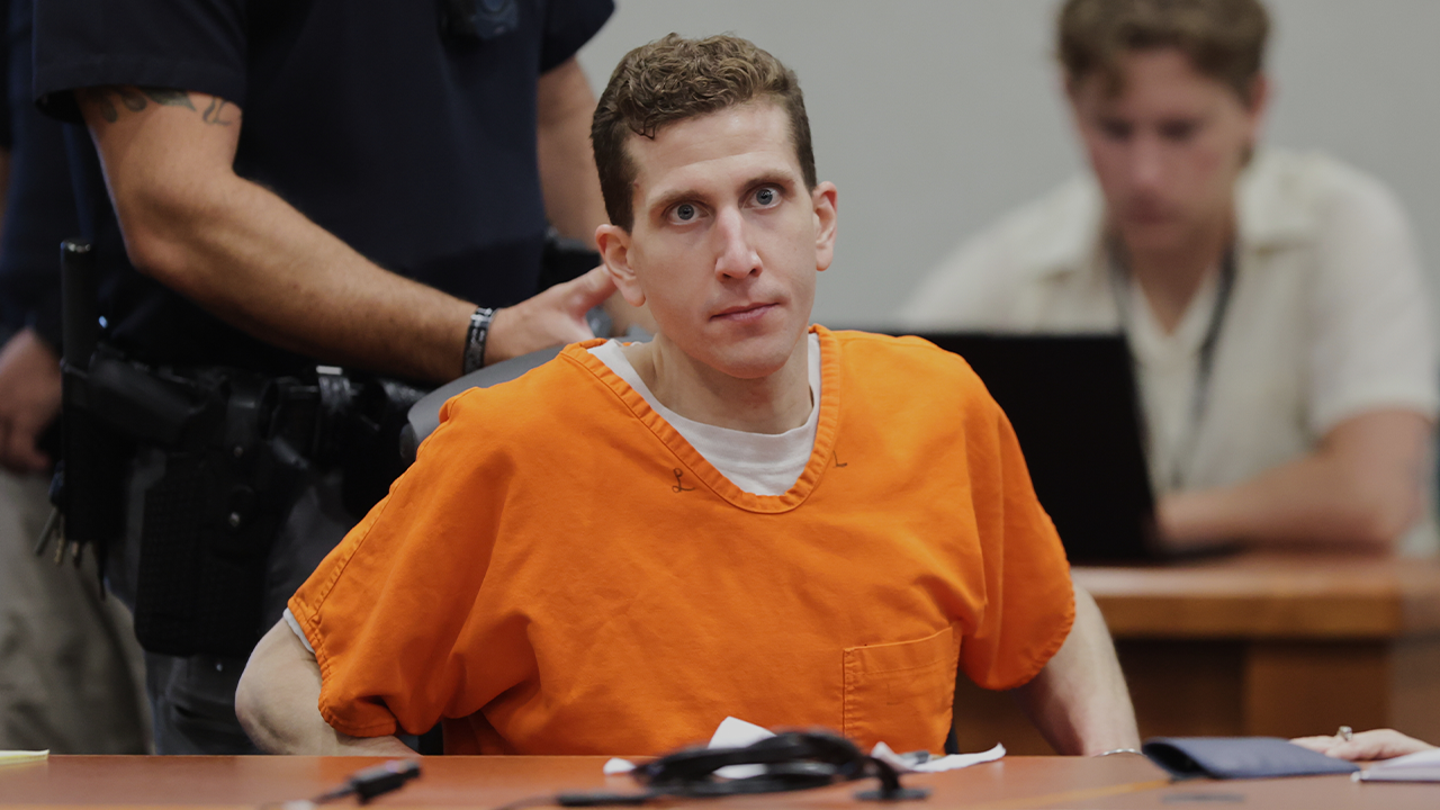
Newly released internal emails are shedding fresh light on one of the most closely watched murder investigations in recent years. Documents obtained through a public records request reveal that officers at Washington State University identified Bryan Kohberger’s white Hyundai Elantra far earlier than many people realized.
The emails suggest campus police connected Kohberger’s vehicle to the investigation just 16 hours after receiving updated information about the car authorities wanted to locate. That timeline adds a new layer to how quickly law enforcement zeroed in on a critical lead.
Kohberger was later arrested on December 30, 2022, in Pennsylvania and ultimately pleaded guilty in 2025 to the murders of four University of Idaho students. The newly surfaced records do not change the outcome of the case, but they offer a clearer picture of how investigators built momentum behind the scenes.
For a case that drew national attention and endless speculation online, these emails are a reminder that major breakthroughs often happen quietly, long before the public hears about them.
Emails Show Quick Work by Campus Police
According to the internal messages, then-Washington State University Police Chief Gary Jenkins praised Officer Daniel Tiengo and Sergeant Curtis James Whitman for locating the white 2015 Hyundai Elantra tied to Kohberger.
In a January 5, 2023 email to staff, Jenkins reportedly noted that the publicly released arrest affidavit did not fully reflect the timeline of when local agencies were first asked to watch for the vehicle.
He wrote that the affidavit referenced November 25, but investigators did not request assistance until the morning of November 28. Despite that, the WSU officers reportedly identified the vehicle by that same evening.
That means the car was flagged in less than a day after the updated request, a detail that highlights how quickly investigators were able to narrow their search.
Why the Hyundai Elantra Became So Important
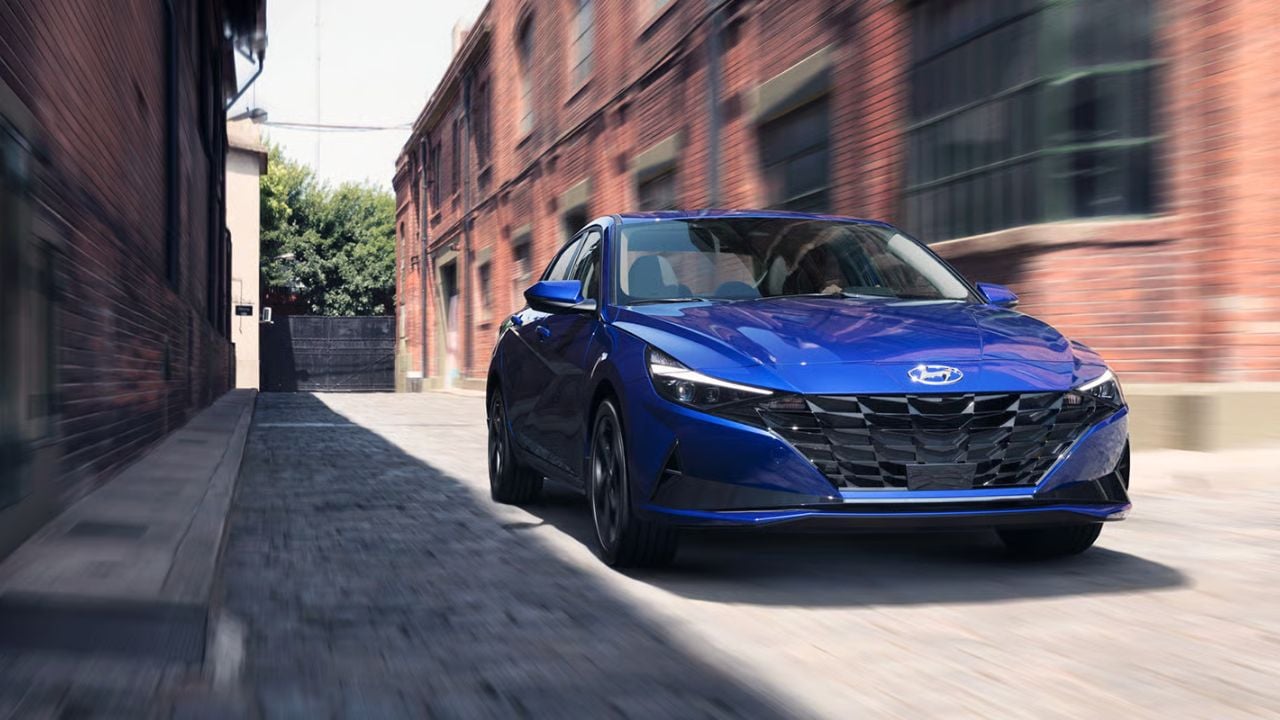
The white Hyundai Elantra became one of the most talked-about clues in the investigation after authorities publicly asked for help finding one.
Vehicle evidence can be incredibly valuable in criminal cases. A car may provide surveillance footage, travel patterns, registration records, or a link between locations and suspects. In this case, the Elantra helped direct investigators toward Kohberger before his eventual arrest.
Once the public learned about the vehicle, online sleuths and media outlets closely followed every development. But these emails show law enforcement may have already been several steps ahead.
Officers Were Told Not to Stop the Driver
Another newly released email, dated November 27, 2022, came from then-Moscow Police lead detective Corporal Brett Payne. In it, nearby law enforcement agencies were reportedly instructed not to stop, detain, or contact the driver of the Elantra unless there was a life-or-death emergency.
That may sound surprising at first glance, but investigators often avoid premature contact when building a larger case. Alerting a potential suspect too early can risk destroying evidence, changing behavior, or complicating surveillance efforts.
Sometimes the smartest police move is patience, even when the public expects immediate action.
What We Can Learn From This Incident
One major takeaway is that investigations rarely unfold in real time for the public. Court filings and press conferences usually show only part of the picture.
Another lesson is that cooperation between agencies matters. A local homicide case in Idaho ended up involving campus police in Washington and later authorities across state lines.
Finally, this case illustrates why investigators guard information so closely. While social media often demands instant answers, real cases depend on timing, evidence, and strategy.
Case Ended With Guilty Plea
Kohberger pleaded guilty on July 2, 2025, to the murders of Ethan Chapin, Madison Mogen, Xana Kernodle, and Kaylee Goncalves. In exchange for avoiding the death penalty, he received four consecutive life sentences without parole, along with a sentence tied to burglary charges.
The tragedy devastated families, classmates, and communities in both Idaho and beyond. Even now, years later, new records continue to reveal just how much investigative work was happening behind closed doors.