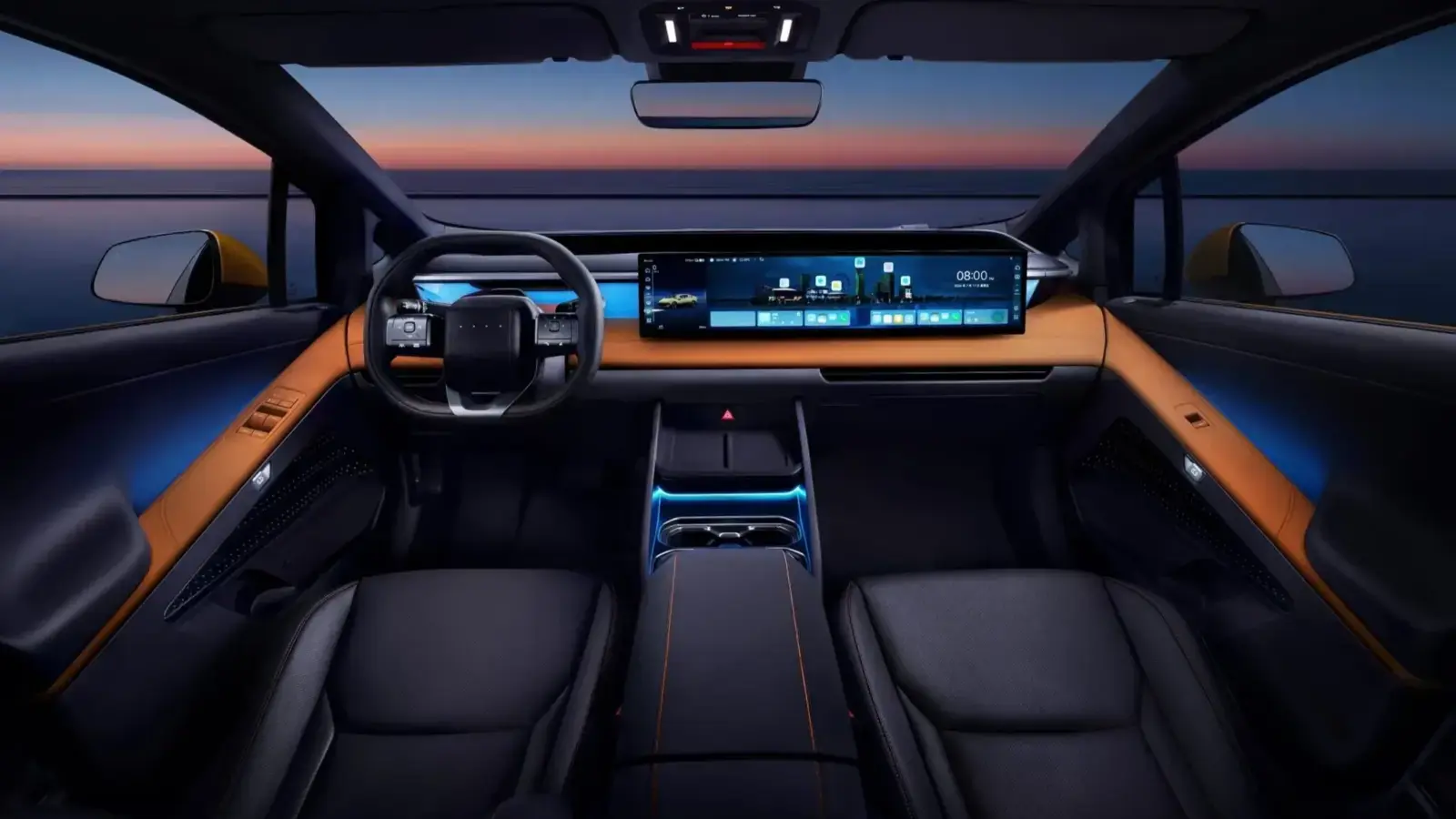
Gesture controls in cars have never exactly set the world on fire. Waving your hand around to adjust the volume might look futuristic, but reaching for a physical knob is usually easier and considerably less awkward.
Hyundai has come up with a different approach that could make gestures genuinely useful. Instead of asking occupants to memorize specific hand movements, the system would combine something humans already do naturally: talking and pointing.
A recently published patent application from Hyundai Motor Company describes technology that can interpret a spoken request while simultaneously figuring out what the person is pointing at. In theory, that means commands wouldn’t always need to identify the exact feature being controlled.
It sounds suspiciously close to casting spells from the driver’s seat. The underlying idea, however, is a fairly clever attempt to make increasingly complicated vehicle interfaces easier to use.
Just Point At Something And Tell The Car What To Do
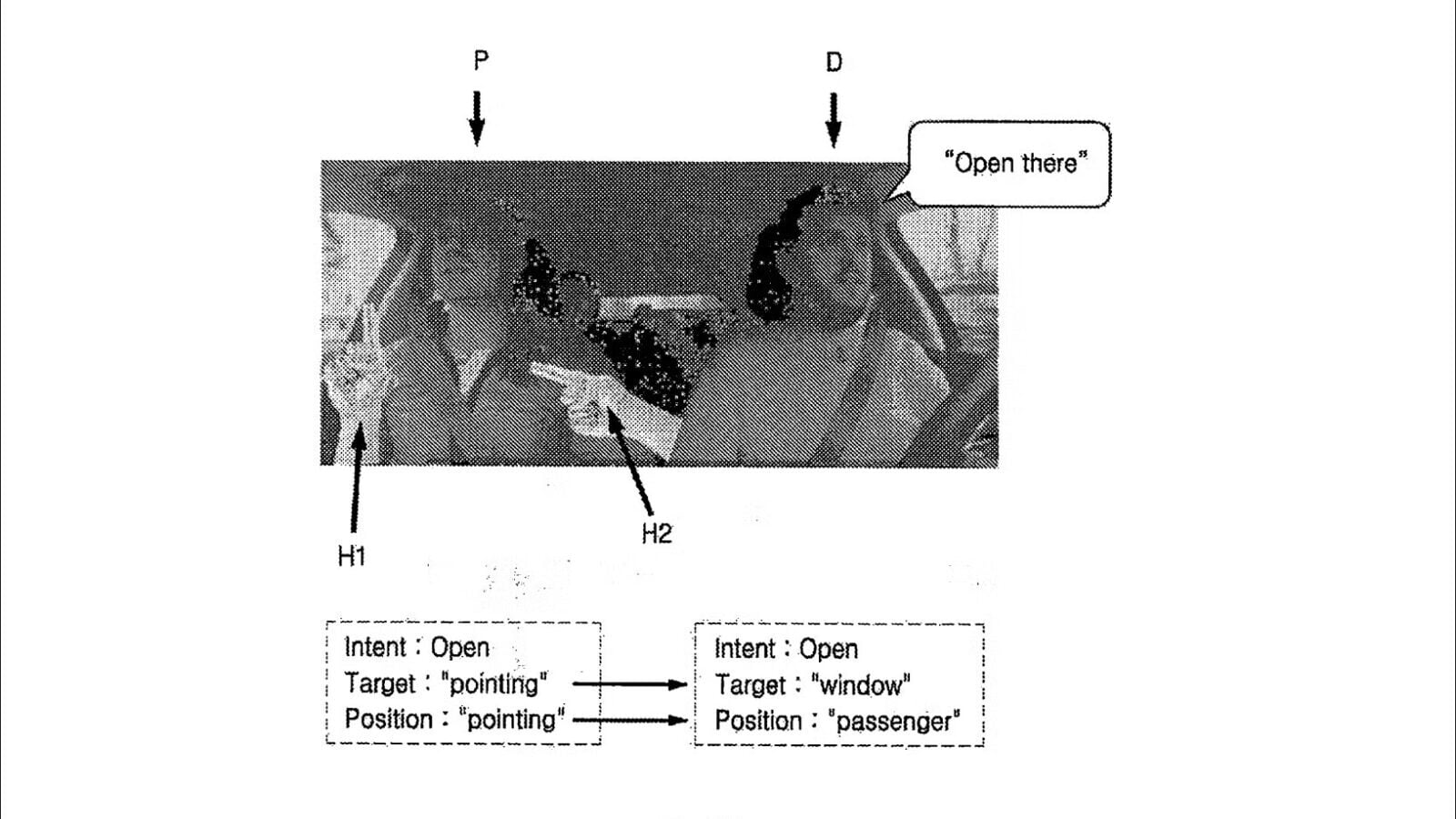
Published by the U.S. Patent and Trademark Office as application US 2026/0260654 A1, the filing is titled “Method and Apparatus for Performing Voice Command Based on Gesture Recognition.” Hyundai describes combining voice recognition with cameras or other sensors capable of tracking an occupant’s gestures.
Imagine pointing toward a window and simply saying “open.” Instead of requiring “open the front passenger window,” the vehicle could use the direction of your finger to determine which window you mean and carry out the command.
The same principle could apply when asking the car for information. Hyundai’s filing uses Auto Hold as an example, suggesting an occupant could indicate a particular control and ask what it does without needing to know its name.
It Could Figure Out Who Is Pointing
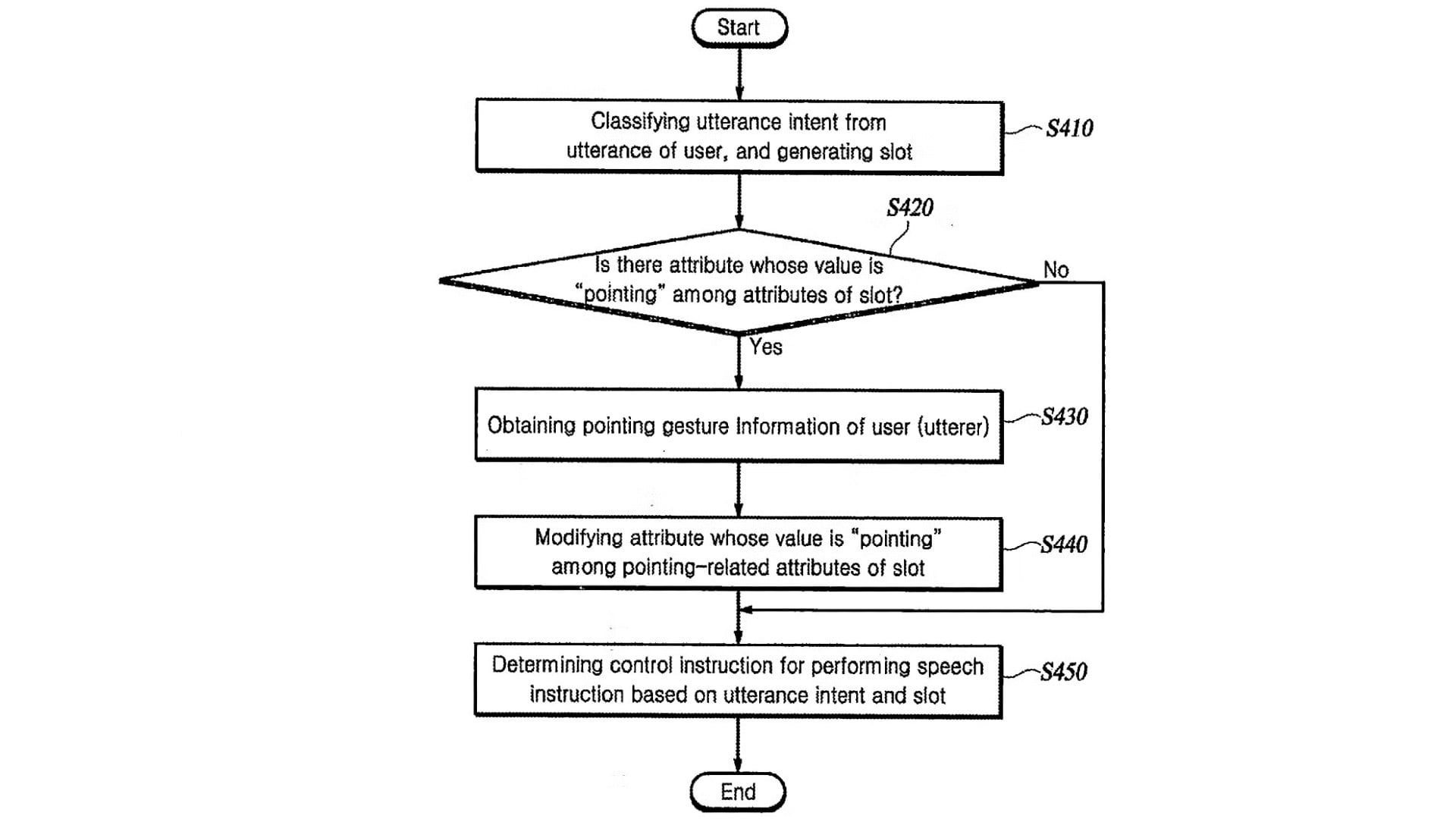
Things become trickier when several people are sitting inside the vehicle. Hyundai’s proposed system could determine which seat a voice command came from and then analyze gestures made by that specific occupant.
That could prevent the car from interpreting a passenger’s random hand movement as part of the driver’s command. Additional microphones, sensors, and even push-to-talk controls could extend the functionality to occupants sitting farther back.
Deep-learning models are also discussed in the patent as part of the recognition process. The goal is to give the vehicle enough context to understand commands that would otherwise be too vague for a conventional voice assistant.
Your Finger Basically Becomes A Wand
There is plenty of potential for this concept beyond opening windows. A driver could theoretically point toward a particular control, vent, or other feature and tell the vehicle what they want without navigating menus or remembering the correct terminology.
Naturally, Hyundai’s patent doesn’t mention shouting “Lumos” while pointing at the headlights. Still, if you’re commanding parts of the car by pointing your finger at them, the Harry Potter jokes practically write themselves.
More importantly, combining gestures with speech arguably makes considerably more sense than gesture controls alone. Humans routinely point at objects while talking because it provides context without requiring us to describe exactly what we’re referring to.
A Patent Doesn’t Mean It’s Coming To Your Hyundai
Hyundai originally filed an application covering the technology in South Korea before pursuing protection in the United States. As with any automotive patent, its existence doesn’t mean the company has decided to put the system into production.
Automakers routinely patent ideas that never reach showrooms, whether because they’re impractical, too expensive, or simply superseded by something better. This filing only shows that Hyundai has explored and sought protection for the concept.
Still, this is one gesture-control idea that could have some practical value. If it ever reaches production, controlling your Hyundai might involve less poking at touchscreens and considerably more pointing at things like an impatient wizard.