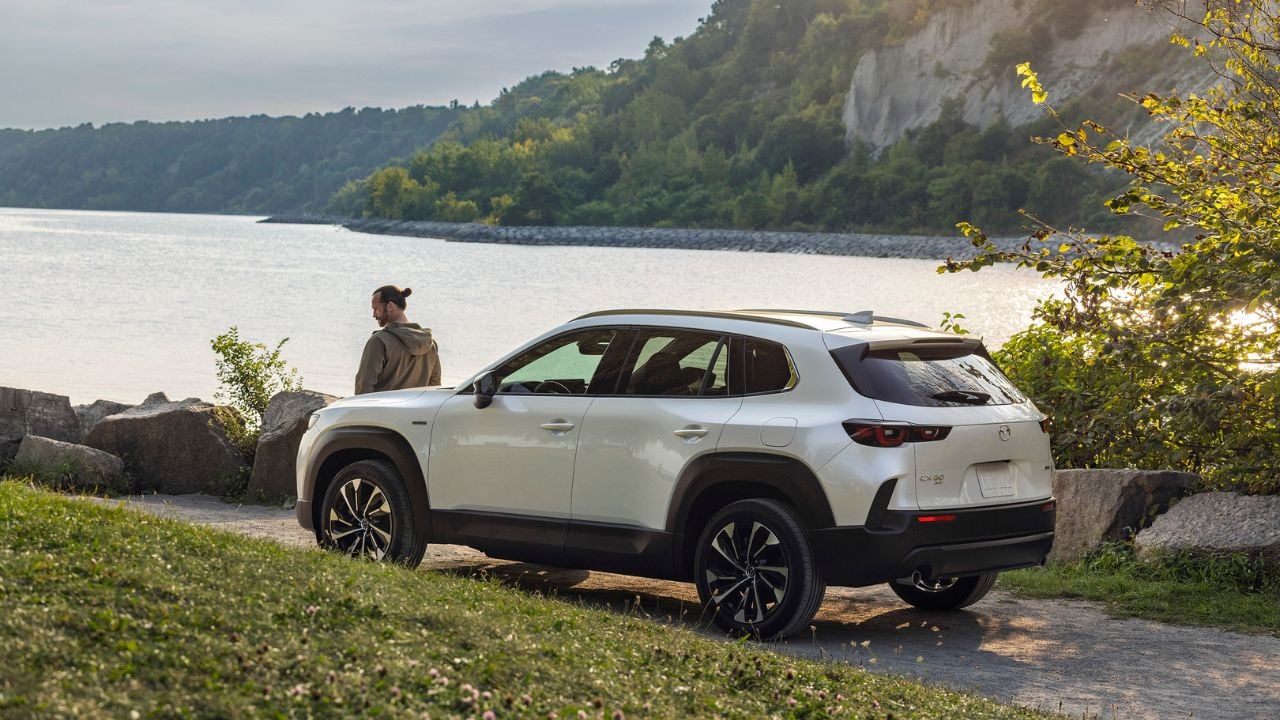
If we’re being a bit honest, buying a new car in 2026 isn’t exactly like picking up a gallon of milk. With interest rates still making us wince and sticker prices that require a double-take, the smart money is on vehicles that won’t have you eating ramen for the next five years.
However, being financially responsible doesn’t mean resigning yourself to a joyless transportation appliance. Some cars actually manage to be both wallet-friendly and genuinely enjoyable to own. We’re talking about vehicles that sip fuel like a hummingbird, hold their value like vintage baseball cards, and won’t bankrupt you when something eventually needs fixing.
These are the cars that make your accountant smile without making you sigh every time you walk to your driveway. In fact, it’s much more enjoyable than anything that gallon of milk can get you.
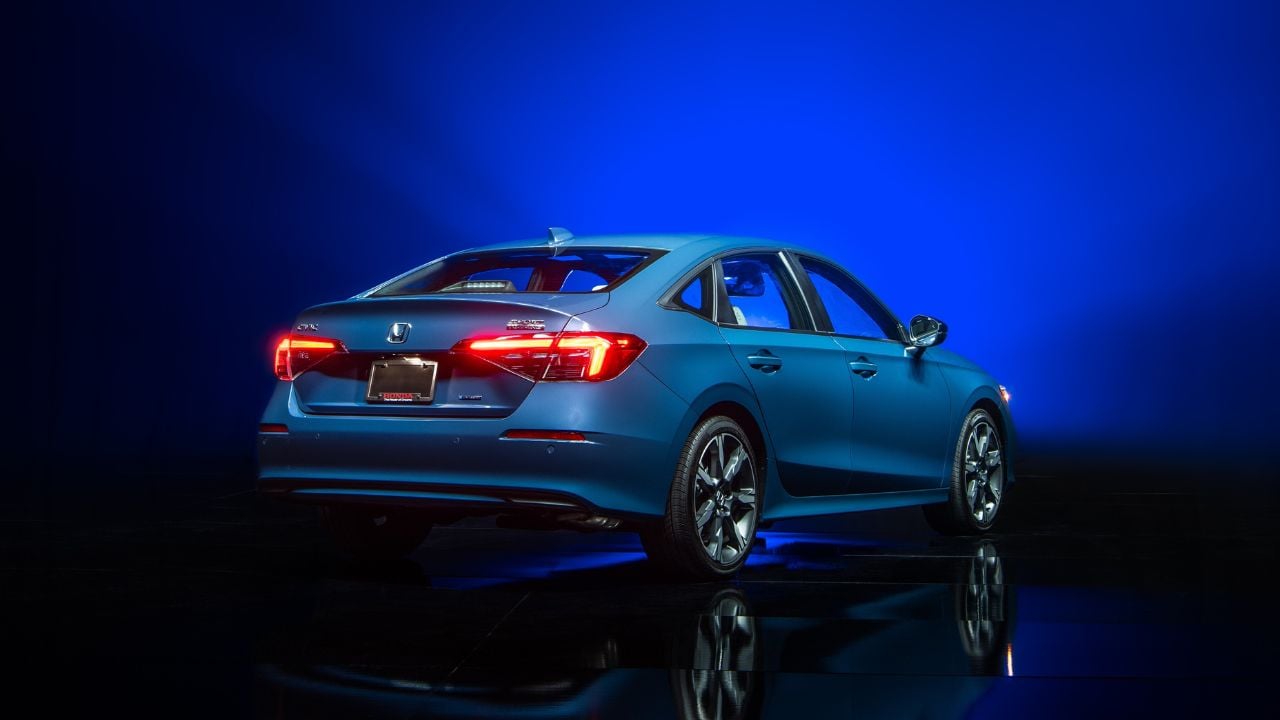
2026 Honda Civic
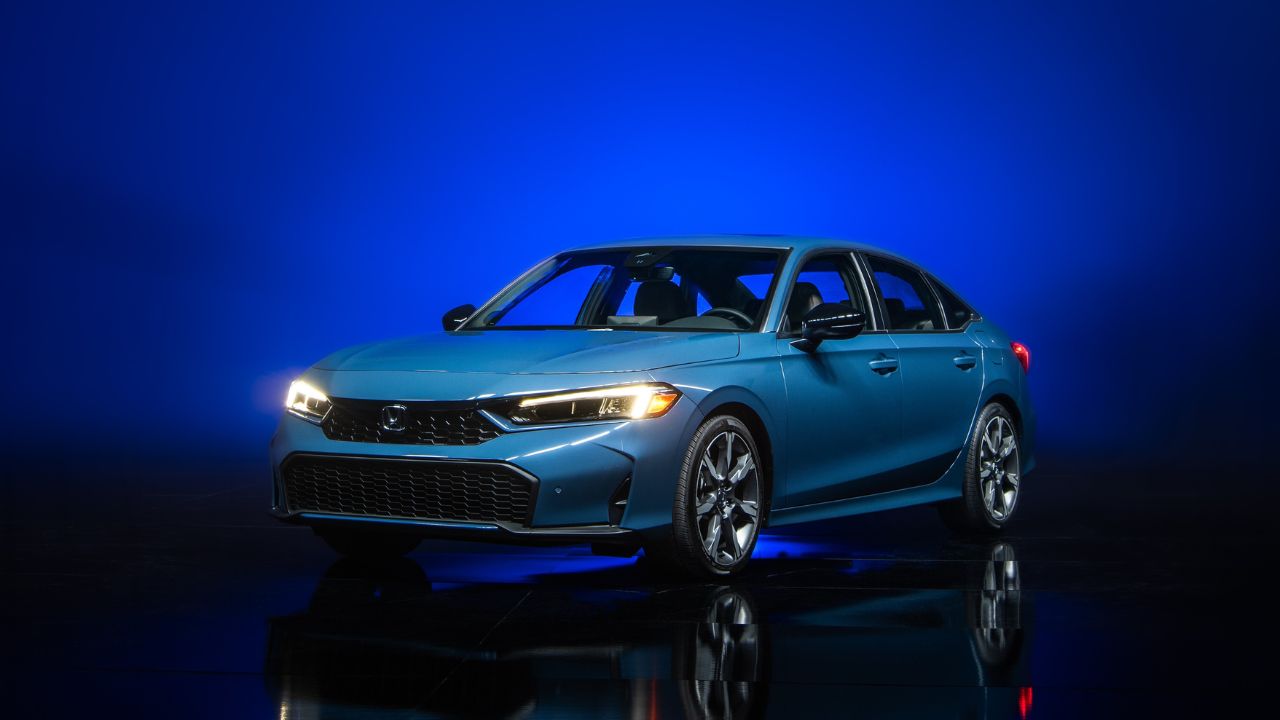
The Civic has been the poster child for automotive common sense since your parents were young, and the 2026 model continues that legacy with almost annoying competence.
Starting around $25,000, you’re getting a car that’ll still be running when the robots take over, with Honda’s legendary reliability meaning your mechanic might actually forget your name. The EPA rating is up to 36 mpg combined on the gas powered Civic, which translates to real money saved every week at the pump.
What really seals the deal is that Civics depreciate slower than almost anything in their class, five years from now, this thing will still command respect on the used market. The interior feels surprisingly upscale for the price point, with tech features that don’t require a engineering degree to operate.
Plus, it’s actually fun to drive, with responsive steering that reminds you why the Civic has such a devoted following among driving enthusiasts.
2026 Mazda CX-50
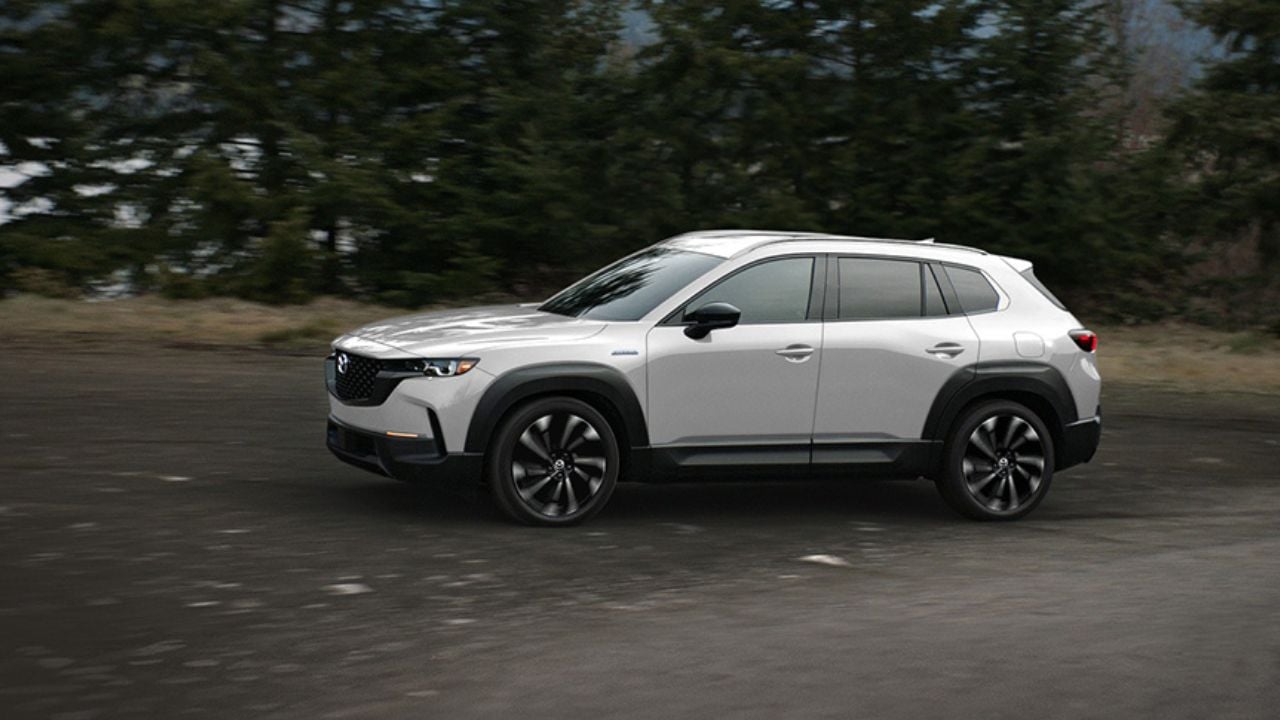
Here’s where practicality meets that little voice in your head that still wants to enjoy the driving experience.
The CX-50 starts in the low $30,000s and delivers an SUV that doesn’t feel like you’re piloting a refrigerator on wheels. Mazda’s done something clever here: they’ve built a compact crossover that handles like a sport sedan while offering the space and capability most families actually need.
EPA estimates are about 28 mpg combined with the base engine and about 25 mpg combined with the turbo engine, which is respectable for a vehicle with genuine all wheel drive chops and enough ground clearance for your weekend adventures. The build quality is exceptional, we’re talking doors that close with a satisfying “thunk” and materials that won’t start looking shabby after two winters. Mazda’s reputation for reliability has been climbing steadily, and their resale values are finally reflecting what enthusiasts have known for years.
Insurance costs tend to run reasonable since the CX-50 hasn’t attracted the attention of joyriding teens or parts thieves.
2026 Toyota Corolla Hybrid
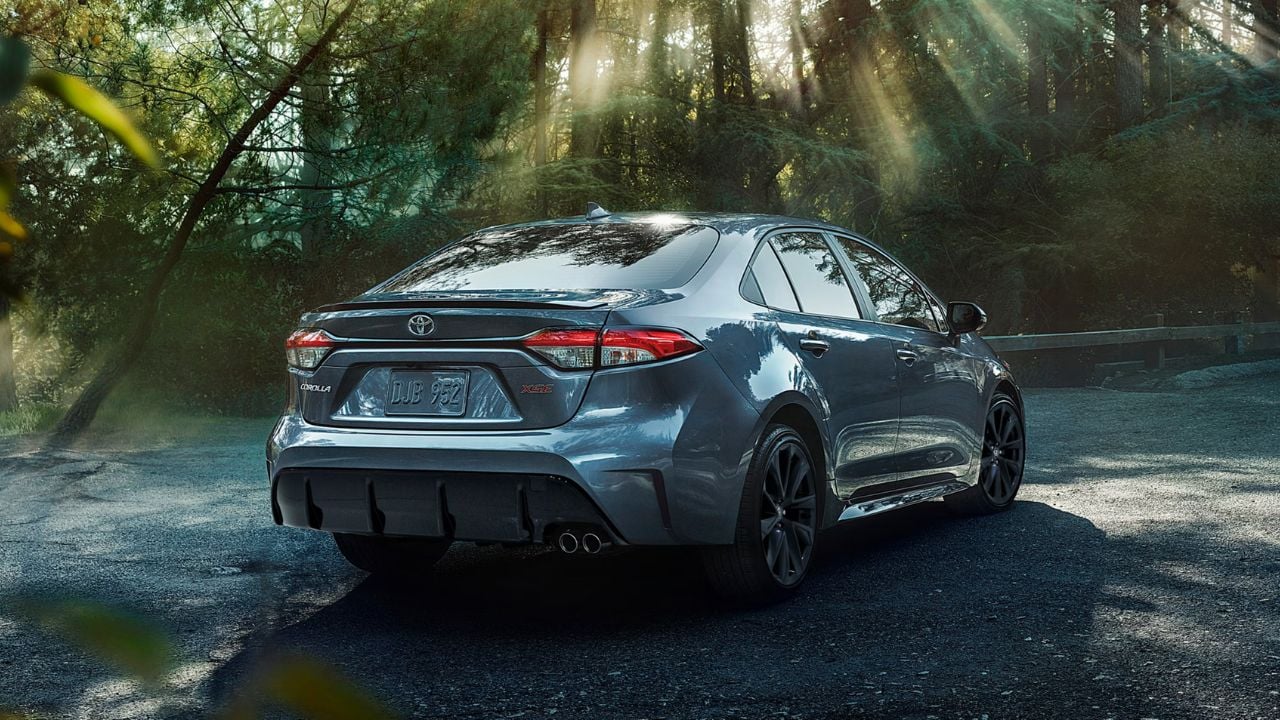
Starting at about $24,775, the Corolla Hybrid is basically a cheat code for people who treat fuel economy like a competitive sport.
EPA estimates go as high as 50 mpg combined, which means you’ll be passing gas stations with a knowing smile while everyone else queues up. Toyota’s hybrid technology has been refined over many years, and it has a strong reliability record when maintained properly.
The maintenance costs can be low because regenerative braking can help extend brake pad life, and it uses an eCVT style hybrid transmission. Resale value is stellar because used car shoppers know exactly what they’re getting: a vehicle that refuses to die and sips fuel like it’s expensive wine. The driving experience won’t set your hair on fire, but it’s comfortable, quiet, and far more engaging than the Corollas of yesteryear.
For anyone commuting serious miles or just wanting to minimize their ownership costs, the math here is almost comically favorable.
2026 Hyundai Elantra
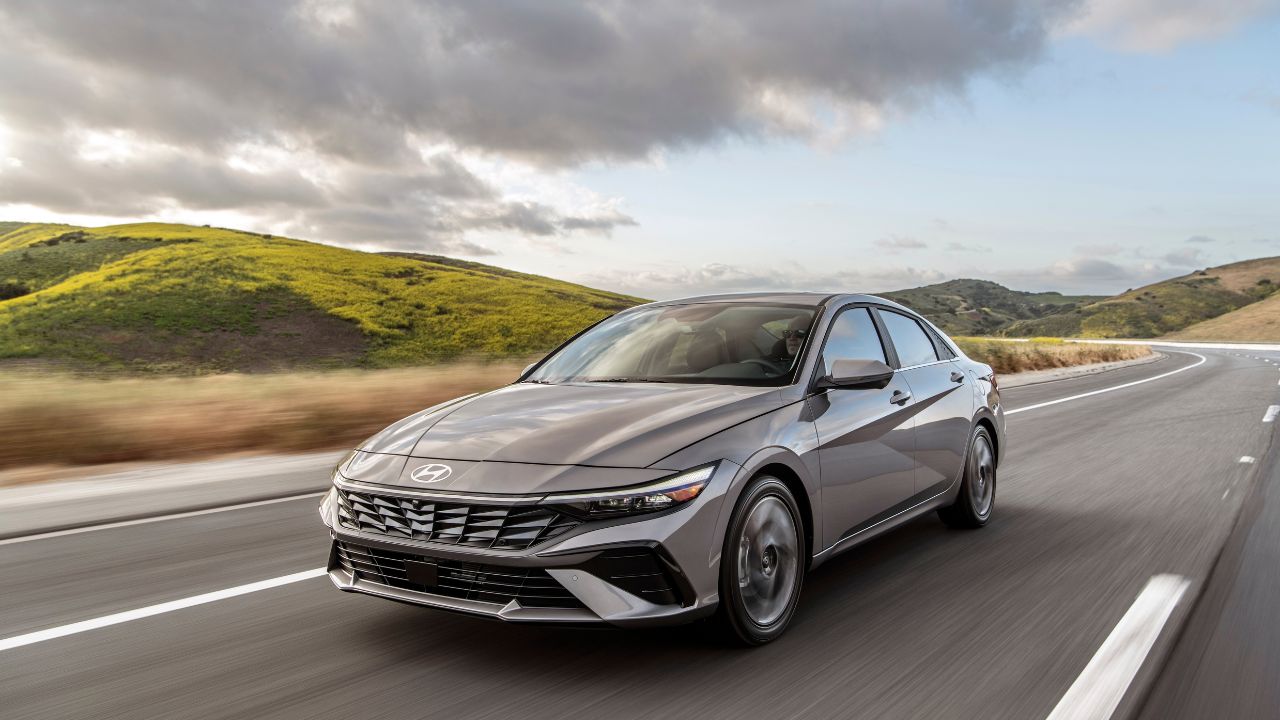
Hyundai’s been on an absolute tear lately, and the Elantra is exhibit A in their case for credibility.
With a base price around $22,000, you’re getting a sedan that looks like it costs ten grand more, complete with sharp styling that actually turns heads in parking lots. The warranty situation is borderline absurd: 10 years or 100,000 miles on the powertrain, which is Hyundai’s way of saying “yeah, we’re confident in this thing.”
Fuel economy sits comfortably in the low 30s combined, and the interior tech feels decidedly modern with standard features that other brands charge extra for. What’s really changed the game is Hyundai’s reliability scores, they’ve climbed dramatically over the past decade, and the depreciation curve has flattened accordingly. The driving dynamics are surprisingly good, with tight handling and a refined ride that punches well above the price point.
If you’re looking for maximum car per dollar, the Elantra makes a compelling argument every time.
2026 Subaru Outback
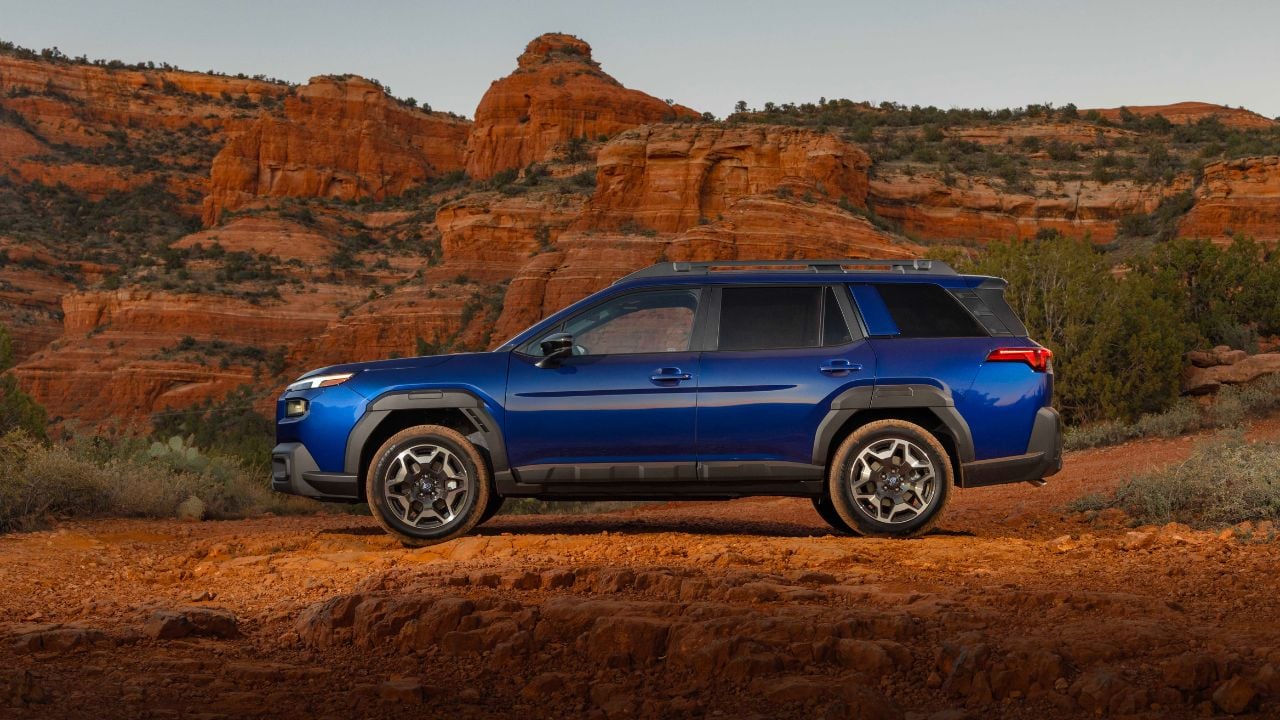
The Outback has become the unofficial vehicle of people who actually use their cars for living life rather than just commuting.
Priced in the low-to-mid $30,000s, it offers standard all-wheel drive that’ll get you through pretty much any weather scenario short of a biblical flood. Here’s the financial kicker: Subarus hold their value like few other brands, with Outbacks regularly commanding strong prices even with six-figure mileage because buyers know they’re reliable.
EPA combined fuel economy is about 27 mpg for the non turbo Outback and about 24 mpg for the turbo models, which is impressive for a vehicle with this much capability and cargo space. The maintenance costs stay reasonable thanks to Subaru’s straightforward engineering, no overly complicated systems that require dealer-only diagnostic equipment. Insurance rates tend to be favorable because Subaru owners stereotypically don’t drive like maniacs, and the safety ratings are consistently excellent.
You’re basically buying a vehicle that’ll handle your ski trips, Home Depot runs, and daily driving duties for the next 15 years without complaint.
2026 Honda CR-V
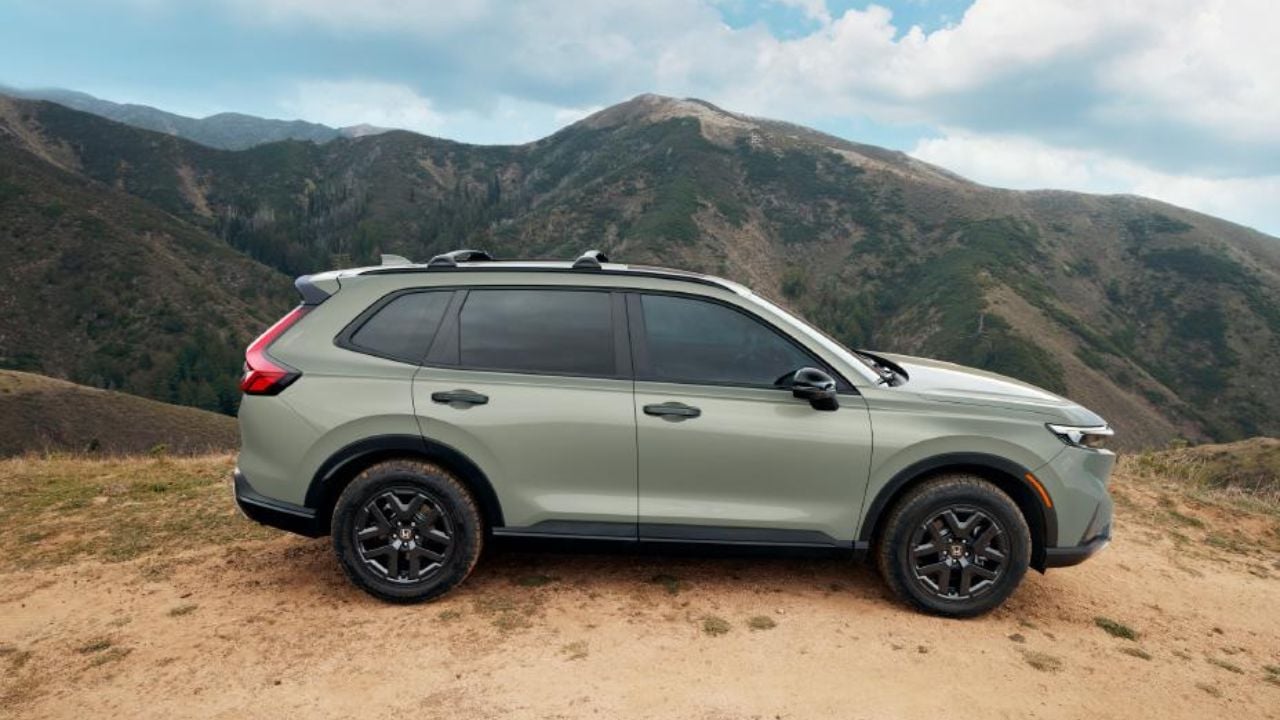
The CR-V is what happens when a manufacturer spends three decades refining a formula until it’s nearly perfect.
Starting at about $30,920, you’re getting Honda’s legendary reliability wrapped in a package that’s genuinely practical for families, outdoorsy types, or anyone who occasionally needs to move furniture. The hybrid version is the real sweet spot, rated at up to 40 mpg combined in front wheel drive form, which is frankly ridiculous for a vehicle this spacious and capable.
Honda’s resale values are consistently among the best in the industry, your CR-V will be worth real money even after you’ve put serious miles on it. Maintenance costs remain low because Honda dealers are everywhere and parts aren’t priced like they’re made from unobtanium. The interior space is cleverly designed with those magical Honda packaging tricks that make it feel bigger than the exterior dimensions suggest.
While it won’t win any awards for driving excitement, it nails the brief of being a thoroughly competent, cost-effective daily driver that’ll serve you faithfully for years.
2026 Mazda3
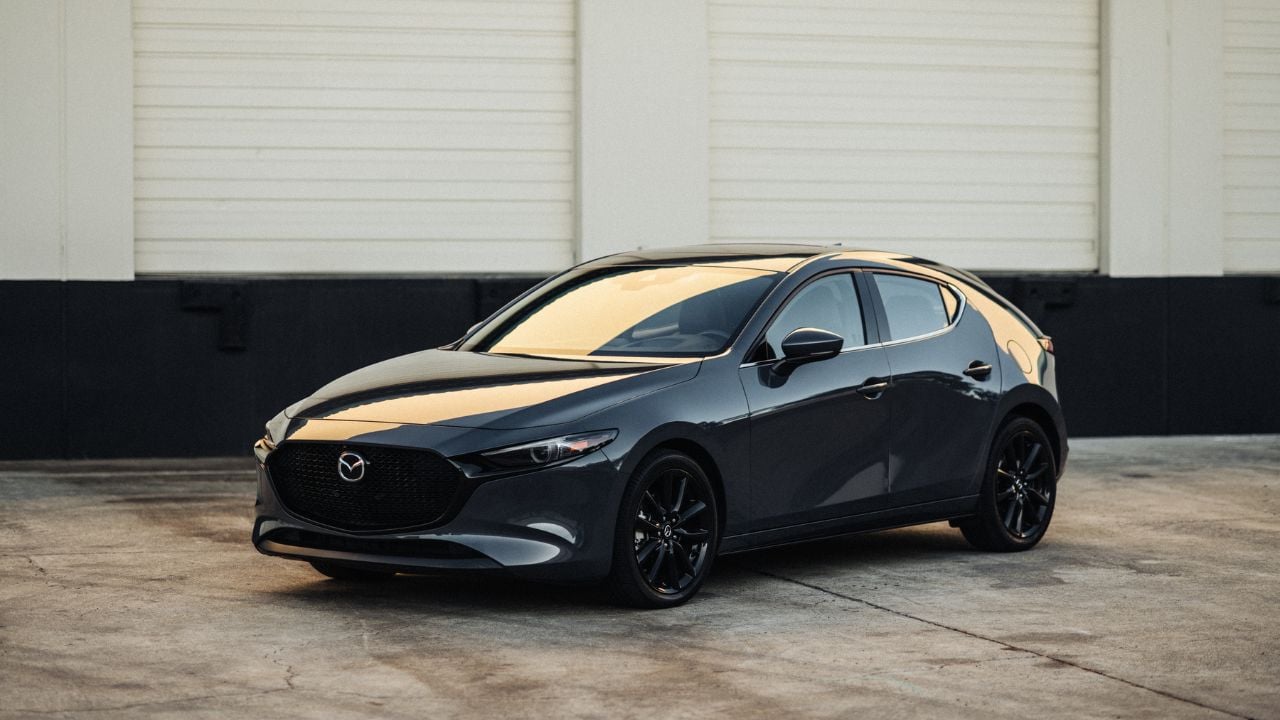
For those who still believe driving can be enjoyable even when you’re being financially sensible, the Mazda3 is your car.
Starting around $24,550, it delivers a premium feel that rivals luxury brands in terms of interior quality and driving dynamics. The fuel economy is solid at around 30 mpg combined, and the available turbocharged engine proves you can have fun without destroying your budget at the pump.
What sets the Mazda3 apart is the attention to detail, sound insulation that makes the cabin genuinely quiet, materials that look and feel expensive, and design that ages gracefully rather than dating itself. Mazda’s reliability has become excellent while maintaining their reputation for building cars that actually feel like they were designed by people who enjoy driving. The depreciation is slower than most competitors because enthusiasts seek these out on the used market, recognizing the value.
Insurance costs are reasonable since it doesn’t have the boy-racer reputation despite being genuinely enjoyable to drive.
2026 Toyota RAV4 Hybrid
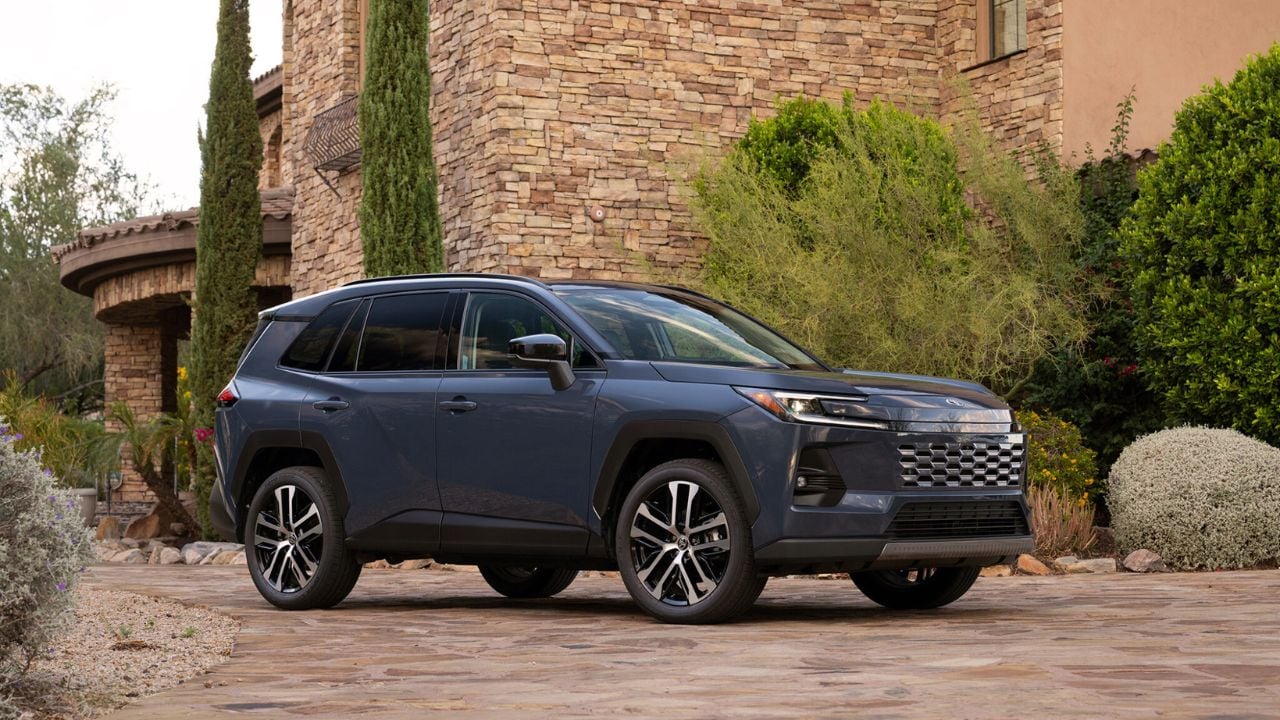
Toyota basically prints money with the RAV4 Hybrid, and for good reason, it’s a vehicle that checks nearly every practical box.
Starting in the low $30,000s, you get a compact SUV that can be rated up to about 44 mpg combined depending on trim and drivetrain, which is the kind of fuel economy that was science fiction for vehicles this size a decade ago. The resale value is typically strong, and RAV4 models tend to hold their value well compared with many rivals.
Toyota’s hybrid system has a long real world track record, and many owners run them to high mileage with routine maintenance. The practicality is outstanding with enough space for families, camping gear, or whatever suburban adventures you’re planning. Maintenance is straightforward and affordable because every mechanic knows Toyotas, though honestly, you won’t be visiting them much beyond oil changes.
The driving experience is comfortable if not particularly exciting, but that’s exactly what most people actually need in their daily transportation.
2026 Nissan Sentra
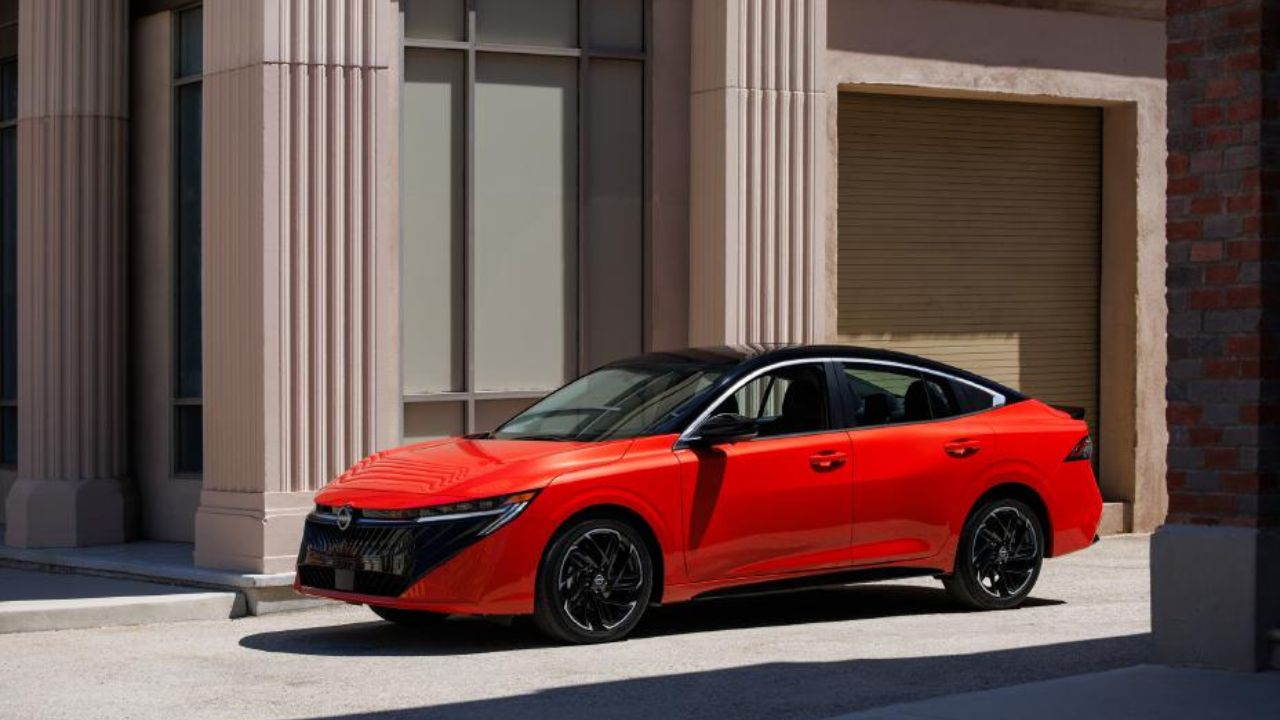
Sometimes the best financial decision is simply buying the least expensive new car that doesn’t feel like a punishment to drive.
The Sentra starts at about $22,600 and delivers a surprisingly refined experience for that money, with a cabin that doesn’t feel as budget-focused as the price suggests. Fuel economy sits comfortably in the low 30s combined, and the straightforward naturally aspirated engine means fewer complicated systems to maintain.
Nissan’s CVT transmissions have improved significantly from their problematic predecessors, though you’ll want to stay on top of fluid changes to keep things running smoothly. The warranty is solid at 3 years/36,000 miles bumper-to-bumper and 5 years/60,000 miles on the powertrain, which is industry standard but respectable. Insurance costs are typically low because the Sentra flies under the radar of both thieves and speed demons.
While it won’t inspire passionate devotion, it’ll reliably get you where you need to go without draining your bank account in the process.
2026 Honda Accord Hybrid
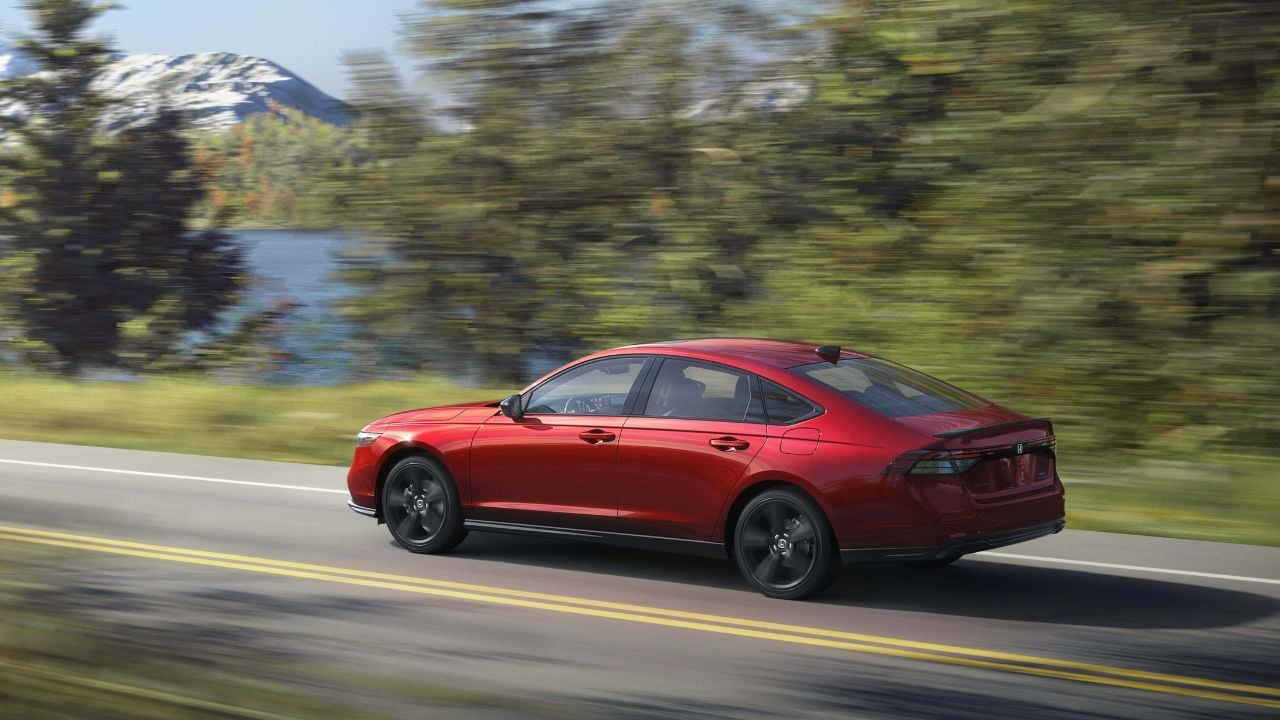
The Accord Hybrid represents the sweet spot between practicality and sophistication, starting at about $33,795 for a midsize sedan that feels genuinely upscale.
This isn’t just about the fuel economy, though that’s certainly a headline number: the Accord Hybrid is rated as high as 48 mpg combined in its most efficient configuration. Honda’s hybrid system is smooth and refined, feeling more like a premium powertrain than an economy measure. The depreciation curve is favorable because the Accord’s reputation for reliability means it’s perpetually in demand on the used market.
Maintenance costs stay low thanks to Honda’s engineering philosophy of making things serviceable rather than disposable. The interior space is genuinely impressive, with enough room for adults in the back seat and a trunk that’ll swallow your luggage without complaint.
It drives with a sophistication that reminds you why the Accord has been America’s default midsize sedan for decades, it simply does everything well without asking for special accommodations.
2026 Subaru Crosstrek
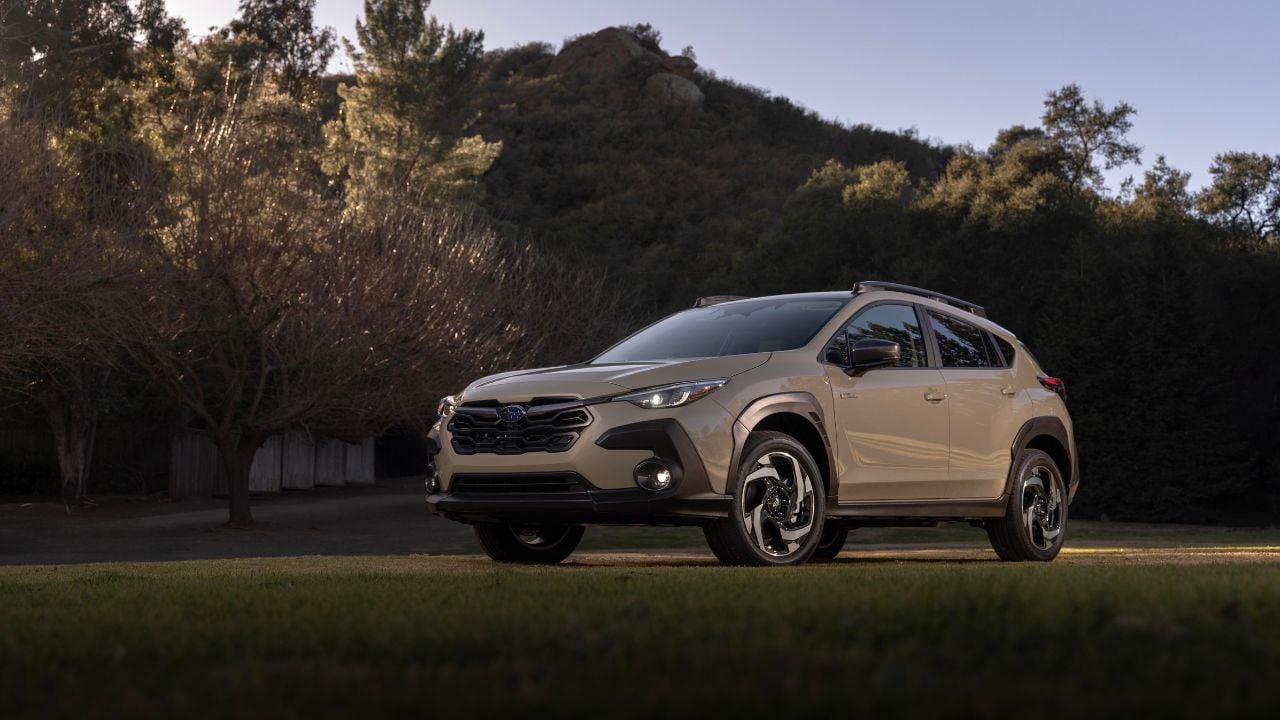
The Crosstrek has carved out a niche as the go-to vehicle for people who want capability without the bulk and cost of a full-size SUV.
Starting around $26,995, it delivers standard all wheel drive and enough ground clearance to handle everything from snow covered driveways to forest service roads. EPA combined fuel economy is about 29 mpg for the gas Crosstrek, and about 36 mpg combined for the Crosstrek Hybrid.
Subaru’s resale values are exceptional, these things hold their value so well that buying used sometimes feels pointless. The maintenance costs are reasonable, and Subaru’s reputation for reliability means you can actually trust it to get you home from the middle of nowhere. Insurance rates tend to be favorable due to excellent safety ratings and a owner demographic that doesn’t typically engage in automotive shenanigans.
While it’s not particularly quick or luxurious, it delivers honest capability and reliability that translates directly into low total cost of ownership.
Conclusion
The beautiful irony of buying a financially sensible car in 2026 is that you’re not actually sacrificing as much as you might think. These vehicles prove that smart money decisions don’t require you to give up comfort, technology, or even a bit of driving enjoyment. What they share is a formula of strong fuel economy, reliable engineering, reasonable maintenance costs, and depreciation curves that won’t make you cry when you eventually trade in.
The brands that have figured this out, Honda, Toyota, Mazda, Subaru, and the rapidly improving Koreans, have earned their reputations through decades of building vehicles that simply work. Your future self, the one with a healthier bank account and a car that still runs perfectly, will thank you for choosing substance over flash and long-term value over short-term excitement.