

A tragic story that shook the California Highway Patrol recently underscored the risks law enforcement officers face every day on the road.
CHP Officer Miguel Cano, 34, lost his life after his patrol car crashed into a tree in West Los Angeles while transporting a DUI suspect.
The circumstances surrounding the crash have drawn national attention, blending the worlds of law enforcement, emergency medical response, and high-stakes vehicle safety.
A Life-Saving Act Turns Tragic
The incident occurred in July when Cano and a fellow officer responded to a DUI arrest. During the arrest, Cano believed the suspect might have been experiencing an opioid overdose.
Acting quickly, he administered Narcan, a nasal spray designed to reverse the effects of opioids such as fentanyl and heroin. This action may have saved the suspect’s life, but it also highlights the dangerous situations officers often encounter, even during routine traffic stops.
Shortly after administering the Narcan, Cano reportedly told his partner that he did not feel well. Moments later, his patrol car veered off the road and collided with a tree. Emergency responders arrived on the scene quickly, but Cano was in critical condition.

He was transported to UCLA Medical Center, where he was pronounced dead. The crash also involved his partner and the DUI suspect, both of whom survived.
Investigators later determined that Cano had a lethal amount of fentanyl in his system. While the source of the fentanyl remains under investigation, authorities confirmed that casual contact with the substance does not generally cause overdose, leaving many questions unanswered.
The official cause of death was ruled an accident, and the incident has sparked conversations about the dangers officers face when responding to situations involving potent opioids.
This story is back on the spotlight because, eight months after Cano’s the tragic death, the L.A County medical examiner just ruled his death a fentanyl-related accident. The circumstances of his death raise many questions.
Fentanyl’s Deadly Potency
Those questions are really important because fentanyl is surrounded by a lot of misunderstanding. The short version is that it takes an extremely small amount to cause an overdose if it actually enters the body, but casual contact with the drug usually cannot cause that kind of poisoning.

Fentanyl is a synthetic opioid about 50 to 100 times stronger than morphine. Because it is so powerful, the amount needed to cause a fatal overdose can be tiny.
Experts often cite about 2 milligrams as a potentially lethal dose for an average adult who has little or no opioid tolerance. That is roughly the size of a few grains of salt or about the weight of a mosquito.
When fentanyl is ingested, injected, inhaled, or absorbed through mucous membranes, it can quickly slow breathing and heart rate. The drug works by binding to opioid receptors in the brain that control pain and respiration. When too many receptors are activated, breathing can slow to the point that the brain and organs stop receiving enough oxygen.
Symptoms of opioid toxicity can include:
- Severe drowsiness
- Confusion or disorientation
- Slowed or stopped breathing
- Loss of consciousness
These effects can appear within minutes depending on the route of exposure.
Touching Does Not Always Cause Overdose

And this is why Cano’s death stumped experts. Despite how potent fentanyl is, simply touching it with bare skin is very unlikely to cause poisoning. Research shows fentanyl is not absorbed through intact skin in dangerous amounts during brief contact.
Medical fentanyl patches exist that deliver the drug through the skin, but those patches are specially designed and still take 12 to 16 hours of continuous contact to deliver a therapeutic dose.
Because of this, toxicologists say accidental overdoses among police or first responders from simple contact with powder are extremely unlikely. For a harmful amount to enter the body accidentally, scenarios would usually involve something like:
- Inhaling airborne powder
- Getting fentanyl into the nose, mouth, or eyes
- Accidentally ingesting it after touching contaminated surfaces
- Injection or intentional consumption
In most real-world situations, touching a bag of fentanyl and then washing your hands would not expose someone to enough of the drug to cause an overdose.
Cano’s Case is Unusual
In the case of Miguel Cano, the Los Angeles County medical examiner ruled that his death was caused by the effects of fentanyl, but investigators could not determine how or when the drug entered his system.
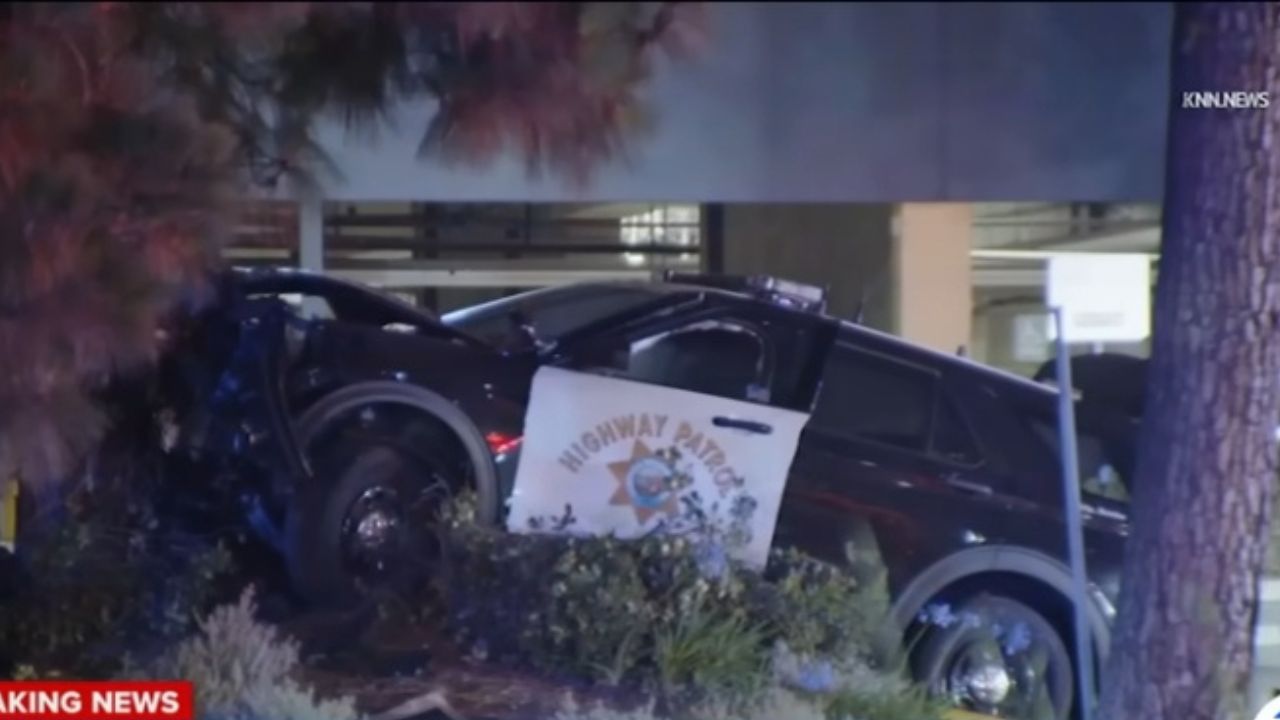
That uncertainty is why the case has raised so many questions. Cano had administered Narcan to a suspect he believed was overdosing before later telling his partner he felt ill while driving. Shortly afterward, the patrol vehicle left the road and struck a tree.
Authorities have not confirmed any specific exposure route. It remains possible that the drug entered the body through inhalation, accidental ingestion, or another mechanism that investigators have not yet identified.
It’s another reminder that fentanyl is extremely potent, and even a few milligrams can be fatal if it enters the body. But the science is clear that brief skin contact alone is very unlikely to cause an overdose.
That is why toxicologists emphasize protective gloves, masks, and careful handling when law enforcement encounters suspected opioids. Those precautions are meant to prevent inhalation or ingestion rather than simple touch.
The CHP patrol car that was involved in the crash is a tool for public safety and law enforcement, engineered to withstand high-speed pursuits and emergency maneuvers.
Yet even the most carefully designed vehicles cannot fully protect officers in unpredictable scenarios, including medical emergencies that occur while driving. Cano’s death is a sobering reminder of the risks faced by law enforcement officers, and those risks aren’t always external threats on the road. They can also come in the form of sudden medical crises.
Note: This article contains embedded video. Embedded media may not display on all platforms. The video is available on our website here.