The American muscle car era produced some of the most iconic performance vehicles ever built, defined by bold styling, large-displacement V8 engines, and an unapologetic focus on straight-line speed. These cars symbolized affordable power, allowing everyday buyers to experience performance once reserved for race tracks and exotic machinery. From the mid-1960s through the early 1970s, Detroit manufacturers competed fiercely, pushing horsepower figures higher and styling more aggressive with each passing year.
However, not every muscle car delivered on the promise implied by its nameplate, marketing, or reputation. Some models arrived at the wrong moment, just as emissions regulations, rising insurance costs, and increased curb weights began eroding performance. Others were compromised by engineering decisions, detuned engines, or option packages that diluted their potential. In several cases, expectations were set by earlier versions that later models simply could not match.
This article looks beyond nostalgia and collector value to examine muscle cars that fell short of what enthusiasts hoped for when they were new. These were not necessarily bad cars, but they failed to meet the high standards established by the muscle car movement itself. Understanding where they missed the mark helps paint a more honest picture of an era often remembered only for its highlights.
1970 Plymouth Superbird (Street Version)
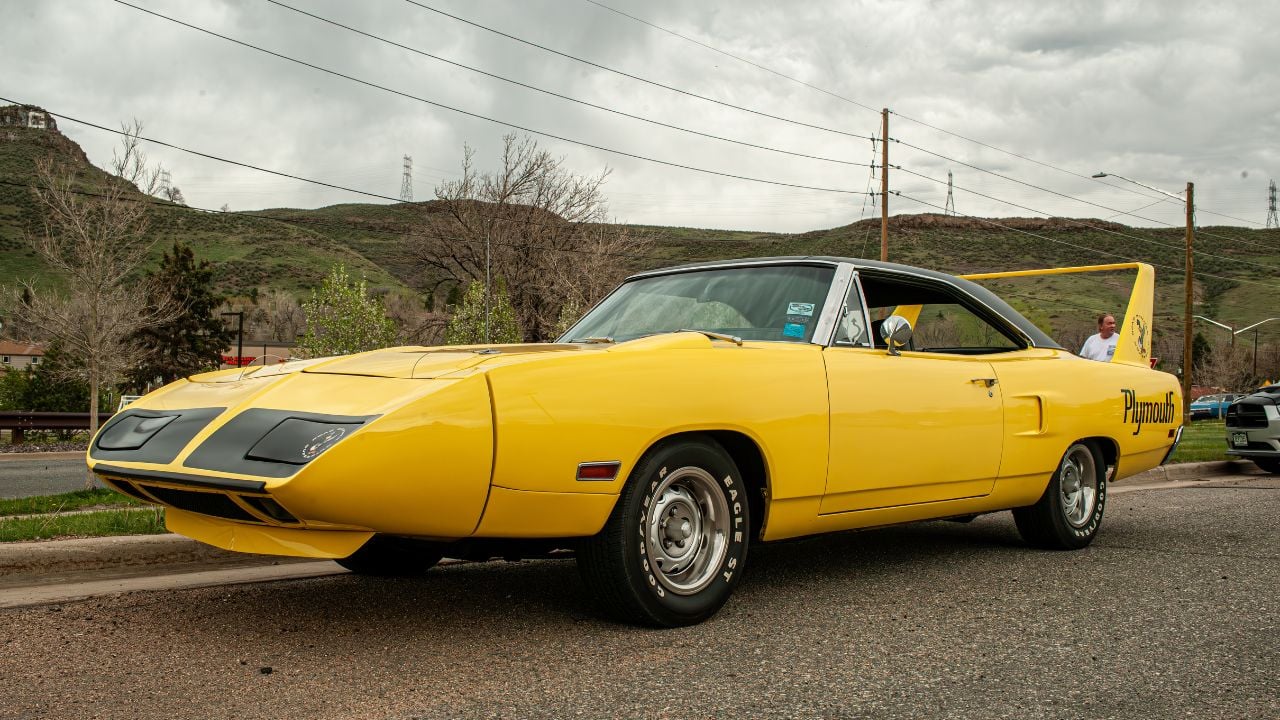
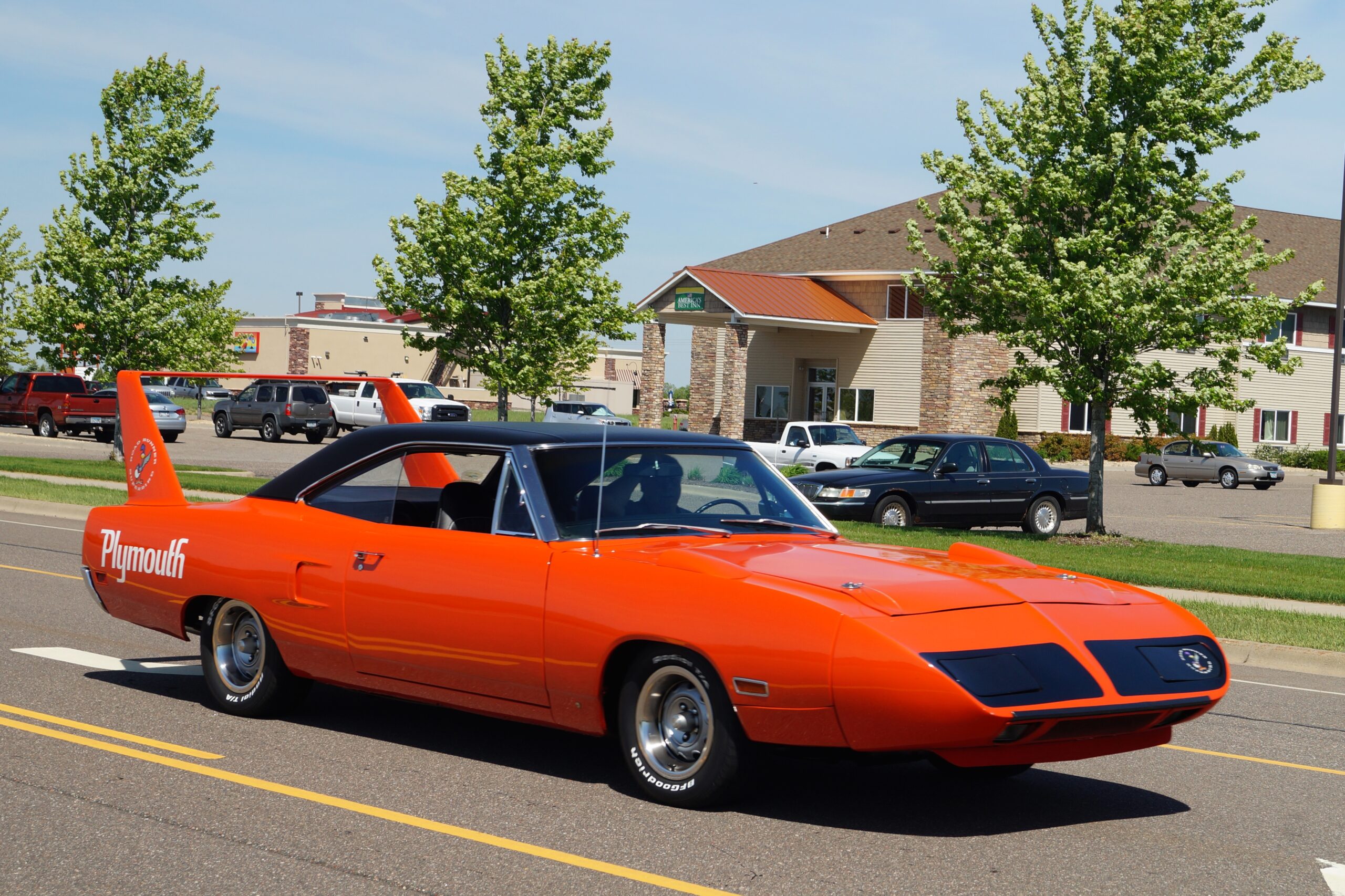
The winged warrior that dominated NASCAR became something of a handful on public roads. While the Superbird’s aerodynamic nose cone and massive rear wing helped Richard Petty rack up wins on the superspeedway, street versions felt compromised.
The nose made parking a geometric puzzle, and that towering wing blocked rearview visibility while adding weight. Most buyers discovered that the standard 440 V8, while potent, didn’t feel dramatically faster than a regular Road Runner that cost considerably less. The street Superbird was still quick, posting mid-14-second quarter-mile times, but many enthusiasts found the wild styling delivered more attention than actual performance advantage.
Dealers struggled to move them initially, even offering to remove the aero equipment for reluctant buyers.
1971 Ford Torino Cobra
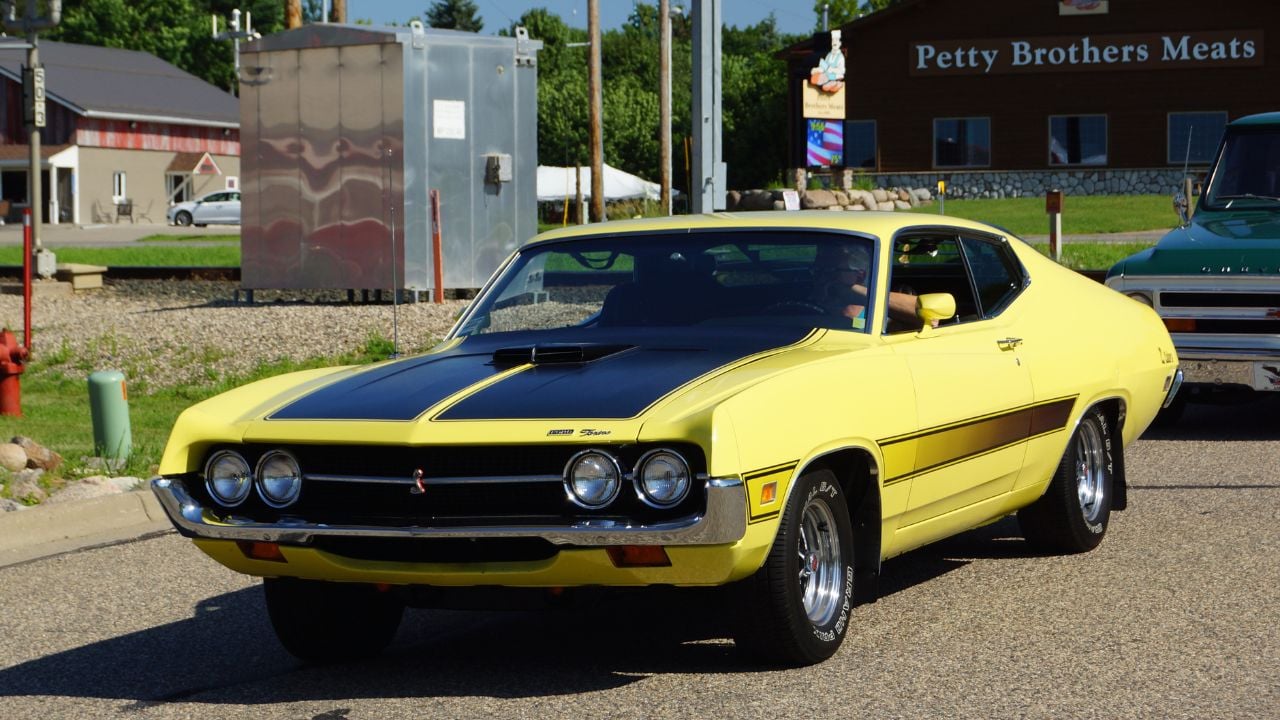
Ford’s decision to replace the legendary Torino Cobra with a significantly heavier redesign for 1971 puzzled performance fans. The new body added several hundred pounds but the 429 Cobra Jet engine was still available.
What had been a legitimate 13-second car the previous year now struggled to break into the 14s. The styling was divisive too, with a fastback roofline that looked bloated compared to the aggressive 1970 design. Ford’s engineers focused more on luxury and ride comfort than outright performance, which wasn’t what Cobra buyers wanted.
The car still had straight-line capability, but it felt like watching an aging athlete who’d put on too much weight in the off-season.
1972 Oldsmobile Cutlass 442

The 442 nameplate had earned a reputation for balanced, big-engine performance throughout the 1960s, but by 1972 it no longer meant what it once had. In fact, the change was structural as much as mechanical. The 442 was no longer a standalone model at all, reverting instead to an option package (W-29) on the Cutlass and Cutlass Supreme — a quiet but telling sign of how far the muscle car formula had retreated.
Performance followed the same trajectory. The standard 442 engine was now a 350 cubic-inch V8 rated at just 180 net horsepower, a shadow of the 455-powered bruisers from only a few years earlier. Even stepping up to the optional 455 V8 delivered 300 net horsepower, hobbled by low compression ratios and early emissions controls. A limited number of W-30 cars were built, and while often quoted at higher gross figures, they still fell well short of the performance expectations the badge had once set.
Quarter-mile times slipped into the high-15-second range — respectable for 1972, but deeply underwhelming compared to what the 442 name had represented at its peak. To Oldsmobile’s credit, the chassis remained well tuned, and the car was still competent and comfortable to drive. But buyers expecting tire-smoking acceleration and effortless dominance simply weren’t going to find it anymore.
It wasn’t a bad car. It was a muscle car wearing a legendary nameplate at a moment when the era that created that legend was already coming apart.
1970 AMC Rebel Machine
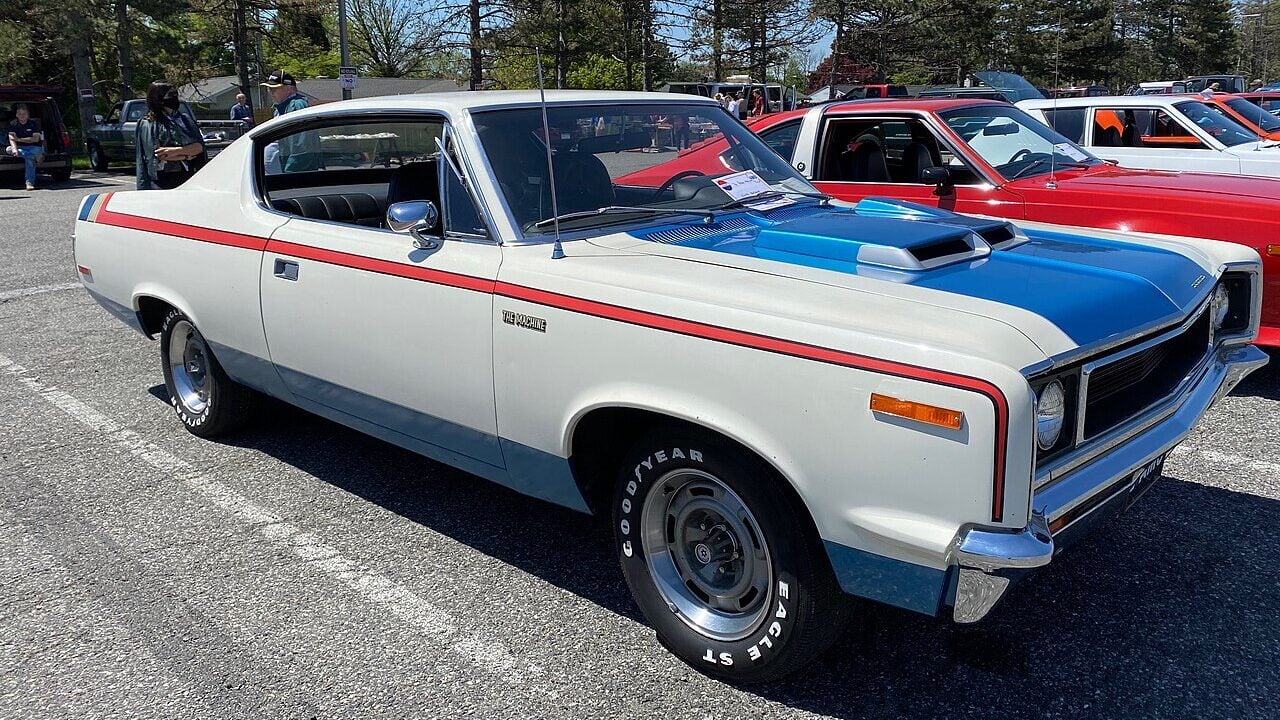
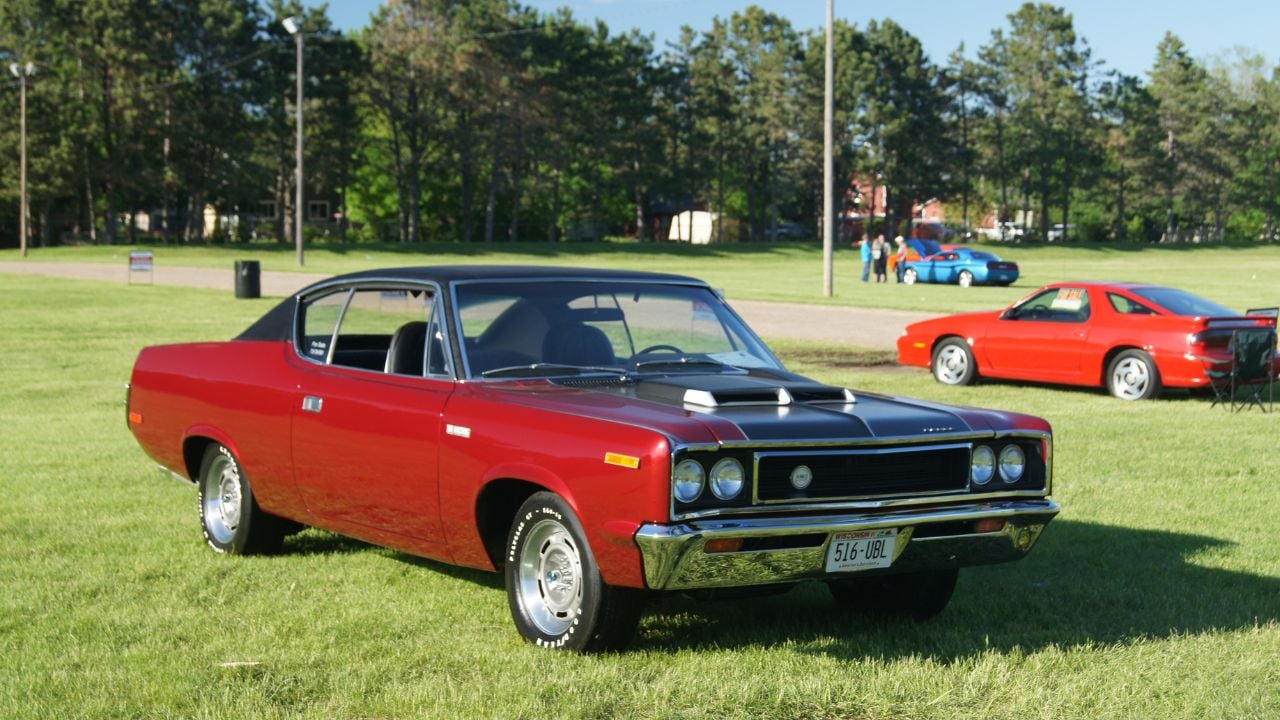
American Motors threw everything it had at the muscle car market with the Rebel Machine, complete with a patriotic red, white, and blue paint scheme and a 390 cubic-inch V8 rated at 340 horsepower.
The problem was execution. AMC moved quickly, and it showed in the details. The Rebel Machine struggled to put its power down effectively, with pronounced wheelspin and wheel hop under hard acceleration. The front suspension and overall chassis tuning lacked the polish needed to manage the engine’s torque confidently, especially compared to the best efforts from the Big Three. Meanwhile, the three-speed automatic transmission was geared so aggressively that highway cruising often became a noisy, high-rpm affair.
Straight-line performance itself wasn’t the issue. Quarter-mile times in the low 14-second range were respectable for the era. But the car’s rough edges and inconsistent behavior kept it from earning the credibility AMC was chasing. Only 2,326 examples were built in 1970, and the experiment ended after just one year.
The Rebel Machine proved AMC could build a genuinely fast car — just not one refined enough to compete head-to-head with Detroit’s most polished muscle offerings.
1968 Chevrolet Chevelle SS 396

On paper, the Chevelle SS 396 should have been untouchable: a mid-size body wrapped around a big-block V8, aggressive styling, and one of the most famous performance badges of the era. In reality, not every SS 396 delivered the fire-breathing experience buyers expected.
The base L35 version of the 396 made 325 horsepower through a Rochester Quadrajet four-barrel, providing strong torque but less top-end punch than its reputation suggested. When ordered without the hotter L78 engine or performance-oriented gearing, quarter-mile times often landed in the mid-15-second range, respectable, but hardly dominant by late-1960s muscle car standards.
The SS package delivered the look and presence enthusiasts craved, yet many buyers discovered that true performance required careful option selection. As a result, some SS 396 cars felt more like stylish cruisers than the tire-shredding terrors their image promised, mak
1970 – 1972 Buick GSX Stage 1
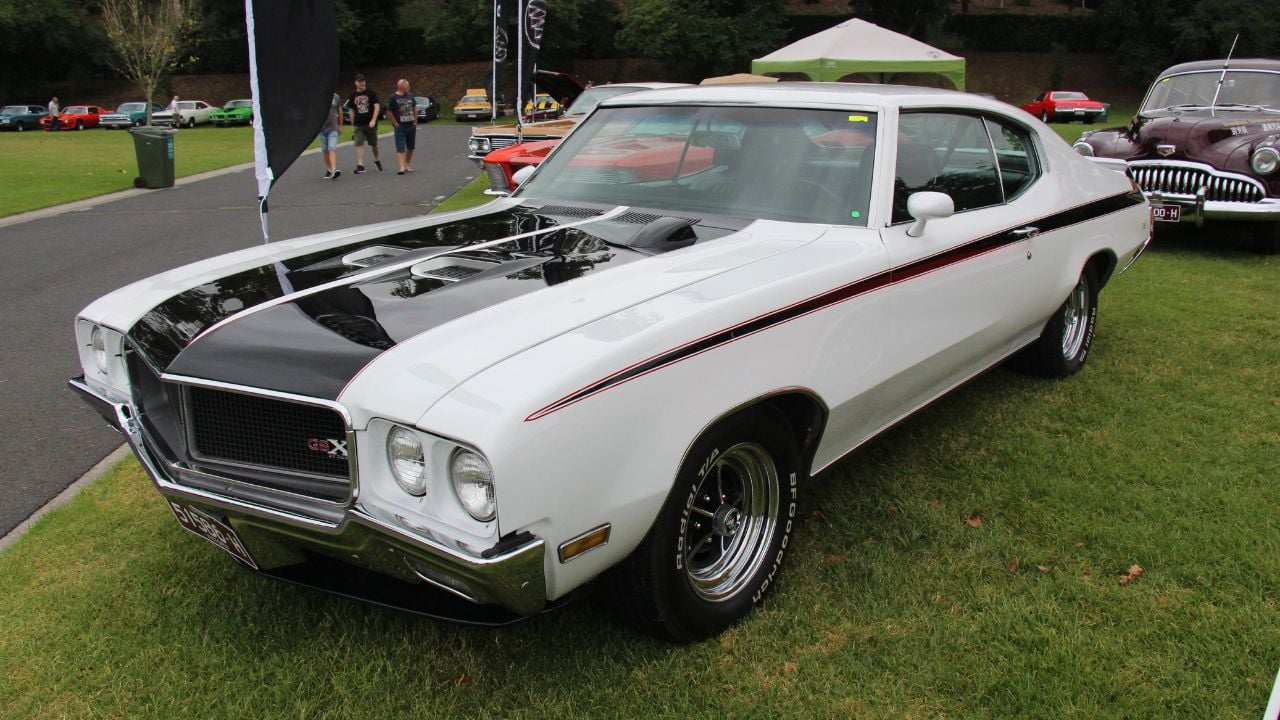
Buick’s GSX Stage 1 represents one of the most frustrating what-could-have-been stories of the muscle car era. When it debuted in 1970, the GSX combined the brutal torque of Buicks 455 Stage 1 V8 with one of the best-balanced chassis packages Detroit had to offer, delivering effortless straight-line speed and surprisingly refined road manners.
The problem was timing. By 1971, rising insurance costs and tightening emissions regulations forced lower compression ratios and reduced advertised output, dulling the edge of what had been a truly dominant street machine just a year earlier. Although the Stage 1 engine remained torque-rich and smooth, quarter-mile performance slipped compared to its earlier reputation, and buyers noticed.
Production dropped sharply, and by 1972, the GSX was nearing the end of its run, with only a small number built before Buick discontinued the package entirely. The GSX Stage 1 didn’t fail because it lacked engineering excellence; it failed because the muscle car era was already collapsing around it.
1969 Ford Torino Talladega
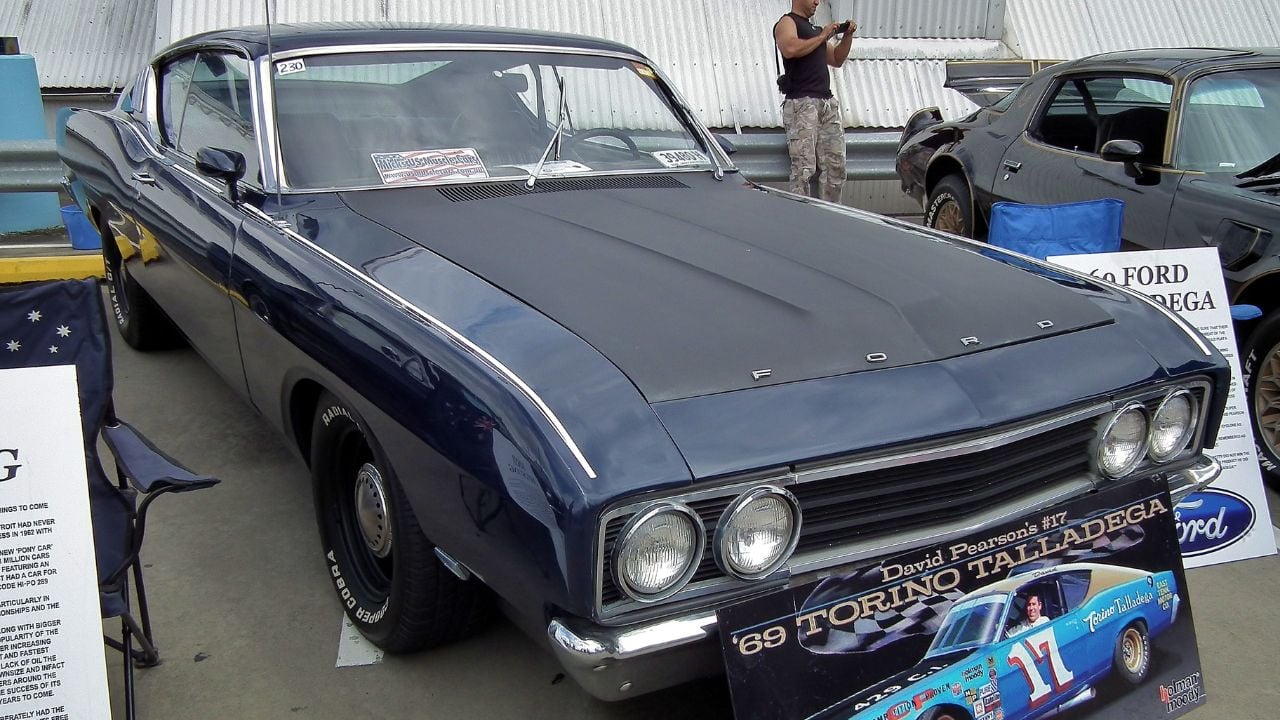
Ford built the Talladega specifically to homologate aerodynamic improvements for NASCAR, but the street version left something to be desired.
The extended nose and flush grille helped Cale Yarborough win races, yet production models came standard with the 335-horsepower 428 Cobra Jet, which was strong but not overwhelming in the Torino’s substantial body. What really disappointed enthusiasts was how little the aerodynamic work mattered at legal speeds. That slippery nose helped enormously at 180 mph on the banking, but during your commute or at the drag strip, it was just a Torino with a weird front end.
Ford only built 743 units, and while they’re valuable collector pieces today, contemporary buyers often felt they’d paid a premium for race car cosplay. The Talladega succeeded at its intended purpose but didn’t translate that success to an exciting street experience.
1971 Plymouth GTX
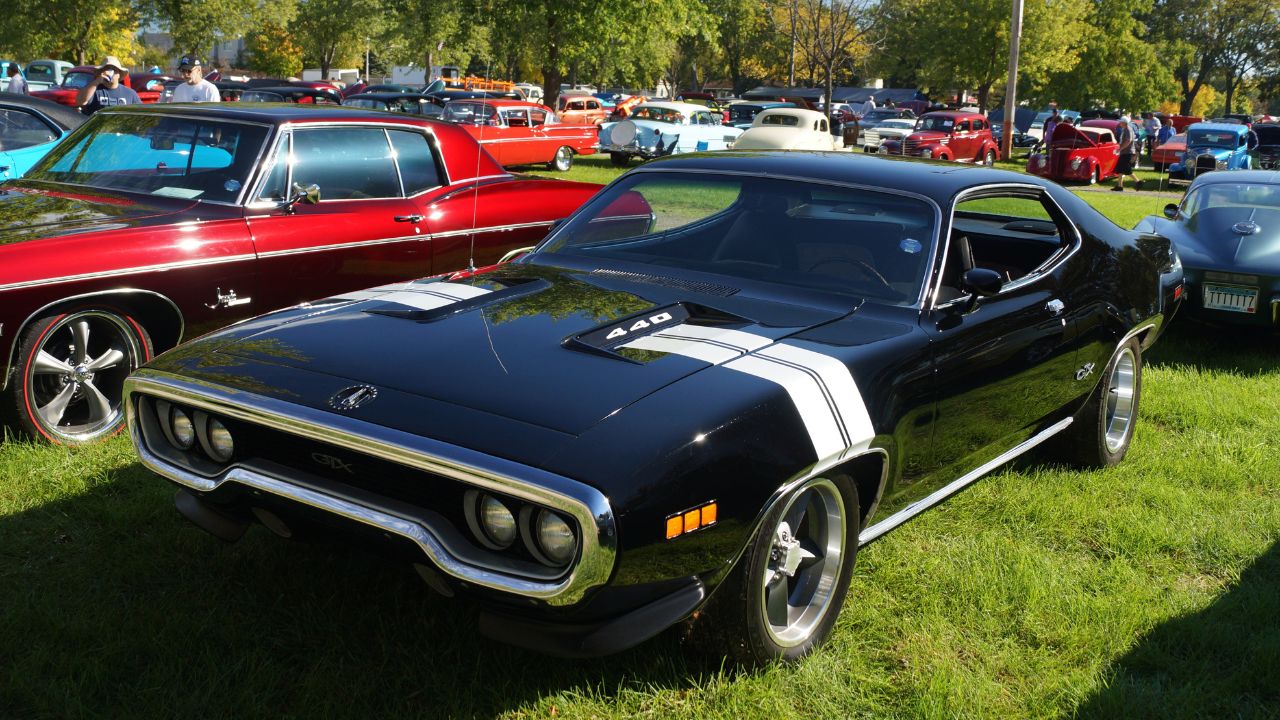
The Plymouth GTX entered the 1970s carrying the weight of a once-dominant reputation, but the 1971 model struggled to live up to its own legend. Redesigned on the heavier fuselage B-body, the GTX gained size and comfort just as emissions regulations and lower compression ratios began cutting into performance.
The standard engine was a 440 V8 rated at 370 gross horsepower in 1970, but by 1971, real-world output and acceleration had slipped noticeably despite similar published numbers. Quarter-mile times that once lived comfortably in the low 14s now hovered closer to the mid-14-second range, making the GTX feel less special compared to cheaper Road Runners with similar performance.
The styling was bold but polarizing, and buyers increasingly questioned why they were paying a premium for a car that no longer clearly outperformed its stablemates. The GTX didn’t fail because it was slow, it failed because it no longer justified its status as Plymouth’s top-tier muscle car.
Conclusion
The muscle cars on this list remind us that even Detroit’s golden era had its challenges and compromises. Some arrived just as emissions regulations began strangling performance, while others represented cost-cutting measures or marketing experiments that didn’t quite land.
A few were genuinely good cars that simply couldn’t match the specific expectations their badging created. What’s interesting is that many of these have become collectible today, valued for their rarity or their place in automotive history, even if they disappointed when new.
The muscle car era taught us that raw horsepower numbers only tell part of the story; execution, timing, and meeting customer expectations matter just as much as what’s printed on the engine’s valve covers.