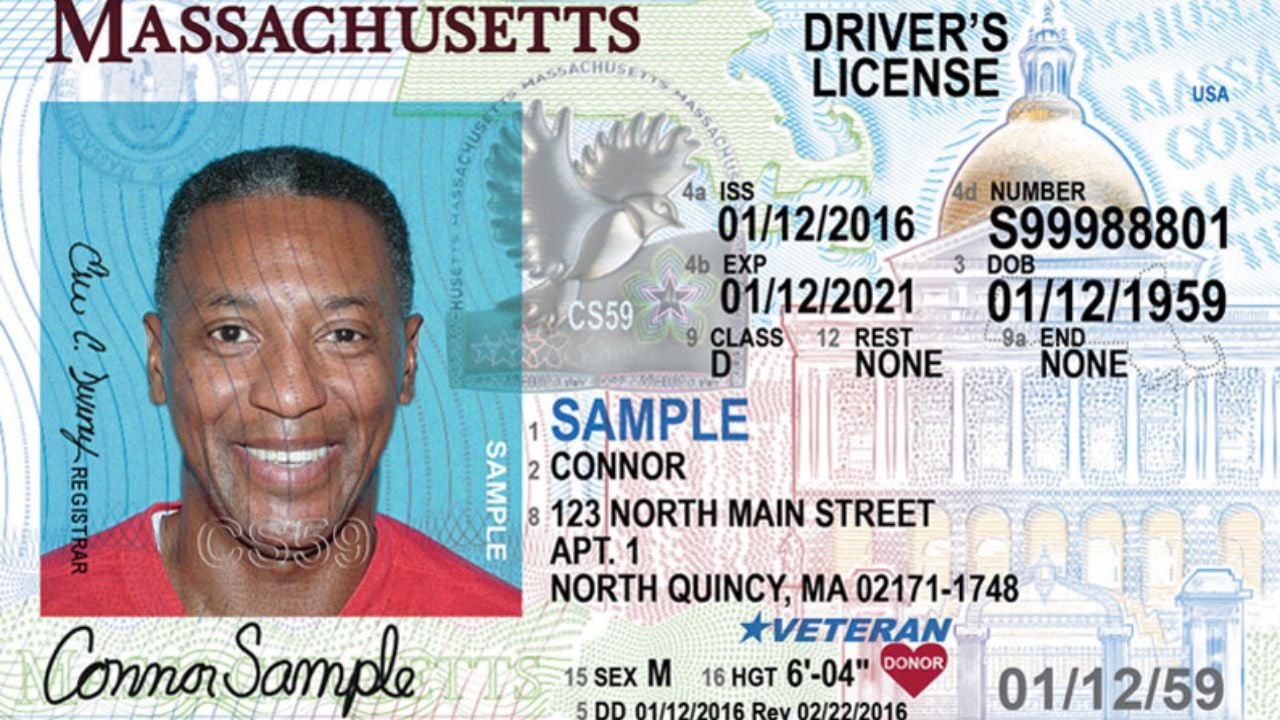

A new frontier in official identification is taking shape across the United States as a growing number of states begin offering mobile driver’s licenses (mDLs) and digital IDs that can be stored on smartphones. The profound shift from plastic cards to digital credentials will speed up everyday identity checks while promising greater security and convenience for users.
Mobile driver’s licenses are digital versions of state-issued driver’s licenses or ID cards that can be added to a secure digital wallet on a smartphone. They function much like mobile credit cards or boarding passes but operate with cryptographic security and authentication tied to the user’s device and biometric login, such as face unlock or fingerprint. Digitizing and “one-taping” drivers licenses should help protect against fraud and identity theft, one of the chief motivations behind the initiative.
What the Mobile License Does and Where It’s Already Active

At present, several states have embraced the technology by allowing residents to add their driver’s licenses to apps like Apple Wallet and, in some cases, Samsung Wallet. These digital credentials can be used for identity verification at places that support the standard, such as airport security checkpoints and for age verification at venues requiring proof of age.
In states like Arizona, Maryland, Colorado, Georgia, Ohio, Hawaii, California, Iowa, New Mexico, Montana, and West Virginia, residents with compatible devices can already store their state-issued driver’s license on their phone and use it at participating TSA security lines and other accepting stations. Puerto Rico also participates.
In Illinois, officials recently announced that residents will soon be able to add their driver’s license or state ID to Apple Wallet. The state has begun the rollout process, including scanning physical ID cards and biometric verification during setup.
How It Works Technically
Mobile driver’s licenses rely on encrypted communication between the phone and the ID reader. When a person presents their digital ID, the system transmits only the necessary information while protecting the rest of the record and ensuring the device holder’s identity through biometric checks. A national framework to standardize these interactions is being developed, including a Public Key Infrastructure (PKI) that ensures interoperability and trust across states and platforms.

The technology works on international standards (ISO/IEC 18013-5 and ISO/IEC 18013-7) that support secure presentation and remote credential checks. These standards are important because they allow businesses, banks, and government agencies to accept mobile IDs with high confidence they are genuine.
Why States Are Moving Toward Mobile IDs
State governments see several potential benefits in issuing mobile driver’s licenses. Officials say mDLs can reduce counterfeiting and fraud, make identity verification faster and more reliable, and cut administrative costs over time by reducing the need to reissue lost or stolen cards. These advantages are bolstered by digital controls that let states update or revoke credentials remotely.
From a user perspective, digital IDs might soon replace physical wallets for many people. As one state official noted, this could enhance travel experiences, speed up interactions at security checkpoints, and reduce the hassles associated with carrying physical documentation.
Challenges: Standards, Adoption, and Equity
Despite the excitement, the rollout is uneven. Not every state allows mobile IDs, and where they do exist, federal acceptance rules vary. For example, the Transportation Security Administration (TSA) will accept a mobile driver’s license at airports only if the issuing state has received a special waiver and the airport has the necessary scanners. Without these conditions, users must still rely on physical REAL ID-compliant cards or passports for federal travel.
Privacy advocates and civil liberties organizations have expressed concerns about digital IDs. A recent report from the American Civil Liberties Union warns that, if not carefully regulated, mobile IDs could contribute to pervasive tracking of individuals by governments or private companies. Other concerns include how data might be stored centrally, how often data is checked, and whether law enforcement could use verification procedures to justify device searches.
Security experts also underscore the need for robust protections against hacking, unauthorized access, and device theft. While encryption and biometric locks reduce these risks, skeptics point out that no digital system is completely immune to compromise.
Now What?
The trend toward mobile driver’s licenses is likely to expand. More states have passed legislation enabling digital IDs or have budgeted for implementation, and many technology partners are building the infrastructure to support broad acceptance. Despite lingering challenges in standardization and privacy protection, digital credentials are seen by many experts as the next step in modernizing how identity is proven in a digital era.
What does it all mean? Everyday routines like airport security lines, bank openings, and age-restricted purchases could soon start with a tap of a smartphone instead of a wallet pulled from a pocket.