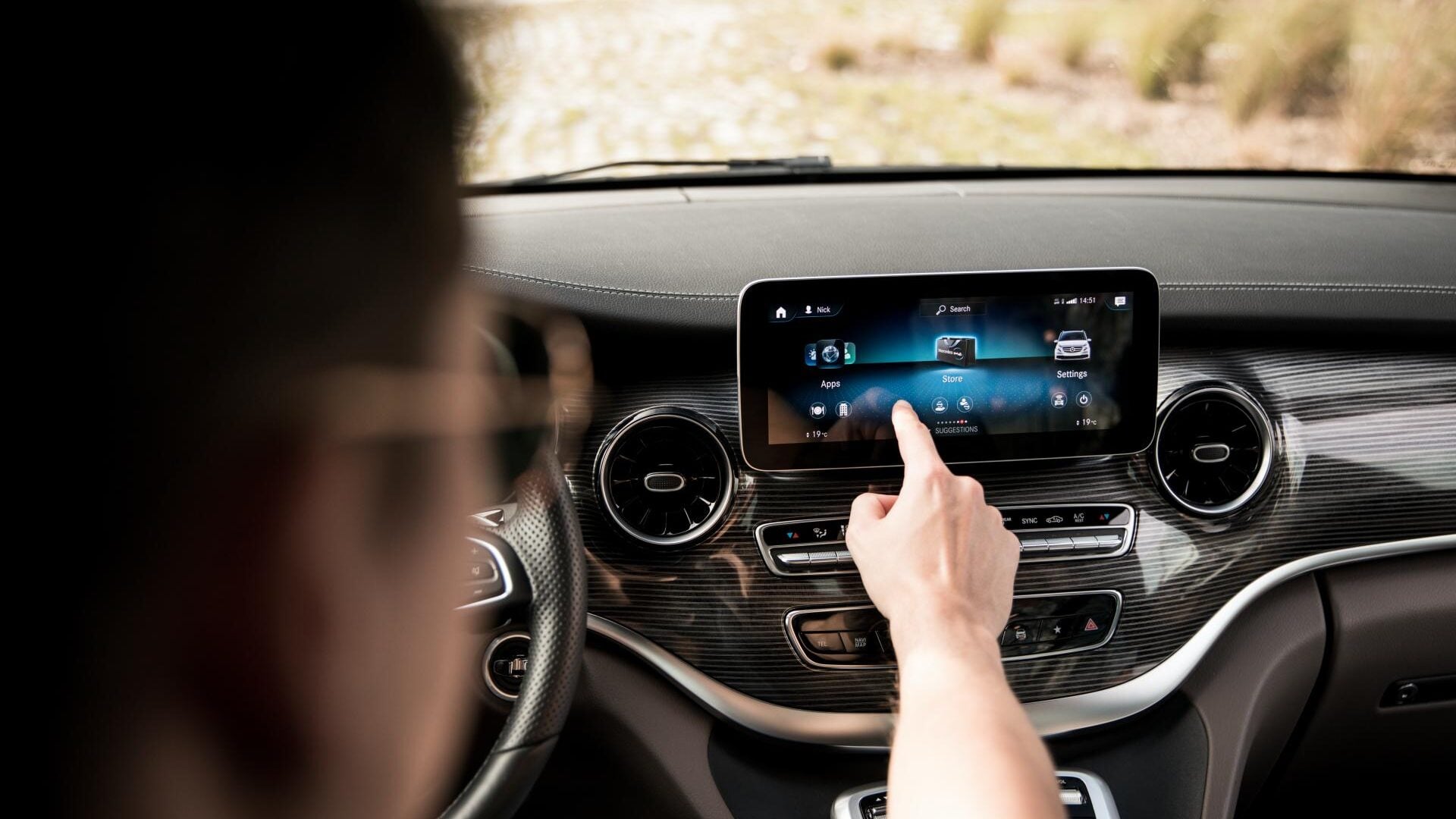
Touchscreens have become nearly impossible to avoid in modern cars, replacing traditional buttons and increasingly taking over essential vehicle functions. What started as a convenient way to control navigation and entertainment is now creating an expensive problem for automakers.
The issue goes well beyond drivers struggling with complicated menus or fingerprints covering glossy displays. When a screen suddenly goes dark, it can take important information and safety features with it.
As reported by the National Highway Traffic Safety Administration, millions of vehicles in the United States were affected by display-related recalls in 2026, involving manufacturers from Ford and Honda to General Motors. The failures range from missing backup camera images to digital instrument clusters shutting down unexpectedly.
With manufacturers continuing to integrate more functions into centralized displays, the potential consequences of software failures are growing. The question is whether the industry’s increasingly screen-dependent interiors are becoming harder to keep reliable.
Millions of Cars Affected by Display Problems
Motor1 identified approximately 30 active display-related recalls affecting around 3.8 million vehicles. Ford accounted for over two million vehicles affected by backup camera image problems, including certain Bronco, Escape, Edge, and Explorer models.
Honda recalled 325,588 vehicles over potentially missing rearview camera images, while GM recalled 276,879 for distorted or blank images. Hyundai, Genesis, and Nissan also faced recalls involving displays that could unexpectedly go dark.
Why a Blank Screen Becomes a Safety Recall
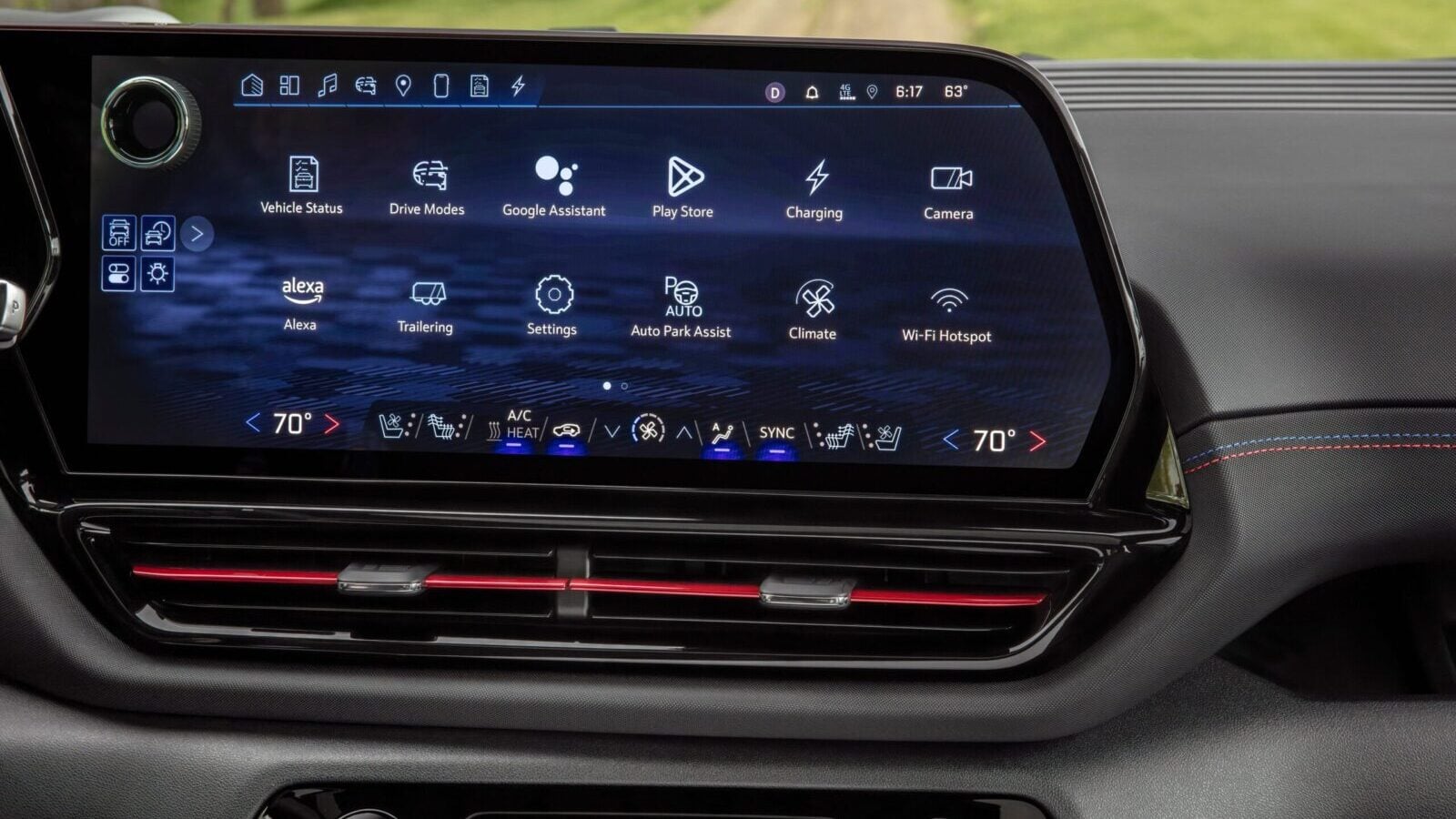
Since May 2018, federal safety regulations have required rear visibility systems on new passenger vehicles sold in America. According to the NHTSA, manufacturers must address safety-related defects even when the underlying problem involves software rather than mechanical hardware.
A malfunctioning infotainment display can therefore become a safety concern if it prevents the driver from seeing the required rearview camera image. In some cases, the camera itself works correctly, but the software responsible for displaying its feed does not.
Owners Have Been Complaining for Years
A Consumer Reports study found that touchscreen-equipped vehicles had grown from 53 percent of U.S. sales in 2014 to 82 percent in 2019. Yet only 56 percent of surveyed owners reported being very satisfied with their infotainment systems.
Owners often complained about distracting interfaces, complex menus, and controls that required too much attention while driving. Consumer Reports also pointed out the advantage of having physical knobs and buttons for common functions that drivers can operate by touch.
More Technology Means More Potential Failures

Over-the-air updates can fix some software-related recalls without requiring owners to visit a dealership. However, connecting cameras, instruments, and other functions through increasingly complex electronic systems also creates opportunities for a single fault to disrupt multiple features.
The real concern isn’t whether a touchscreen is convenient or attractive, but whether drivers can still access essential information when the technology fails.