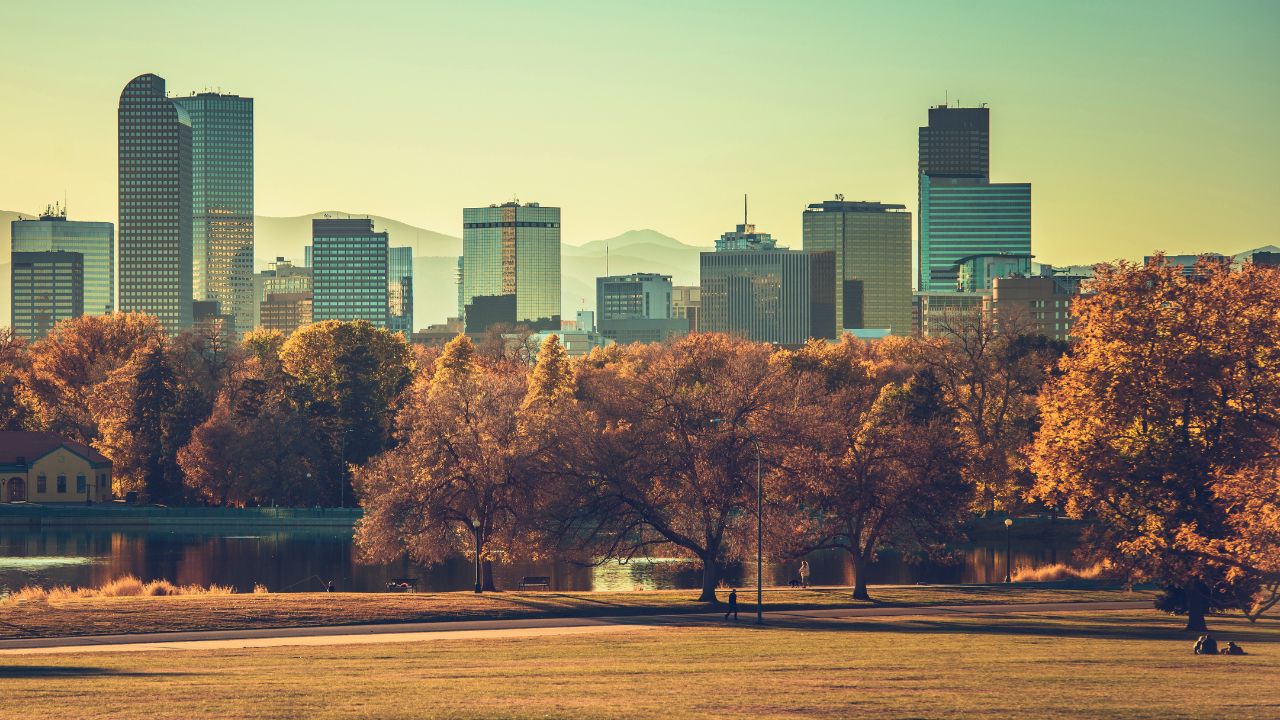
Some destinations hit one huge year and spend the next season trying to explain why the magic slipped away. Denver did the opposite. Visit Denver said the Mile High City welcomed 37.1 million visitors in 2024 and generated $10.3 billion in spending, matching the previous record pace instead of falling back to earth.
That result did not come from one lucky festival, one oversized convention, or a single headline attraction. The official picture shows a durable mix of overnight stays, day trips, leisure demand, heavy airport traffic, and a central core that makes it easy for visitors to get around once they arrive. Put simply, the Colorado capital kept giving travelers fresh reasons to book a ticket and stay awhile.
1. Matching the Peak Is Harder Than Reaching It Once

Any destination can post one flashy surge when pent-up demand, novelty, and timing line up perfectly. Repeating that performance says something deeper about staying power. Visit Denver’s June 2025 release said 2024 held steady with the prior record year, landing again at 37.1 million visitors and $10.3 billion in spending.
The underlying mix makes the scale easier to picture. The same official release says Denver welcomed 19.8 million overnight visitors and 17.3 million day visitors in 2024. That balance matters because it suggests the metro can attract both travelers planning fuller getaways and shorter regional arrivals coming in for a quick urban break.
2. Leisure Demand Reached a Fresh Milestone
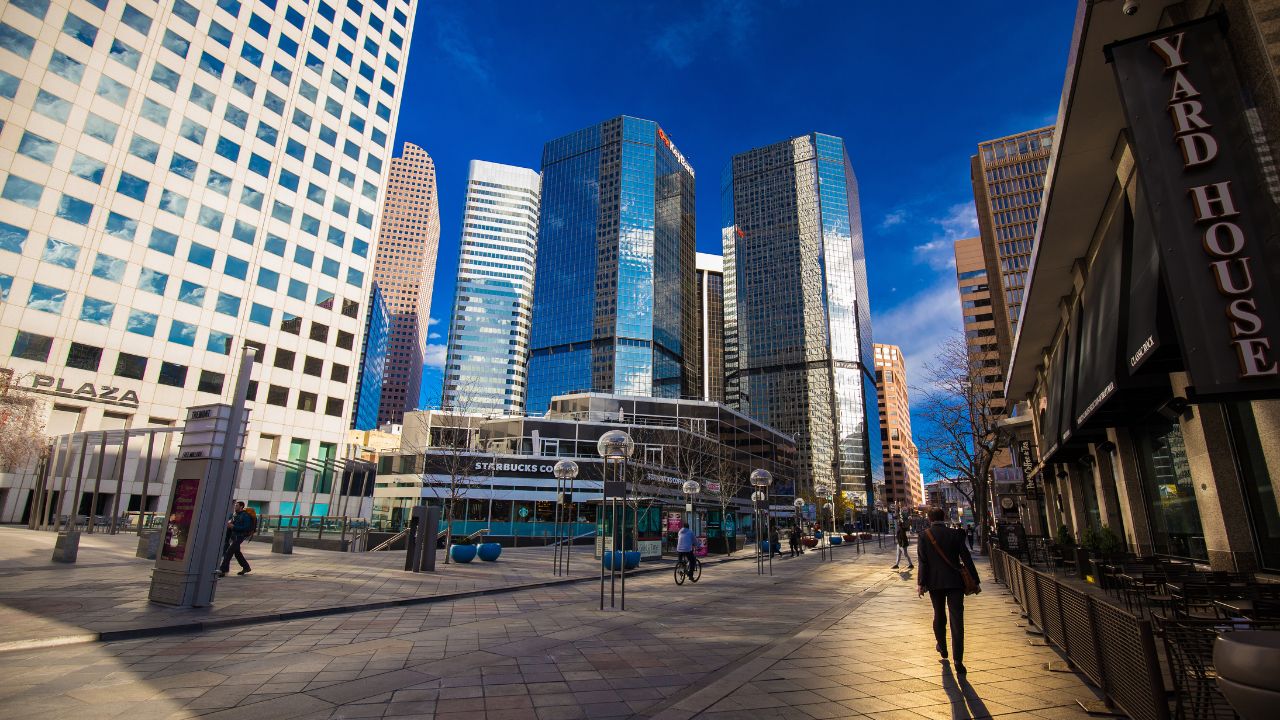
One of the sharpest clues sits inside a smaller number. Visit Denver said marketable leisure visitation rose 14 percent in 2024 to 8.7 million, the highest level ever recorded for that segment. That group matters because these are travelers with real choice, the kind who can pick one city over another and often stay longer once they commit.
Spending patterns reinforce that point. Visit Denver says overnight visitors generated $8.7 billion of the city’s $10.3 billion in 2024 tourism spending, with transportation inside the destination reaching nearly $3 billion, lodging almost $2.5 billion, and restaurant food and beverage nearly $1.5 billion. Those figures suggest a place where visitors do far more than check into a room, snap one skyline photo, and move on.
3. The Airport Kept the Pipeline Flowing

Air service gave the region enormous momentum. Denver International Airport handled 82.36 million passengers in 2024, up 5.8 percent from 2023 and marking the first time the airport crossed 80 million in a full year. The same official release says international traffic topped 4.6 million and set records in all 12 months of the year. For the local visitor economy, that matters because a city is much easier to sell when the front door keeps getting bigger.
The experience on the ground stays unusually convenient for a large hub. RTD says the A Line trip between Denver Union Station and Denver International Airport takes about 37 minutes. For a weekend visitor trying to fit in a museum, a dinner reservation, and a show, that kind of simplicity can be the difference between booking now and putting the trip off.
4. Meetings and Conventions Quietly Did Major Work
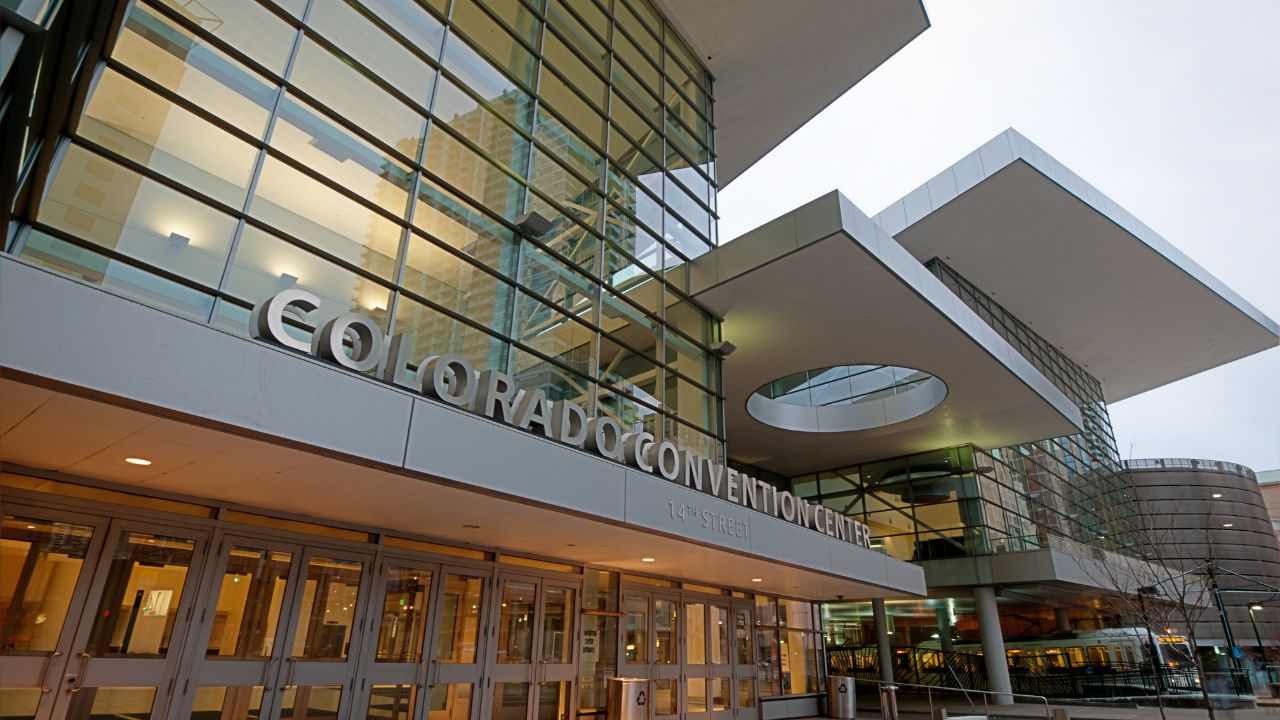
Leisure travel gets the flashier headlines, but the meetings side of the ledger remained substantial in 2024. Visit Denver’s convention statistics show 76 Colorado Convention Center groups generated 222,253 attendees, 415,869 room nights, and more than $529 million in economic impact. Once single-hotel gatherings are added, the annual total reaches 989 groups, 379,277 attendees, 774,500 room nights, and about $845.2 million in impact.
Hotel figures point in the same direction. Visit Denver’s lodging data says 2024 occupancy reached 69.1 percent citywide and 68.0 percent downtown, while the average daily rate held at $181.89 citywide and $205.28 in the central district. That is not the profile of a city coasting on one seasonal burst and hoping people do not notice.
5. Visitors Had a Wide Menu Once They Landed
Strong visitation usually lasts when a destination can fill several kinds of itineraries without forcing people into the same script. Visit Denver highlights 850 miles of paved, off-street biking and walking trails, Confluence Park, and other easy outdoor anchors right in or near the city. The Rocky Mountain Arsenal National Wildlife Refuge adds wildlife and open-space appeal just 10 minutes northeast of downtown, which makes it possible to build a day around murals, patio dining, and big-sky scenery without turning the schedule into a transportation puzzle.
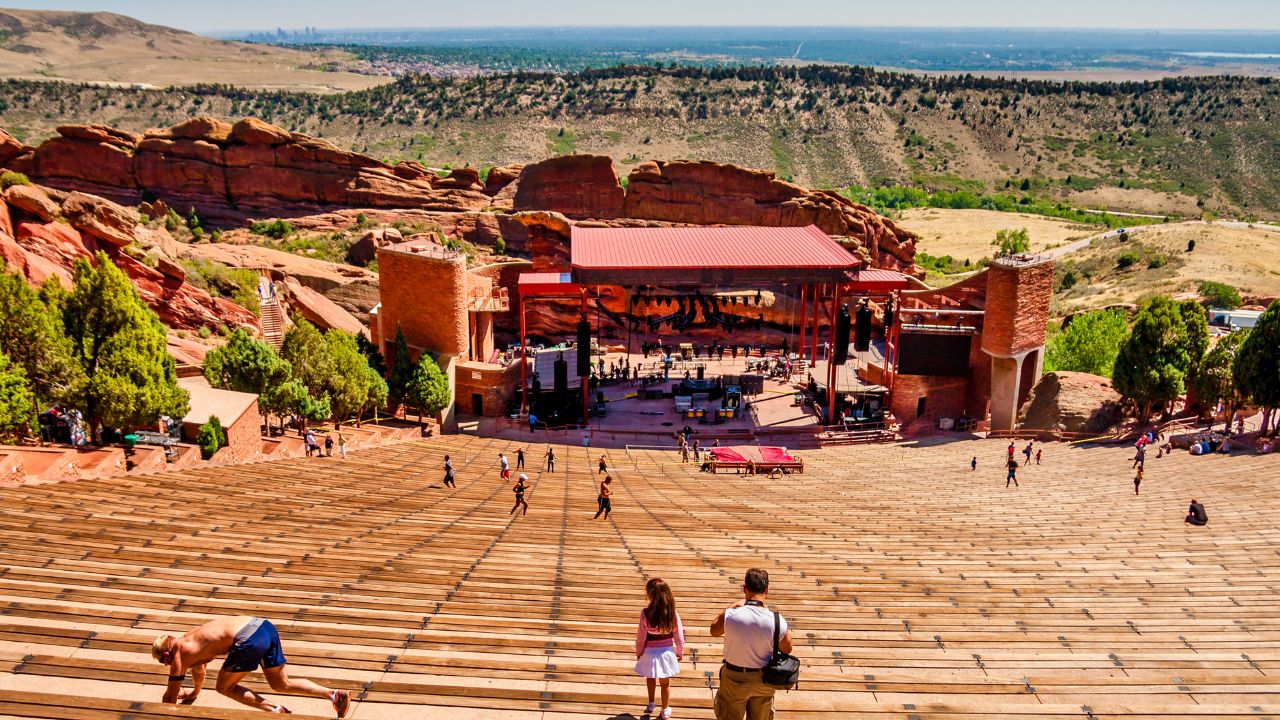
The food and culture side are just as persuasive. Visit Denver says Michelin has recognized more than 30 Denver restaurants in its Colorado-based guide, while the city’s broader arts and attraction pages continue to push museums, neighborhoods, music, and signature stops like Red Rocks. That combination matters because it means visitors can build a trip around food, culture, outdoors, or some mixture of all three without the city feeling like it only knows one trick.
6. The Layout Helps the City Sell Variety Fast
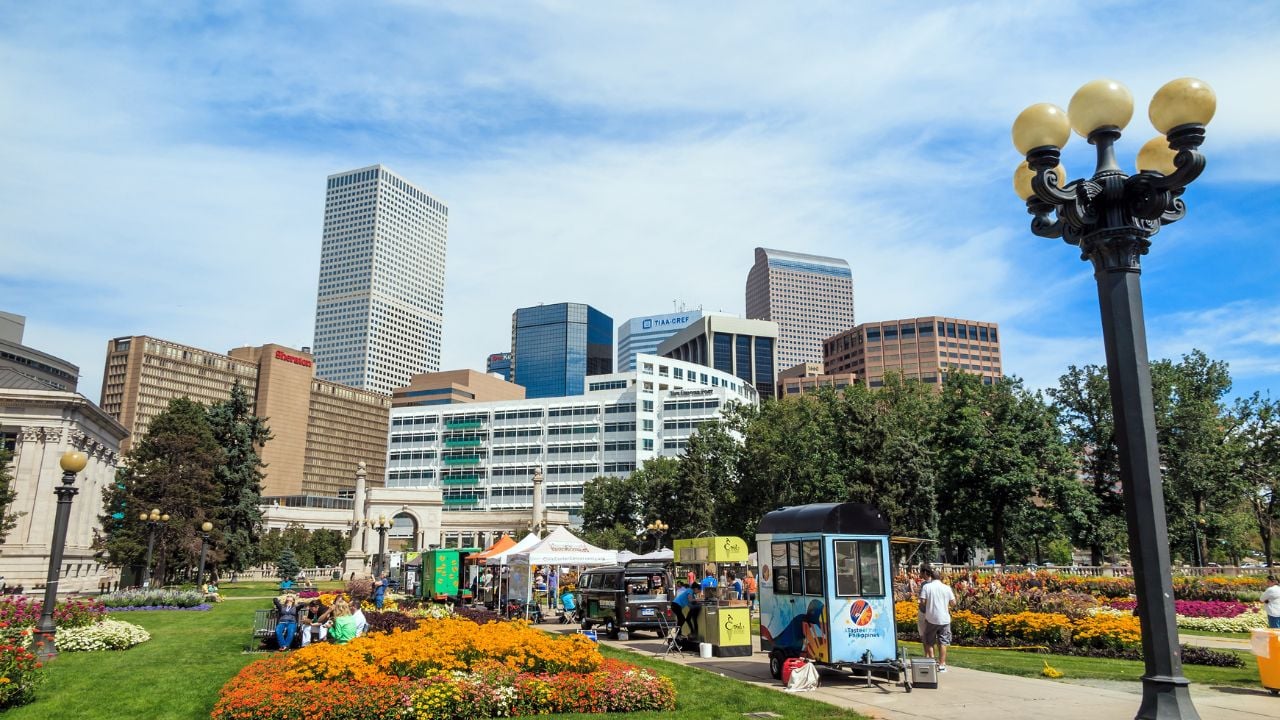
Geography deserves some credit too. Visit Denver says that within a one-mile radius downtown has three major sports stadiums, the nation’s second-largest performing arts center, art and history museums, and more than 13,000 hotel rooms within short walking distance of the Colorado Convention Center. That kind of compact setup makes a place feel generous with options instead of exhausting to navigate.
It also helps explain why the destination works for very different audiences at the same time. A conference attendee can step out for a polished dinner, a family can pair a museum stop with park time, and a concert fan can tack on a brewery or gallery without rebuilding the entire day around traffic. When a city makes choice feel easy, record-level visitation starts to look less like a spike and more like a habit.