A midsize SUV can feel roomy in the showroom and still shrink the first time real life shows up with it. The truth usually arrives on an airport run, a warehouse-store stop, or a family weekend when the luggage, stroller, sports bags, and grocery spillover all need to fit at once.
That is when cargo space stops being a spec-sheet number and starts becoming part of the vehicle’s personality. The best family SUVs do not make every load feel like a puzzle. They take the mess of normal life in stride and leave enough room for the extra thing you forgot you would need.
This is also where the class starts separating faster than brochures suggest. Plenty of midsize SUVs offer respectable room. Fewer offer the kind of space owners actually notice, a useful third row with luggage still behind it, a load floor that feels easy to work with, and enough overall volume that the vehicle stays flexible even when the trip gets complicated.
That is the lane this list follows. Some of these SUVs win with sheer size. Others win by packaging that size more intelligently. Either way, these are the family-oriented midsize SUVs that make daily hauling feel less stressful and a lot more natural.
Where The Roomiest SUVs Pull Away
This is not a list built around one flattering fold-flat measurement and a lot of marketing optimism. It is centered on the SUVs families actually cross-shop when cargo space sits near the top of the priority list, especially the ones that back up their footprint with room you can genuinely use.
Maximum cargo volume matters, but it is not the whole story. The best choices here also keep enough useful space behind the second or third row to handle the sort of loads people deal with all the time, school bags, weekend luggage, coolers, dog crates, and the oddly shaped stuff that never packs as neatly as it should.
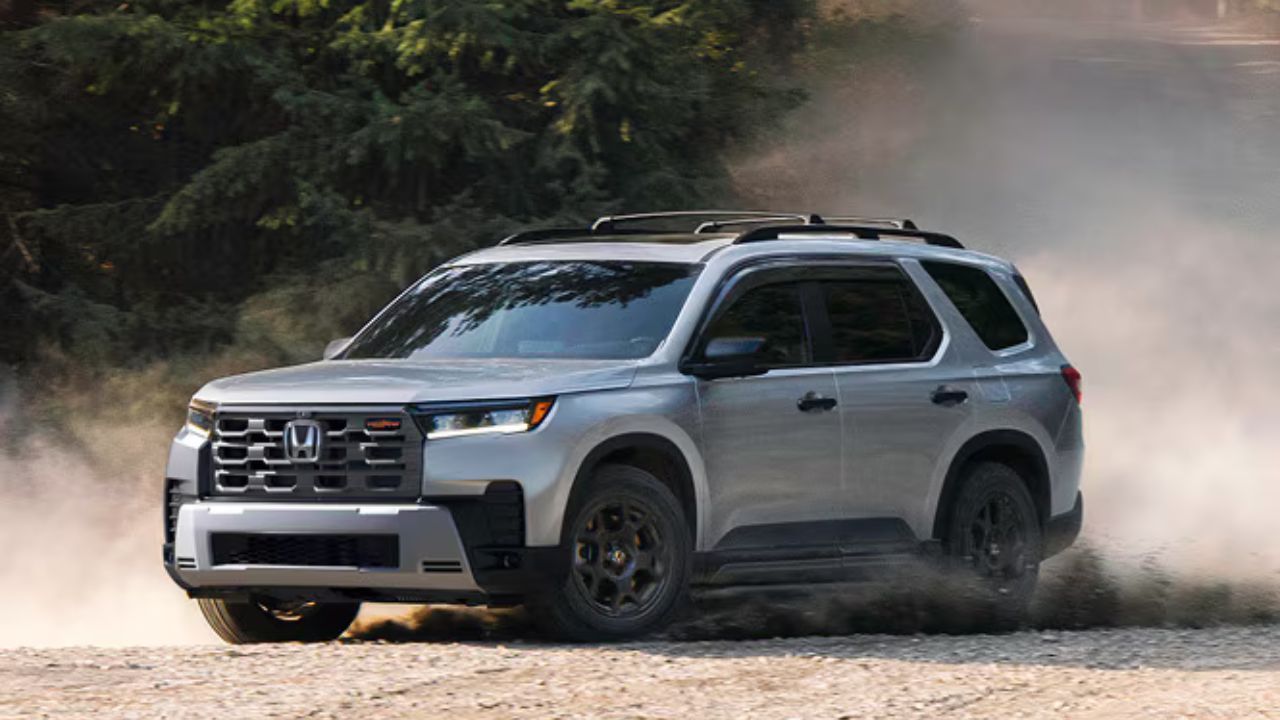
Honda Pilot

The Pilot is the one that immediately resets expectations. Honda’s official specs show as much as 113.7 cubic feet behind the first row, and even behind the third row it can offer up to 22.4 cubic feet depending on trim. Those are not just strong numbers for the class. They are the kind of numbers that change how often a family SUV says yes.
The Pilot also earns extra points for how intelligently it uses that space. The cabin is easy to configure, the second row is genuinely flexible, and the available stowable center seat gives it a practical edge when family duty changes from one trip to the next. If cargo room is the first thing you care about, the Pilot is one of the clearest places to start.
Honda Passport
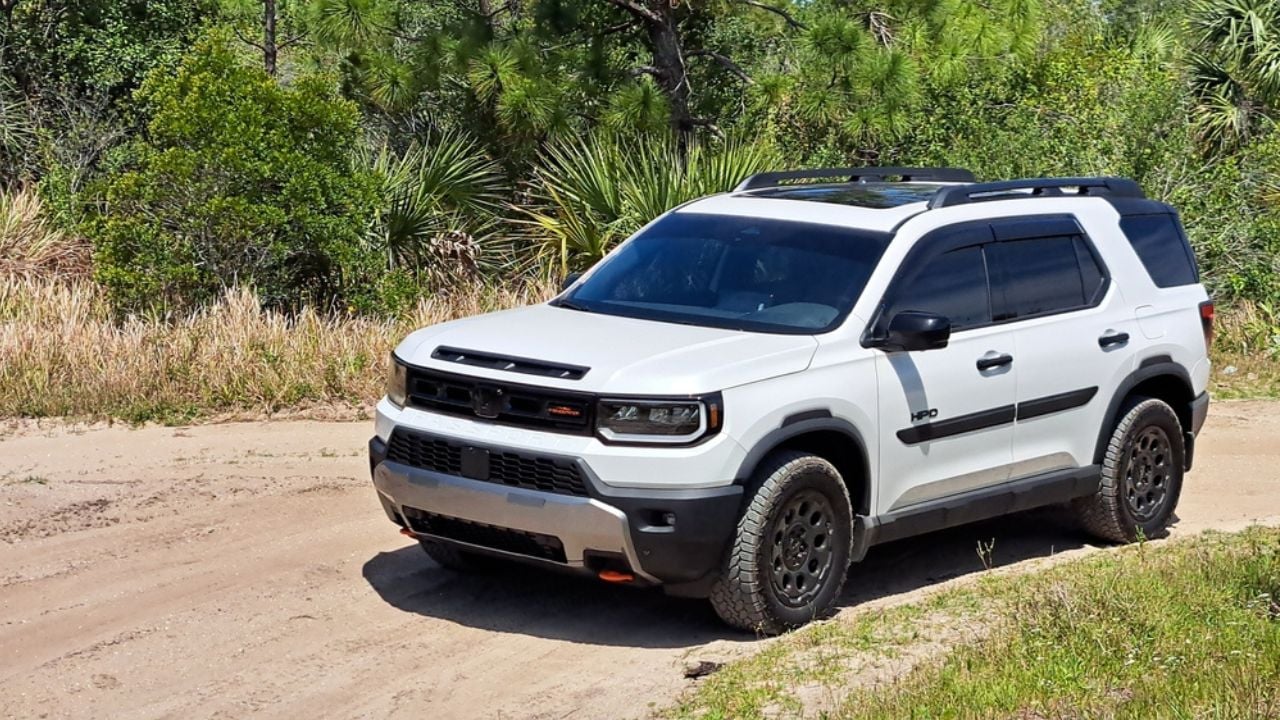
The Passport is what happens when a midsize SUV is freed from third-row duty and allowed to concentrate on being useful. Honda lists up to 104.6 cubic feet behind the front seats and 44.0 cubic feet behind the second row, which gives it more practical cargo capacity than a surprising number of three-row rivals.
That makes the Passport a very smart answer for buyers who care more about bikes, luggage, camping gear, home-improvement runs, and large everyday cargo than they do about squeezing in occasional extra passengers. The shape is square enough to help, the cabin layout stays simple, and the whole vehicle feels built around the idea that space should be easy to access, not merely impressive on paper.
Chevrolet Traverse
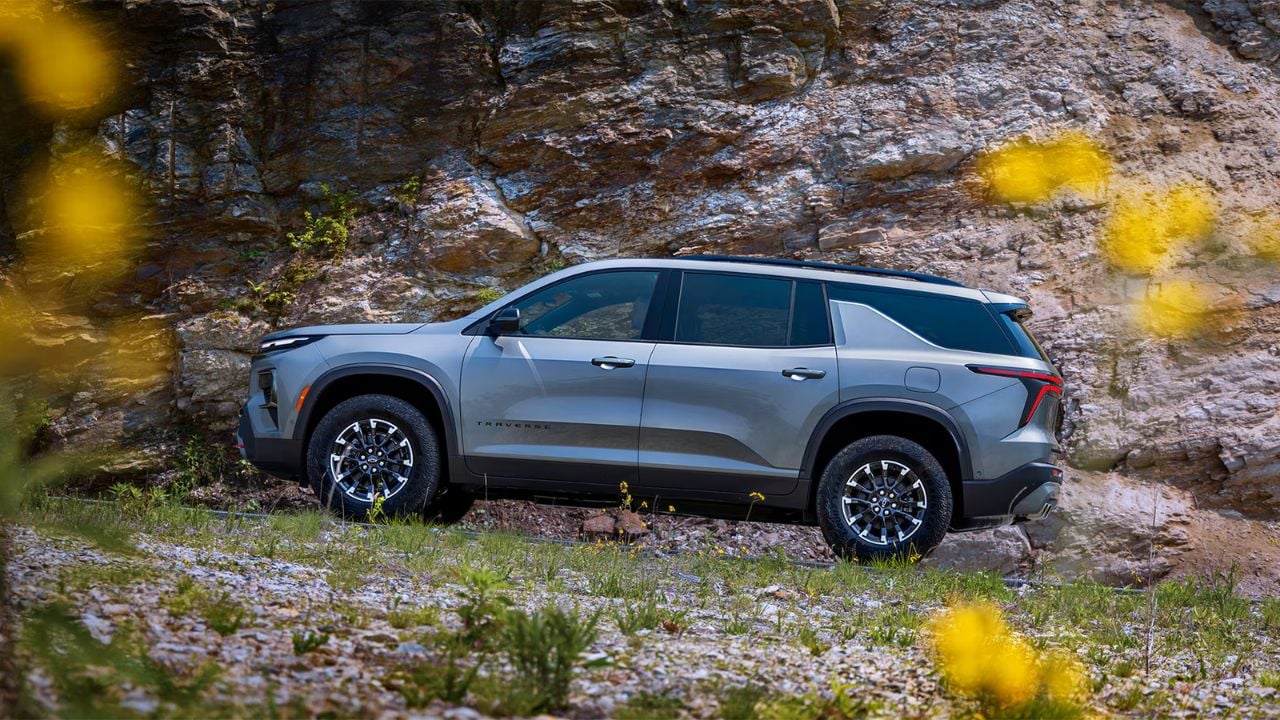
The Traverse has earned its reputation honestly. Chevrolet now lists 98.0 cubic feet behind the first row, 56.6 behind the second, and 22.9 behind the third, which is exactly the kind of spread families hope to see in a three-row SUV. It stays useful in every seating configuration, not just the most flattering one.
That is the real reason the Traverse keeps landing near the top of cargo conversations. A lot of SUVs look roomy only after the rear of the cabin has been folded into a small delivery van. The Traverse still gives families meaningful luggage space with all three rows in play, which is where the difference between a roomy SUV and a genuinely easy one starts to show.
Toyota Grand Highlander

The Grand Highlander exists because Toyota understood a problem many families already knew too well. A lot of three-row midsize SUVs can carry people or luggage comfortably, but not always both at the same time. The Grand Highlander was shaped to be less apologetic about that compromise.
Toyota lists up to 97.5 cubic feet of cargo room with the rear seats folded, and the company says it can still hold seven carry-on suitcases even with the third row in use. That tells you exactly what kind of vehicle this is. It was built for airport runs, vacation packing, and the messy overlap between family seating and family baggage, and it handles that mission better than many rivals that feel tighter in practice.
GMC Acadia
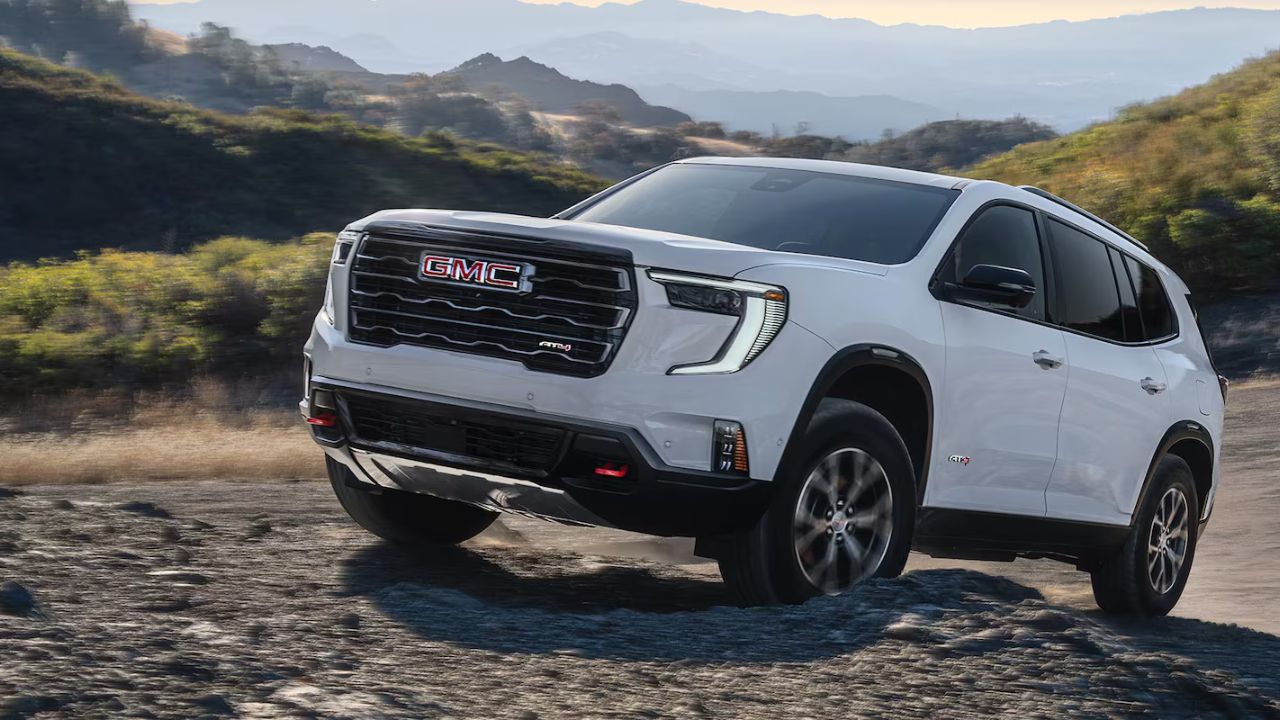
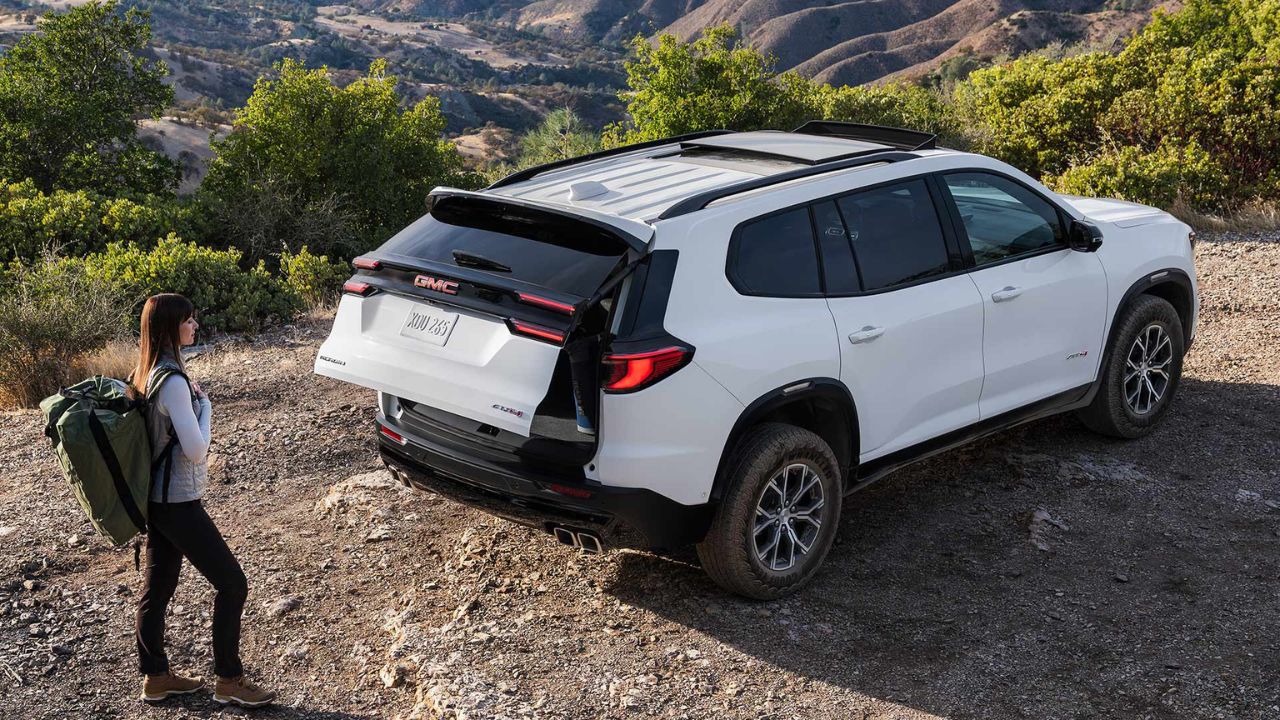
The Acadia deserves more credit than it often gets, because the latest version is meaningfully larger and more useful than the name once suggested. GMC lists 97.5 cubic feet behind the first row and 23.0 behind the third, figures that immediately put it in serious company. More impressive still is the 57.3 cubic feet behind the second row.
That middle number is where the Acadia really makes its case. It means the SUV still has real family-hauling ability even before you flatten the whole cabin. For road trips, sports schedules, and the kind of everyday bulk that builds up around a busy household, that extra space behind the second row is the sort of thing owners notice quickly and appreciate for years.
Buick Enclave

The Enclave shares part of its packaging advantage with the Traverse and Acadia, but it brings a calmer, more comfort-first personality to the same basic discussion. Buick says the Enclave offers up to 97.5 cubic feet behind the front seats, which immediately places it among the biggest cargo performers in this broad family-SUV field.
What separates the Enclave is the mood around that space. It is not trying to look rugged or hard-edged. It is trying to make a large family vehicle feel smooth, quiet, and easygoing. For buyers who want serious room but do not want the vehicle to feel utilitarian every time they climb inside, that is a very appealing combination.
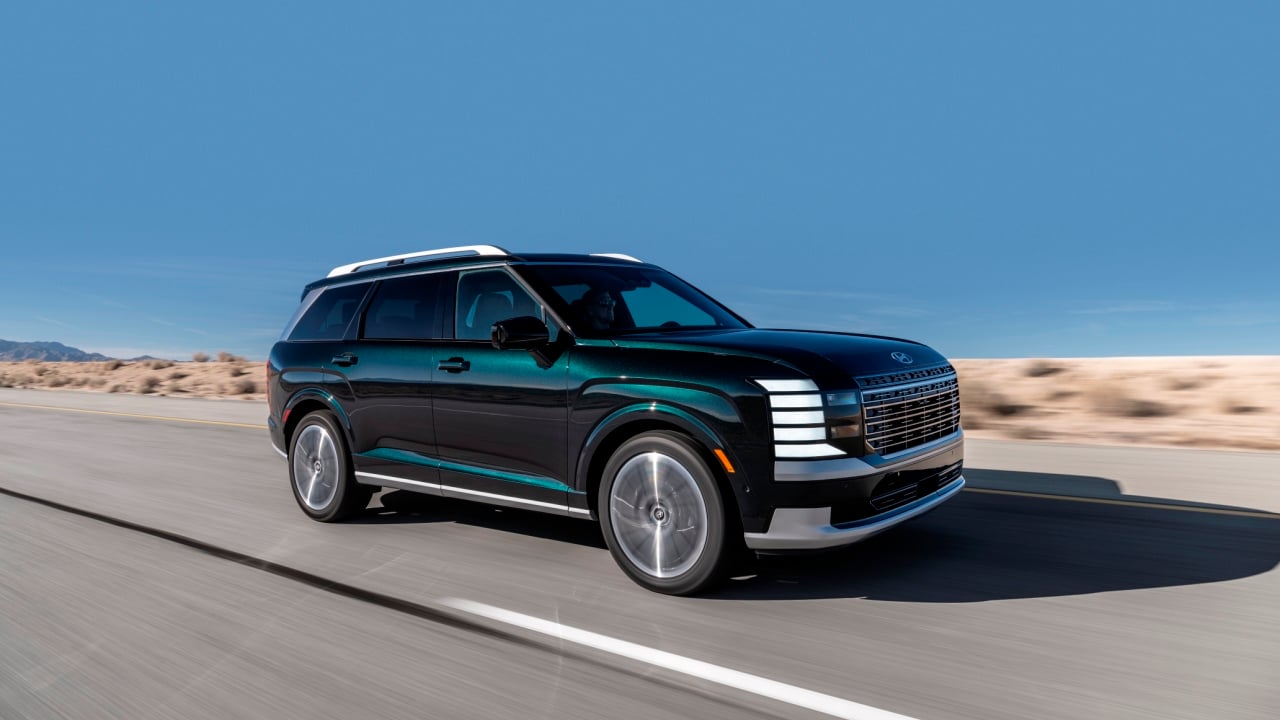
Hyundai Palisade
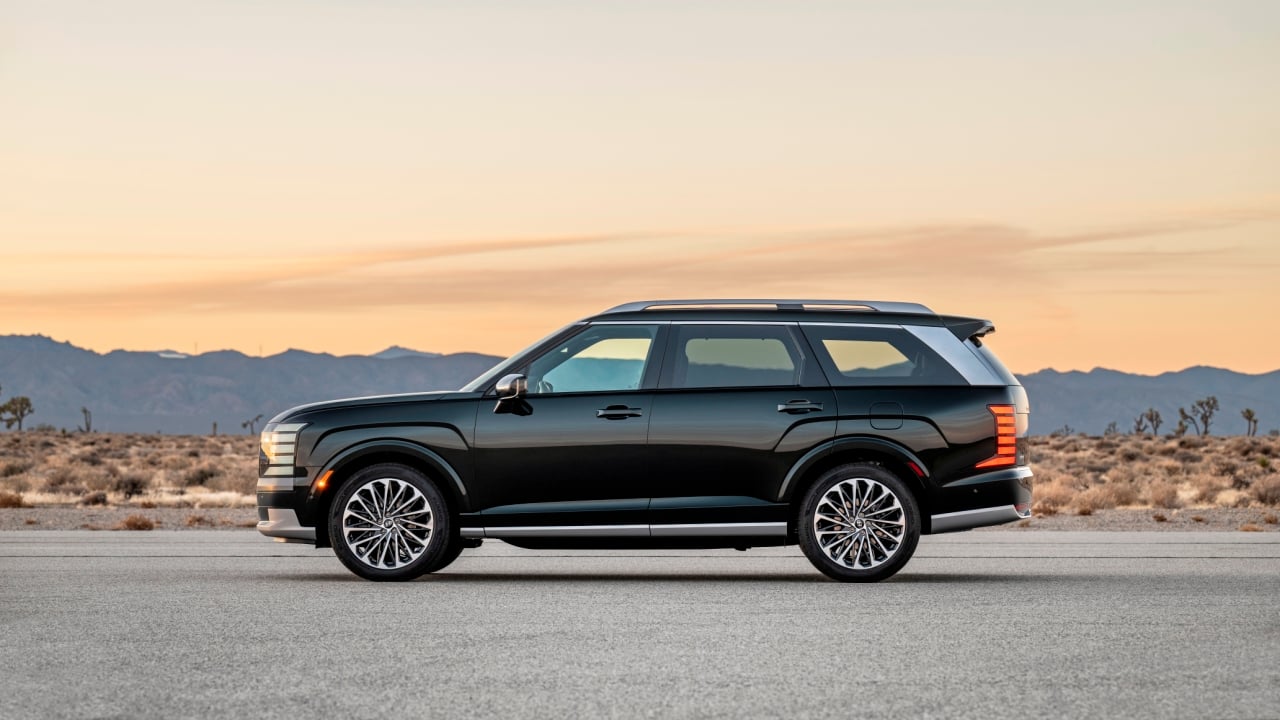
The Palisade does not chase the cargo crown outright, but it still earns a place here because it balances useful room with one of the more polished cabin experiences in the segment. Hyundai lists up to 86.7 cubic feet behind the first row, which is still strong enough to cover the way most families actually use a three-row SUV.
The Palisade’s appeal comes from that balance. It offers enough real space to handle daily family duty comfortably, then layers in the kind of comfort, design, and everyday friendliness that make people like living with it. Not every buyer needs the absolute biggest number in the class. Some need a vehicle that feels roomy enough while doing a lot of other things well, and the Palisade understands that job.
The SUVs That Make Packing Less Annoying
The biggest lesson here is not complicated. Similar footprints do not guarantee similar usefulness. Some midsize family SUVs turn their size into real flexibility. Others simply look the part until a stroller, a cooler, a suitcase set, and a dog crate all arrive at once.
The strongest cargo choices are the ones that lower the stress level of ordinary life. The Pilot and Passport lead with sheer capacity. The Traverse, Grand Highlander, and Acadia stay especially convincing once multiple rows and real luggage enter the conversation. The Enclave and Palisade prove there is still room for comfort and polish inside a practical family shape. When the load gets messy, those differences stop feeling theoretical very quickly.