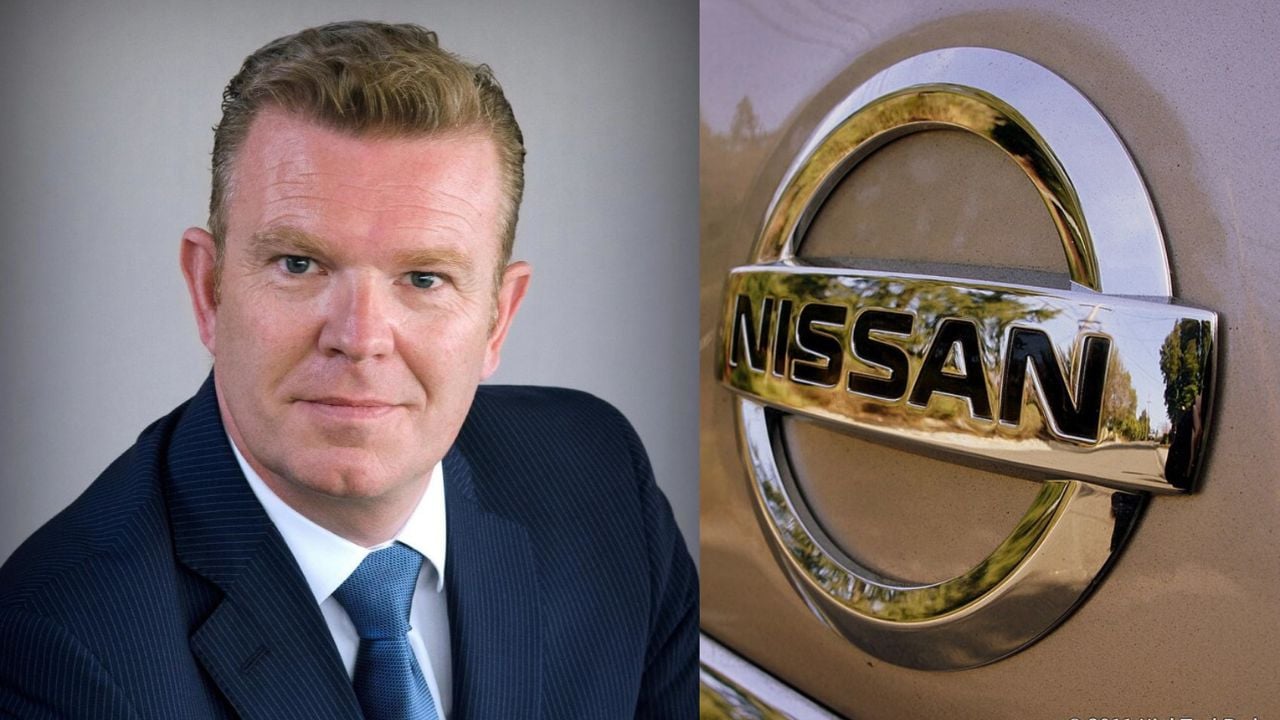

In a frank and unusually candid interview, Christian Meunier, the freshly installed chairman of Nissan Americas, admitted that one of the world’s most recognizable automakers had veered off course in the United States. He told reporters that when he took the helm at the beginning of 2025, Nissan lacked a clear purpose there. He described a company without a guiding star, muddled by slow decision‑making and complacency, and struggling to connect with customers and dealers.
Nissan’s troubles in the U.S. stretch back years. Sales have fallen about forty percent over the last decade, and the brand’s market share has dropped from more than eight percent to just over six percent. Some dealers, long dependent on heavy discounting to move vehicles, now grapple with higher inventory and thinner margins. Those trends have contributed to five straight quarterly losses for the automaker overall, and a broad restructuring that includes cutting twenty thousand jobs and closing multiple factories worldwide.
Meunier’s Blueprint to Revive Nissan U.S

A key theme in Meunier’s thinking is urgency. One of his first moves was to scrap Nissan’s more relaxed remote‑work culture at its Tennessee headquarters, requiring staff to return to the office four days a week. The idea behind this mandate is to jump‑start collaboration and break the sluggish internal rhythms that he says had set in after years of indecision. This may sound like back‑to‑basics corporate culture talk, but for Nissan insiders it signals a break from the past inertia.
Meunier comes to the U.S. job with real automotive street cred. He spent seventeen years at Nissan in various leadership roles before a stint leading Jeep at Stellantis. That global experience, and his familiarity with Nissan’s culture and products, are central to his strategy for patching up the brand’s image and performance in North America.
But the turnaround plan is not just about pep talks and office policies. Meunier wants Nissan to make better use of its substantial production capacity, particularly at its plants in Tennessee and Mississippi. Those factories now churn out roughly six hundred thousand vehicles a year, but they could build up to a million if demand and production planning improve. Driving utilization closer to capacity is a core piece of his plan to drive revenue and profitability in the U.S. market.
Reviving Icons and Charging Ahead
One bold piece of what you might call product diplomacy is the planned return of the Xterra SUV. Once a cult favorite among outdoor enthusiasts, the rugged off‑road vehicle was discontinued years ago.
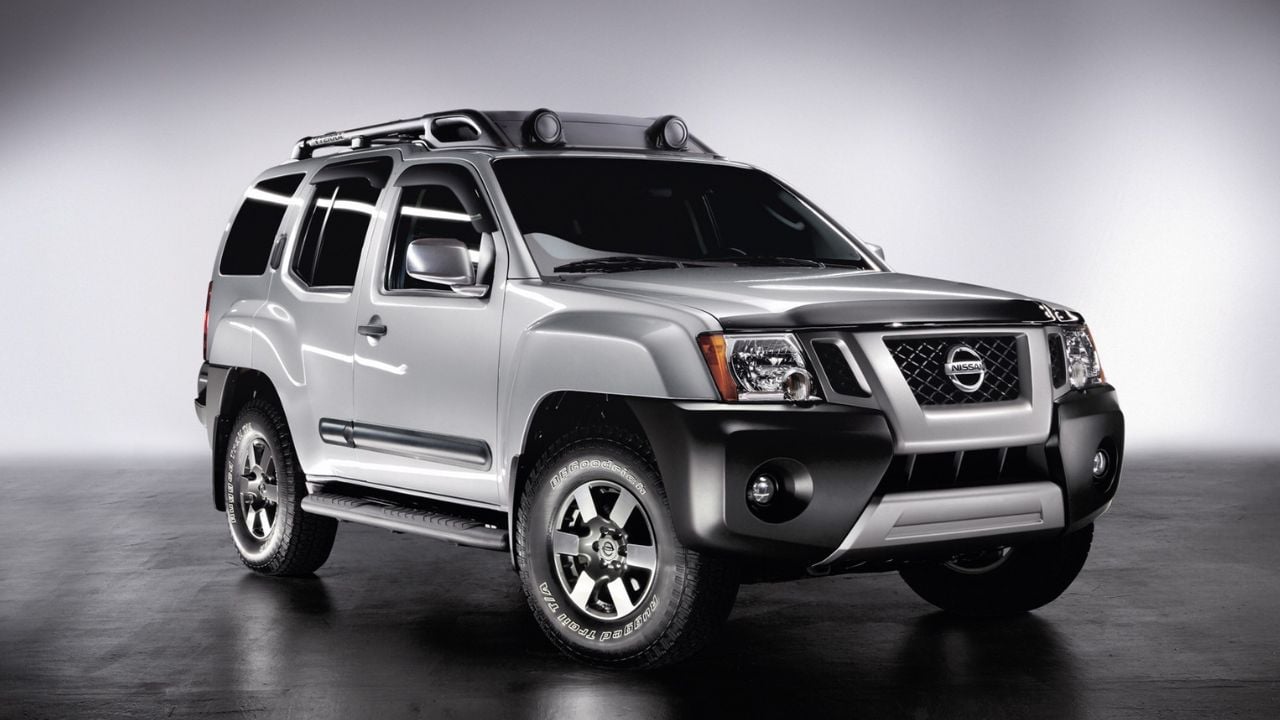
Meunier believes reviving it, along with introducing hybrid versions of popular models like the Rogue crossover, will help bring more excitement to Nissan’s showroom floors. He sees these moves as part of a larger effort to give Nissan a stronger emotional connection with buyers, something the brand has struggled with as competitors roll out fresh designs and advanced electrified options.
Speaking of electrification, Nissan’s approach in the U.S. has been cautious compared with rivals like Toyota. For years the company has waited to introduce hybrid versions of its gas‑powered models, and its absence from that segment put it at a disadvantage as customers gravitated toward more fuel‑efficient options. Meunier is accelerating those hybrid plans, starting with the upcoming Rogue and expanding across the lineup.
Meunier Charts Nissan’s U.S. Comeback
Dealer relations are also a priority. Some dealers have long complained about having too much old inventory and not enough fresh, desirable products. Meunier says that boosting dealer profitability and ensuring showrooms are stocked with appealing new vehicles is essential to rebuilding Nissan’s reputation and sales performance.
There are early signs of positive momentum. Nissan’s U.S. retail market share recently ticked up from about 4.1 percent to 4.9 percent in the latest quarter, an improvement Meunier says reflects progress on multiple fronts. Still, industry observers warn that restoring loyalty and brand strength will take time and sustained focus.
Meunier’s candid comments and strategic pivots reflect a broader reckoning at Nissan as it seeks to regain relevance in America. There are no silver bullets, but between reviving beloved models, rethinking electrification timing, and strengthening dealer ties, Nissan’s U.S. operation is charting a course that could shake up one of the most competitive auto markets in the world.