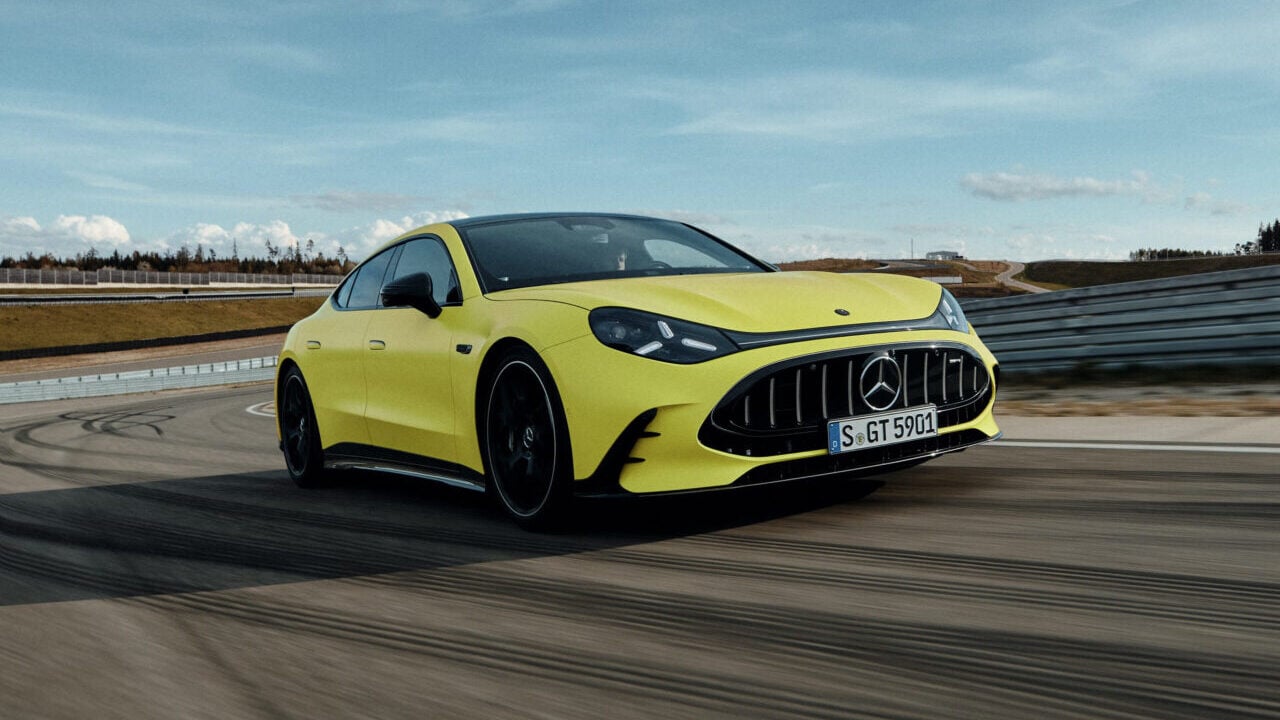
Unlike several brands, such as Porsche and Honda, which learned the hard way that pursuing an aggressive electric vehicle strategy at full speed could prove costly, Mercedes-Benz continued pushing ahead with its EV strategy.
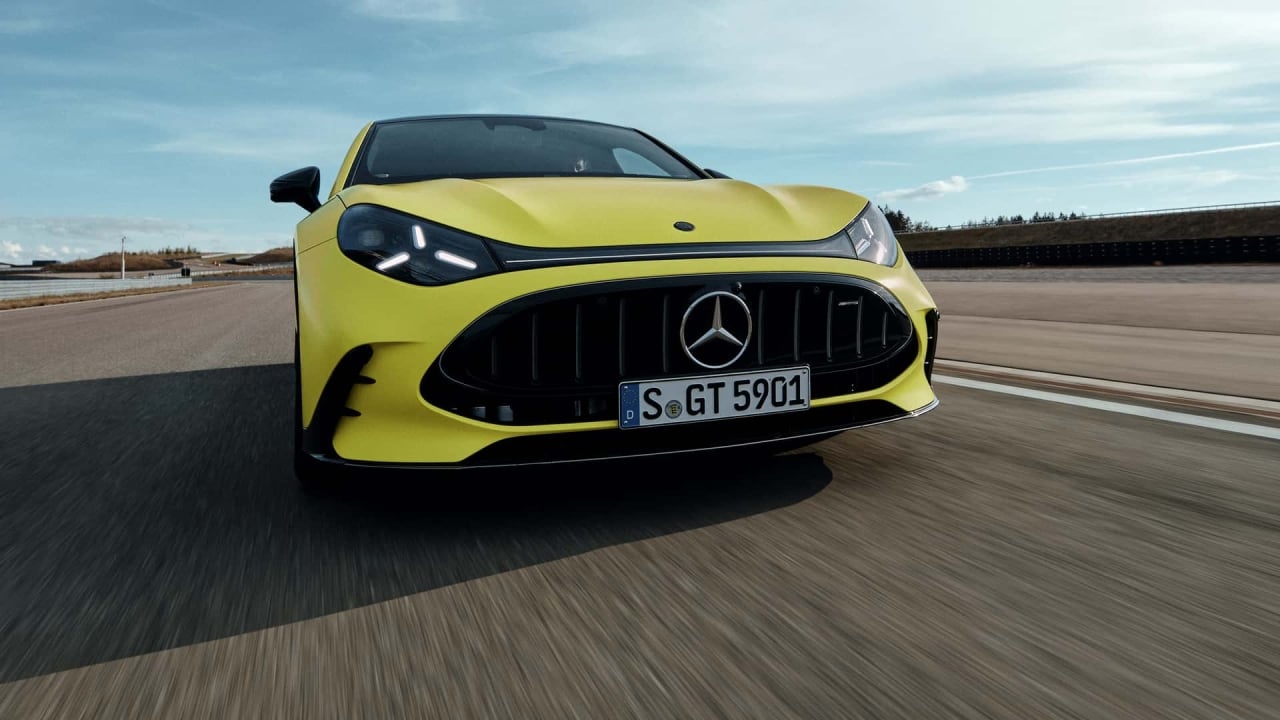
Now, though, an unnamed Mercedes executive reportedly suggested the company went too far with at least some parts of its EV strategy, particularly the all-electric AMG GT.
Mercedes spent billions developing and promoting EVs, but after 2023, sales of the EQS and EQE electric sedans had plummeted by 90 percent. One unnamed board member described them as “the biggest failures in the company’s history.”
The comments suggest internal displeasure within Mercedes over its EV strategy, but it remains to be seen whether this will have any bearing on the company’s future decisions.
An EV Push That Cost Over $1 Billion
According to a report by German outlet Manager Magazin, Mercedes entered the EV race with some of the industry’s most ambitious targets, aiming to transition toward an electric lineup well before many of its rivals.
Models such as the EQS and EQE were expected to spearhead that strategy, but weak demand in key markets like the United States prevented them from becoming the sales success the company had hoped for.
The challenges have extended beyond Mercedes’ mainstream EV lineup. The company’s push to electrify its AMG performance division has reportedly cost more than $1 billion, yet electric AMG models have struggled to generate a fan following among enthusiasts.
But a rival brand like BMW has reportedly taken a more measured approach, quietly expanding its EV range while achieving stronger results. So far this year, battery-electric vehicles account for 17.7% of BMW’s sales, compared with 11.6% for Mercedes-Benz.
Given the state of affairs, one Mercedes executive, who was not named, revealed their thoughts about the Mercedes AMG GT. They said:
“This car shouldn’t even exist. But it was too late to stop it.”
Sales Collapse Sparks Internal Concern
By the end of 2023, Mercedes was forced to confront the disappointing performance of its flagship electric vehicles. During a supervisory board meeting to discuss the company’s plans for 2024, executives reviewed sales figures showing that demand for the EQS and EQE sedans had fallen dramatically, raising serious concerns about the future of the EV strategy.
The disappointing results were a worrying sign for the team because the models had been central to CEO Ola Källenius’ vision for Mercedes’ electric future.
The automaker had invested roughly €5 billion ($5.687 billion) in developing the EQS, EQE, and two related SUV models, in addition to spending billions more on production, marketing, and other associated costs.
According to one board member, the consensus was that the EQS and EQE program had become one of the most costly product disappointments. They said:
“It was clear then that these cars were the biggest failures in the company’s history.”
The reported criticism from within Mercedes suggests the company could reassess parts of its EV strategy in the future, although it remains unclear whether that will lead to any significant changes.