The restomod world has become increasingly ambitious, with builders extracting huge power figures from classics and charging equally enormous sums for the privilege. That formula works spectacularly well in the right car, although it is hardly the only way to reinvent an old favorite.
Sometimes, starting with something tiny, simple, and inherently charming produces a far more interesting result. Few cars fit that description better than the original Fiat 500, whose compact proportions remain instantly recognizable decades after production ended.
A new British company has now given the Italian icon a comprehensive makeover without disguising what made it appealing in the first place. The finished car looks familiar from a distance, yet very little beneath its petite body remains as Fiat intended in the 1970s.
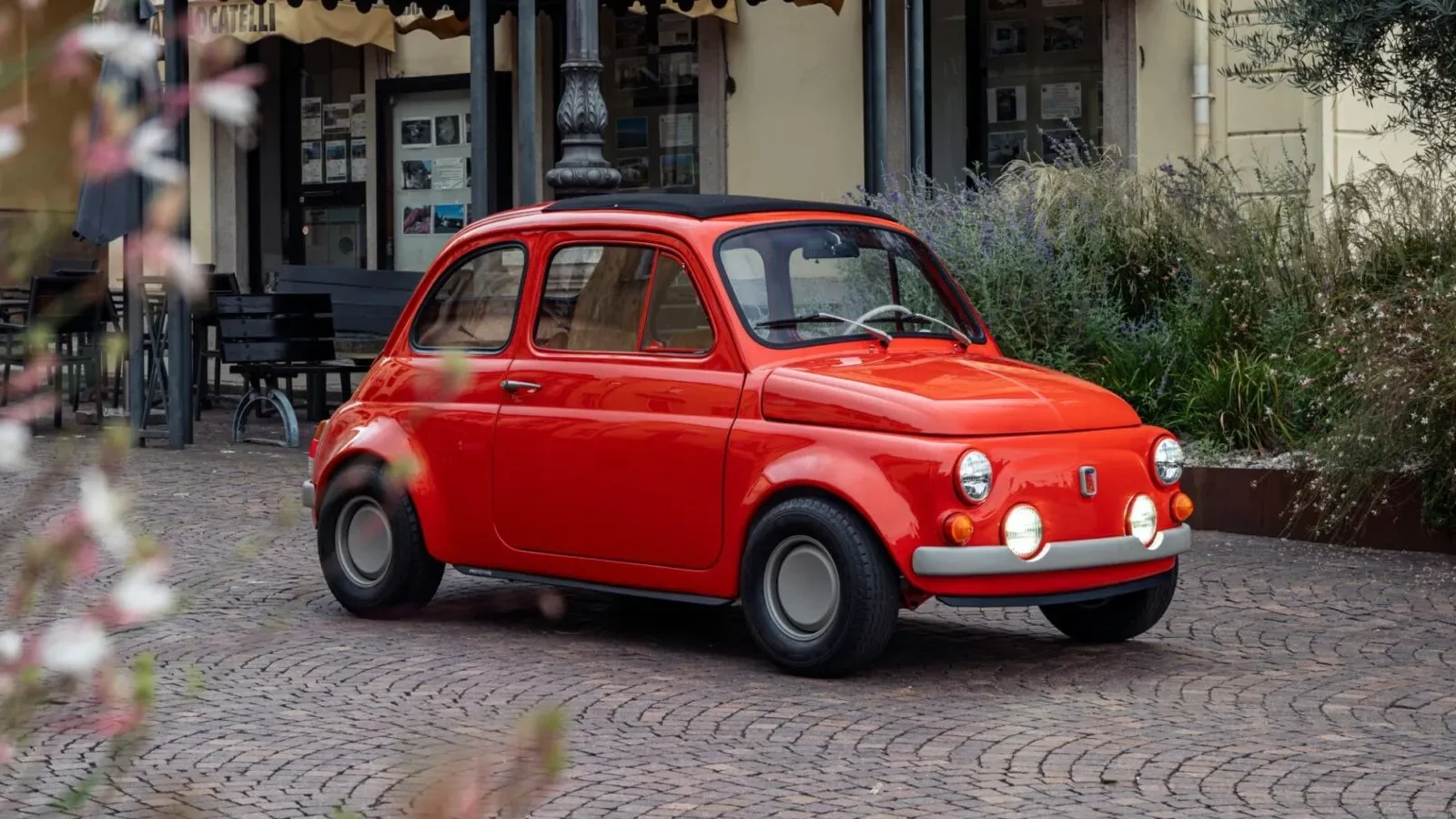
Called the Scattante, this pint-sized creation comes from La Cinquecento, a company founded by fashion photographer Max Kindersley. It might also be one of the most adorable restomods we’ve seen in quite some time.
An Old Family Fiat Started It All
The project began with a 1973 Fiat 500 belonging to Kindersley’s family that had spent roughly 25 years sitting in a barn. Rather than simply restoring it to factory specification, Kindersley used the car as the foundation for a much more ambitious interpretation of the classic 500.
La Cinquecento worked with Milan-based design studio BorromeodeSilva to subtly reshape the exterior. Wider wheel arches and new side skirts give the Scattante a tougher stance, while new wheels and rally-style auxiliary lights add some attitude without overwhelming the original design.
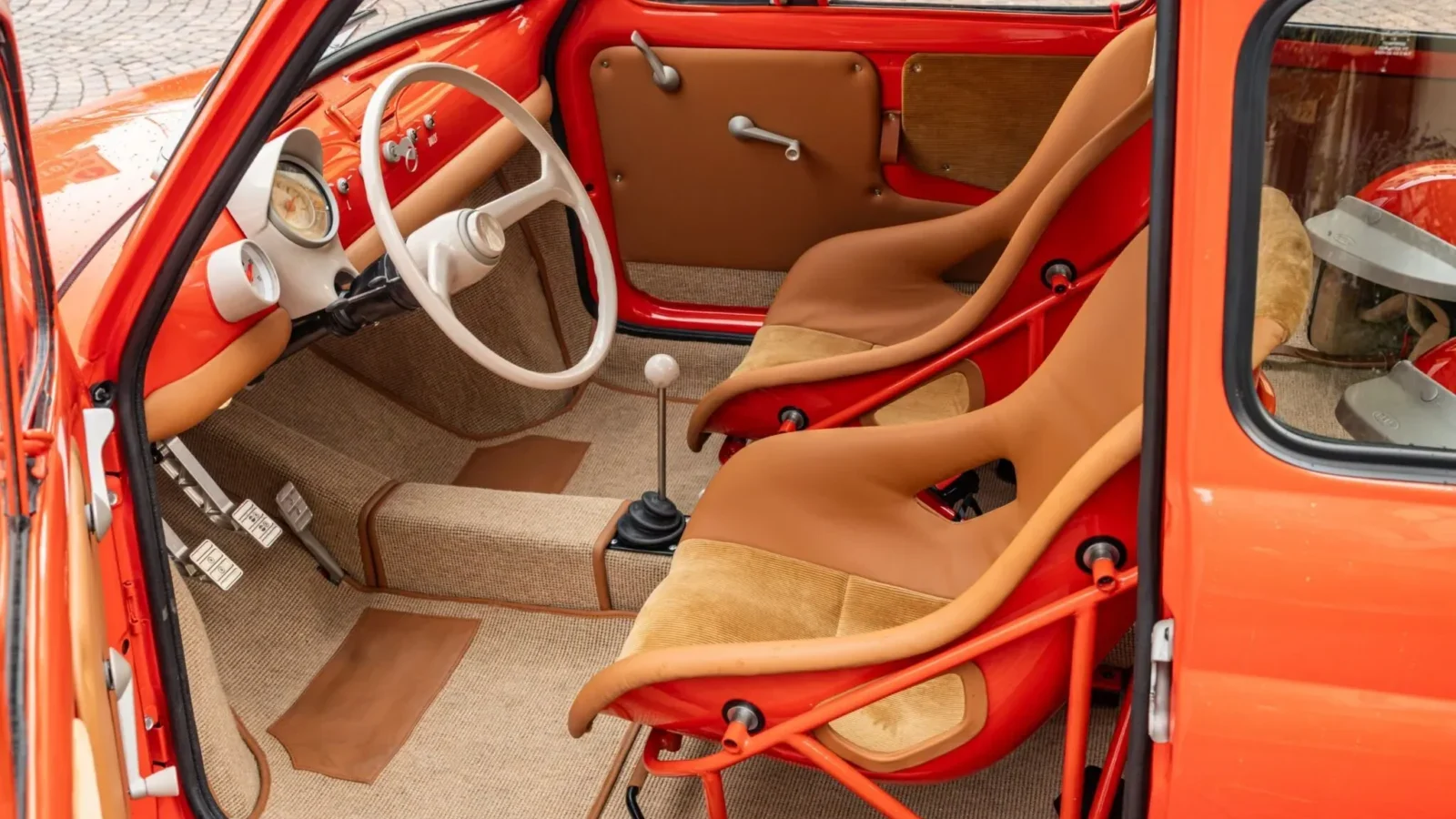
The cabin follows a similarly restrained approach. A speedometer and large tachometer sit behind a two-spoke steering wheel, joined by simple dashboard toggle switches, while leather and suede bucket seats and machined metal pedals introduce a more premium finish.
Tiny Engine, Serious Engineering
The most substantial changes are hidden underneath. La Cinquecento says the suspension, steering, brakes, cooling, and electrical systems have either been extensively reworked or replaced with bespoke components.
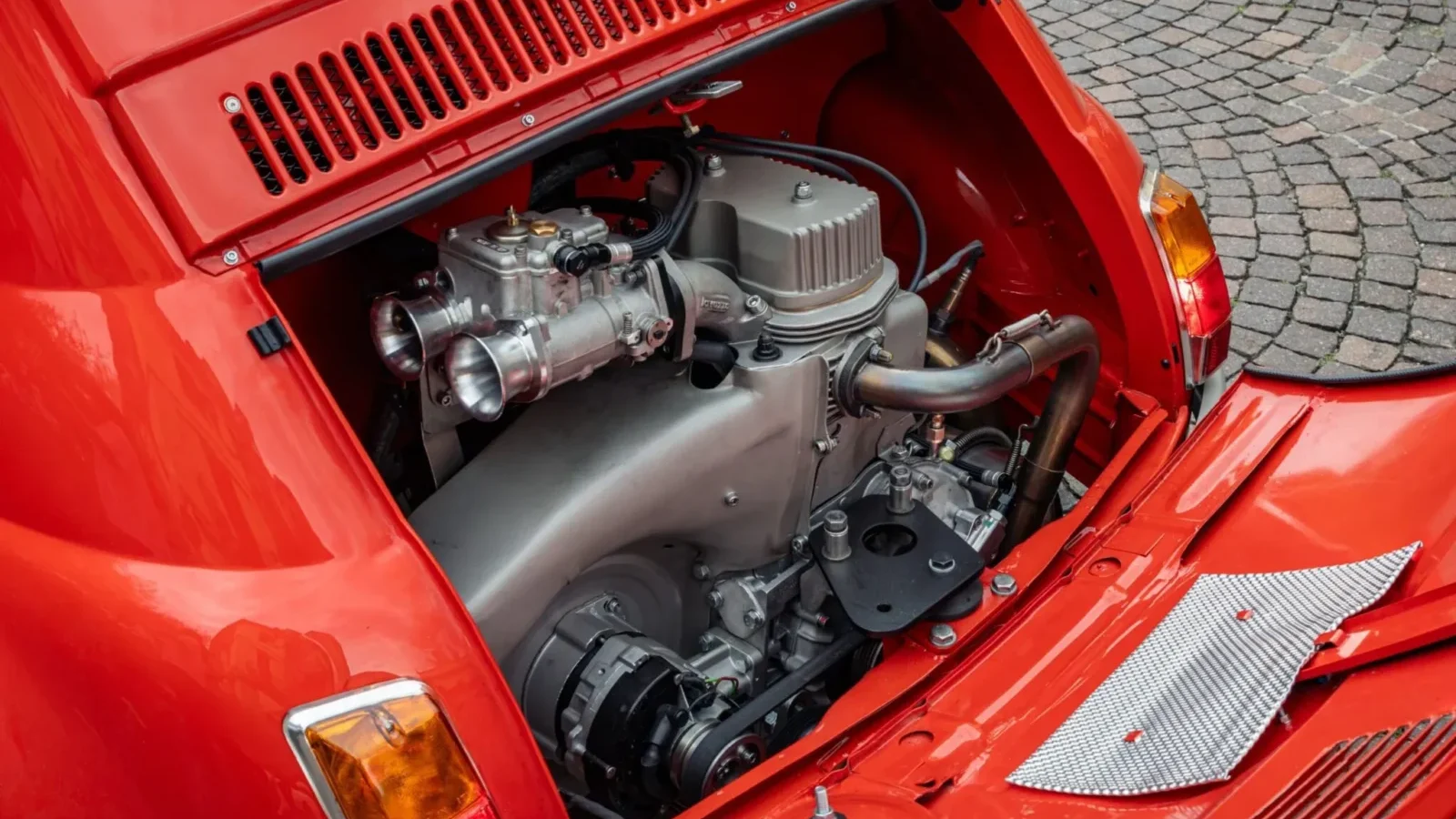
Power still comes from the rear, preserving one of the original 500’s defining mechanical characteristics. The Scattante uses a Fiat 126-derived two-cylinder engine enlarged to approximately 802cc, featuring twin-spark ignition and paired with a manual transmission.
La Cinquecento has not disclosed a horsepower figure, and outright performance is deliberately not the project’s focus. Instead, development centers on throttle response, torque delivery, and driver involvement, which sounds appropriate for a car targeting a weight of only around 650kg (1,433 pounds).
The name reflects that philosophy, too. “Scattante” can translate to lively, agile, or quick off the mark, neatly describing what La Cinquecento wants its reworked 500 to feel like from behind the wheel.
Production Will Be Extremely Limited
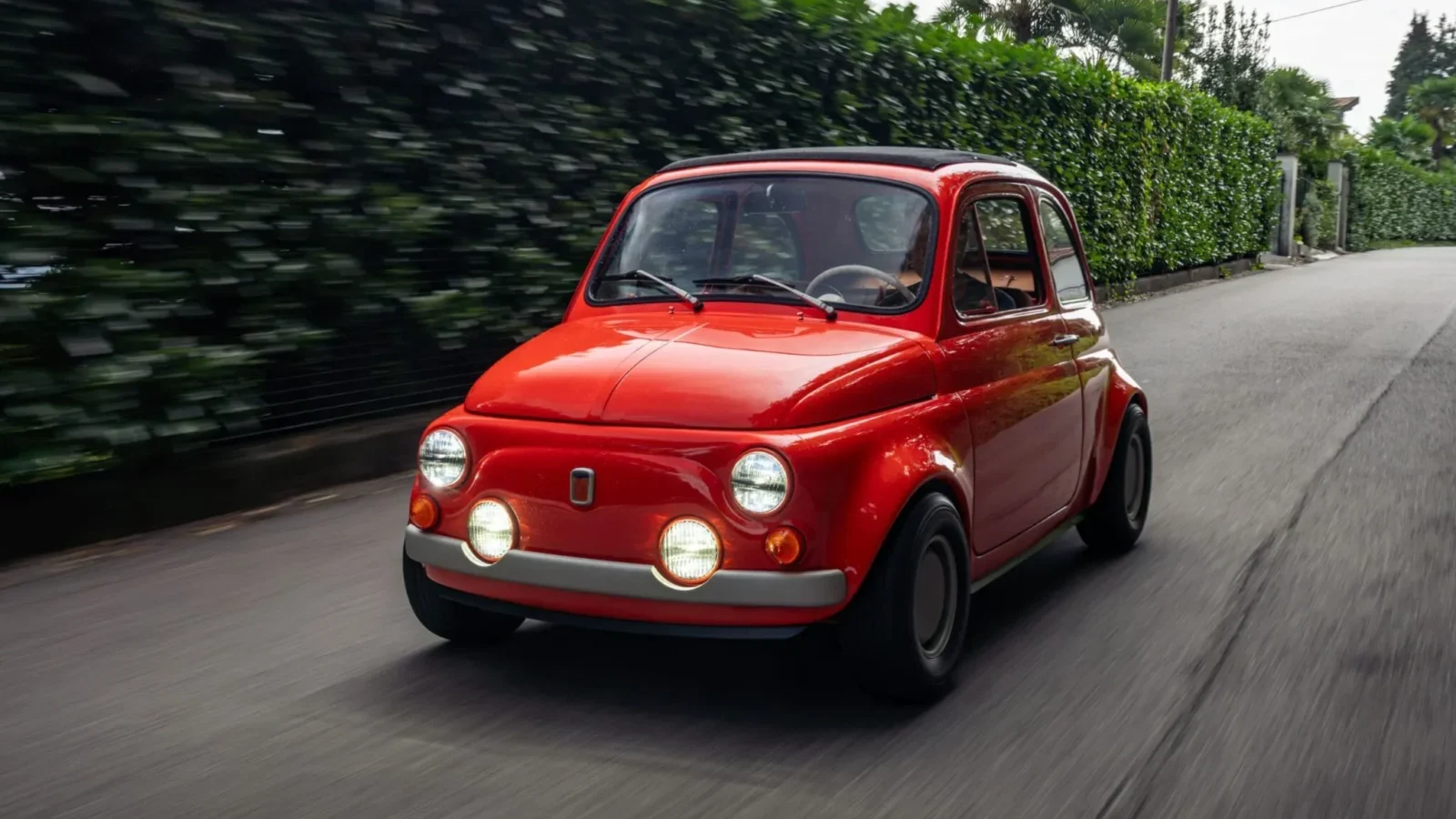
The prototype has already ventured beyond the workshop, making its public debut at the Tutto Bene hillclimb in Italy. That appearance provided an early glimpse of a project La Cinquecento intends to turn into a tiny series of individually numbered customer cars.
Only a handful are expected to be produced each year, with every example built to order and tailored to its owner’s preferences. Auto Express reports that pricing is likely to land around £150,000, or just north of $200,000, making this a very expensive interpretation of one of history’s most affordable city cars.
Yet chasing rational value was clearly never the objective. The Scattante takes the Fiat 500’s tiny footprint and cheerful personality, then surrounds them with considerably more sophisticated engineering and craftsmanship.
Plenty of restomods promise outrageous speed. La Cinquecento’s little Fiat instead makes a convincing case that having fun at modest speeds can be every bit as desirable.