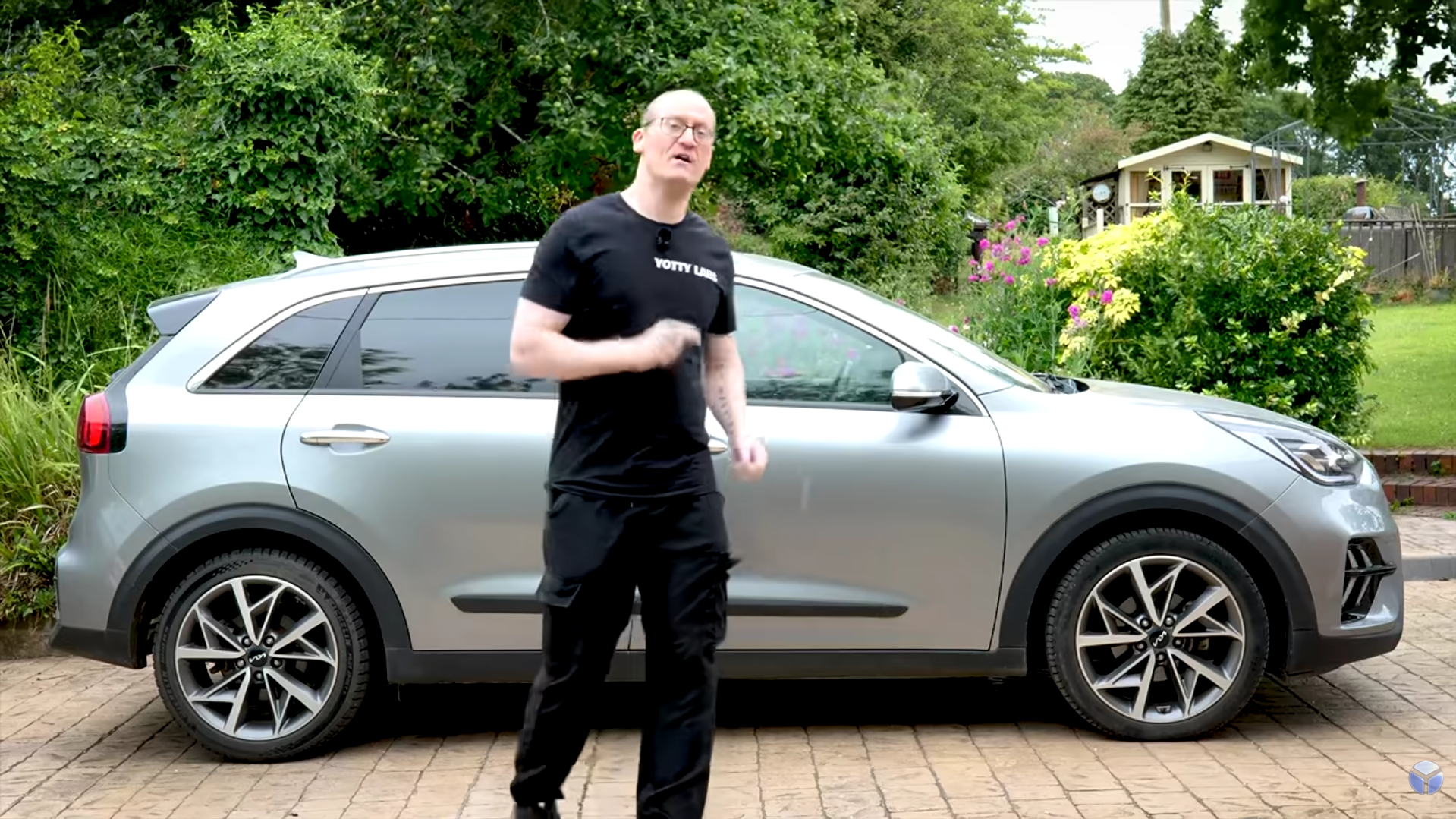
Modern cars contain computers that monitor everything from engine speed to coolant temperature, with much of that information accessible through a standardized diagnostic port. Reading it typically requires an OBD-II scanner or compatible software, but one YouTuber wondered whether artificial intelligence could build the necessary tools itself.
On the Yotty Labs YouTube channel, a creator challenged Claude Code to communicate with his father’s car using an inexpensive Bluetooth diagnostic adapter and a laptop. The goal was to build a working dashboard without manually programming the connection.
He gave the AI a single instruction: discover how to communicate with the vehicle, retrieve available diagnostic information, and display it through a browser. Crucially, he specified that the system must only read information, never send commands that could alter the vehicle’s operation.
What followed was an unusually practical demonstration of AI-assisted programming, with the software figuring out the hardware connection and building its own interface. The result also raised an interesting question about how accessible automotive diagnostics could become.
One Prompt and a Bluetooth Adapter
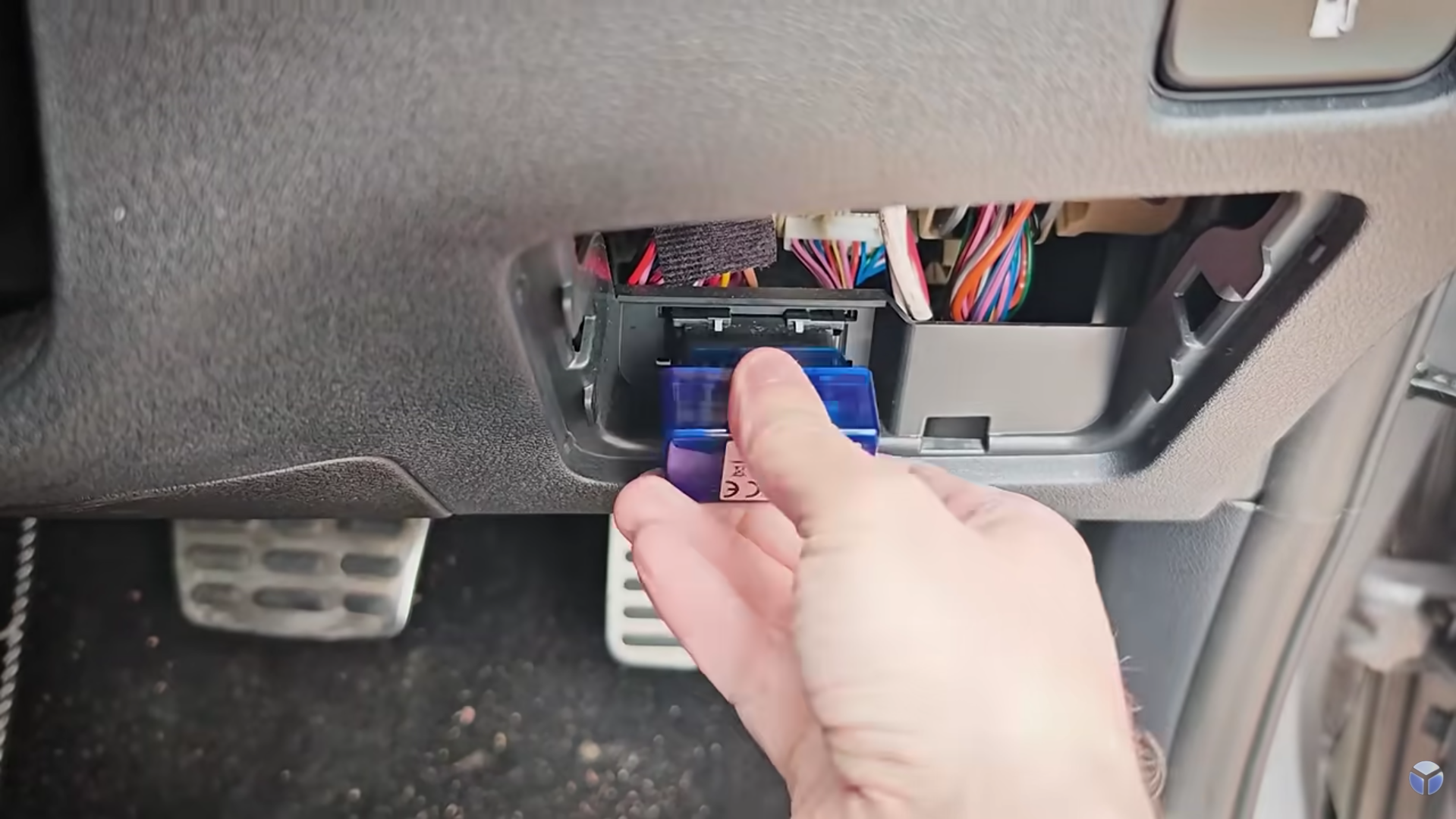
Yotty Labs plugged an OBD-II adapter into the vehicle’s diagnostic port, paired it with his laptop, and opened Claude Code. His request included live engine RPM, coolant temperature, available sensor readings, and diagnostic trouble codes.
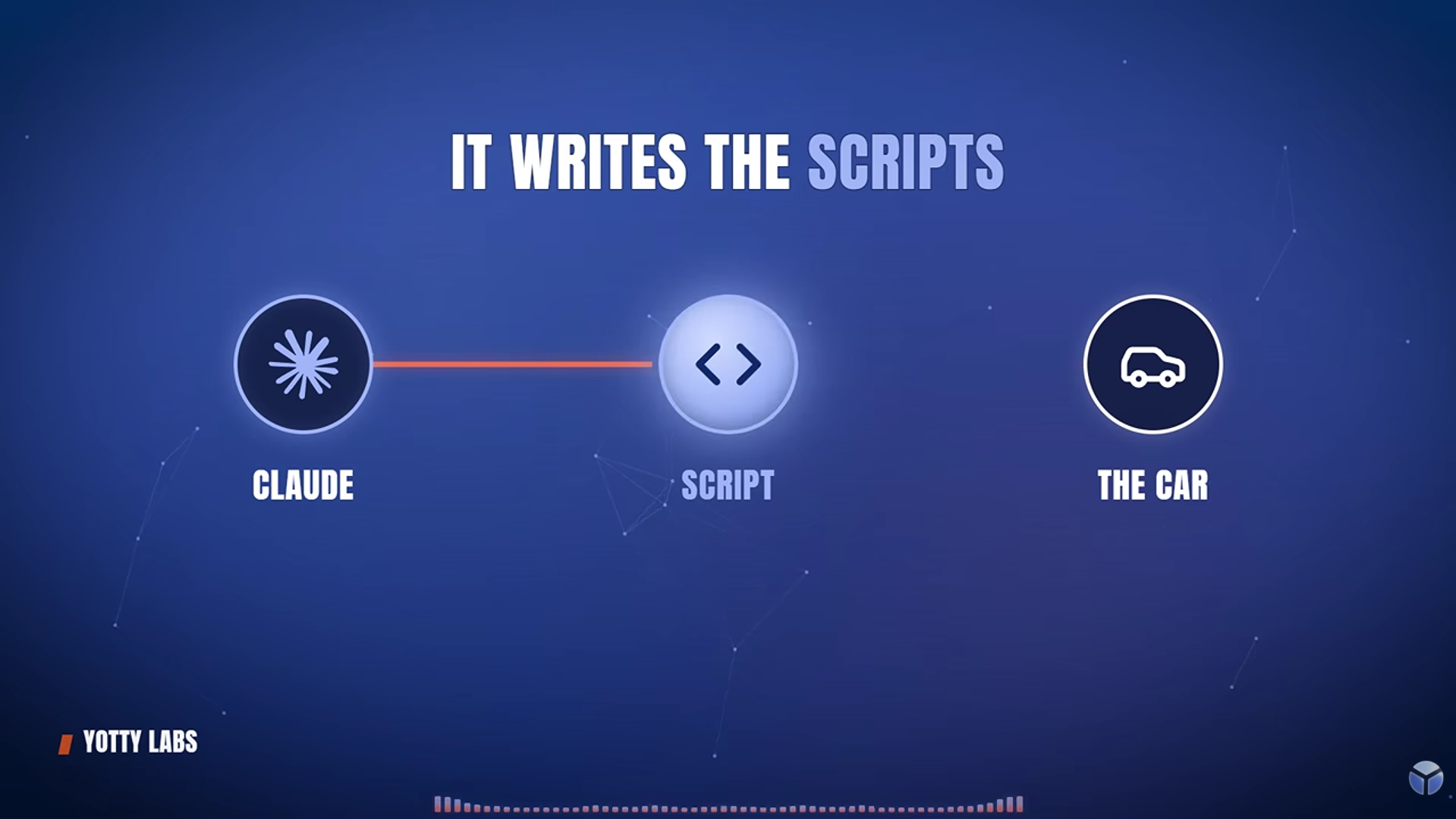
Claude identified the adapter as a serial device, then wrote and tested Python scripts to communicate with it. It also created a local server to relay vehicle information to a browser-based dashboard.
A Working Dashboard in Minutes
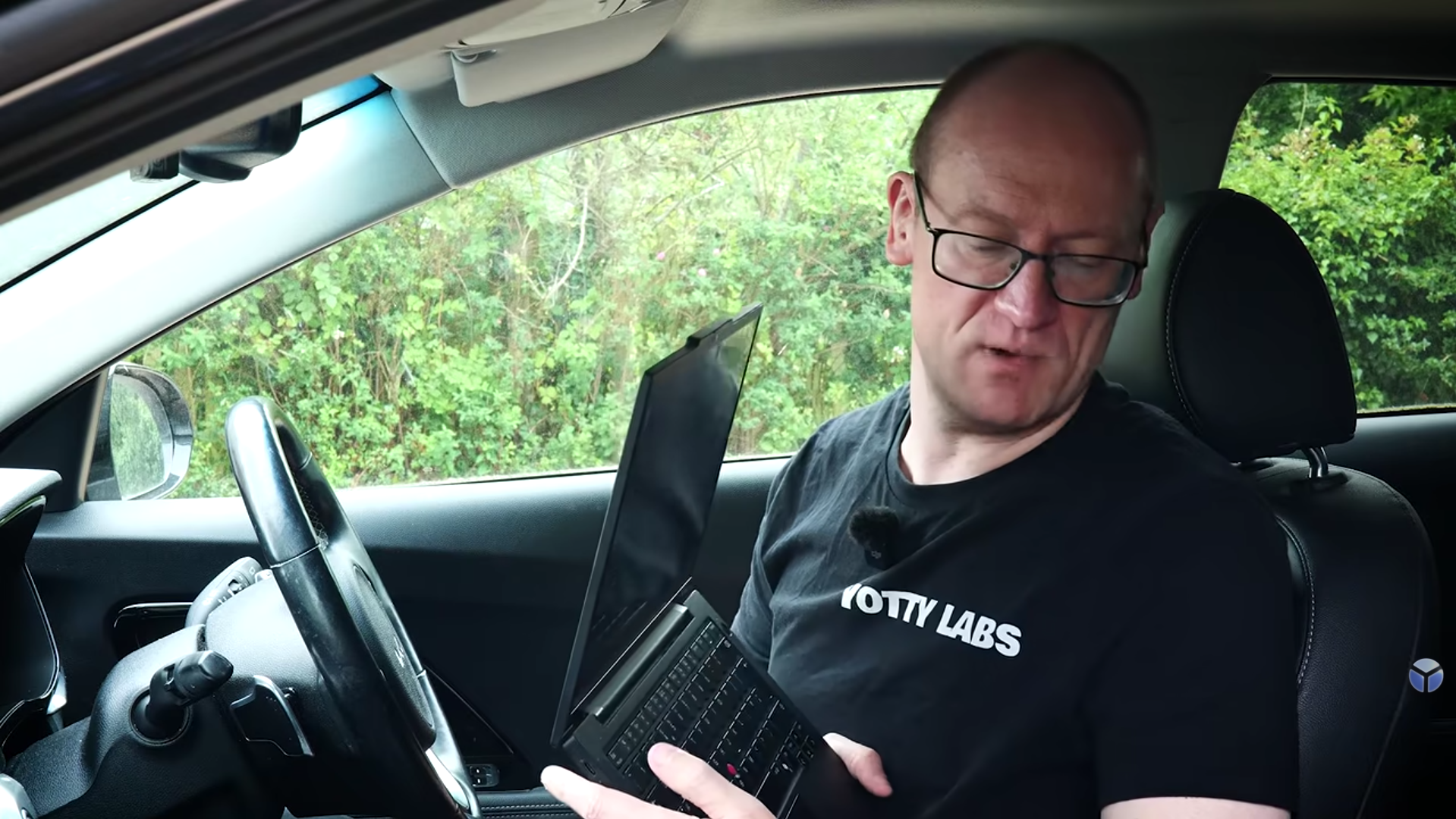
Within approximately five minutes, the AI-generated interface displayed coolant temperature, engine speed, and diagnostic status. It reported no fault codes, while the live tachometer responded when the engine revved.
“Live rev counter wirelessly going to my laptop via a £2.39 Temu adapter running on code that Claude Code has written itself,” the creator said enthusiastically, emphasizing that he hadn’t written the software manually.
Twenty Years of Experience Versus Five Minutes
The achievement impressed the presenter, who said he had been programming for over two decades. Building the same system himself, he estimated, could have taken most of a day.
“I’ve been programming for over 20 years, and it’s just done that in 5 minutes,” he said. His enthusiasm reflected the speed of the result rather than proof that traditional programming expertise had become unnecessary.
From Diagnostics to Knight Rider
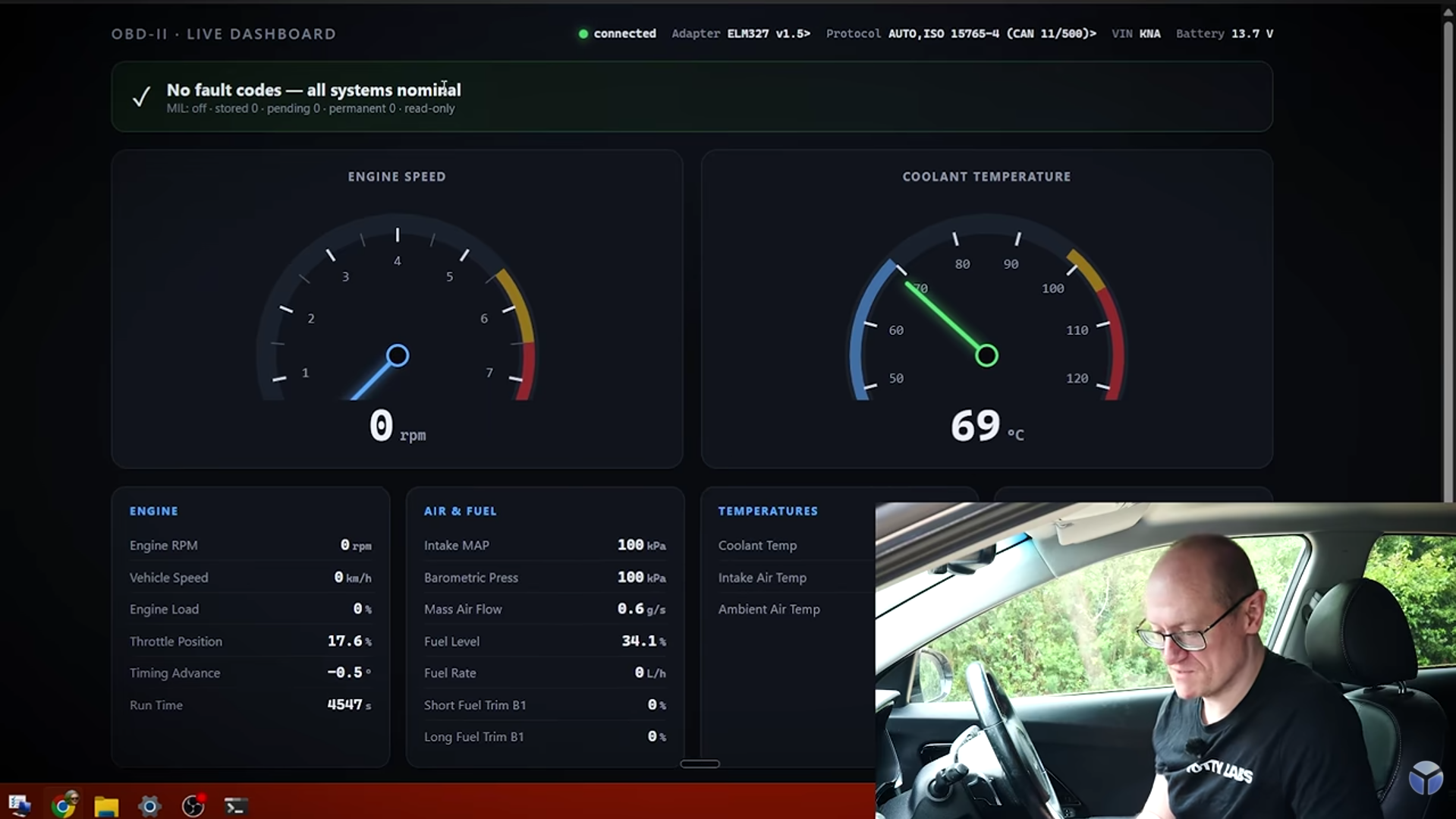
The creator then asked Claude to redesign the computer dashboard in the style of Knight Rider, complete with red instruments and a sweeping scanner effect. The AI produced the visual changes while retaining the diagnostic functionality.
Despite the video’s hacking premise, the experiment involved ordinary, authorized access to the car’s diagnostic data rather than bypassing security systems. As the presenter acknowledged, “We haven’t actually hacked the car in the traditional sense.”
For the creator, that distinction was less important than what the experiment demonstrated about AI’s practical potential. “You either do programming because you like programming, or you do programming because you like building things,” he explained. “I’m in the second group. I like building things.”
His point was that tools like Claude Code can take care of much of the technical groundwork, allowing people to focus on what they want to accomplish rather than spending hours figuring out how to make it happen.
The experiment ended with a functioning dashboard, no reported diagnostic trouble codes, and a practical demonstration of what AI-assisted programming can accomplish. “I’m going to go tell my dad that there’s nothing wrong with his car and that I haven’t managed to brick it,” the creator joked.