

One of the most coveted performance cars in the world, the Porsche 911 GT3, is at the center of a highly controversial lawsuit filed in the United States. A Florida buyer claims the nearly $282,000 sports car he believed was brand new had actually spent a year being dismantled and reassembled by trainee mechanics before it was sold to him.
The legal action names both Porsche Cars North America and the Pennsylvania dealership Porsche Warrington as defendants. At the center of the case is a 2022 GT3 that the buyer says was misrepresented during the sales process.

The buyer, Abdul Azizi, turned out to be a longtime Porsche enthusiast. He unloaded $281,940 to buy that car after being told it had only been used for display and promotional purposes. According to the complaint, the odometer showed just 34 miles at the time of sale, reinforcing the impression that the car had barely been driven.
But the story took a dramatic turn soon after the car arrived at Azizi’s home in Florida.
A Discovery in the Glovebox
Before completing the purchase, Azizi reportedly asked the dealership for the car’s original window sticker. He says he was told the vehicle did not have one and instead received a build sheet listing the GT3’s specifications.
However, the day after the car was delivered, he allegedly discovered the original window sticker inside the glovebox. According to the lawsuit, the document contained a message printed in bold red letters reading: “PCNA CAR NOT FOR SALE.”
That detail quickly raised questions about the car’s past.
Vehicles labeled this way are often used internally by manufacturers for purposes such as media fleets, demonstration programs, or technical training. Investigators reviewing the case say that designation suggested the car had previously served within Porsche’s internal operations rather than sitting idle as a showroom display.
The lawsuit alleges the GT3 had actually been assigned to a technician training program before it was eventually sold to the dealership and then to Azizi.
A Supercar Used as a Training Tool
According to court filings, the car spent roughly a year at a training facility connected to Porsche’s technician apprenticeship program. During that time, novice mechanics reportedly used the car as a hands-on learning platform.

Training vehicles are often repeatedly dismantled and reassembled so students can learn how complex systems are built and repaired.
The complaint claims that process happened many times with the GT3. Trainees allegedly removed and reinstalled key components as part of instruction exercises.
While such training can be valuable for technicians, the lawsuit argues that the repeated disassembly could leave behind mechanical issues if parts are not reinstalled correctly.
Mechanical Problems Begin
The problems reportedly surfaced soon after Azizi took delivery of the car.
The GT3 began experiencing serious electrical system faults, prompting him to take it to a Porsche certified technician for inspection.
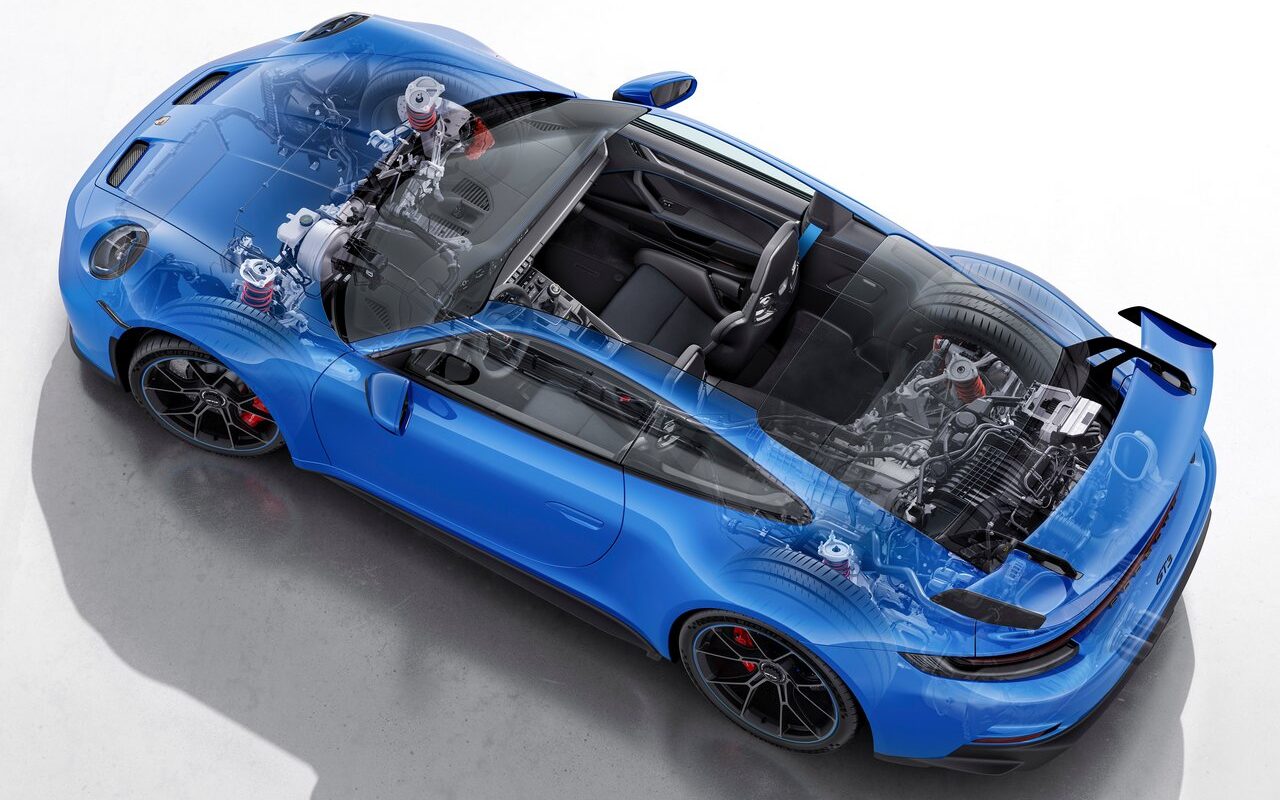
According to the lawsuit, the technician noted signs that the car had previously undergone extensive mechanical work.
A second inspection reportedly revealed that a portion of the car’s undercarriage had been removed and reinstalled incorrectly. That finding further supported the theory that the vehicle had been disassembled before it reached its new owner.
Despite multiple repair attempts, the issues could not be resolved. Court filings claim the car eventually became unusable and remained out of service for much of the following year.
The Legal Battle
Azizi has already pursued a lemon law claim related to the defective 911 and won an arbitration decision requiring Porsche to repurchase the GT3.

However, that ruling did not include compensation for finance charges or taxes associated with the purchase.
The new lawsuit goes further. It accuses Porsche and the dealership of fraud, concealment, and consumer law violations for allegedly failing to disclose the car’s history before selling it as new.
Azizi is seeking additional damages tied to the purchase and the months he says he spent unable to use the car.
What’s New and What’s Used?
The dispute highlights a sensitive issue within the automotive industry.

Manufacturers often cycle vehicles through internal programs such as training, testing, and media fleets before they eventually reach the market.
What this case may ultimately determine is how much disclosure is required when such vehicles enter retail channels.
For buyers of high-end performance cars, especially machines as exclusive and expensive as the Porsche 911 GT3, the expectation is simple. A car advertised as new should truly be new.
If the courts agree with Azizi’s claim, it could set an important precedent for how manufacturers and dealers handle cars with hidden histories.
Sources: Yahoo Autos