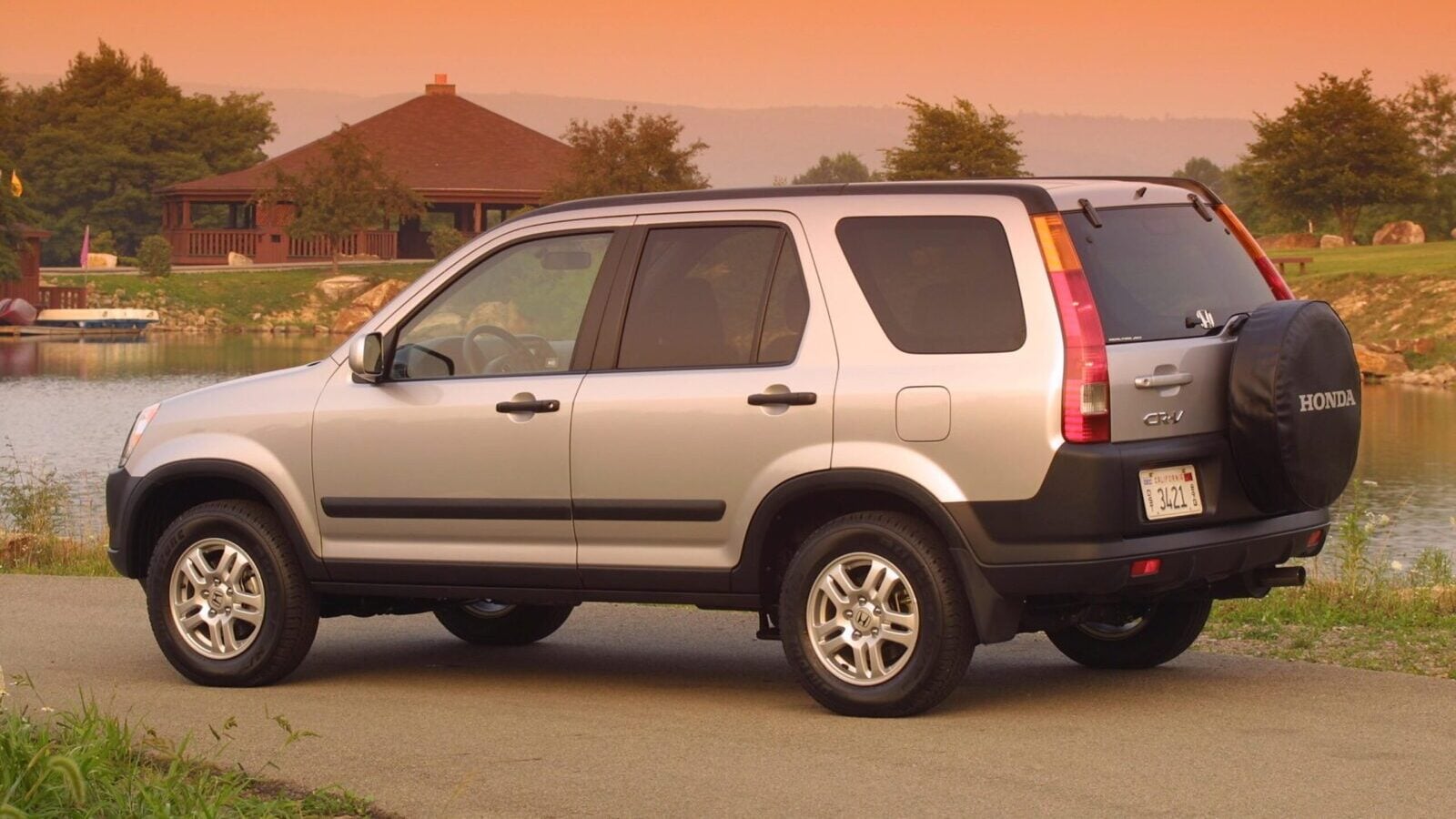
Mario Iamundo thought his relationship with a 2002 Honda CR-V ended when he sold the SUV back in 2011. Fifteen years later, the old Honda unexpectedly returned to his life through a towing and storage bill.
The Toronto resident hadn’t owned the CR-V in well over a decade, yet paperwork connected to the vehicle still carried his name. The person who bought it apparently never completed the process of registering the Honda as their own.
According to CTV News, Iamundo received a CA$1,130 bill from Classic Towing and Storage in Etobicoke earlier this summer, equivalent to roughly US$815. The company told him he’s the last registered owner in the vehicle’s records despite having sold it years earlier.
That technicality left Iamundo facing charges for a vehicle he says he hadn’t seen in 15 years. His experience points out an unpleasant problem that can emerge long after a private vehicle sale when the buyer never completes the ownership transfer.
The CR-V Was Still Registered In His Name
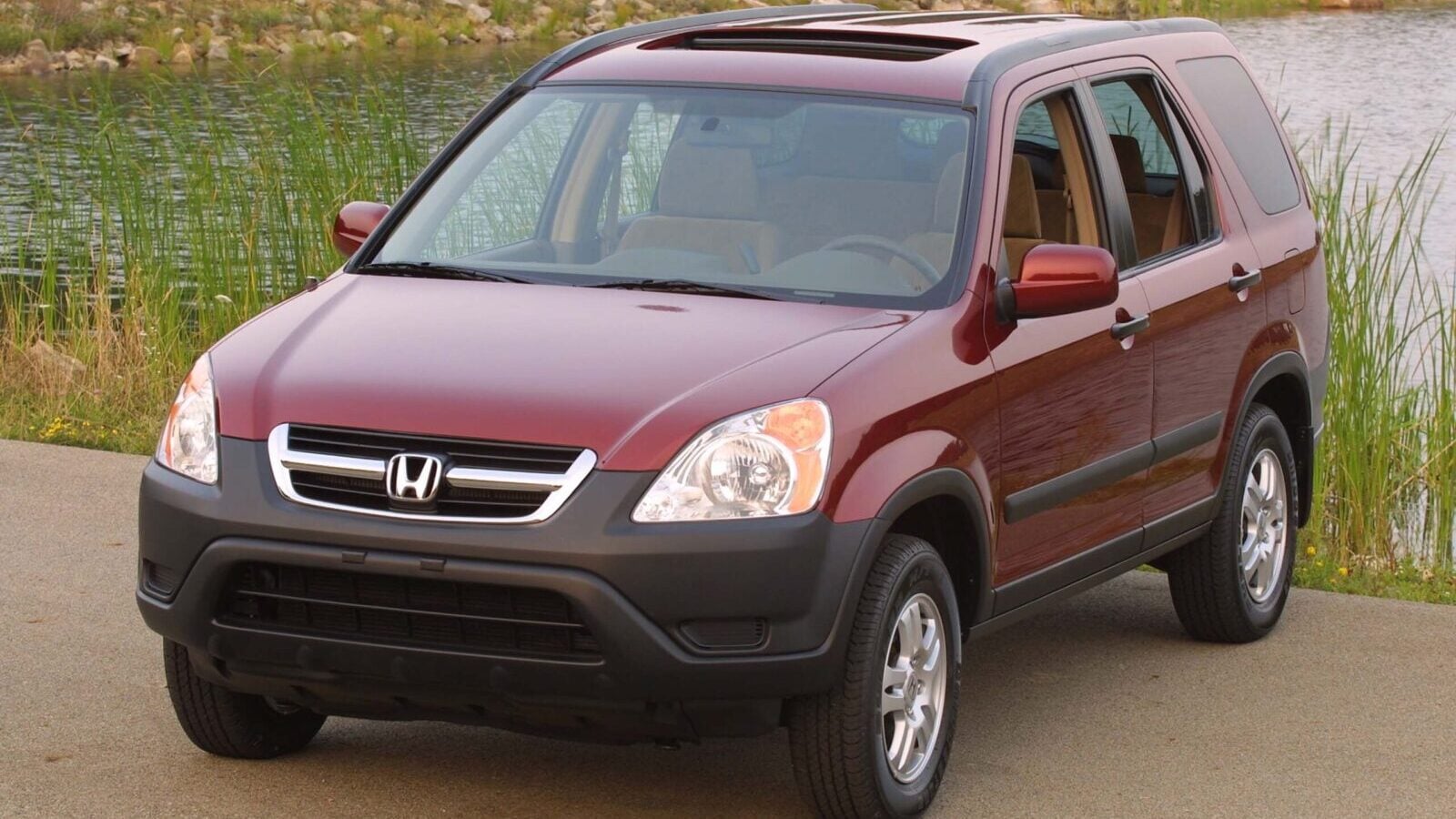
It isn’t clear what happened to the CR-V during the 15 years after Iamundo sold it. CTV News noted that it’s unknown whether somebody had been driving the Honda during that time before it was eventually impounded.
Classic Towing and Storage general manager Kevin Araya told CTV that situations like this happen more often than many people might expect. When determining responsibility for towing and storage charges, the company uses the registered owner listed in the vehicle records.
In this case, those records still pointed to Iamundo, and Ontario’s Repair and Storage Liens Act allows towing operators to seek payment from the registered owner, leaving him facing charges connected to a vehicle he hadn’t seen since 2011.
Ontario Gives Buyers Six Days To Transfer Ownership
The Ontario Ministry of Transportation told CTV News that buyers have six days after purchasing a used vehicle to register themselves as the new owner. After that deadline, sellers can visit a ServiceOntario location and have the vehicle’s status updated to “sold.”
However, recording that status doesn’t transfer the registration into the buyer’s name. The ministry cannot complete that step without the required application from the purchaser, which can leave the previous owner’s name attached to the vehicle record.
Toronto Police stressed the importance of completing a proper bill of sale when privately selling a vehicle. Araya went further, recommending that sellers make sure the ownership change is completed before handing over the keys.
He Eventually Paid The CA$1,130 Bill
Iamundo disputed the idea that he should be responsible for charges connected with a CR-V he had sold 15 years earlier. He argued that it shouldn’t be the seller’s responsibility to chase down a buyer and ensure the paperwork gets completed.
Despite those objections, he ultimately paid the CA$1,130 towing and storage bill. Iamundo believes stronger safeguards are needed to prevent former owners from facing unexpected charges years after selling a vehicle.
His experience also provides a useful warning for anyone selling a car privately. Completing the sale isn’t necessarily the end of the story if government records still connect the vehicle to your name.