
It sounds like the kind of story you would expect to read in a crime thriller. Except this one played out on a regular road, on an ordinary drive home from work, with a woman who trusted her instincts just enough to avoid what could have turned into something far worse.
Earlier this month in Cobb County, a woman named Alondra Torres was driving along Lower Roswell Road, heading home like any other day. Nothing unusual. No warning signs. Then, in her rearview mirror, she noticed something that instantly changed the tone of the evening. A black SUV, specifically a Chevrolet Suburban, appeared behind her with flashing blue and white lights.

At first, it looked official enough to raise suspicion but not quite convincing. The lights were not mounted in the usual way. Instead of a full light bar typically seen on police vehicles, the flashing lights were positioned only above the driver’s side and appeared to be coming from inside the vehicle.
That detail alone made things feel off, but not enough to ignore completely. Torres assumed it might be an undercover officer.
So she did what most drivers would do. She pulled over.
Trusting Her Instincts
Instead of stopping on the main road, she turned into a nearby neighborhood, perhaps instinctively choosing a slightly more controlled environment. The SUV followed her in without hesitation. That was the moment the situation began to shift from routine to unsettling.

A man stepped out of the SUV and approached her window. He was dressed in a suit, adding another layer of perceived authority to the encounter. He asked for her identification, as a legitimate officer might. But something about the interaction did not sit right with Torres.
Trusting her instincts, she decided to flip the script. Instead of complying immediately, she asked him to show his identification.
What she got was not reassuring.
The man briefly flashed what appeared to be a Georgia license. Not a badge. Not any official law enforcement credential. Just a license. Torres immediately recognized the inconsistency and pressed further, asking for proper identification.
That is when the story began to unravel.
The Impersonator’s Cover Story
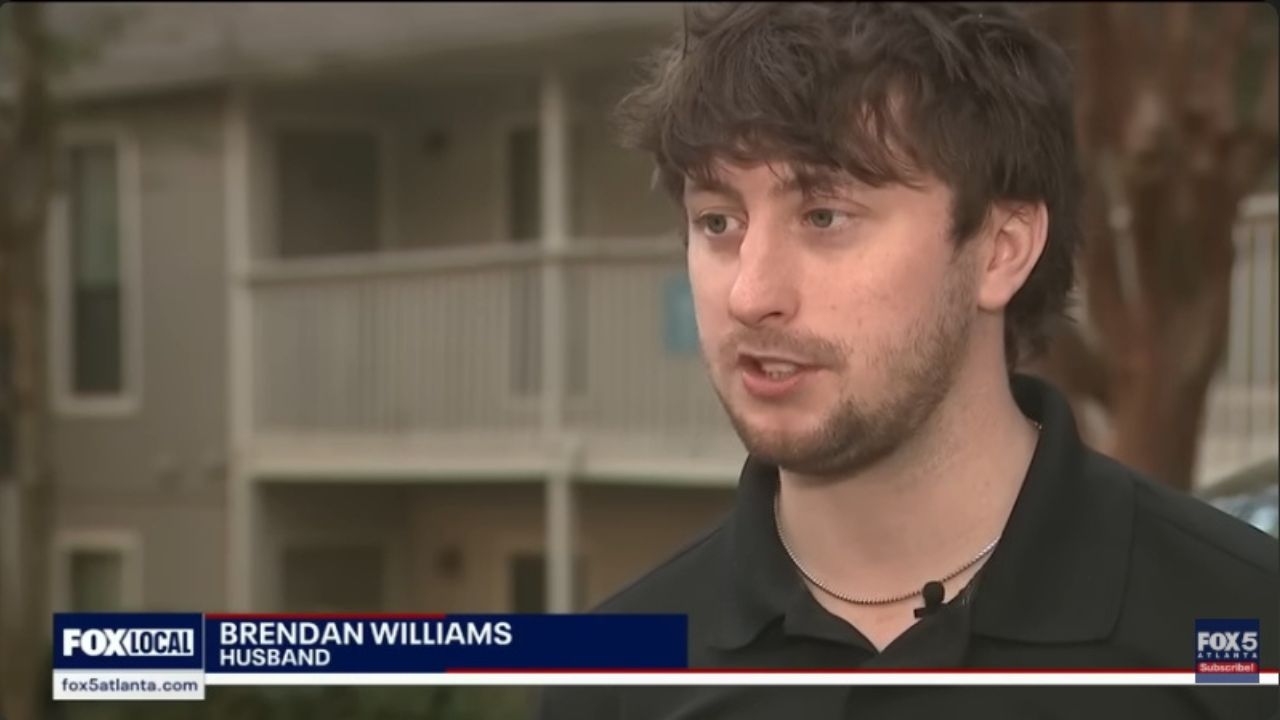
The man suddenly changed his claim. He now said he was an FBI agent. According to him, that explained why he did not have visible badges or standard identification. That explanation only made things worse. Real federal agents carry official credentials, and his inability to produce any was a glaring red flag.
Torres also noticed he was holding an LED remote control in his hand, which he used to turn the flashing lights on and off. That detail confirmed her suspicion that the setup was improvised rather than official.
The situation escalated in a subtle but chilling way. The man walked to the back of her car and began reading her license plate number into a phone, as if reporting it to someone. It was a performance meant to appear legitimate, but by then Torres was already on alert. She had called her husband and was keeping him on the line throughout the encounter.
After a few tense moments, the man returned and abruptly told her she was free to go. No ticket. No warning. No explanation that made sense. Just a quick exit from a situation that was clearly falling apart.
The Aftermath and Arrest
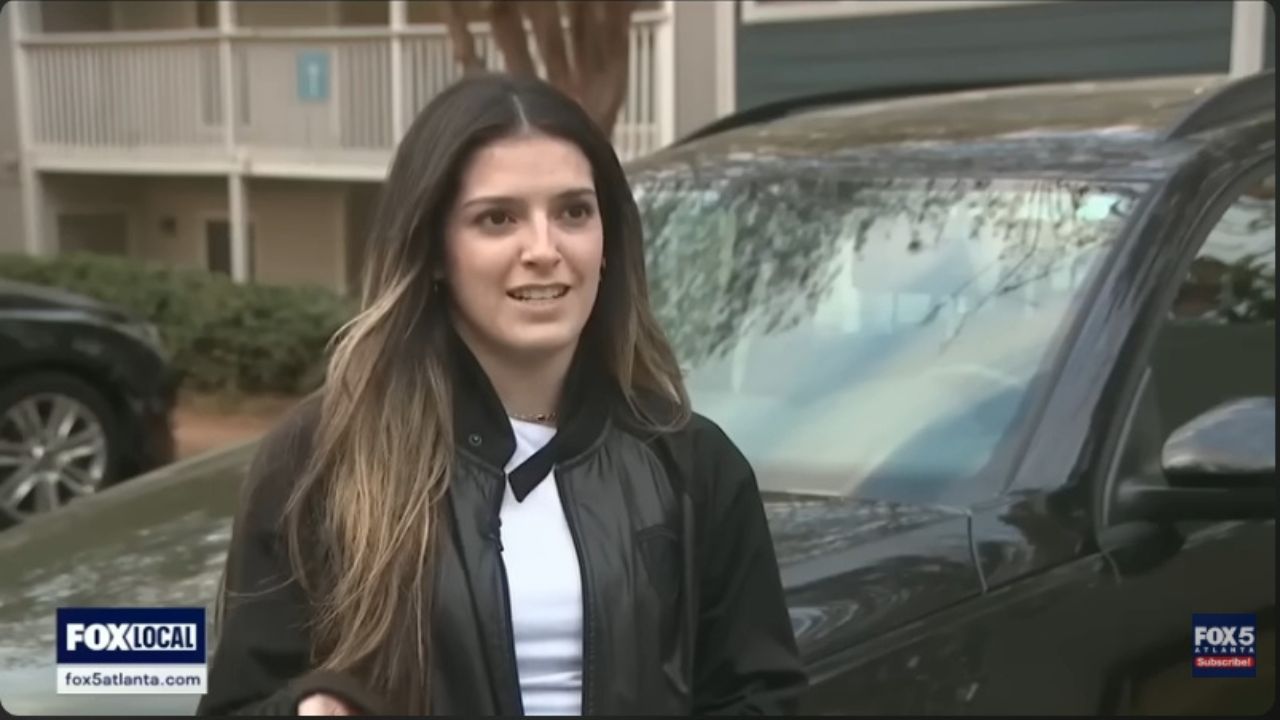
Torres later shared the experience, and her husband posted about it on a neighborhood app. The story quickly gained traction, sparking concern among local residents who realized how easily someone could be deceived by convincing lights and a confident act.
That attention helped investigators zero in on a suspect. Authorities identified a 39-year-old man named Timothy Hayes, who now faces charges for impersonating a public officer. Officials also confirmed he has no affiliation with the FBI.
Law enforcement later emphasized a key point. Real FBI personnel carry official credentials with their photo and can present them when asked. That is not optional.
Ultimately, what stands out is not just the crime, but the response. Torres questioned what did not feel right. She asked for proof. She stayed connected to someone she trusted. And she left the situation safely.
Hidden Dangers of Police Impersonation
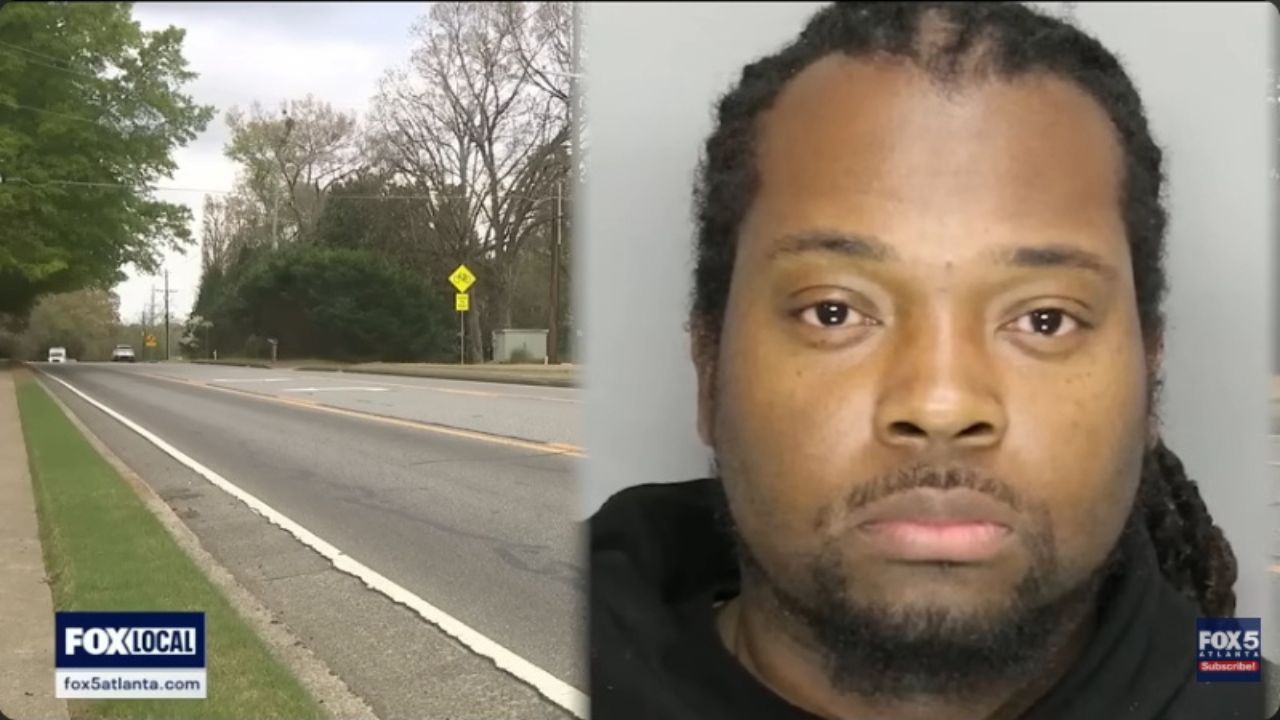
Notably, impersonators like Hayes might just be “playing cop” for the thrill of it, with no further nefarious intentions other than “the joke.” But the danger is that this tactic opens the door to far more serious crimes.
Even if he wasn’t planning something worse, the setup he used—fake lights, a suit, a false claim of authority—could easily be weaponized for other schemes, including robbery, carjacking, kidnapping/abduction, sexual assault, and extortion.
Once a driver pulls over, the impersonator could demand valuables, steal the vehicle, or force the victim out. Pretending to be law enforcement creates a false sense of compliance, making it easier to lure someone into a dangerous situation.
Sadly, there are documented cases of predators using fake police stops to isolate victims of sexual assaults. The impersonator could claim the driver committed a violation and demand “payment” on the spot to avoid arrest.
By asking for ID, licenses, or registration, the impersonator could collect personal information for fraudulent use. Criminals sometimes impersonate officers to stop specific vehicles they know are carrying drugs, cash, or other contraband.
Importantly, even without direct theft, repeated fake stops can sow fear and distrust within a community, undermining confidence in real law enforcement.
The chilling part is how easy it is to make the act convincing: cheap flashing lights, a suit, and a confident demeanor. That’s why police often advise: if you’re unsure, keep driving to a well-lit public area or call 911 to confirm the stop.
Perhaps the most striking aspect of this incident is how Torres trusted her instincts and asked for credentials. That small act of skepticism probably saved her from something worse.