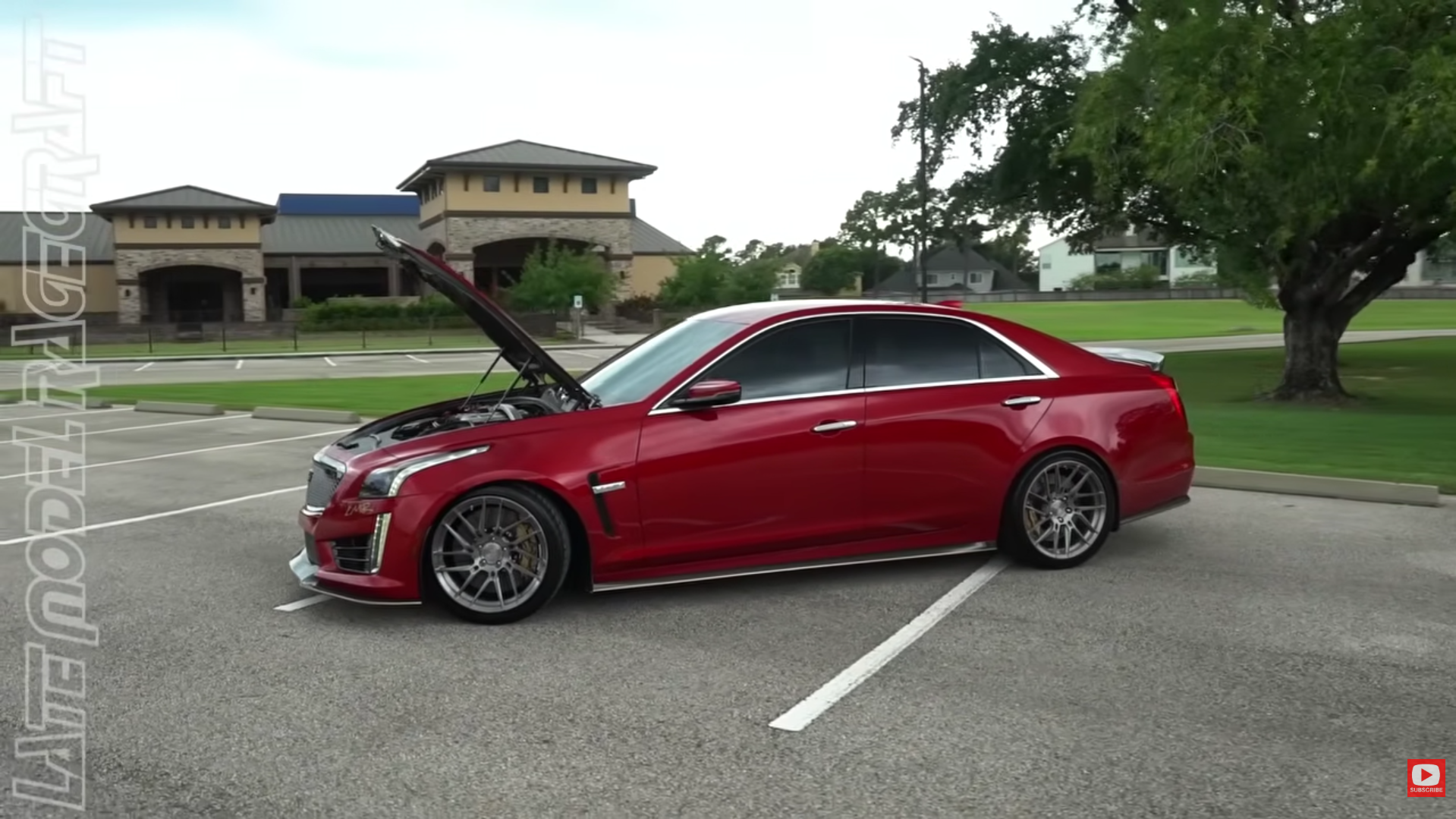
A stock third-generation Cadillac CTS-V was already a formidable super sedan, combining an LT4 supercharged V8 with the sort of performance that could embarrass plenty of dedicated sports cars. One owner, however, decided his 2018 example needed considerably more muscle without sacrificing the qualities that made it usable on the street.
The car was sent to Late Model Racecraft (LMR) with a detailed list of requirements. The owner wanted extra horsepower, a stronger soundtrack, improved handling, and enough durability for weekend driving and occasional road-course use, all while sticking with readily available 93-octane fuel.
LMR responded by taking its 800-horsepower performance package and expanding it with several additional upgrades. The result is a serious bump in power from 515 rear-wheel horsepower to 645 wild stallions, and 622 lb-ft of rear-wheel torque, according to the tuner.
Those figures put this 75,000-mile Cadillac into seriously quick territory, and it will certainly make a stock CT5-V Blackwing driver pay attention once the lights turn green.
The Supercharged LT4 Gets Some Serious Upgrades
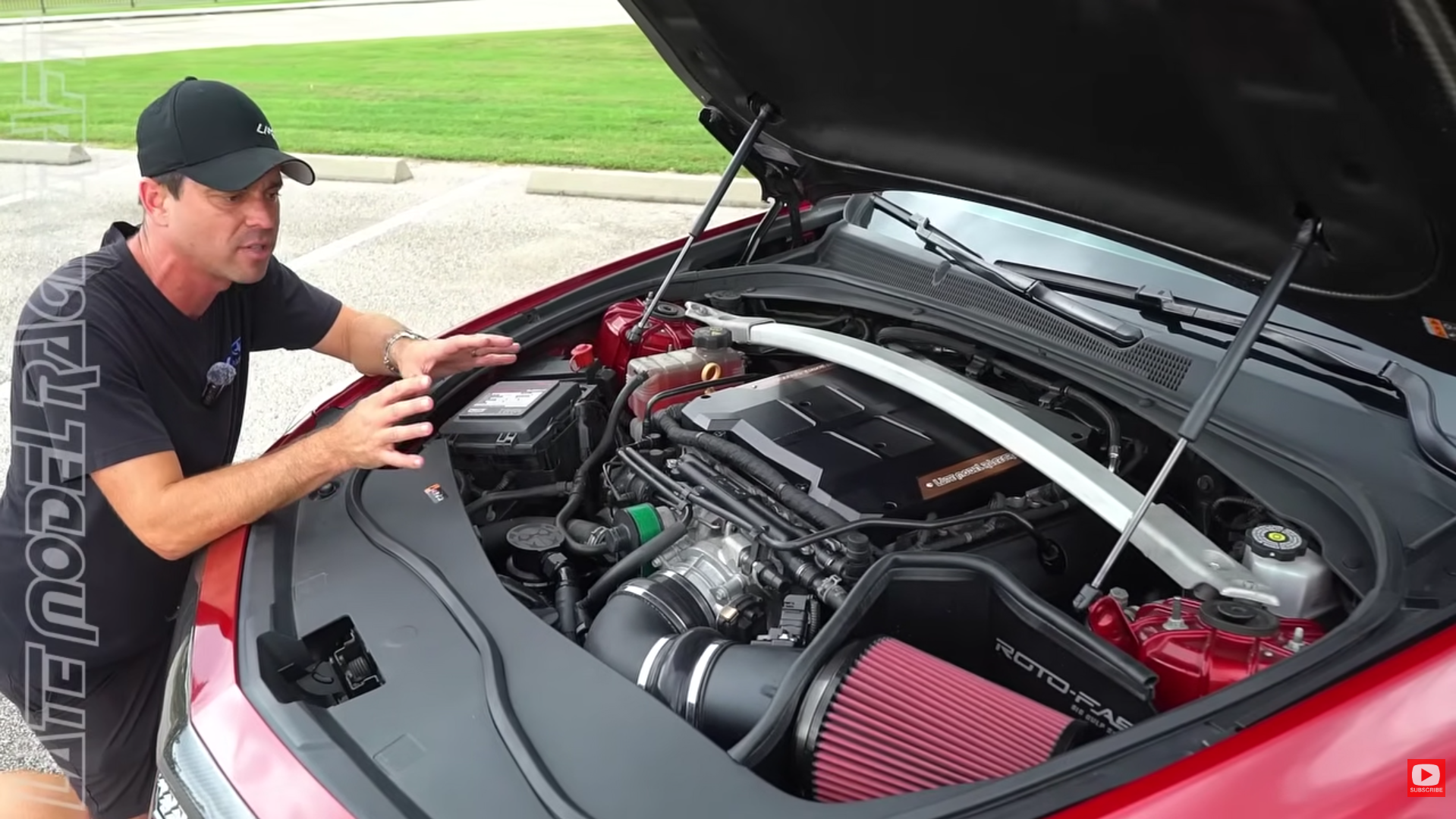
At the center of the build we find Cadillac’s supercharged LT4 V8, although quite a bit has changed around it. LMR installed a cold-air intake, long-tube headers with high-flow catalytic converters, a custom-ground camshaft, and the necessary supporting modifications and calibration.
The shop went further by fitting fully ported cylinder heads, refreshing the guides, seats, valve springs, lifters, and other components touched during the work. Given the car’s approximately 75,000 miles, LMR wanted the upgraded engine to start its new life with refreshed hardware rather than simply stacking performance parts onto aging components.
A billet supercharger lid adds some visual theater under the hood, complete with bronze-colored details that coordinate with the car’s brake calipers and wheel accents. An upgraded in-tank fuel pump was also installed to support the additional output.
LMR says the modifications added roughly 140 to 150 horsepower at the wheels. Despite that increase, the tuner deliberately avoided an especially aggressive camshaft because the owner wanted something that remained comfortable during normal driving.
It Sounds Angry Without Becoming Obnoxious
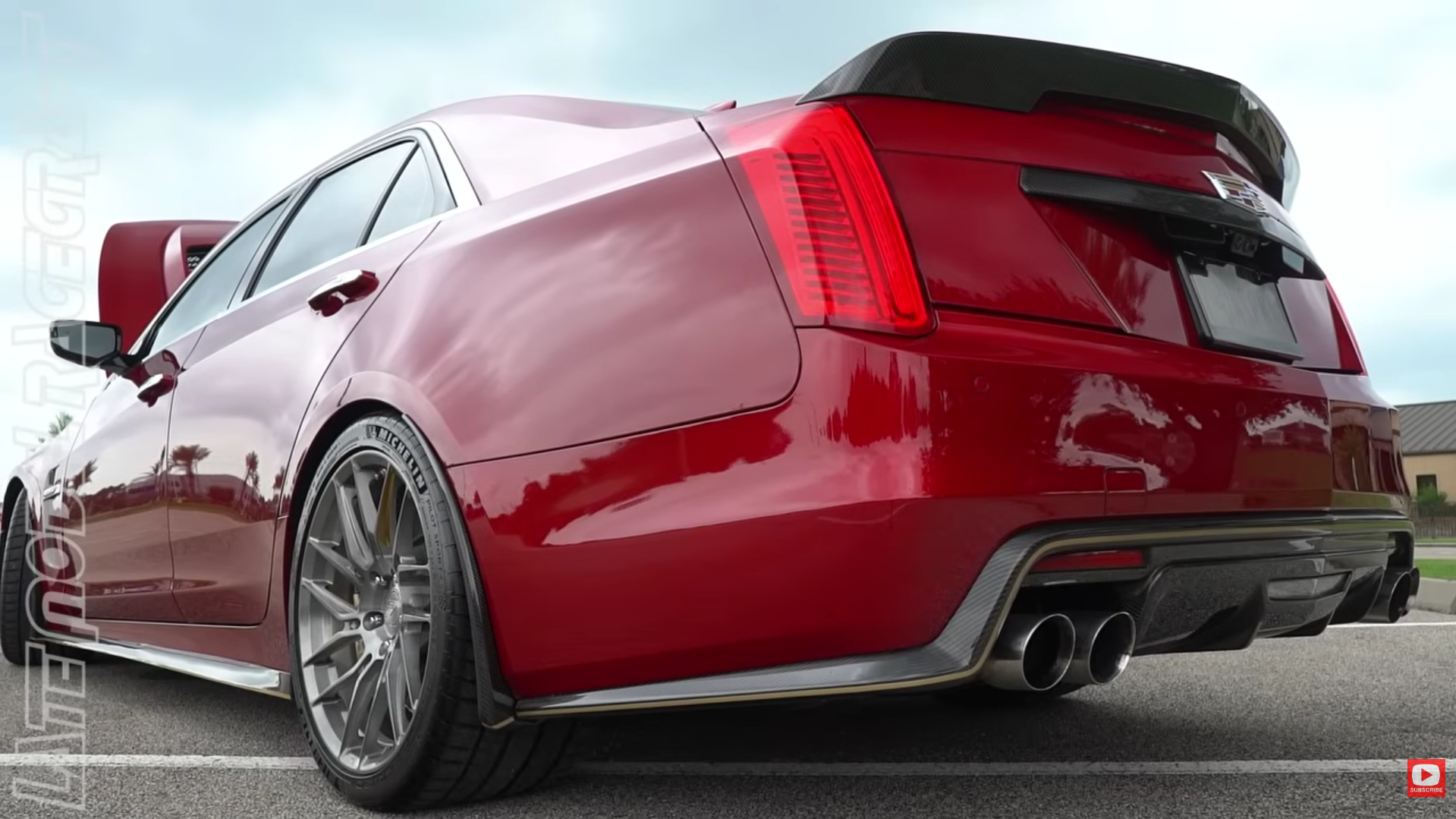
The exhaust received similar attention. LMR fabricated a stainless-steel exhaust section to work with the existing cat-back system, while the long-tube headers and high-flow cats help the LT4 breathe more freely.
With the exhaust valves closed, the Cadillac remains relatively subdued and maintains a smooth idle. Opening them reveals considerably more of the camshaft’s characteristic chop, giving the CTS-V a split personality depending on the driver’s mood.
That restraint is arguably one of the build’s most appealing qualities. A 650-WHP sedan is entertaining enough without requiring its owner to tolerate a bucking idle or deafening exhaust every time they encounter traffic.
A New Torque Converter Fixes Another Problem
The eight-speed automatic also received attention through the installation of a Circle D torque converter. The owner had experienced the transmission shudder familiar to some CTS-V owners and had already tried two fluid flushes without resolving it.
Instead of installing another factory converter, LMR fitted a slightly higher-stall Circle D unit. It was selected both to address the shudder and provide stronger torque multiplication during acceleration without introducing the compromises associated with a much looser drag-racing converter.
The difference became obvious during LMR’s road test. Even with traction control enabled, the CTS-V spun its tires through second gear and into third before finally finding enough grip to put its power down effectively.
The Chassis Wasn’t Forgotten
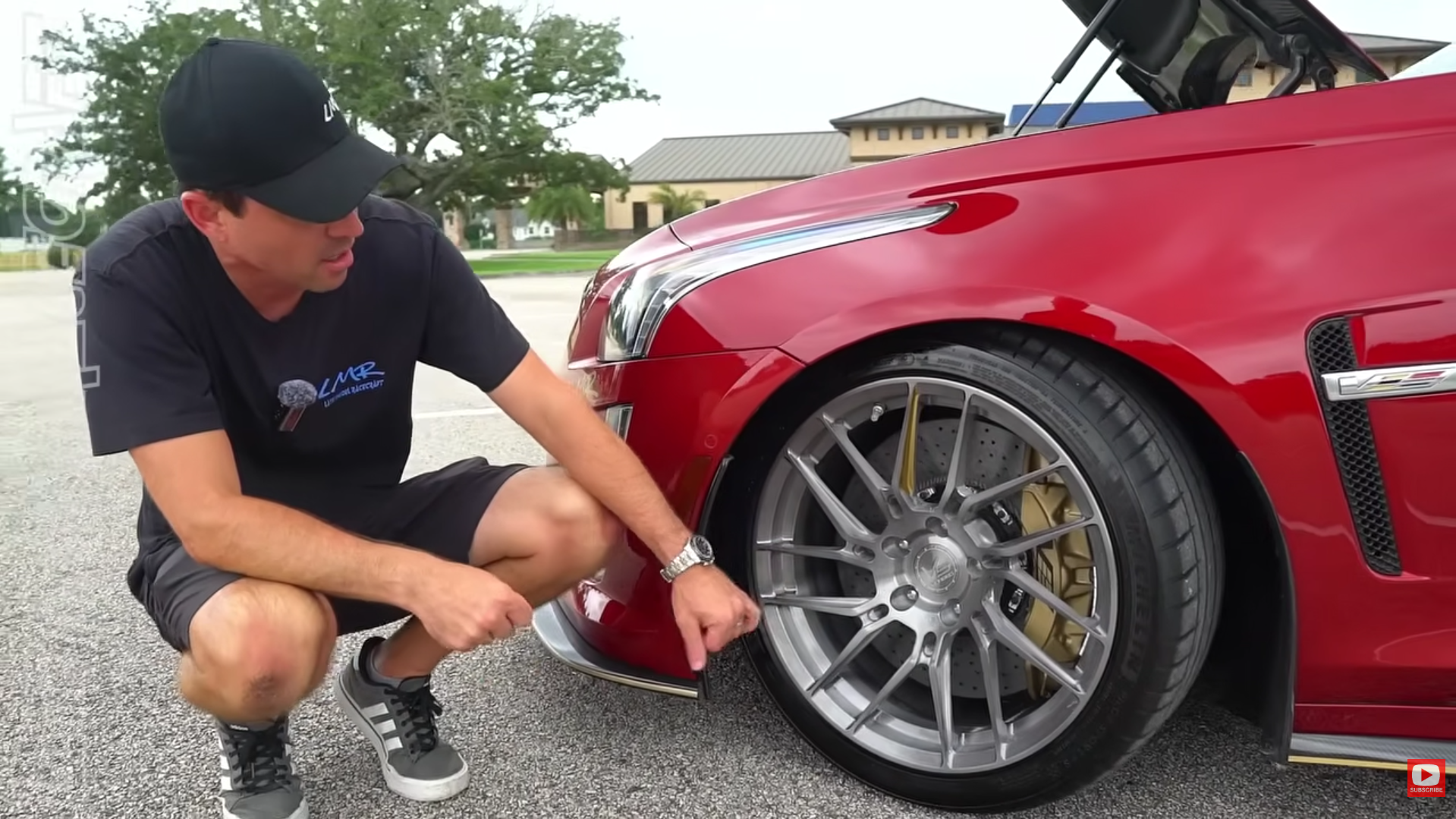
Horsepower wasn’t the owner’s only priority, particularly because he intends to do some road-course driving. LMR therefore upgraded the rear suspension and fitted carbon-ceramic front rotors to improve the Cadillac’s ability to manage its newfound performance.
The tuner noted that the car was stable and tracked straight during hard acceleration. Better rear tires were nevertheless recommended before attempting more serious performance driving, particularly if the electronic traction aids are switched off.
That combination of upgrades arguably suits the CTS-V’s original mission better than chasing an enormous dyno figure. It’s still a comfortable, automatic luxury sedan that can sit happily in traffic, yet now delivers the sort of rear-wheel output normally associated with much more heavily modified machinery.
The CT5-V Blackwing may be Cadillac’s newer super-sedan hero, but this older V3 clearly isn’t ready to disappear quietly. With nearly 650 horsepower reaching the rear tires, it has become one seriously potent sleeper.
Which would you rather have: this modified 2018 CTS-V or a stock CT5-V Blackwing? Let us know in the comments.