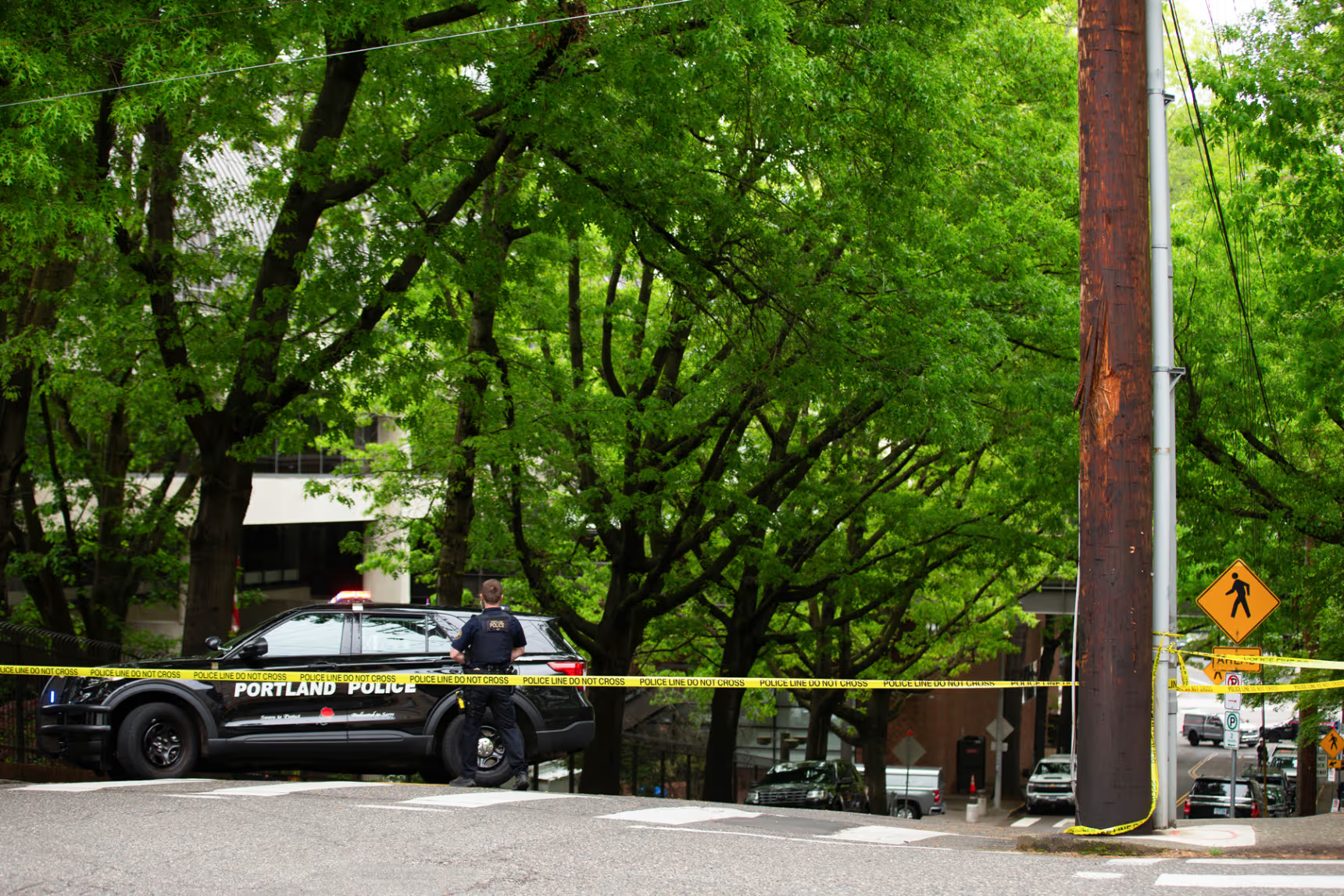
Shortly before 3 a.m. on Saturday, employees at the Multnomah Athletic Club in Portland, Oregon, reported something no one ever expects to deal with on a night shift: a vehicle had just slammed into the building and burst into flames. When emergency crews arrived, they quickly realized this was no ordinary accident. The driver was found dead inside the vehicle, and what investigators discovered next turned a dramatic crash scene into something far more alarming.
Scattered throughout the wreckage were multiple improvised explosive devices, incendiary devices, and propane tanks in various stages of activation. Some had already partially detonated. Others were still live. Portland Fire and Rescue worked to control the blaze while the Portland Police Bureau’s explosive disposal unit was called in to begin the painstaking process of assessing and neutralizing the threat.
FBI agents and Bureau of Alcohol, Tobacco, Firearms and Explosives personnel also descended on the scene to assist local authorities. The block surrounding the club was shut down entirely as investigators worked through what would turn into a many-hours-long operation that stretched well past daylight.
Portland Police Chief Bob Day addressed the situation directly, calling it an “isolated” incident and stating that he does not believe it rises to the level of domestic terrorism. The driver’s identity has not been released, as the medical examiner’s office is still working to make that determination amid the ongoing hazardous conditions at the scene.
“The Most Complex Scene I’ve Ever Dealt With”
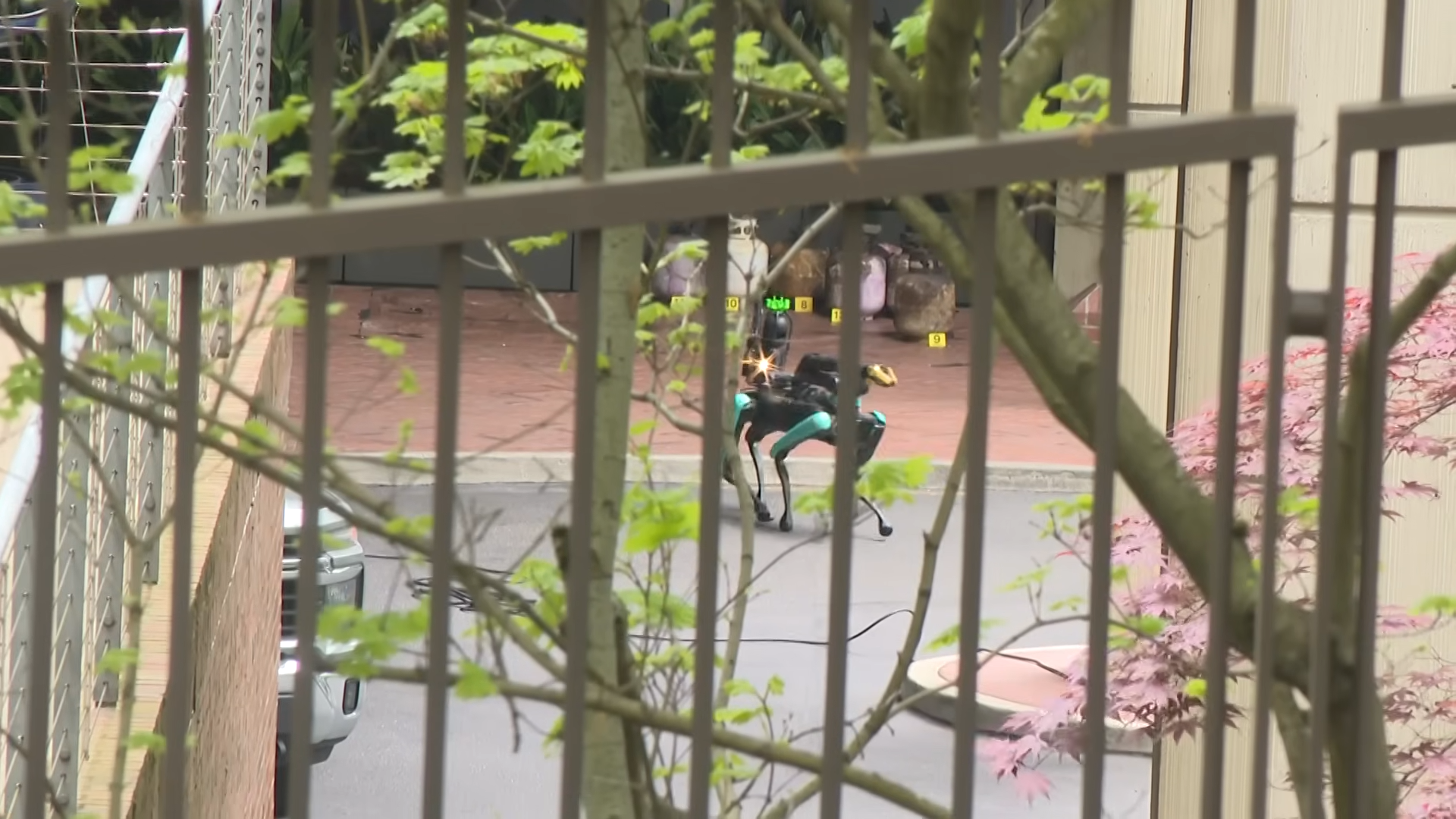
If you want a sense of just how serious the situation was, look no further than the words of Officer Jim DeFrain, who leads Portland’s explosive disposal unit and has been a bomb technician with the city for more than 13 years. More than 14 hours after his team was first called in, they were still processing the scene. Robots were brought in as a remote precaution, given the very real risk that remaining devices could still be set off.
Even with that technology at their disposal, DeFrain did not sugarcoat the challenges his team faced. In more than a decade on the job, he said, this incident stands apart from everything else he has encountered. That kind of statement from a veteran bomb technician tells you a lot about the scale and danger of what was sitting inside that vehicle.
What Is the Multnomah Athletic Club?
To understand why this incident has rattled the Portland community, it helps to know what the Multnomah Athletic Club actually is. Known locally and affectionately as “The MAC,” the club is a Portland institution. Its eight-story clubhouse sits within walking distance of downtown and is packed with amenities: restaurants, swimming pools, exercise studios, a conditioning room, ballrooms, and banquet facilities. It is the kind of place that has been woven into the fabric of the city for generations.
In the wake of Saturday’s incident, the club announced it is closed indefinitely. General Manager Charles Leverton made clear that The MAC is more than a building to those who frequent it. He called on members to pull together and support law enforcement as investigators continue their work, noting that nothing can move forward for the club until that process is complete.
What Can We Learn From This Incident?
While the investigation is still in its early stages and the driver’s motive remains unknown, this incident raises questions worth sitting with. First, the fact that someone was able to load a vehicle with this many explosive devices and propane tanks without triggering any kind of prior intervention points to how difficult it is to detect this type of threat before it materializes. Even with extensive surveillance and security infrastructure in modern cities, a determined individual with enough preparation can create an extraordinarily dangerous situation with minimal warning.
Second, the incident is a reminder of how critical first responders’ specialized units truly are. The expertise of bomb disposal teams, and the painstaking hours they put in well out of the public eye, is exactly what stands between an already dangerous situation and a far more catastrophic one. DeFrain and his team spent over half a day managing a scene that most people never come close to imagining in real life.
Finally, community resilience matters. The way Leverton addressed MAC members, encouraging them to lean on each other, reflects something that holds true after any sudden trauma: institutions and communities recover faster when they face disruption together rather than in isolation.
As the investigation continues with the help of federal agencies, Portland and the rest of the country will be watching for more answers about who drove that car and why.