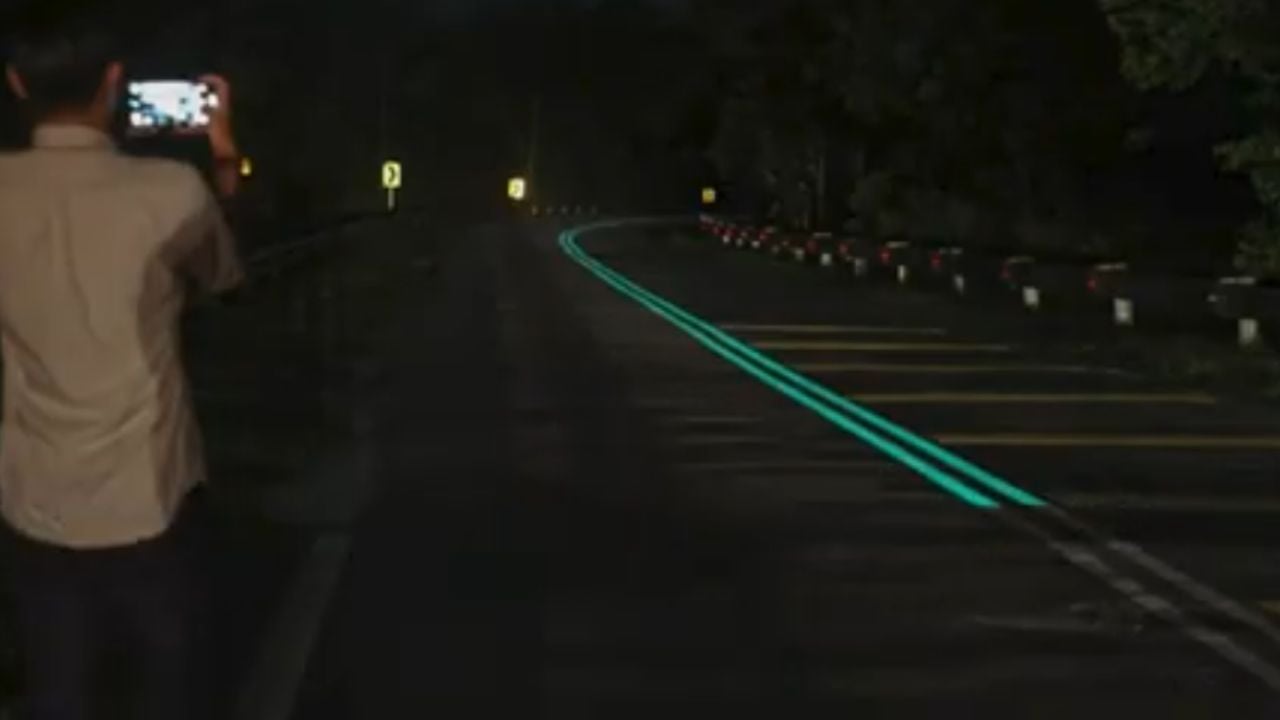

In late 2023, Malaysia unveiled an idea that seemed inspired by a science fiction movie: roads that glowed at night without a single streetlight. The goal was bold and imaginative. In a country where more than 6,000 people die on the roads every year and many rural highways are shrouded in darkness, a paint that absorbs the sun during the day and lights the way at night promised to save lives while cutting energy costs. At first, it seemed like a win-win for safety advocates, green tech fans, and anyone who had ever feared driving in pitch black conditions.
The 245-Meter Pilot
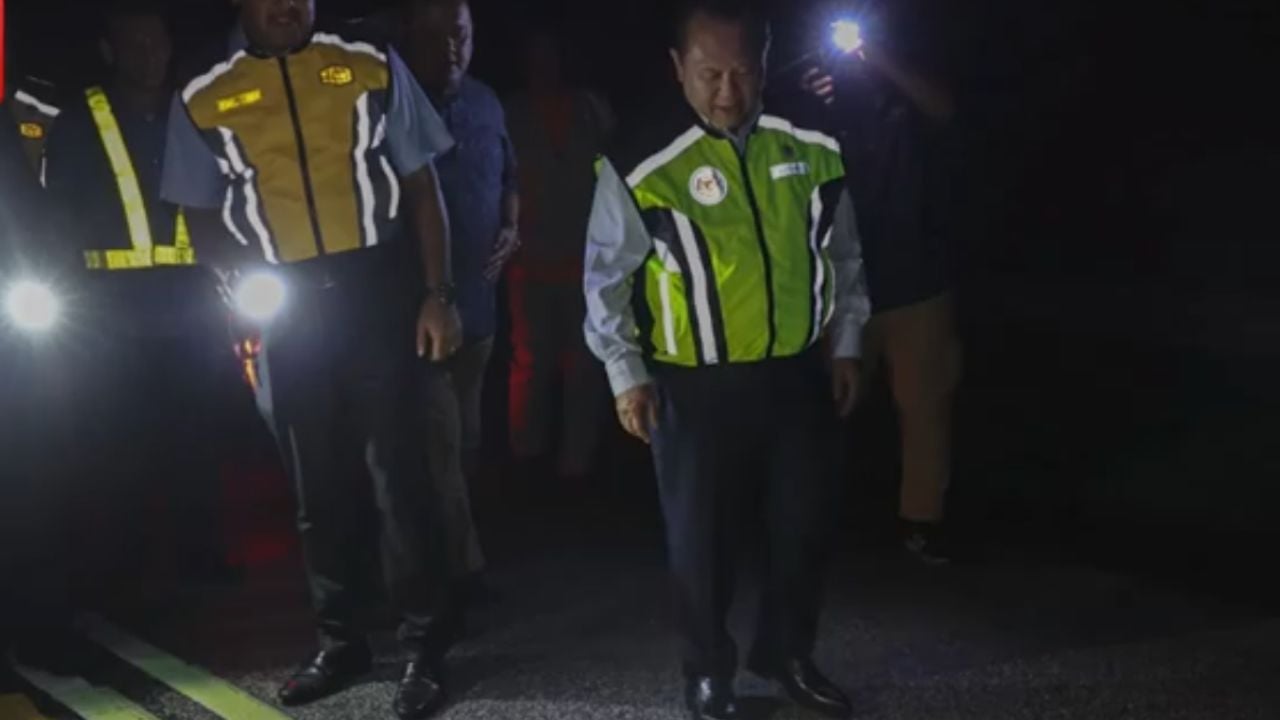
The trial took place on a 245-meter stretch of a rural road near Semenyih, just outside Kuala Lumpur in Selangor state. There, Malaysia’s Public Works Department applied a special photoluminescent coating designed to emit a soft glow for up to ten hours after sunset. The concept was simple: let the sun do the work, then let drivers benefit without the expense and maintenance of electric lighting.
Videos and photos of the iridescent green lanes shared on social media quickly went viral. Some users joked that Malaysia had literally “lit up” the night, while others praised what appeared to be a genuine answer to a persistent safety problem.
In the global context, the idea was not entirely new. Photoluminescent paint has been tested in places like the Netherlands and Japan for more than a decade, usually on bike lanes or short stretches of roadway. These experiments were often hailed as quirky sustainability projects rather than serious alternatives to streetlights. Malaysia’s attempt went further by envisioning a nationwide network of glowing roads in rural and under-lit regions.
The $185/m² Reality
But the experiment quickly ran into the harsh realities that separate clever prototypes from scalable public infrastructure. By late 2024, the initial glow had faded, and by that we mean literally and figuratively. Government officials, including Deputy Works Minister Ahmad Maslan, reported that the trial did not satisfy the expectations of engineers and experts at the ministry. One fundamental problem was cost.
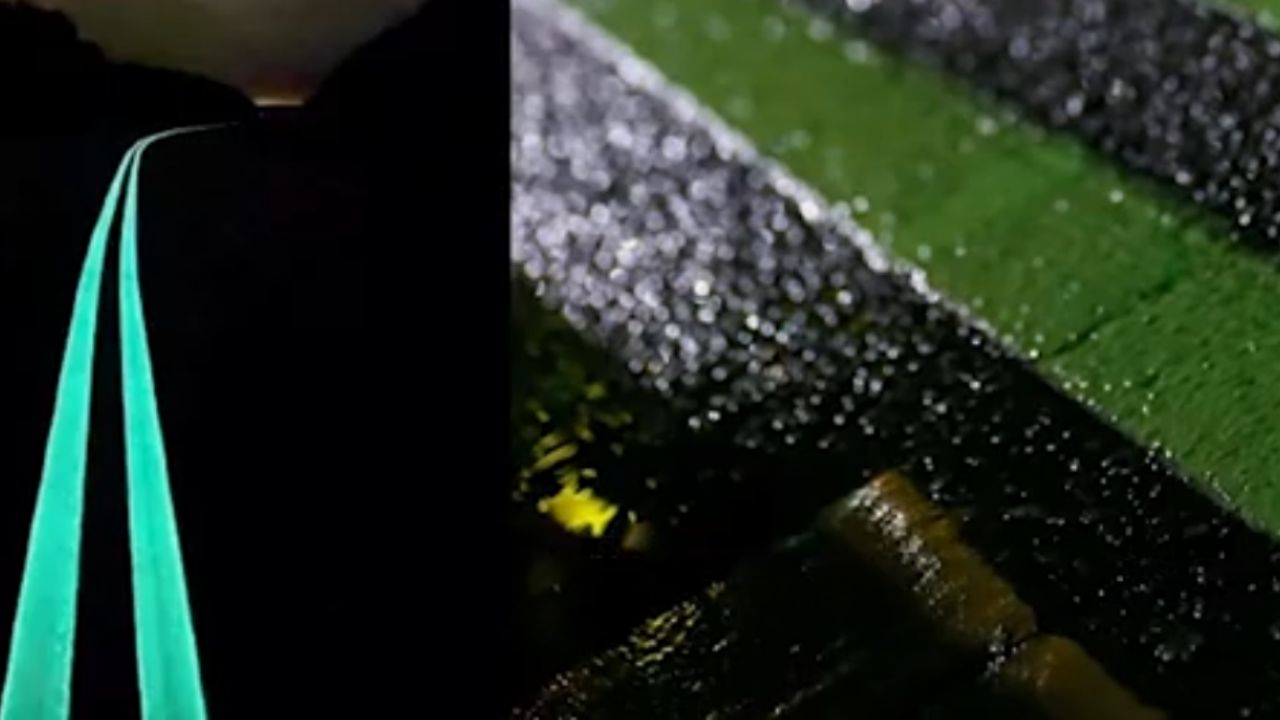
The specialized paint used on the pilot road cost around $185 (RM749) per square meter, which is nearly twenty times more than regular road paint, which hovers around $10 (RM40) per square meter. That disparity made widespread rollout economically daunting.
Durability was another major issue. Malaysia’s tropical climate, characterized by heat, heavy rainfall, and high humidity, proved especially harsh on the luminous coat. Independent analyses and local reporting indicate that the photoluminescent surface lost its brightness more quickly than expected and underperformed in wet conditions.
In some sections, the glowing effect dimmed just hours after sundown, and in several areas the coating began to peel or crack under the weight of traffic and constant weather exposure. These weaknesses raised safety concerns about relying on the glow for navigation in the darkest hours of night or in heavy rain.
The government had originally considered expanding use of the glow-in-the-dark markings to up to 46 more sites across states such as Selangor and Johor, including rural highways where conventional electricity infrastructure is sparse. Those plans have since been shelved. Instead, authorities said the money could be better spent on more traditional safety measures, including repairing potholes, repainting faded lines, and improving drainage and conventional signage.
The sentiment among some drivers echoed that view: innovation is welcome, but basic, reliable road infrastructure still matters more on the ground.
The High Cost of Novelty
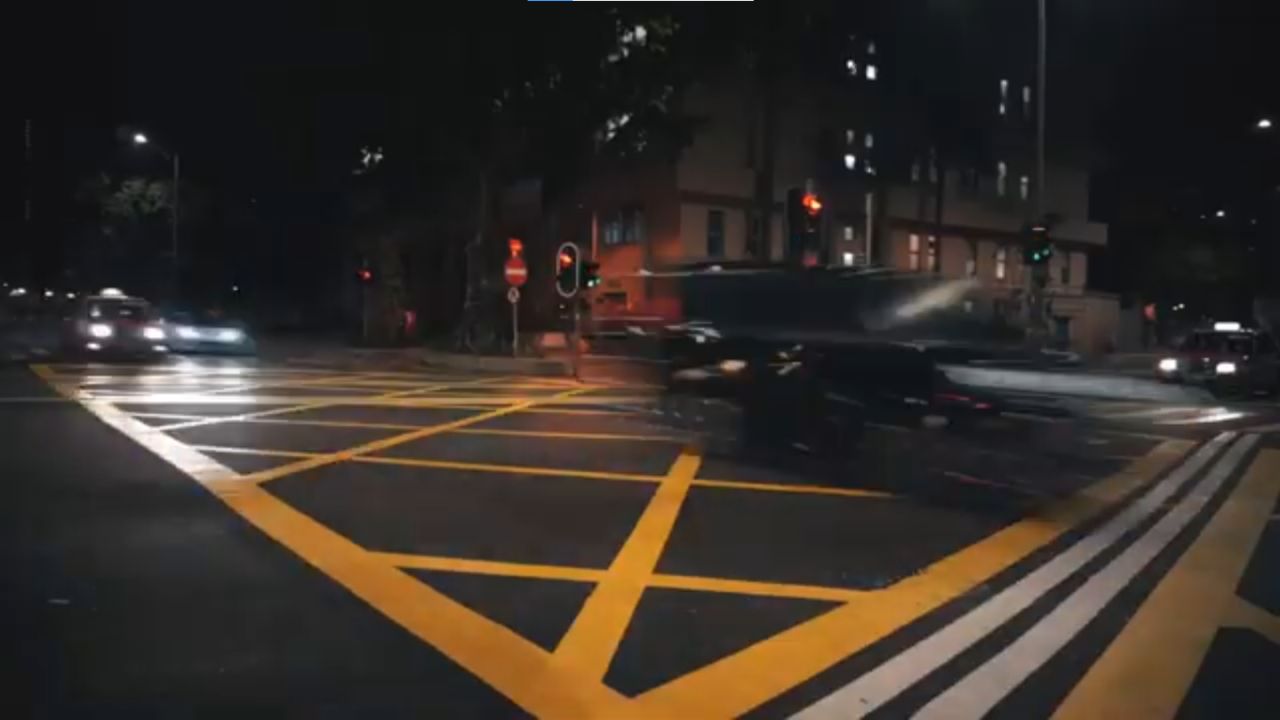
Public reaction in Malaysia shifted as the shortcomings became clear. Early enthusiasm on social platforms gave way to frustration, especially from motorists who experience the country’s uneven road conditions firsthand. A common theme on local forums was a sense that government units were chasing novelty while everyday hazards like potholes, flooded stretches, and outdated reflectors continued to pose risks.
Calls for better enforcement of driver safety and broader infrastructure upgrades often eclipsed discussions about luminescent lanes.
Closer to home, the Malaysian story resonates with a familiar theme: ambitious technological fixes often collide with the realities of scale, climate, and cost. In the United States, transportation agencies at state and federal levels frequently pilot innovative ideas, from connected vehicle infrastructure to adaptive traffic signals, but even the best pilot designs must prove cost-effective and resilient before they are widely adopted.
Malaysia’s glow-in-the-dark road trial is a case study in how compelling technology can go awry when practical constraints are underestimated.
That said, Malaysia merely paused its glowing road ambitions. The idea has not been killed entirely in the scientific world, where researchers continue to refine photoluminescent materials. But as it stands, the country’s first attempt at a future where roads light themselves shows that there is no substitute for durability testing and robust cost-benefit analysis when it comes to public infrastructure.