A great national park road trip is rarely built on luck. It comes together through timing, preparation, and a little humility about how quickly weather, traffic, and trail conditions can change once you leave town behind. The National Park Service urges visitors to plan ahead, check alerts, and use the official NPS app before arriving. That is the polite federal version of saying that improvising everything can turn beautiful scenery into a logistical headache.
That does not mean the whole trip has to feel overmanaged. The smartest travelers deal with the practical details early so the drive itself can stay loose, memorable, and open to the strange little moments that actually make these trips stick. With reservation systems, offline maps, wildlife rules, and weather alerts shaping more park visits than they used to, the best approach is to treat preparation as part of the adventure rather than the dull prelude to it.
1. Check Reservation Rules Before You Lock the Route
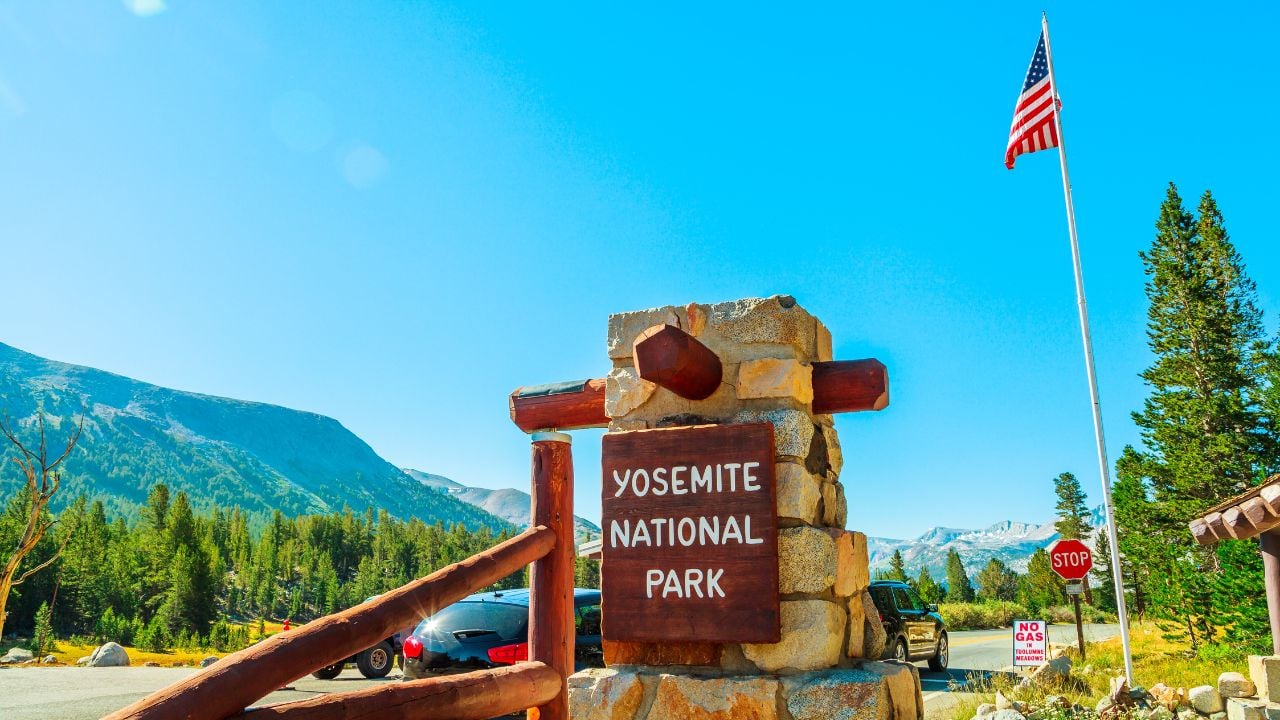
Some of the country’s busiest parks now use timed entry systems, advance reservations, or other seasonal access rules, and those policies can change from one year to the next. The Park Service directs visitors to check park-specific rules and reservation information through official park pages and Recreation.gov before they travel. That matters because the difference between “we’re all set” and “why are we parked outside the gate” can come down to one missed booking window.
Recent examples show why assumptions are risky. Yosemite says it will not require vehicle reservations in 2026, while Rocky Mountain National Park begins its 2026 timed-entry system on May 22 during certain hours of the day. Same country, same summer, very different rules, which is exactly why route planning should start with access rules instead of assumptions.
2. Download Maps Before the Signal Disappears
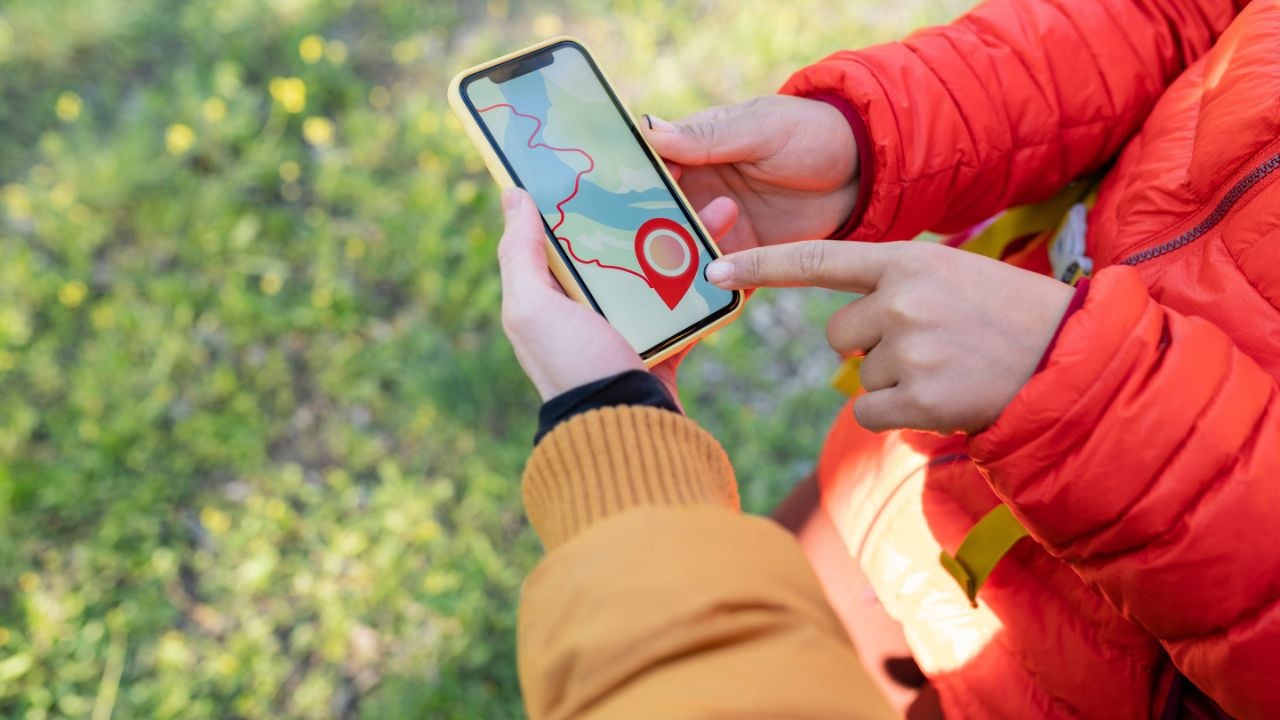
Cell service in many parks is weak, unreliable, or absent the moment the scenery starts getting interesting. The NPS app is built to let visitors download park content for offline use, and individual parks repeat that advice often. Acadia tells visitors to save the park for offline use, while Great Smoky Mountains says to download the park before leaving town so it works where cellular service is unavailable. That is the kind of boring-sounding advice that becomes very exciting when you are standing at a junction with no signal and fading battery.
Offline planning does more than help you find a viewpoint. It gives you maps, alerts, road information, trail details, and landmarks without turning your day into aimless circling or repeated reload attempts. Acadia even suggests using airplane mode after downloading the app, which sounds minor until you realize how useful that becomes when you are running low on charge and still several hours from the end of the day.
3. Start Earlier Than Your Vacation Brain Wants To
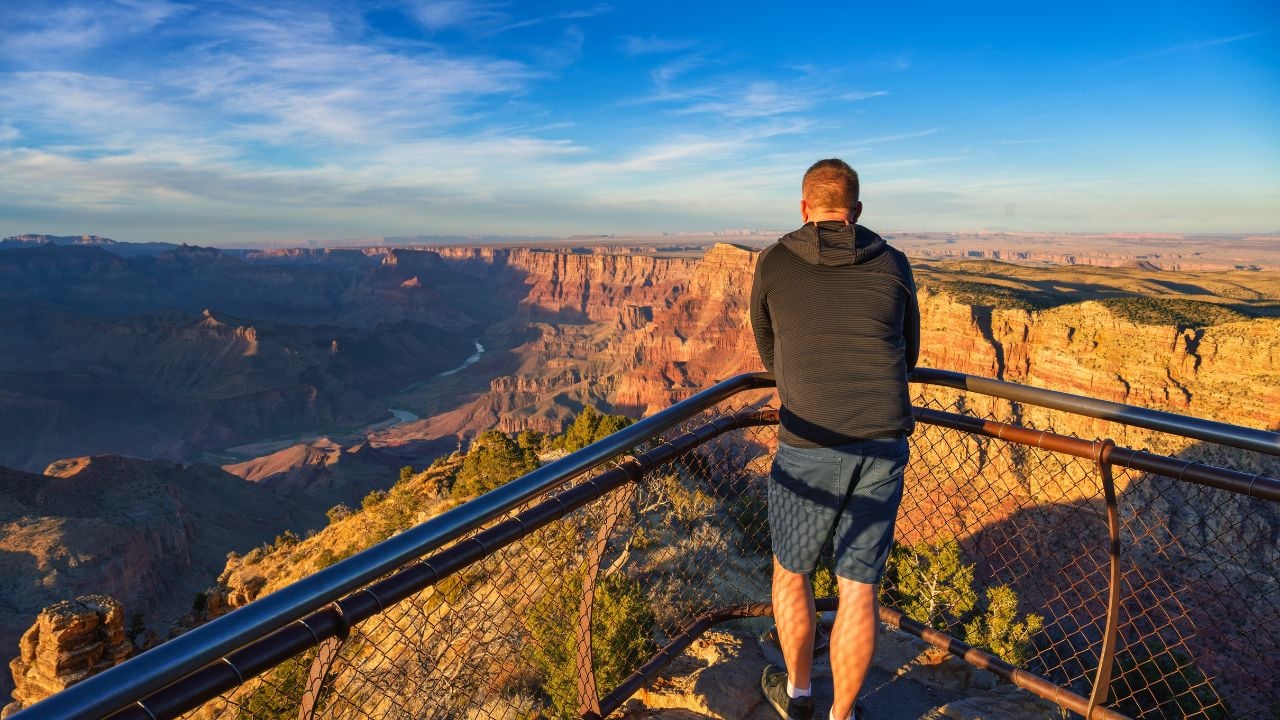
Many of the country’s best-known viewpoints, trailheads, and scenic roads are easier to enjoy early in the day. The Grand Canyon’s heat guidance says hikers should avoid being out between 10 a.m. and 4 p.m. and instead aim for an early start or a later finish. That advice is especially important in hot parks, but the basic logic works almost everywhere: better temperatures, lighter traffic, easier parking, and fewer people fighting for the same overlook.
An early start also buys you something harder to measure but easy to notice. Wildlife is often more active, roads feel calmer, and famous stops are more likely to feel like actual places rather than crowded checkpoints. On a long driving loop, those quieter morning hours can set the rhythm for the entire day and leave enough breathing room for a spontaneous stop later on.
4. Pack Like a Grown-Up, Not Like a Snack Raccoon

The National Park Service’s Ten Essentials remain one of the simplest and best packing frameworks for day hikes and short outings that can become more complicated than expected. The list covers navigation, sun protection, insulation, illumination, first aid, fire, repair tools, food, water, and emergency shelter. Those basics are there for exactly the kinds of problems that ruin park days: minor injuries, sudden weather changes, and delays that stretch longer than you planned for.
Footwear and water deserve more respect than many travelers give them. NPS hiking safety guidance says heels, open-toed shoes, and flip-flops are not ideal for hiking, while Saguaro’s hiking page notes that on hot, dry summer days people may need about one quart of water per hour of hiking. That is a useful reminder that “I packed a bottle” and “I packed enough” are very different statements.
5. Treat Wildlife Like Wildlife, Not Like Background Decor
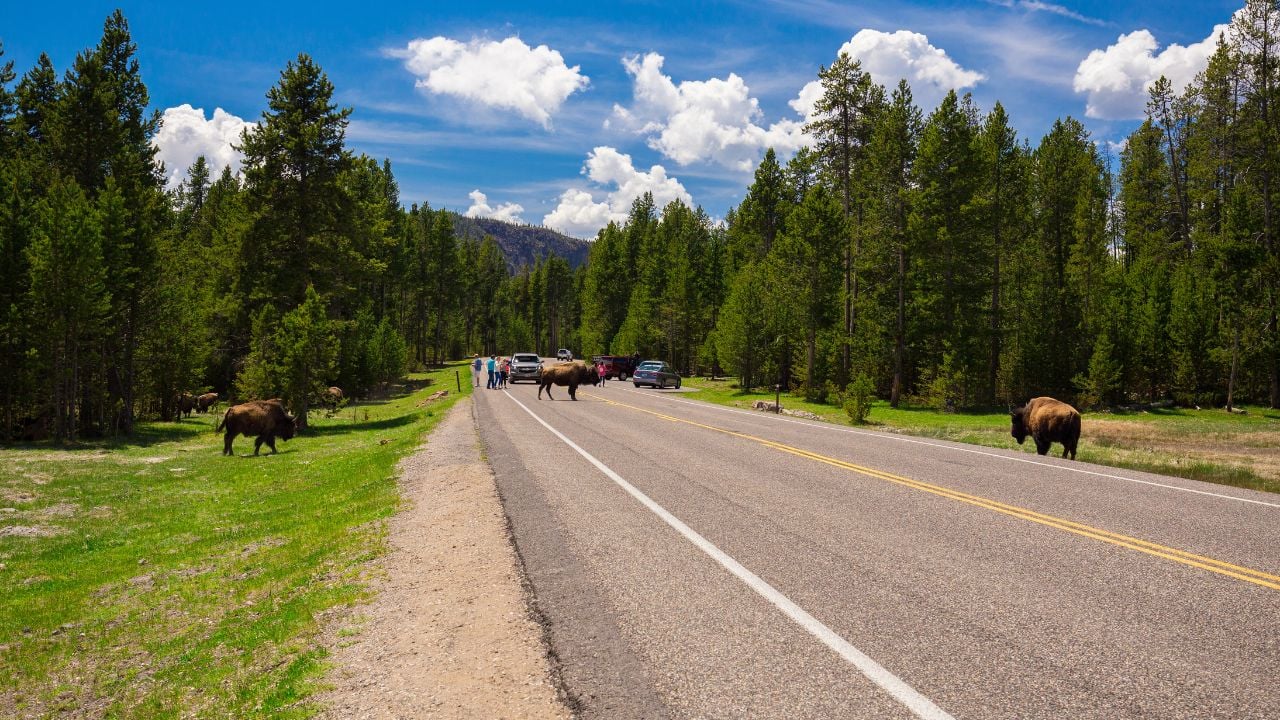
One of the fastest ways to wreck a park day is to treat a wild animal like part of the set dressing. The Park Service says many parks require at least 25 yards of distance from most wildlife and 100 yards from predators such as bears and wolves, though some parks set stricter standards. The simplest rule is still the best one: if an animal reacts to your presence, you are too close.
Food handling matters almost as much as distance. Olympic tells visitors to secure food, trash, and other scented items from wildlife, while Yosemite requires food storage in lockers at campsites, and Sequoia and Kings Canyon publish detailed food and garbage storage rules. A messy campsite, an open cooler, or a carelessly dropped pack can create trouble for both people and animals, which is why smart travelers keep camp clean and never feed anything local and furry.
6. Leave Room in the Schedule for Weather and Road Surprises
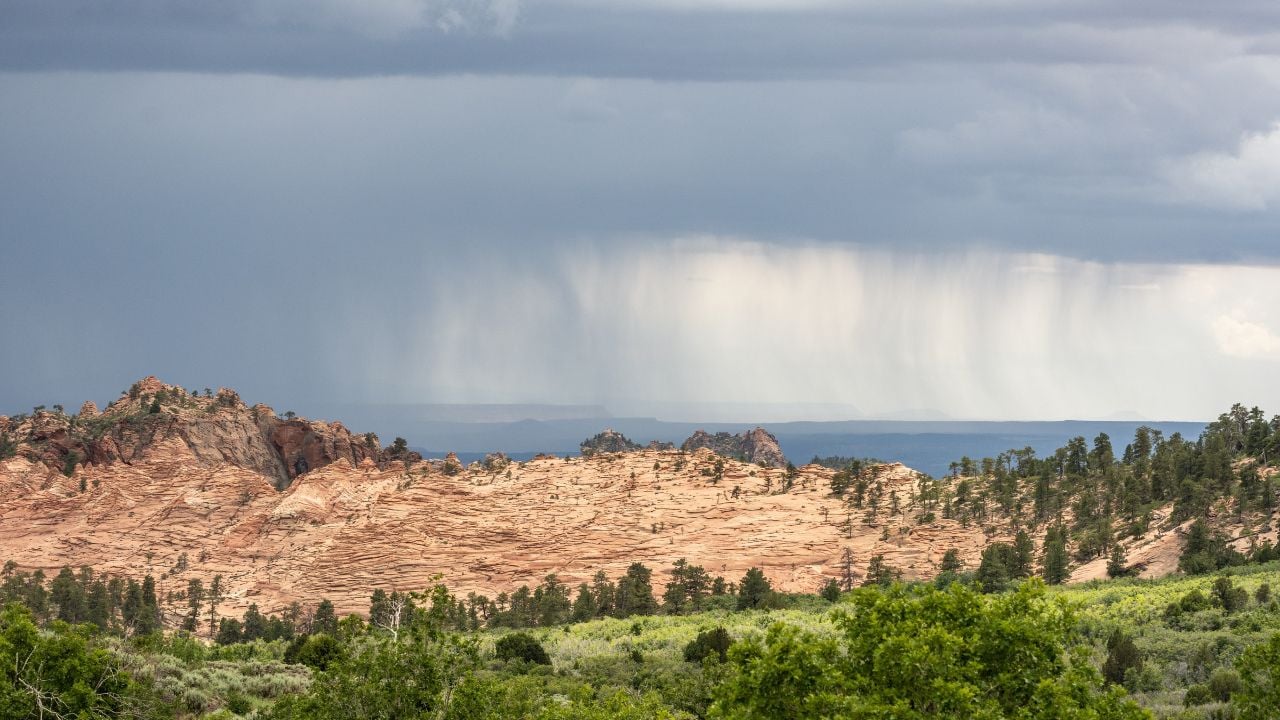
Road-trip fantasies love clear skies and perfectly open roads. Real national parks deal in closures, storms, snow, flooding, rockfall, and sudden changes that do not care about your itinerary. That is why it pays to check official alerts and current conditions pages such as Yellowstone’s road status map or Grand Canyon’s alerts and conditions hub before and during a trip. A little slack in the schedule can save a lot of frustration later.
Desert parks and canyon country deserve especially serious weather respect. Zion warns that flash floods can be caused by storms miles away and may be life-threatening, while Death Valley says not to hike in canyons during an active rainstorm or when heavy precipitation is likely. Building one backup plan into each day is not pessimism. It is how you keep a dramatic weather turn from becoming a very expensive lesson.
7. Use Passes and Family Programs To Get More Out of Every Stop
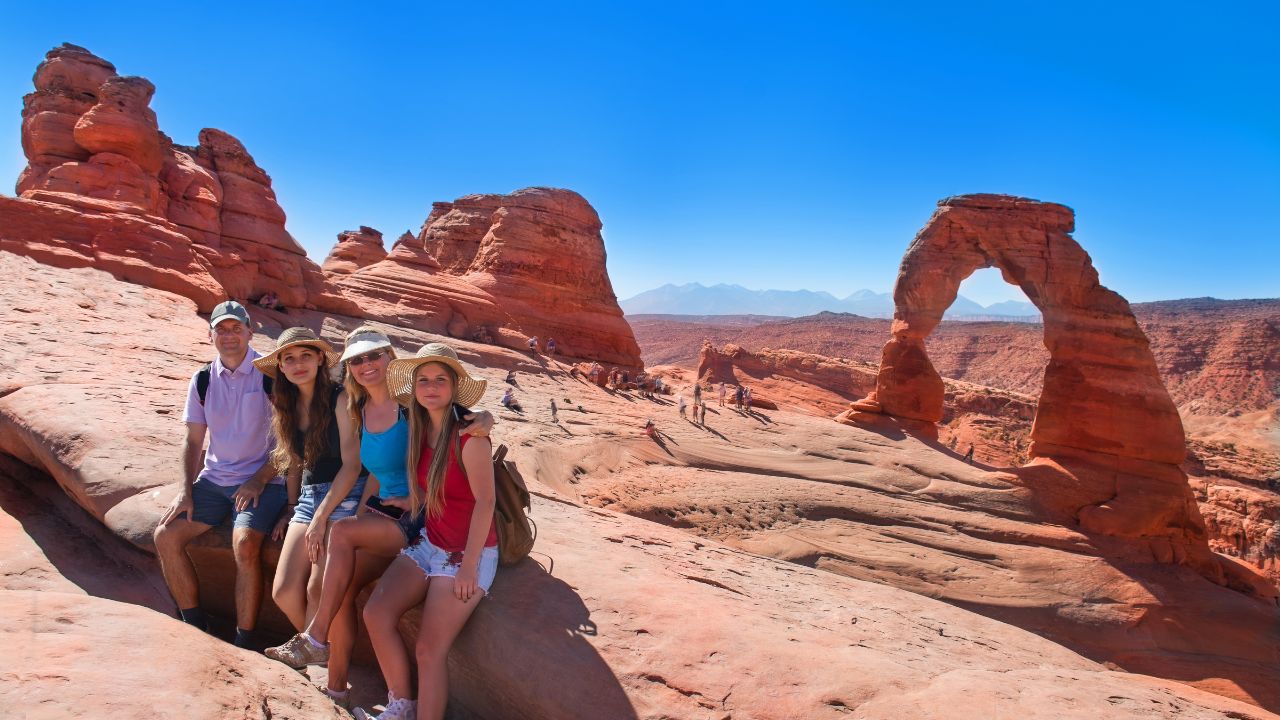
Entrance fees can pile up surprisingly fast on a longer loop, which is why it helps to understand the system before you hit the first gate. The America the Beautiful pass series covers entrance fees and standard amenity day-use fees at participating federal recreation sites, and it can make a multi-park itinerary a lot easier on the budget. It will not make gas prices any less annoying, but it can stop your trip from getting chipped away by separate entry fees at every stop.
Families have another useful card to play. The Every Kid Outdoors program gives eligible U.S. fourth graders and their family members free access to more than 2,000 federal lands and waters, while Junior Ranger programs are designed for kids and families but are open to all ages. A road trip usually gets better when children are not just being pulled from overlook to overlook but are collecting badges, following activity prompts, and feeling as if they actually belong in the place they are visiting.