A Tesla Model 3 owner liked driving his car, but missed the sound of a gas engine. His solution was to buy enough noise-making equipment to give the electric sedan a very different personality.
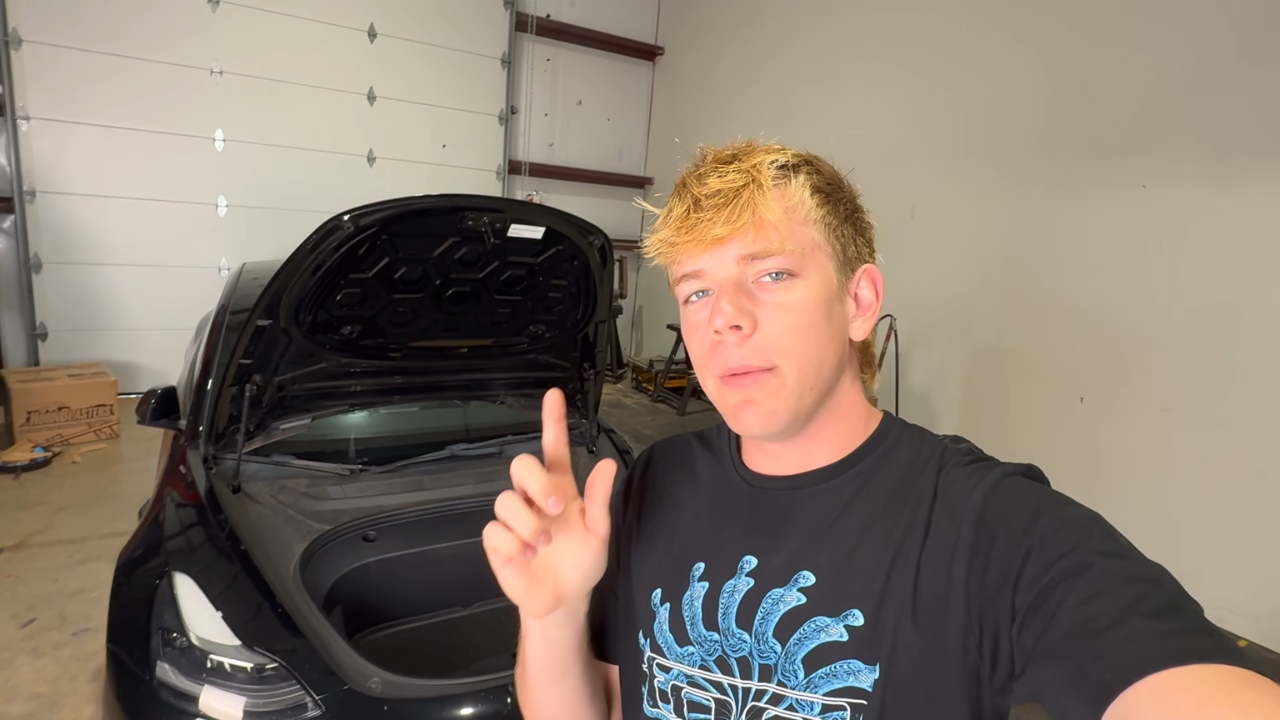
YouTube creator djkrell documented the project in a video posted October 11, 2026. He set out to build what he called the “world’s loudest Tesla,” with three upgrades and help from several friends.
His taste in car sounds ranged from classic muscle cars to a 2001 Honda Civic. He described himself as a lifelong car guy, with room for both in his list of favorite engine sounds.
An electronic exhaust sound system was part of the plan. Before even getting it working, he called it “possibly the corniest item I think I have ever purchased.”
Some Assembly Required
Embedded media follows; please allow a moment for it to load.
The exhaust kit stalled the project almost at once. The instructions were in Russian, and the photos didn’t match their kit, he explained. After a couple of hours trying to figure it out, they put that job aside rather than risk damaging the car.
Next came a subwoofer kit for the back of the Tesla. A friend helped with the wiring, though removing the car’s trim brought its own frustrations. During the work, someone announced that something had broken.
Once the bass was working, djkrell compared the experience to being a high schooler in a worn-out Honda Civic. He still had a train horn to install, and fitting it required a different approach.
With no space underneath the car for his planned installation, he chose the front trunk, or frunk. Removing its liner made room to work, and the group decided to build a bracket for the compressor. He had leftover steel from a jet engine project the year before. After the horn was installed, he reported a reading of about 124 decibels.
A Pricey Soundtrack
His neighbor got the electronic exhaust system connected after keeping the car for the day. With the sound linked to the accelerator, djkrell could finally try the purchase that had started the installation trouble.
He said he paid a discounted $1,000 and that the company hadn’t sponsored the video. His initial verdict on the price was harsh, though trying the system brought plenty of laughter. He reported about 100 decibels up close.
By the end of the test, he was giving the fake exhaust some credit. “It’s silly, but we’re here smiling and laughing, so it may be a good product.”