A driver thought he could outsmart the gas pump with a jar of water, some wires, and a homemade hydrogen generator. He thought his invention would make his car use less fuel. Instead, it sent him to a repair shop with a check engine light and a problem he wasn’t willing to fix.
When a technician looked under the hood, he found a large glass container connected to the engine by hoses and electrical wiring. The setup had caused a significant vacuum leak, according to the service worker who shared the story. Instead of disconnecting his invention, the customer paid the diagnostic fee and drove away.
That bizarre encounter sparked a Reddit discussion filled with stories from automotive service workers about questionable vehicle modifications. Responses included a teenager who allegedly caused $10,000 in wiring damage while installing speakers, and a Mercedes-Benz owner who reportedly drilled straight into his fuel tank.
Some modifications were intended to improve performance or save money; others were purely decorative. The accounts haven’t been independently verified, but federal agencies have also warned about the potential for costly damage and serious injuries.
A Homemade Solution
What’s the weirdest vehicle modification you’ve seen that caused the service visit?
by
u/BlownCamaro in
serviceadvisors
The original poster, u/BlownCamaro, shared the hydrogen-generator story in the r/serviceadvisors discussion.
According to the post, the customer didn’t mention the unusual equipment when he brought the vehicle in for a check engine light. A technician discovered the setup while investigating the problem.
The device was connected to the engine and was apparently meant to reduce fuel consumption. However, the technician found a vacuum leak and explained that they would need to disconnect the equipment to address it. The customer declined the repair.
Producing hydrogen from water through electrolysis requires electricity, and generating that electricity through a vehicle’s engine introduces additional energy losses. A setup like this is unlikely to save much gas.
The Environmental Protection Agency evaluates aftermarket devices marketed as fuel-saving products. The agency cautions consumers about unsupported efficiency claims, particularly when a manufacturer promises improvements without reliable testing.
A Costly Mistake
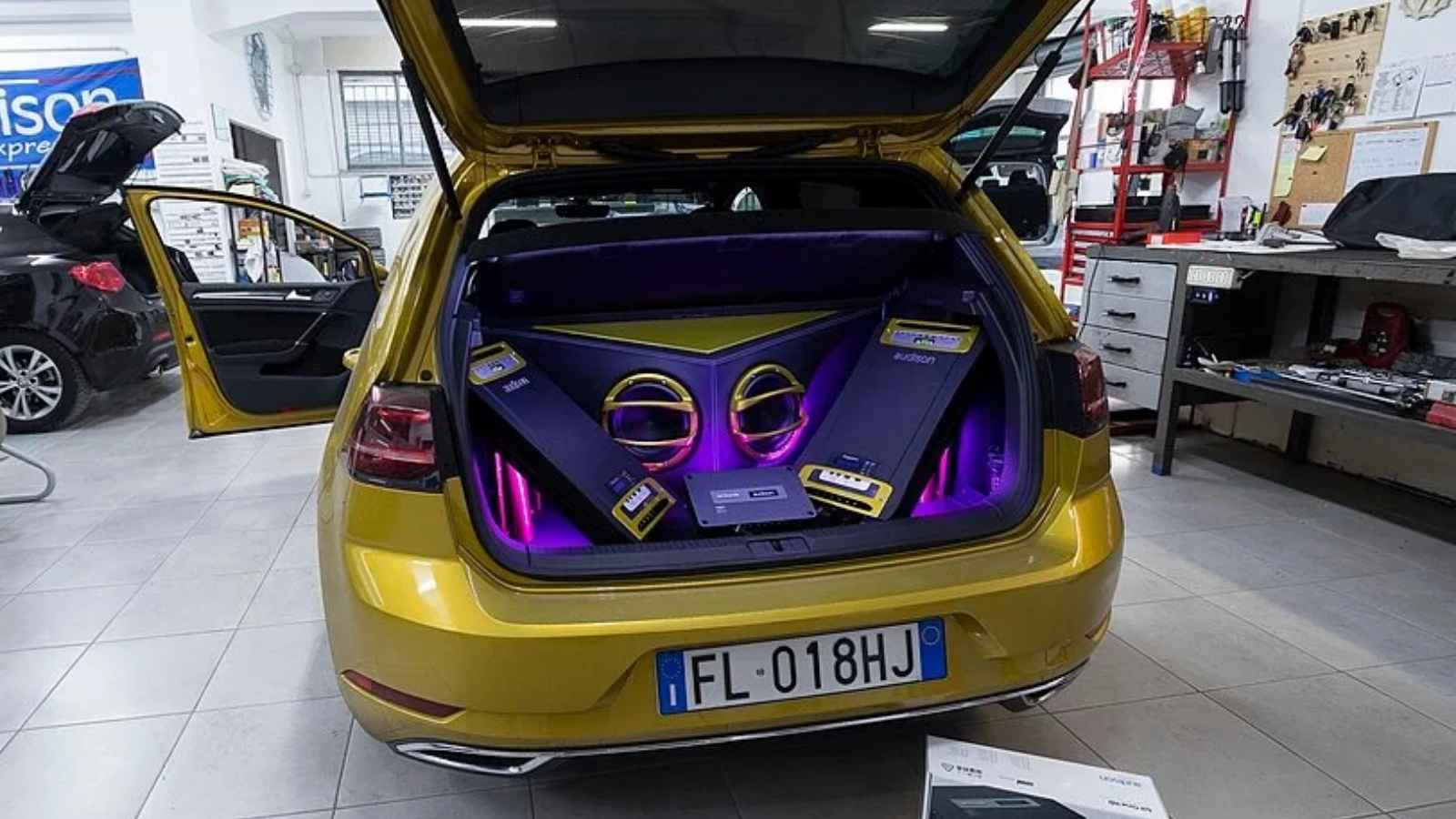
One of the most expensive accounts involved a teenager who wanted to install subwoofers in a 2024 vehicle.
While drilling through the firewall to route a power cable, he struck the main wiring harness and damaged 35-40 wires. Fixing the mistake reportedly cost about $10,000. According to the commenter, the teenager’s mother took out a home equity line of credit to cover the repair bill.
Another customer made a similarly destructive mistake while mounting speakers in a Mercedes-Benz. Instead of checking what lay beneath the mounting points, the owner reportedly drove screws through the rear seat area and trunk floor.
The screws punctured the fuel tank, leaving the vehicle in need of an expensive replacement. That repair allegedly cost approximately $5,000.
Warranty Trouble
A cold-air intake installation brought another driver an unexpected problem. A Honda Civic owner accidentally dropped a screw into the intake system while installing the aftermarket equipment, and the screw eventually damaged an engine valve. The owner sought warranty coverage, but Honda reportedly denied the request.
Under federal consumer protection rules, installing aftermarket equipment doesn’t automatically void a vehicle’s warranty. The Federal Trade Commission explains that manufacturers generally must demonstrate that an aftermarket part or its installation caused the damage before denying coverage on that basis.
Dangerous Decorations
Not every questionable modification involved mechanical work. Commenters also mentioned rhinestone-covered steering wheels and decorative accessories attached near vehicle controls. Those changes might look harmless, but some have been linked to serious injuries.
In May 2024, the National Highway Traffic Safety Administration warned motorists about aftermarket steering-wheel emblems decorated with rhinestones or similar materials.
During an airbag deployment, an attached decoration can break free and strike the driver. Unlike ordinary trim pieces, these accessories may sit directly over the airbag cover.
The warning followed reports of serious injuries involving such decorations. In one case, a driver lost sight in an eye after a decorative emblem became a projectile during a crash. Another driver suffered severe injuries to the face and neck.