

As the dust settles on the end of federal EV incentives in the United States, fresh data shows that Tesla has regained an iron grip on the American electric vehicle market. New estimates from Cox Automotive reveal that Tesla’s share of U.S. EV sales soared to 59 percent in the fourth quarter of 2025, up sharply from 41 percent the quarter before.
This resurgence comes not because of a booming EV market but largely because traditional automakers have pulled back on their EV efforts, surrendering ground to the company that made electric cars mainstream in America.
Tesla’s 59 percent slice of the U.S. EV market paints a striking picture of dominance that few expected after years of mounting competition. During earlier periods of strong federal incentives, brands such as Ford, General Motors, Hyundai, and others appeared poised to chip away at Tesla’s lead.
But with tax credits and other supports abruptly disappearing after Q3 2025, the market quickly revealed who could sustain momentum on pure market economics and who could not.
Tesla’s Volume Crushes Rivals
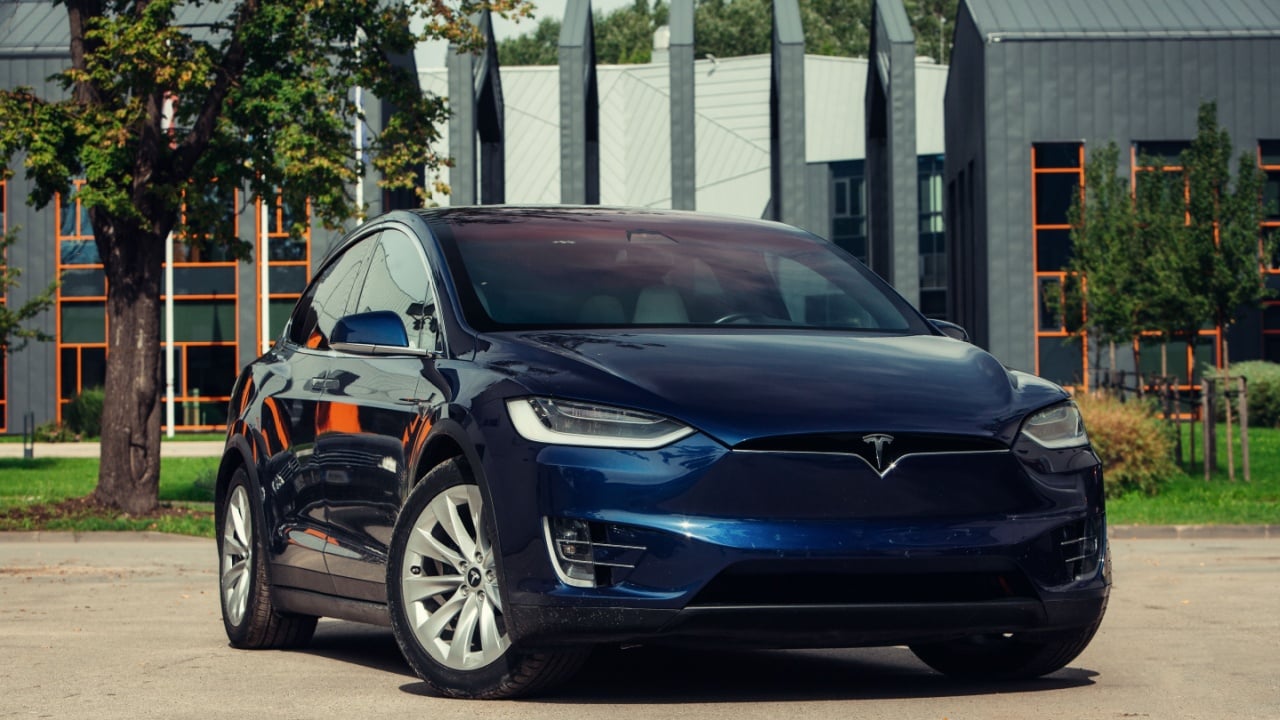
In practical terms, Tesla sold about 138,000 EVs in the United States in Q4 2025, enough to leave rivals in the dust. With its high-volume lineup centered on two models, the Model Y and Model 3, Tesla’s production scale allows it to offer competitive pricing and absorb the bruising costs that come with volume manufacturing in a highly competitive segment.
By contrast, legacy automakers are now contending with the reality that EV production, without sustained government support, remains a low-margin proposition for most. Ford’s EV division managed just a 6 percent market share in the quarter and recently recorded a $20 billion write-down after retreating from large electric models.
Rivian, once a darling of the EV movement, captured only 4 percent and continued to lose money. We earlier reported that even General Motors, with slightly better results at just over 10 percent, reported a $7 billion charge tied to trimming its EV plans.
Several European and Asian automakers have also scaled back or paused U.S. EV programs amid these challenging economic conditions. Mercedes, Stellantis, Porsche, Honda, and even Ferrari have dialed down their electric ambitions in the region, underscoring how difficult it is to turn a profit in electric vehicles without achieving scale.
Retreat of Rivals Fuels Tesla’s Structural Edge
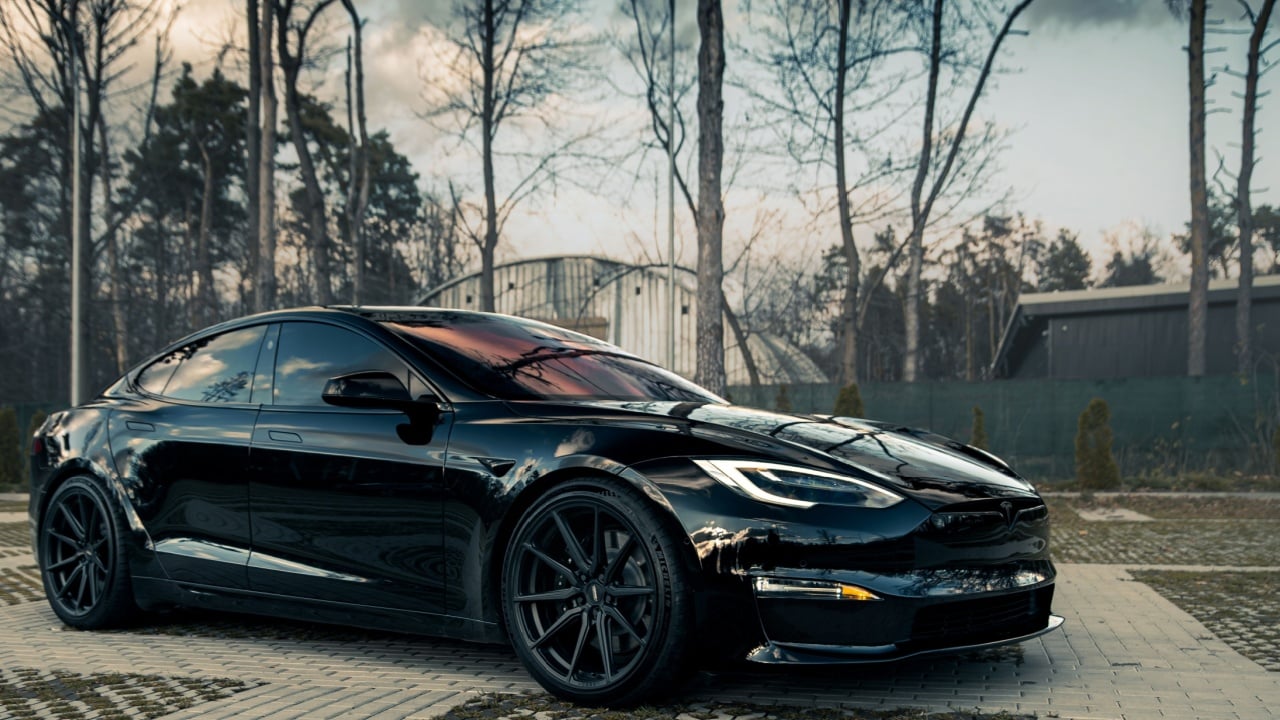
This retrenchment inadvertently plays into Tesla’s core strengths. The company has been building EVs at scale longer than any major automotive competitor, creating a structural advantage in manufacturing, battery sourcing, and global distribution.
Data from Cox Automotive’s broader industry reports shows that Tesla’s mass-market models remained two of the top three best-selling EVs in the U.S. in 2025, with the Model Y alone selling roughly 357,000 units, far outpacing any rival EV.
It’s worth remembering how far the U.S. EV market has come in a short time. In 2024, total U.S. EV sales hit a record 1.3 million vehicles, translating to a 7.3 percent increase year-over-year, with a growing variety of electric models available. Tesla’s share that year slipped to about 48.7 percent as competition heated up and incentives helped expose consumers to more choices.
But the Trump’s administration’s removal of financial incentives shifted the competitive landscape drastically. Without subsidies to bridge the gap between cost and price, manufacturers that still rely on internal combustion engine platforms for revenue have grown cautious about full electrification. Others shifted resources back to hybrids or paused plans altogether. We have previously reported that Stellantis went so far as discontinuing all of its plug-in hybrid models.
The Post-Incentive Rulebook
The net effect is an EV market that, on the surface, appears to be in turmoil, but beneath it tells a simpler story: only the largest pure EV specialist with the deepest volume continues to thrive in the less-subsidized, post-incentive world. Tesla appears uniquely positioned to benefit, at least in the near term, from the retreat of rivals who simply could not make the economics work at smaller volumes.
For legacy automakers, the lesson may be that half-hearted efforts in electrification leave the field open for others. For Tesla, the challenge now is to keep scaling and innovate — because with CARB tightening emissions rules and global competition growing, this ride is far from over.
Sources: Cox Automotive, Business Insider