
Lancia’s story reads like an epic filled with innovation, triumph, and resilience. Founded in Turin on 27 November 1906 by Vincenzo Lancia and Claudio Fogolin, the brand quickly became synonymous with elegance and technical brilliance, pioneering features that others would adopt decades later. Its cars blended Italian artistry with engineering that set benchmarks in their time. Lancia earned a reputation on rally stages, dominating competitions with fearless machines that pushed boundaries. This passion for performance coexisted with a flair for creating luxurious, beautifully designed road cars. Despite its diminished presence in today’s global market, Lancia’s legacy endures through models that still captivate collectors and historians, even if they may have gotten lost under the shuffle of more popular classics.
Many of these vehicles represent an era when the company dared to take risks in style and substance. Their rarity makes them treasures for those who understand their importance. Exploring them is like uncovering chapters of automotive history written in bold strokes. Lancia remains a brand that evokes admiration from anyone who appreciates cars as more than mere machines.
Unearthing the Forgotten Treasures of Lancia
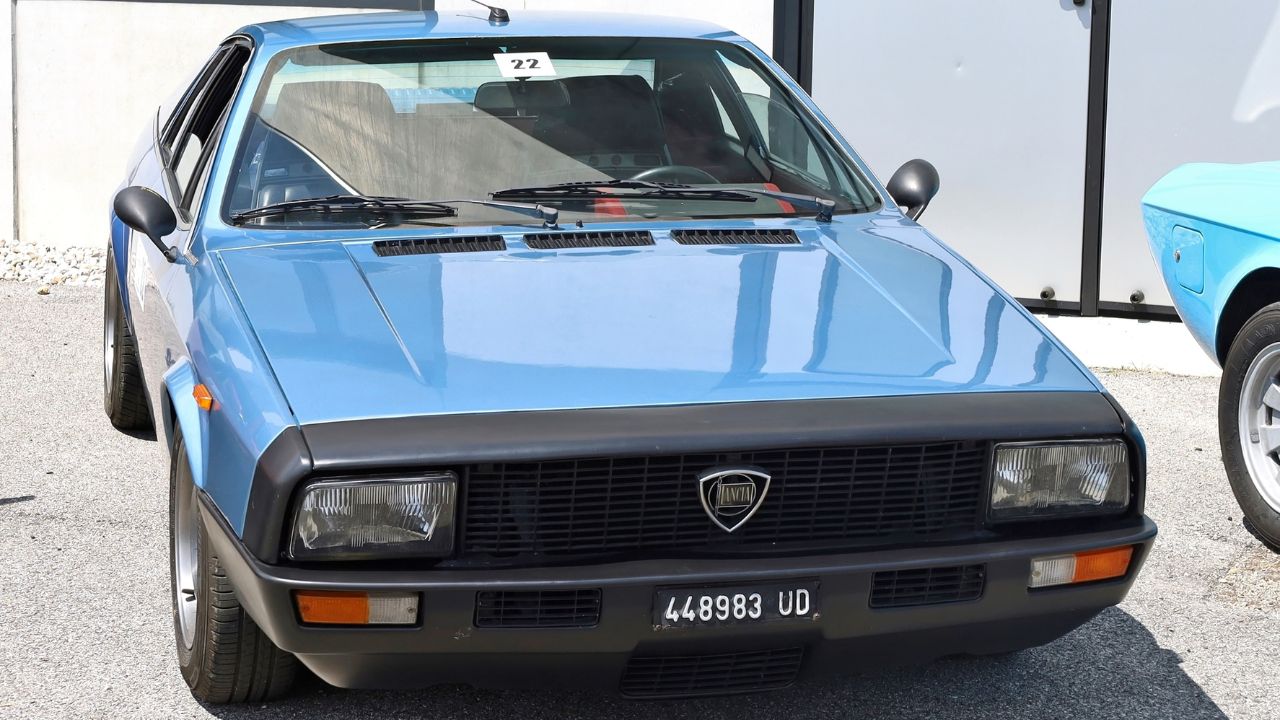
Choosing which Lancias to spotlight required delving deep into the archives of a brand that rarely played it safe. These selections are based on a combination of historical importance, design impact, and the ability to spark fascination decades after their debut. Each model earned its place through the way it reflected Lancia’s fearless approach to blending performance with innovation.
It was essential to look beyond the usual names and instead highlight vehicles that pushed boundaries quietly yet meaningfully. I considered how these cars connected with their audiences in their time and why they still resonate with collectors today. A strong emotional response guided these choices, as Lancia’s charm lies in how its cars make you feel. Speaking with owners and enthusiasts added depth, offering insights into why these models remain so cherished.
This list pays homage to machines that carry Lancia’s DNA of daring creativity. It reflects my own admiration for a company that never shied away from breaking the mold. Each car tells a story of ingenuity, making them unforgettable in the hearts of true admirers.
Lancia Fulvia Sport Zagato
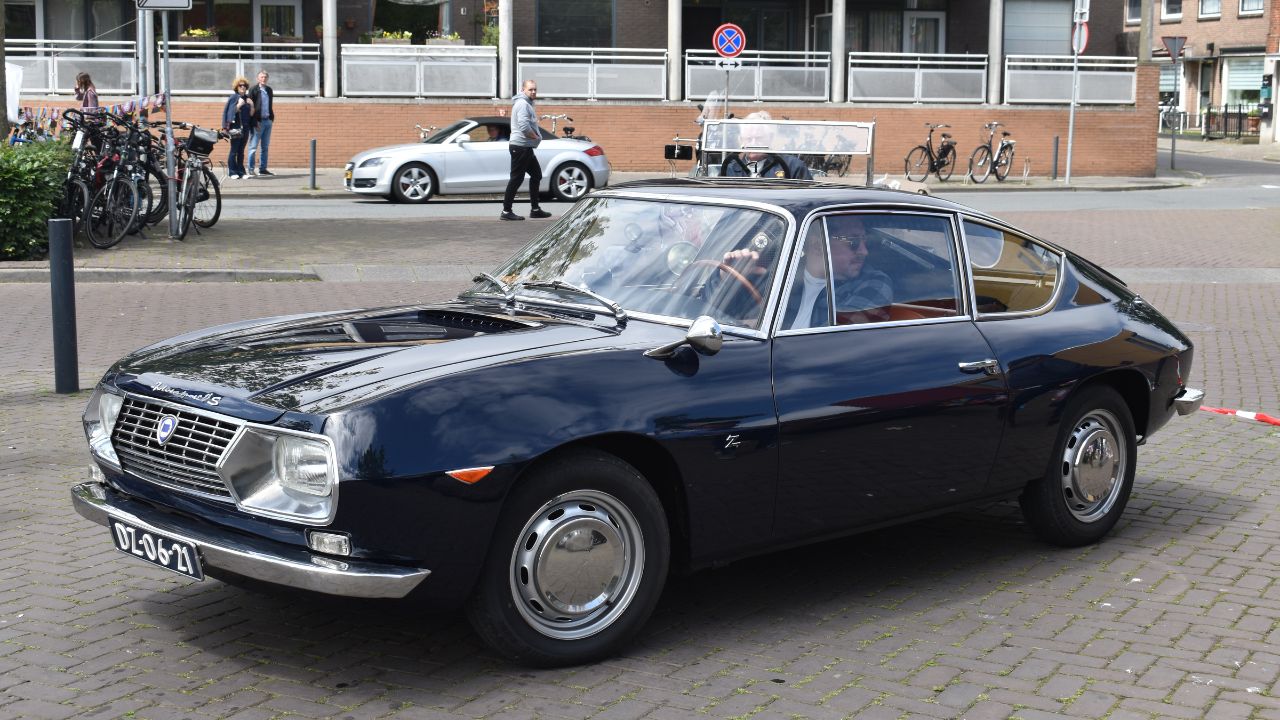
The Fulvia Sport Zagato combined the mechanical brilliance of the Fulvia coupe with a daring new body designed by Zagato. Its striking fastback silhouette was as functional as it was beautiful, emphasizing aerodynamics for improved performance. Under the hood, a lively V4 engine delivered spirited power, making it a joy to drive on winding roads. The interior reflected a focus on the driver, with purposeful ergonomics that elevated the experience behind the wheel. Early cars used riveted aluminum panels (later replaced by all-steel bodywork), helping keep weight down, enhancing agility and response.
Fulvia Sport Zagato was an instant standout in motorsport and on the street, embodying Lancia’s dedication to innovation. Today, its unique design and racing pedigree make it a highly sought-after collectible. It remains a perfect example of how collaboration between Lancia and Zagato produced true artistry on wheels.
Lancia Gamma Coupe
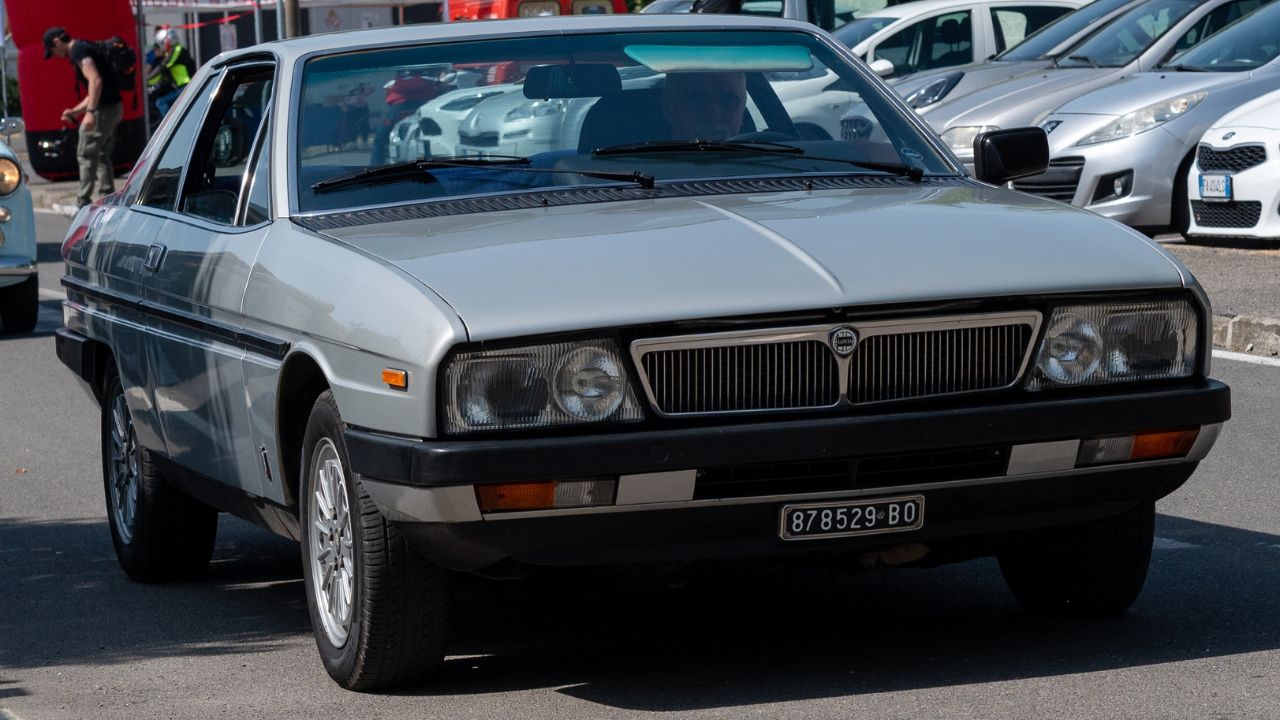
Lancia’s Gamma Coupe brought Italian sophistication into the executive car segment, offering a blend of style and advanced engineering. Styled by Pininfarina, its clean, understated lines created a profile that still feels modern. The innovative flat-four engine provided smooth power delivery and allowed for impressive cabin space. Inside, the coupe offered a comfortable yet driver-focused environment, highlighting Lancias commitment to luxury without excess. The Gamma also introduced advanced features for its time, including refined suspension systems that improved handling.
This model never became a mainstream success, but it embodied the elegance and technical creativity that defined the brand. Collectors admire it for its rarity and forward-thinking design. Gamma Coupe stands as a testament to Lancia’s ability to merge understated beauty with complex engineering in ways few competitors achieved.
Lancia Montecarlo
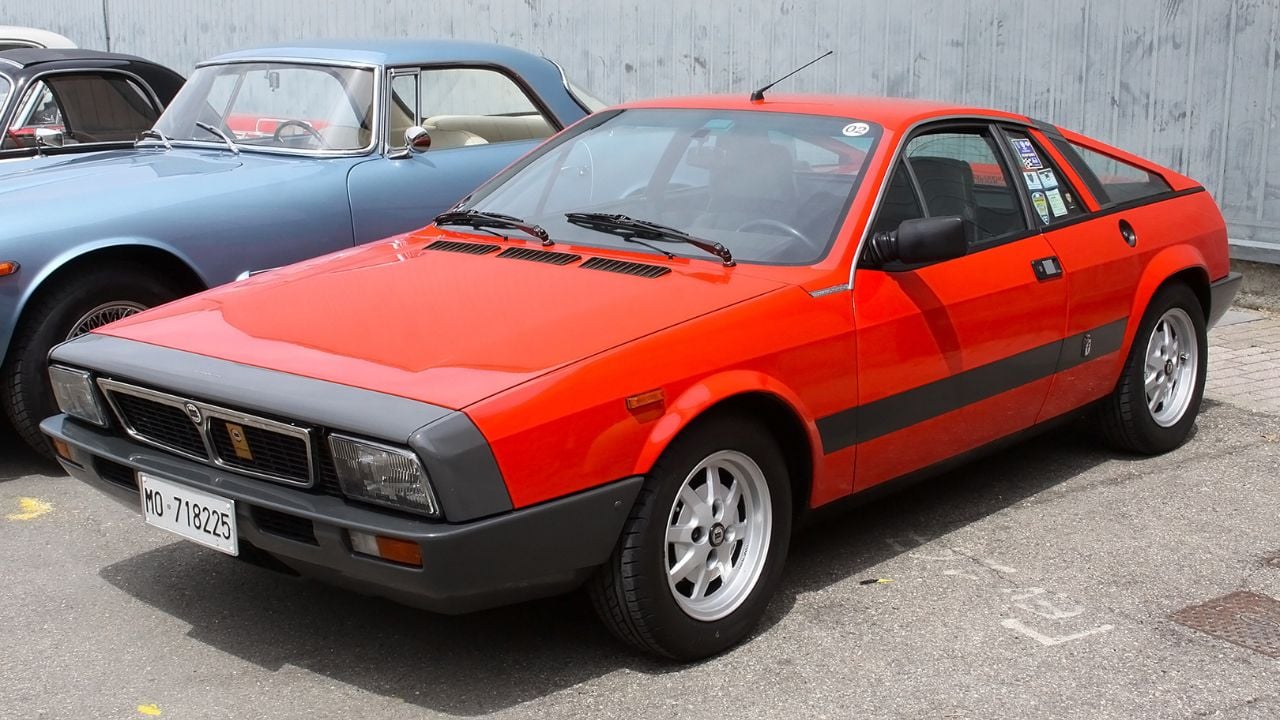
The Montecarlo offered a distinctive mid-engine experience that brought a taste of exotic driving to Lancia’s lineup. Designed by Pininfarina, its sharp lines and wedge-like stance made it one of the most striking sports cars of its time. Power came from a responsive four-cylinder engine, mounted behind the seats for optimal balance and handling. The cabin delivered a driver-centric layout with thoughtful touches that emphasized control and engagement. The Montecarlo’s lightweight construction made it nimble on tight roads, appealing to drivers who valued connection over sheer power.
Its platform later underpinned the Beta Montecarlo Turbo endurance racers that dominated the World Championship for Makes. Though produced in limited numbers, Montecarlo remains beloved among enthusiasts for its rare mix of style, performance, and accessibility. It represents Lancia’s boldness in creating cars that felt special yet approachable.
Lancia Beta HPE
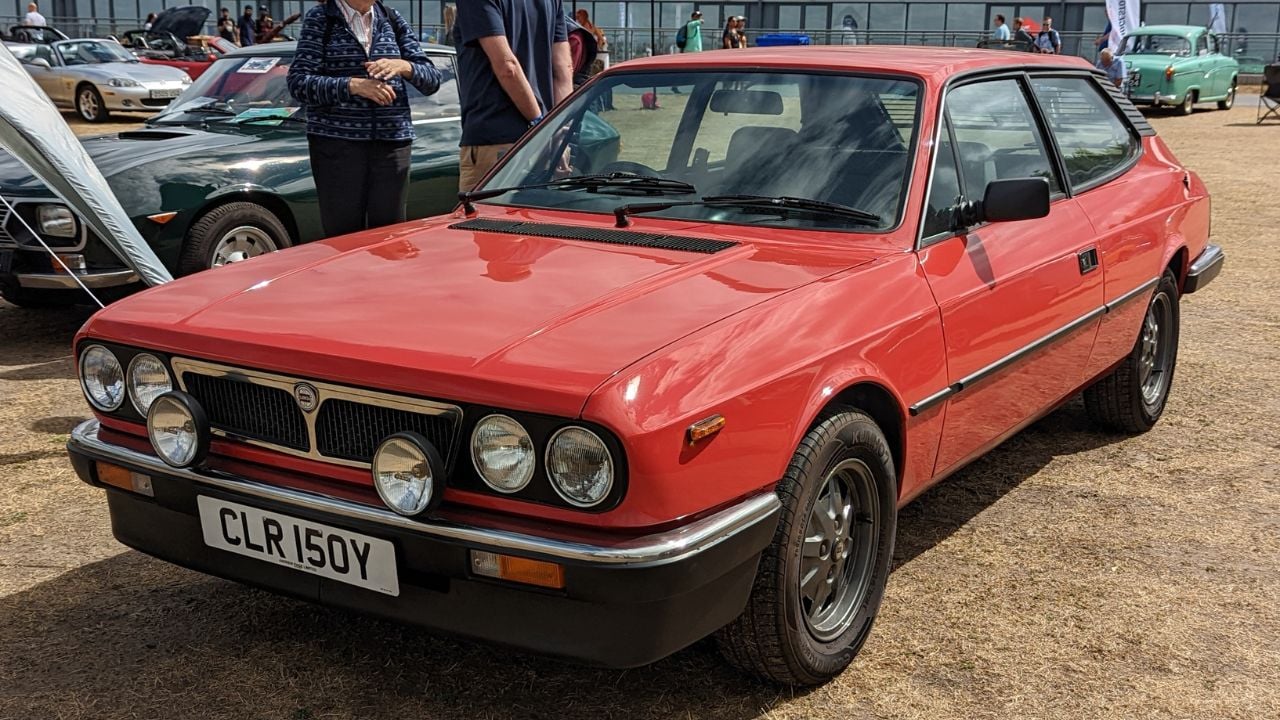
The Beta HPE redefined practicality by merging the sleekness of a coupe with the utility of a hatchback. Its low, elongated profile gave it a dynamic presence, while the versatile rear made it as functional as it was stylish. Under the hood, lively engines provided spirited driving dynamics, perfectly matched to its nimble chassis. The interior emphasized comfort with a surprising amount of space, making it ideal for long journeys without sacrificing sportiness. Its blend of elegance and usability appealed to a wide audience, though it stayed a niche offering in many markets.
The Beta HPE demonstrated Lancia’s ability to innovate beyond conventional body styles. Today, it stands out as one of the more versatile and forward-thinking models in the company’s history. It’s a car that continues to intrigue those who value form blended with function.
Lancia Thema 8.32

The Thema 8.32 turned heads by hiding a Ferrari-derived V8 under the hood of a luxury sedan. Its understated exterior, designed by Giugiaro, concealed performance that rivaled many dedicated sports cars of its era. The interior exuded Italian opulence, with rich leather, polished wood, and a level of craftsmanship rarely seen in its segment.
The driving experience balanced comfort and power, making it equally at home on highways and winding mountain passes. Lancia’s Thema 8.32 represented a bold collaboration that brought Ferrari flair into everyday motoring. Drivers still celebrate its unique combination of practicality and performance. This model stands as proof that Lancia could blend the extraordinary with the ordinary, creating a car that redefined expectations for executive sedans. It remains one of the brand’s most compelling hidden gems.
Lancia Flaminia Super Sport Zagato
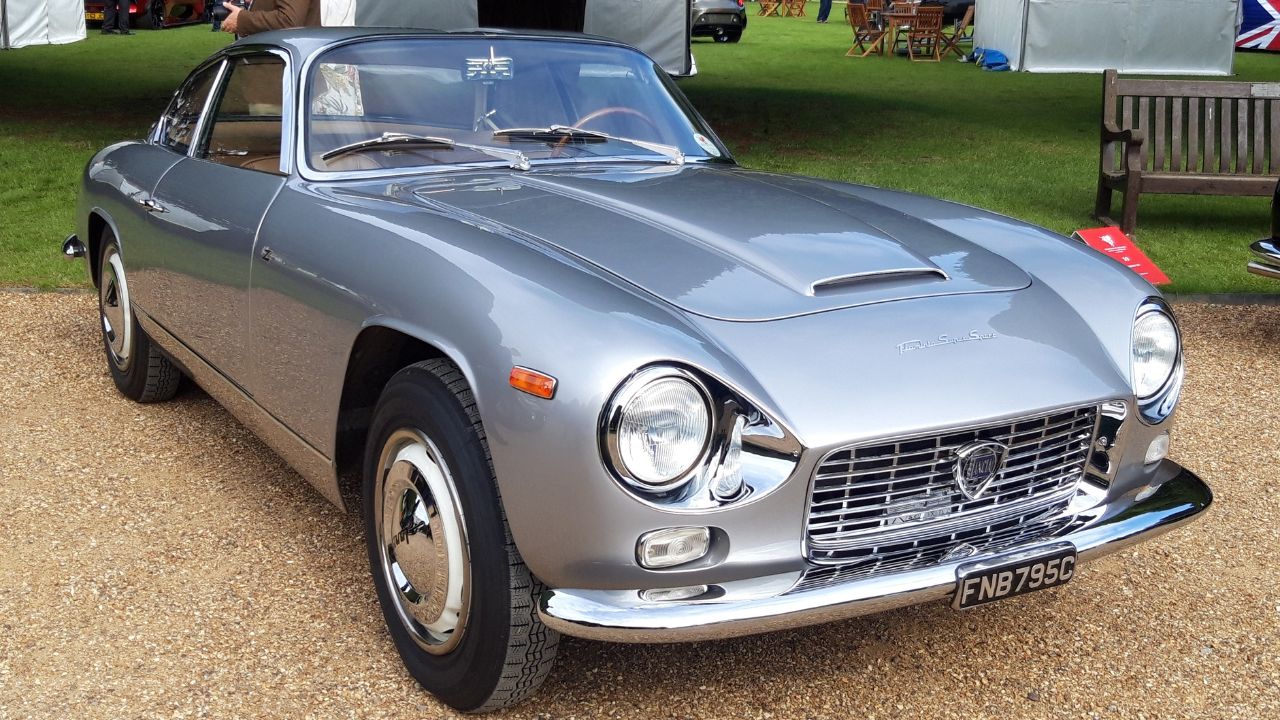
The Flaminia Super Sport Zagato embodied Italian elegance, combining Lancia engineering with Zagatos flowing coachwork. Its sculpted body featured signature double-bubble roof styling, enhancing both aesthetics and aerodynamics. Beneath the hood, a refined V6 engine delivered smooth, effortless performance, ideal for long-distance touring. The cabin matched its exterior grace with plush materials and a driver-oriented design that elevated every journey.
Built in limited numbers, it showcased Lancia’s dedication to craftsmanship and bespoke automotive art. The Flaminia Super Sport remains a rare treasure, admired for its harmonious blend of power and sophistication. This car highlights the magic created when two Italian legends collaborated. Today, it stands as a reminder of an era when style and performance walked hand in hand in automotive design.
Lancia Delta S4 Stradale
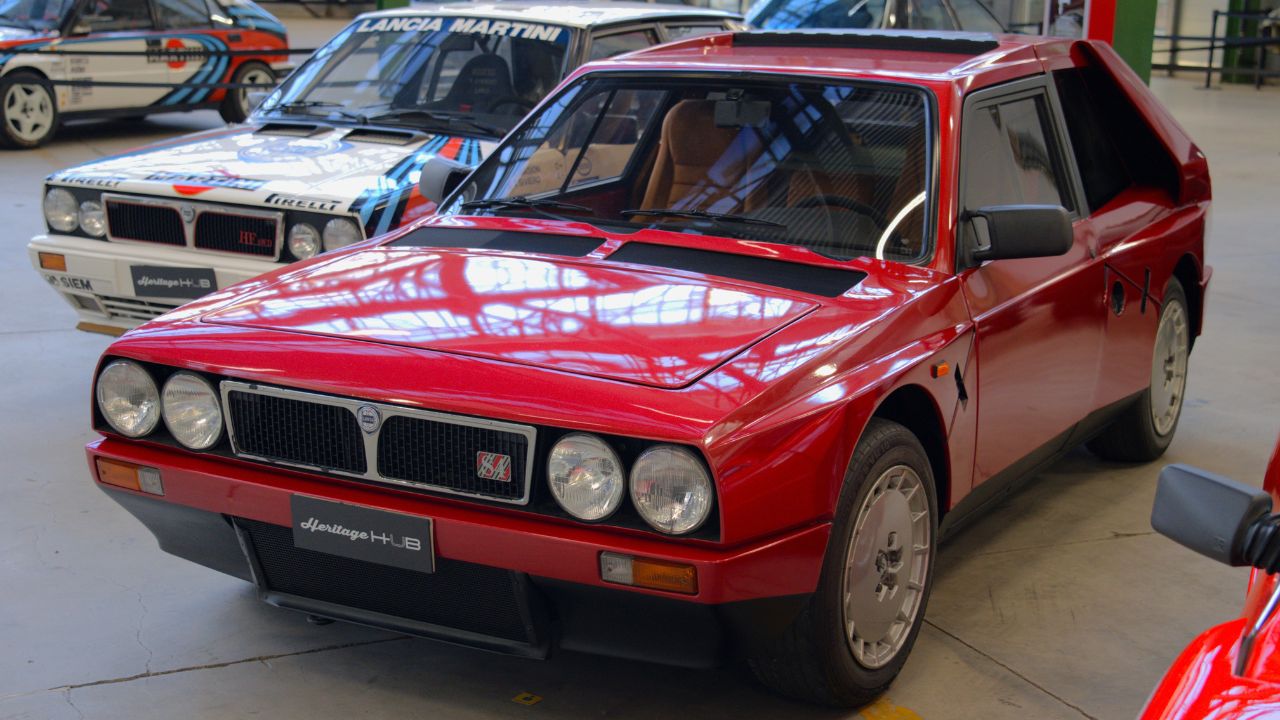
The Delta S4 Stradale brought Group B rally technology to the streets, thrilling drivers with its explosive performance. Its boxy yet aggressive stance hinted at its rallying roots, giving it an unmistakable presence. A twin-charged engine delivered incredible power, making it one of the most advanced road cars of its time. The interior kept things purposeful, reinforcing its competition heritage while still offering enough refinement for everyday use. Lightweight materials and cutting-edge engineering ensured its performance matched its visual drama.
The Delta S4 Stradale is celebrated as one of the most extreme homologation specials ever produced. For Lancia’s fans, it represents the golden age of rallying distilled into a road car. This Lancia remains a symbol of daring design and unrelenting performance that captivated the automotive world.
Lancia Aurelia B20 GT
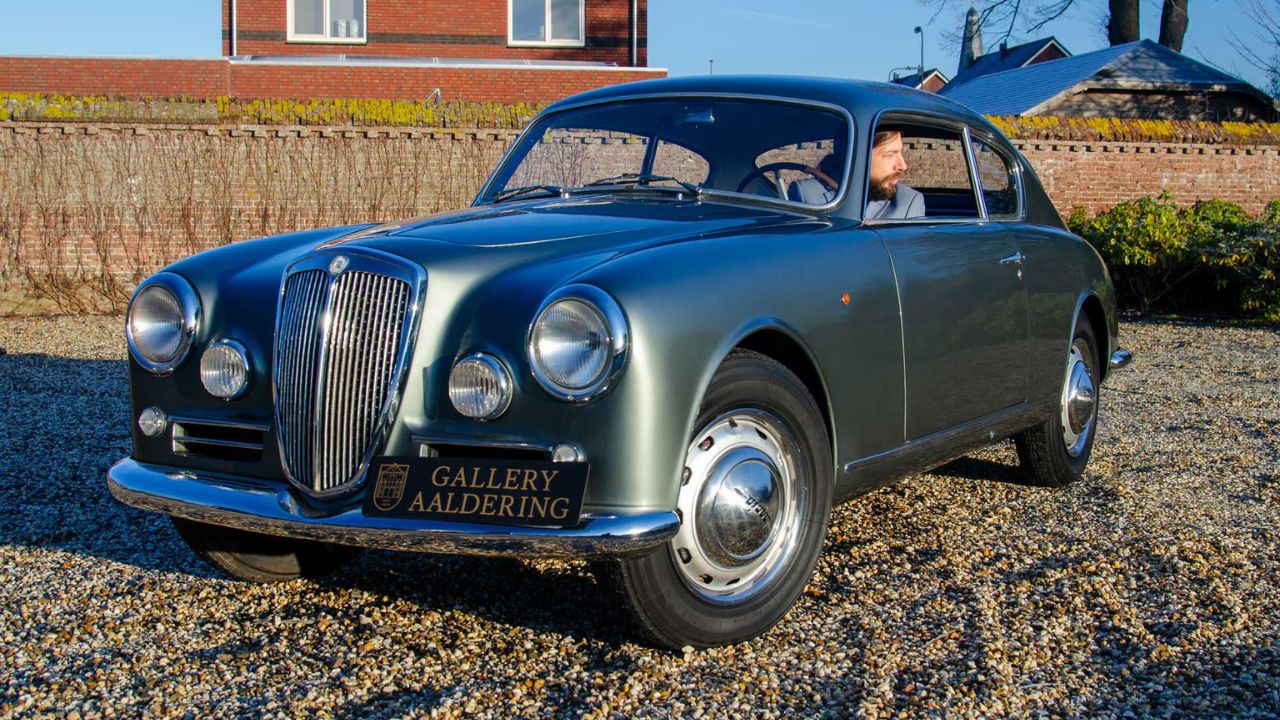
The Aurelia B20 GT pioneered the concept of the grand touring coupe, offering sophistication with spirited performance. Its understated yet elegant bodywork by Pininfarina made it a standout among postwar European cars. A groundbreaking V6 engine provided smooth power delivery, setting new standards in automotive engineering.
The cabin blended comfort with simplicity, creating an inviting space for long journeys. Its success in motorsport, including class-winning performances at Le Mans, added to its reputation as a car that could do it all. The Aurelia B20 GT became a template for the modern GT, influencing countless designs that followed. Collectors still treasure it for its innovation and grace. This car represents Lancia at its most visionary, marrying technical progress with timeless Italian style.
Lancia Hyena Zagato
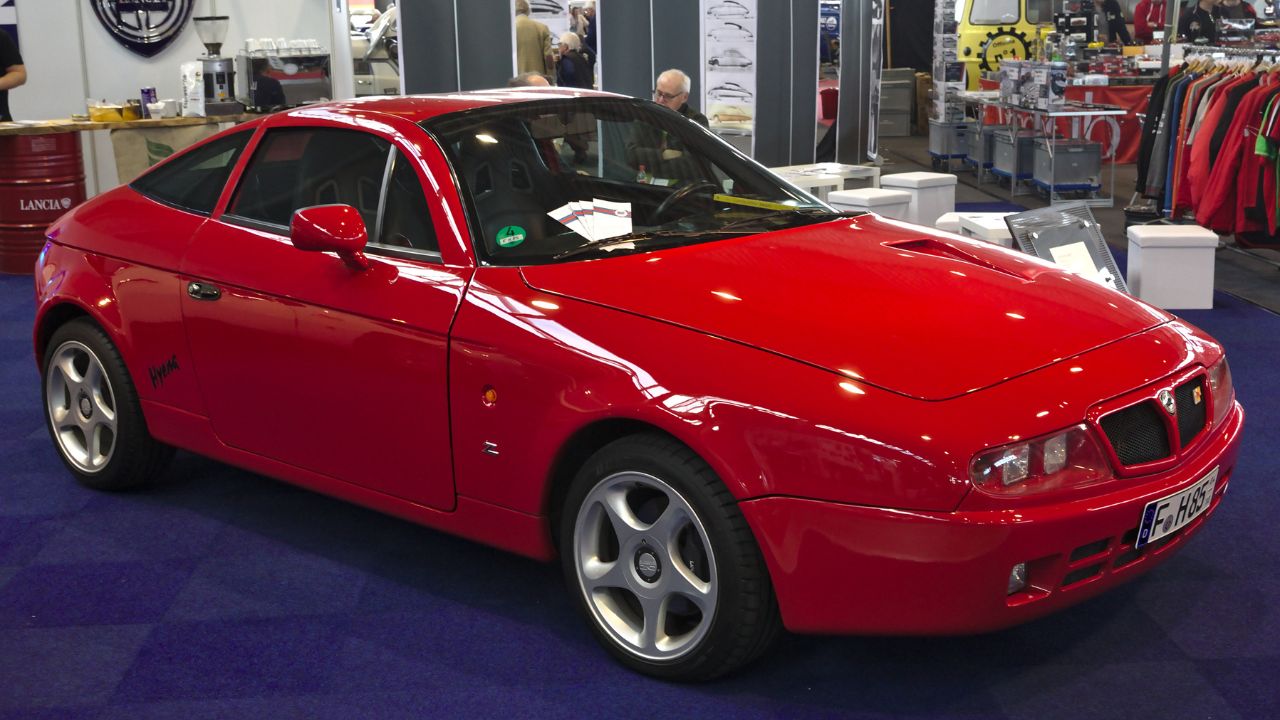
The Hyena Zagato offered exclusivity in its purest form, built in tiny numbers by Zagato on the Delta Integrale platform. Its muscular stance and bold coachwork set it apart from anything else on the road. Underneath, the Hyena retained the Integrale’s rally-bred performance, ensuring thrilling driving dynamics. The interior was minimalist yet refined, reflecting its bespoke craftsmanship and focus on weight reduction.
This collaboration between Lancia and Zagato delivered a coupe that blended raw power with hand-built artistry. Its rarity makes it one of the most desirable modern Lancias, admired by collectors worldwide. The Hyena Zagato stands as an example of what happens when creativity meets performance. It remains a cult classic that embodies the spirit of individuality and Italian design daring.
Lancia Beta Montecarlo Turbo
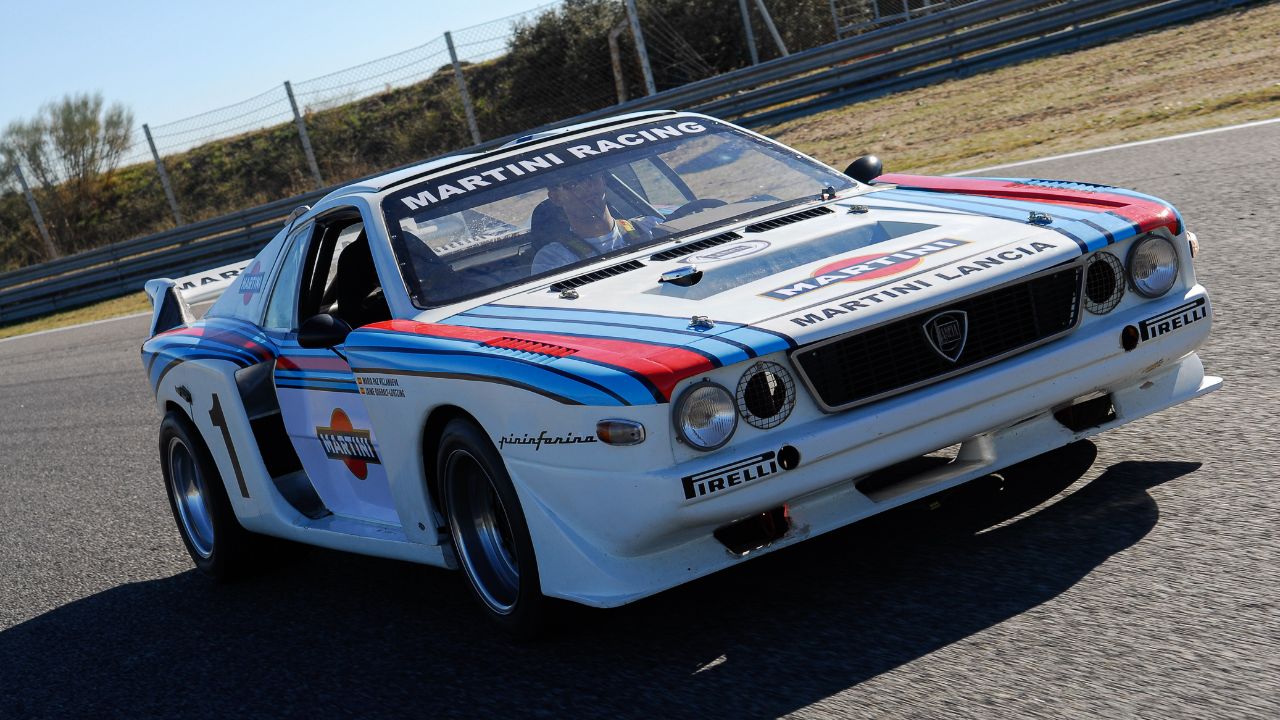
The Beta Montecarlo Turbo was a purpose-built Group 5 silhouette racer, sharing only its center section with the road car. Its aggressive wide-body design hinted at its serious intent, while advanced aerodynamics gave it a competitive edge. Under the skin, a turbocharged engine delivered impressive power, making it a formidable force on the track. The interior reflected its racing focus, stripped for performance with only essential controls. This model played a crucial role in Lancia’s racing history, helping solidify its reputation in international motorsport.
Though built for competition, its influence carried over into the brand’s road-going cars. The Beta Montecarlo Turbo remains a symbol of Lancia’s commitment to pushing boundaries in design and engineering. It is celebrated as one of the brand’s most important contributions to endurance racing.
Why These Forgotten Lancias Still Matter

Lancia’s history is rich with cars that challenged conventions and inspired passion. These models remind us that brilliance doesn’t always come with mass recognition. They speak to the heart of what makes Italian automotive design so compelling: creativity paired with technical excellence. For enthusiasts, rediscovering these cars means connecting with a legacy of bold experimentation.
They represent moments when Lancia wasn’t afraid to take risks for the sake of artistry and performance. Each one carries lessons about vision, ambition, and the enduring value of innovation. Revisiting them is a reminder of why Lancia continues to hold a special place in automotive culture. They are machines that reward curiosity, offering stories worth sharing and experiences worth cherishing. For those who love them, they are much more than cars.