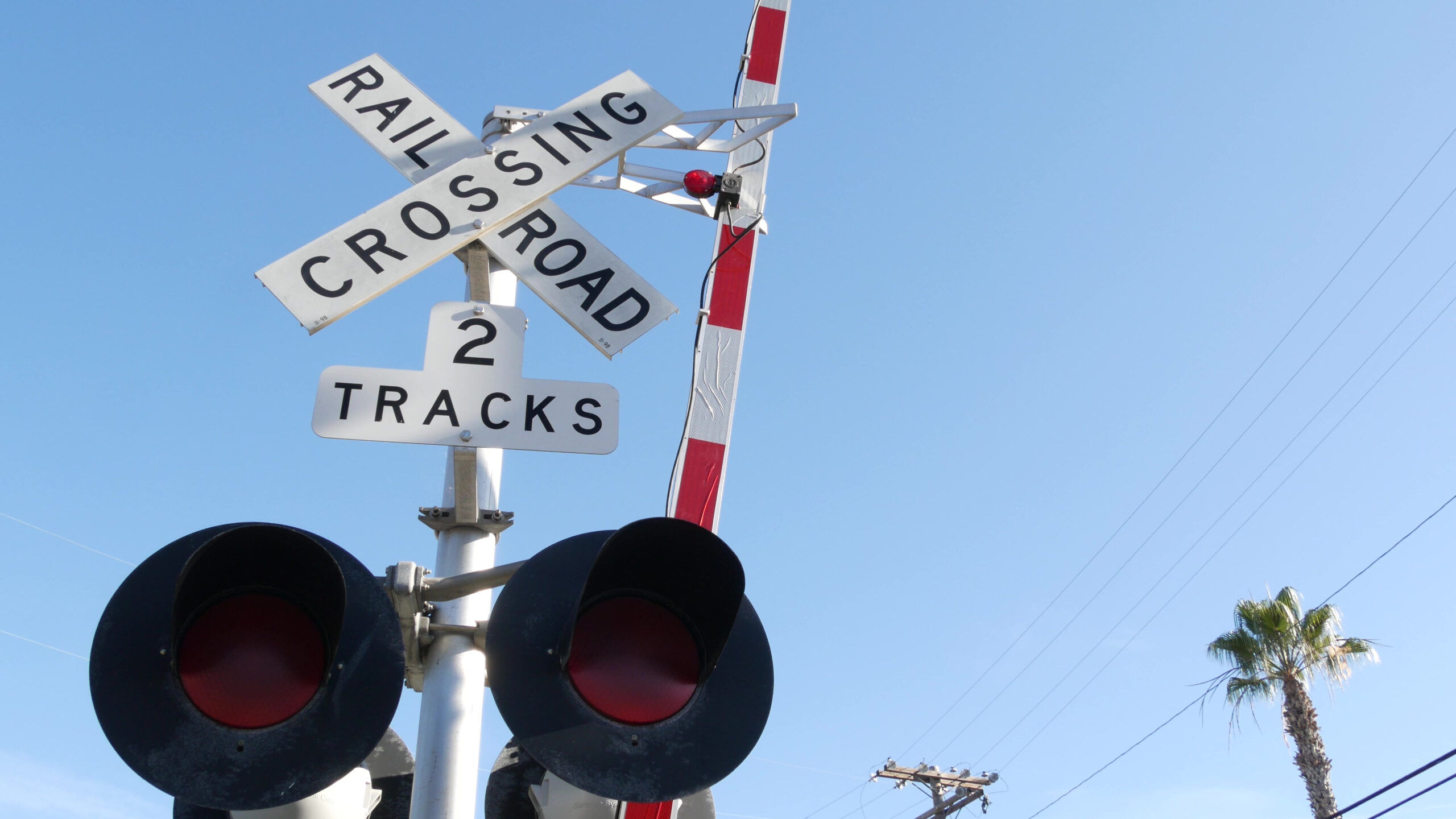
What should have been a routine ride home turned into a terrifying near-disaster in Bushnell, Florida, after a train clipped the rear of a Sumter County school bus carrying roughly 30 students.
The crash happened on April 2 at East Central Avenue and North Market Street while Bus 2517 was transporting students from South Sumter Middle and High schools. According to the Daily Commercial, no injuries were reported, but the margin between a close call and a catastrophe was measured in inches.
The outcome may have been fortunate, but the details that have emerged since make clear this was far more than just a scary moment at a railroad crossing. It was the kind of incident that leaves parents shaken, students rattled, and an entire district asking how it came so close to disaster.
A Crossing, Traffic, and a Decision
@pre.k.thug26 #trainhitmybus#busdriversfault#sumtercountyfl #yoysucksumtercounty@༒𝕴𝖟𝖟𝖞༒ @theyluv_jaky @Landon @leneaa💘💘.@unfinishedplsignore ♬ original sound – pre.k.thug26
Early reporting indicated traffic congestion may have played a role. Witnesses told authorities the bus was unable to fully clear the tracks because traffic ahead left too little room for the full vehicle to pass through.
That explanation matters, but it is not the whole story. According to FOX 35 Orlando, the train’s warning lights and crossing arms had already activated when the bus moved forward. Roughly six seconds later, a voice identified in the arrest report as the driver’s allegedly said, “Not gonna stop for no train.”
Those details shift the framing in a major way. This was not simply a case of traffic behaving unpredictably. Based on the arrest reporting, it became a sequence of poor decisions made after the warning systems were already active.
What Training Requires and What Went Wrong
School bus drivers are held to a different standard at railroad crossings for a reason. These are among the most unforgiving places on any road, because once a train is close, there is almost no margin for correction.
As the Daily Commercial noted, training protocols require bus drivers to make sure there is enough space on the far side of the tracks for the entire bus to clear before proceeding. In this case, that did not happen.
Florida law also requires school bus drivers to stop before railroad crossings, open the service door and driver’s window, and look and listen for approaching trains before moving across. Those steps are not bureaucratic busywork. They exist because a school bus cannot afford to get caught halfway through.
Charges Filed, Career Over
The driver, 67-year-old Yvonne Hampton, is now facing 29 counts of felony child neglect. Reporting from WESH 2 also says she faces a reckless driving charge, while prior reporting from News 6 said she was cited for failing to stop at a railroad crossing.
She is no longer employed by the district. FOX 35 Orlando reported that she resigned in lieu of termination, ending a stint with the district that began in 2015.
Why This Came So Close
Superintendent Logan Brown has made clear just how narrow the escape was. In comments reported by News 6 and FOX 35 Orlando, Brown said the difference was about six inches and called the train conductor a hero for doing everything possible to avoid something far worse.
A Close Call That Still Changes Things
Following the crash, district officials moved to eliminate that crossing from bus routes. Brown also said the district is reviewing procedures, route planning, and safety measures in response to the incident, according to News 6 and FOX 35 Orlando.
Everyone walked away, and that matters. But this was not a situation where everything worked. It was a situation where disaster was only barely avoided.
That is exactly why railroad crossing rules are so strict, why school bus procedures are so specific, and why this story is likely to stay with the students who were on that bus long after the headlines move on.