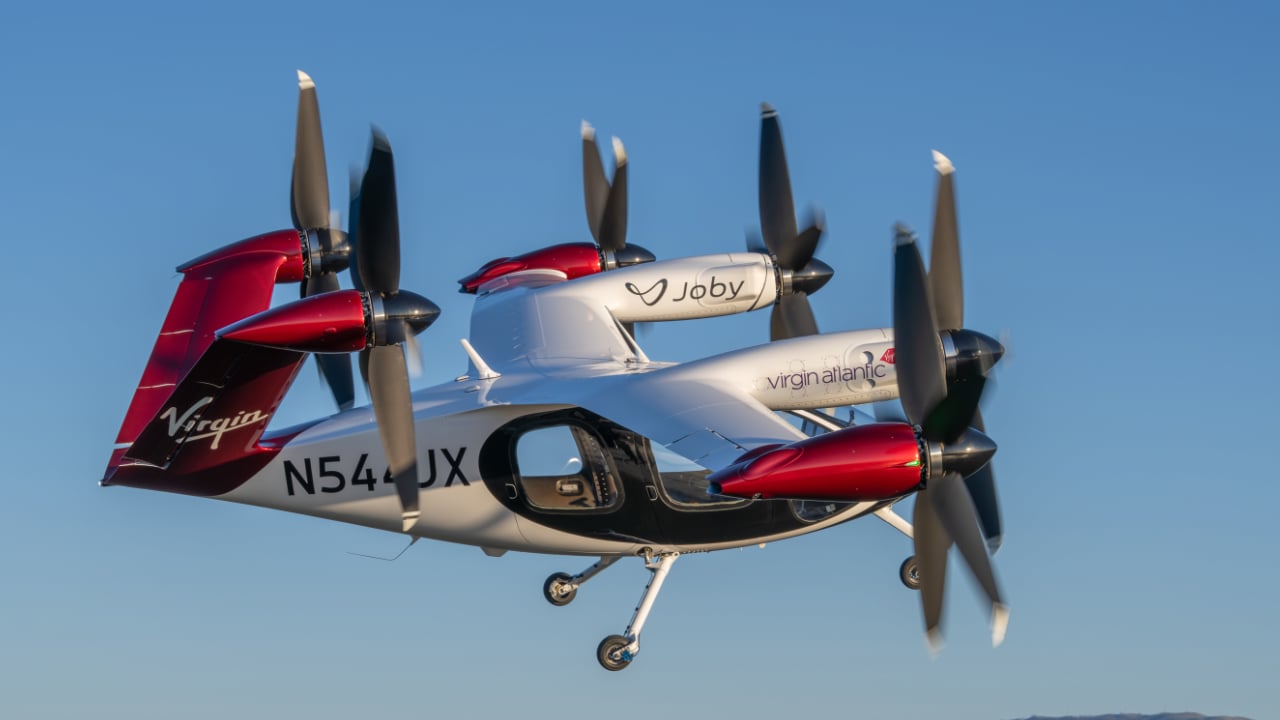
Imagine skipping the congested streets of London and soaring through the skies in a quiet, all-electric air taxi. This once-futuristic vision is now edging closer to reality, thanks to a collaboration between Joby Aviation and Virgin Atlantic. The two companies have announced plans to introduce an electric air taxi service in the UK, aiming to redefine urban travel as we know it.
This partnership could mark the beginning of a new era in short-haul transportation. With increasing concerns about congestion and carbon emissions, an efficient, sustainable, and time-saving solution like electric air taxis is not just exciting—it’s necessary. If successful, this initiative could completely change how people move within cities, offering a faster and greener alternative to traditional travel options.
The Future of Short-Haul Travel
Joby Aviation, a California-based company, has been developing electric vertical takeoff and landing (eVTOL) aircraft for years. Their air taxi is designed to carry a pilot and up to four passengers, traveling at speeds of up to 200 mph with a range of approximately 100 miles per charge. This means trips that once took hours on the road could be completed in mere minutes.
For instance, a journey from Heathrow Airport to Canary Wharf typically takes around 80 minutes by car, depending on traffic. With Joby’s air taxis, this trip could be completed in just 8 minutes. The potential to transform commuting, business travel, and even emergency services is enormous. By drastically cutting travel times, these electric air taxis could reshape the way people experience urban mobility.
A Sustainable Leap Forward
One of the most compelling aspects of this initiative is its focus on sustainability. Unlike traditional aircraft and ground vehicles, Joby’s air taxis produce zero operational emissions. This makes them an eco-friendly alternative to car rides, particularly in congested urban areas where emissions contribute significantly to air pollution.
Beyond reducing emissions, these air taxis are also significantly quieter than helicopters. The aircraft’s design minimizes noise pollution, making it a more acceptable addition to cityscapes. By reducing both environmental impact and noise disturbances, this technology is setting a new standard for urban air travel.
Integrating Seamlessly with Existing Travel
Virgin Atlantic plans to integrate this service into its current operations, making it easy for customers to book air taxi rides alongside traditional flights. This seamless connection between long-haul travel and short-haul air mobility has the potential to enhance the passenger experience by cutting down on lengthy layovers and frustrating commutes.
Initially, the service will focus on key locations such as Heathrow and Manchester airports, offering convenient access to city centers. If successful, expansion to other major travel hubs across the UK could follow. The ultimate goal is to create a network that allows travelers to move effortlessly between planes and air taxis, significantly reducing overall travel time.
Challenges on the Horizon
Despite the excitement, there are several hurdles to overcome before electric air taxis become a reality. Regulatory approval is a major factor, as safety and air traffic integration must be carefully considered. Joby Aviation has already begun working with the UK Civil Aviation Authority to validate its aircraft, a crucial step toward launching the service.
Another challenge is infrastructure. Unlike traditional taxis, air taxis require specialized landing and takeoff zones known as vertiports. These must be strategically placed in high-demand locations while ensuring minimal disruption to surrounding areas. Developing this infrastructure will take time and investment, but if executed correctly, it could set a precedent for air taxi networks worldwide.
Looking Ahead
The partnership between Joby Aviation and Virgin Atlantic represents a bold step toward reimagining urban travel. By combining cutting-edge aviation technology with a commitment to sustainability, they are paving the way for a future where electric air taxis are as common as rideshares are today.
As plans progress, the prospect of fast, clean, and efficient air travel within cities feels increasingly within reach. If successful, this initiative could serve as a model for other countries looking to embrace similar technology. The next few years will be critical in determining whether electric air taxis become an everyday reality or remain a futuristic dream.