
The Subaru WRX delivered one of the biggest sales turnarounds of the year after a simple change helped make the performance sedan far more attractive to buyers. According to U.S. sales data, WRX deliveries jumped 252.3 percent in June compared with the same month last year.
While triple-digit percentage gains often reflect an unusually weak comparison period, Subaru’s pricing strategy also appears to have played a significant role. For 2026, the automaker lowered prices across the WRX lineup and reintroduced the entry-level Base trim after dropping it for the 2025 model year.
The return of a more affordable starting price helped reposition the WRX against mainstream midsize sedans as well as other compact performance cars. Instead of beginning near the top end of the family sedan market, the WRX once again offers buyers a lower-cost entry point into turbocharged, all-wheel-drive performance.
The results suggest affordability still matters in the enthusiast market. By making its iconic sports sedan easier to access, Subaru appears to have reversed a lengthy period of declining sales.
Lower Prices Made the Biggest Difference
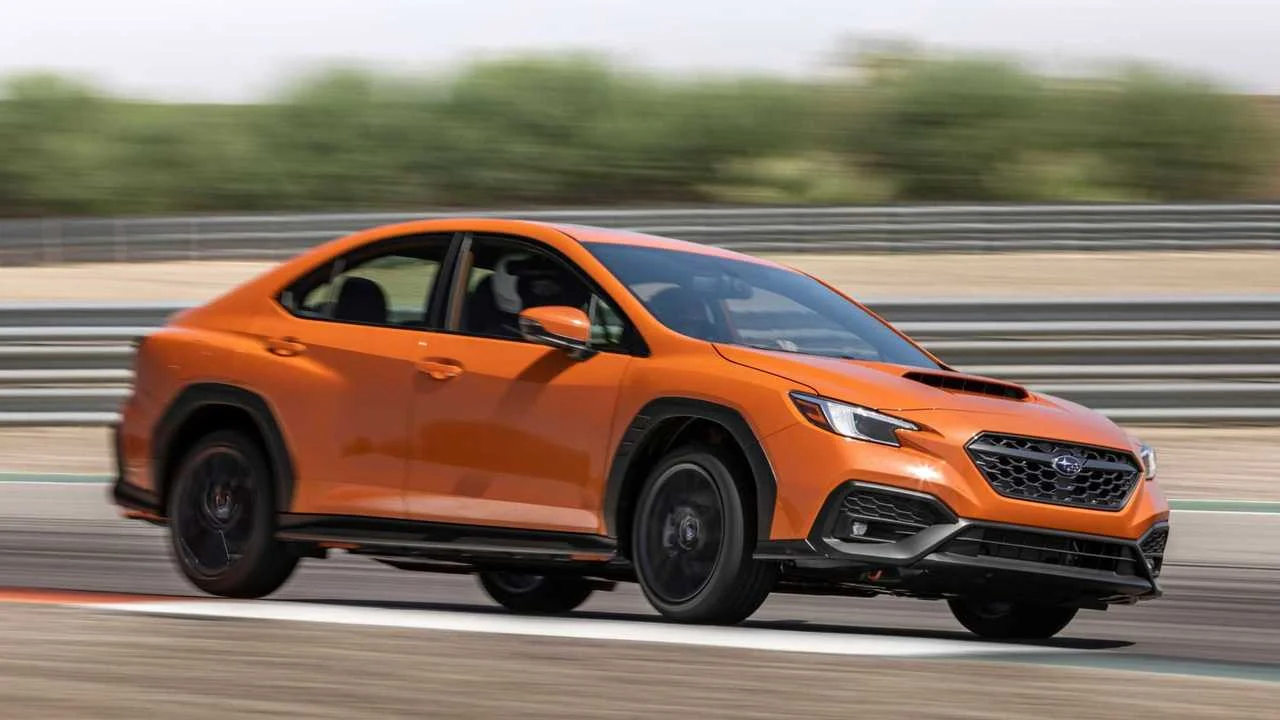
For the 2025 model year, Subaru eliminated the WRX Base trim, leaving the Premium as the entry-level model with a starting price of $35,750 before destination charges. That pushed the effective entry price to $36,920 including destination.
The 2026 lineup reverses that decision. The Base model returns with a starting MSRP of $32,495, while prices across nearly every trim have also been reduced.
The Premium manual now starts at $33,995, down $1,755 from last year. The Limited drops by $1,135 to $38,995, while both the GT and tS receive a $710 price reduction to $44,995.
Those adjustments bring the WRX much closer to the pricing of mainstream family sedans while undercutting many of its direct performance rivals.
Sales Were Rebounding Before the June Spike
The 252.3 percent increase is eye-catching, but it also reflects how weak WRX sales had become during portions of 2025. Monthly deliveries fell below 1,000 units for eight consecutive months, reaching just 350 vehicles in June of last year.
With the arrival of the 2026 model, sales have returned to more typical levels. During the first half of 2026, the WRX averaged nearly 1,200 units per month, much closer to its historical performance over the past several years.
That suggests Subaru’s pricing changes did more than create a one-month surge. They helped restore the WRX to the volume buyers had previously supported.
A Better Value in the Performance Sedan Segment
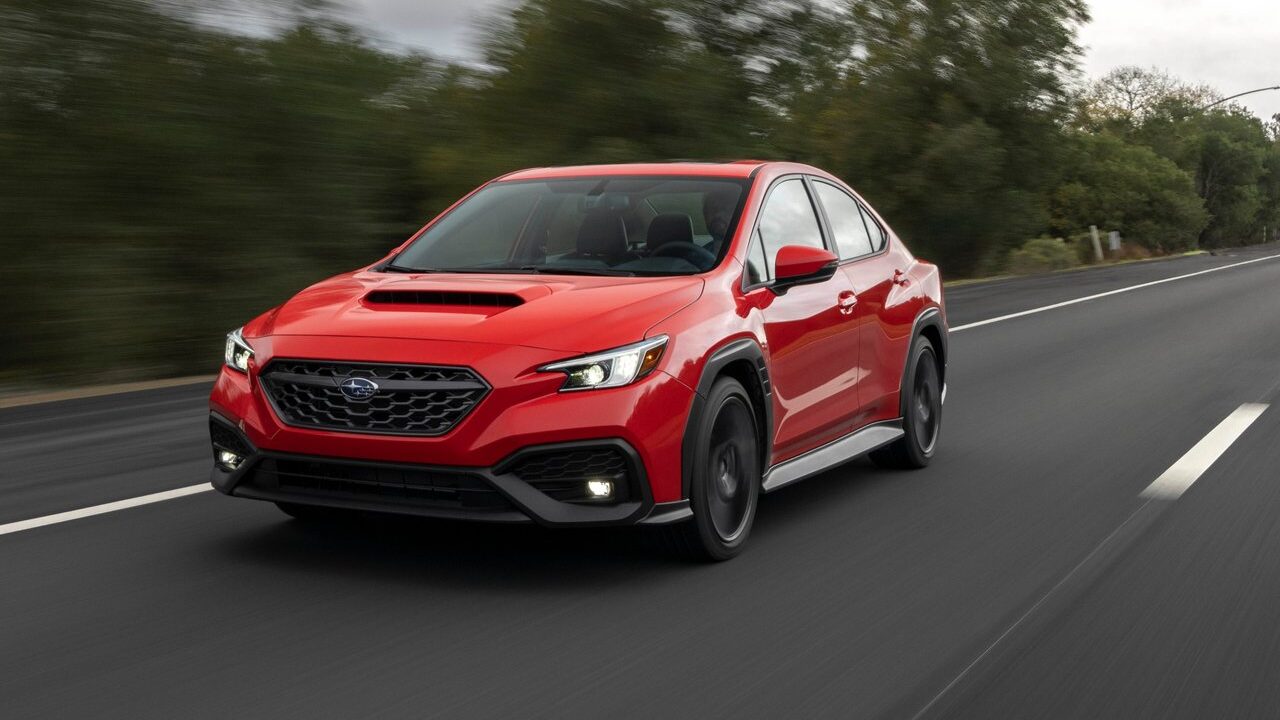
The WRX occupies an increasingly unusual position in today’s market. It combines a turbocharged engine, standard all-wheel drive, and a six-speed manual transmission in a segment where those features have become increasingly rare.
Every 2026 WRX uses Subaru’s 2.4-liter turbocharged boxer four-cylinder producing 271 horsepower and 258 lb-ft of torque. Manual transmission models retain Subaru’s symmetrical all-wheel-drive system, while certain automatic variants use a variable torque distribution setup.
Rather than increasing engine output in higher trims, Subaru differentiates the lineup through suspension upgrades, Brembo brakes, steering tuning, and additional comfort features.
Subaru’s Only Remaining Sedan
The WRX has also taken on greater importance within Subaru’s lineup. Following the discontinuation of the Legacy after the 2025 model year and the Impreza’s transition to a hatchback-only body style, the WRX now stands as the brand’s only sedan in the United States.
That gives the model a dual role. It continues serving performance enthusiasts while also providing an option for customers who simply prefer a traditional four-door sedan over the crossovers that dominate Subaru’s showroom. Lower pricing may also encourage some former Legacy owners to consider the WRX instead of moving into an SUV.
Affordability Is Important
The WRX’s recent sales performance demonstrates that pricing can be just as important as horsepower when attracting buyers. Subaru didn’t introduce a new generation, add significant power, or launch a long-rumored STI model. Instead, it made the existing car more attainable.
Enthusiasts continue to hope for the return of a higher-performance STI variant, especially as rivals like the Toyota GR Corolla and Honda Civic Type R push the segment forward. Until then, Subaru appears focused on offering strong value with a well-rounded sports sedan rather than chasing outright performance figures.
June’s sales surge doesn’t guarantee long-term success, but it does suggest the WRX remains relevant when buyers feel they’re getting the right combination of capability and price.
Do you think Subaru made the right move by focusing on affordability, or would you rather see the company bring back a high-performance WRX STI even if it meant paying more? Let us know your thoughts.