Modern cars are packed with computing and electronics that would have seemed unimaginable in the Apollo era, yet many of these features go largely unused by American drivers.
It’s not that these innovations are bad, quite the opposite. Many represent genuine engineering breakthroughs that took years to develop and refine. The reality is that drivers often stick with what they know, leaving sophisticated systems dormant simply because they haven’t taken the time to explore them. Some features seem intimidating at first glance, while others require a shift in driving habits that feels unnecessary.
Let’s explore the car features that automakers spent millions developing but that most people have essentially forgotten exist.
Semi-Automatic Transmission Mode on Automatics
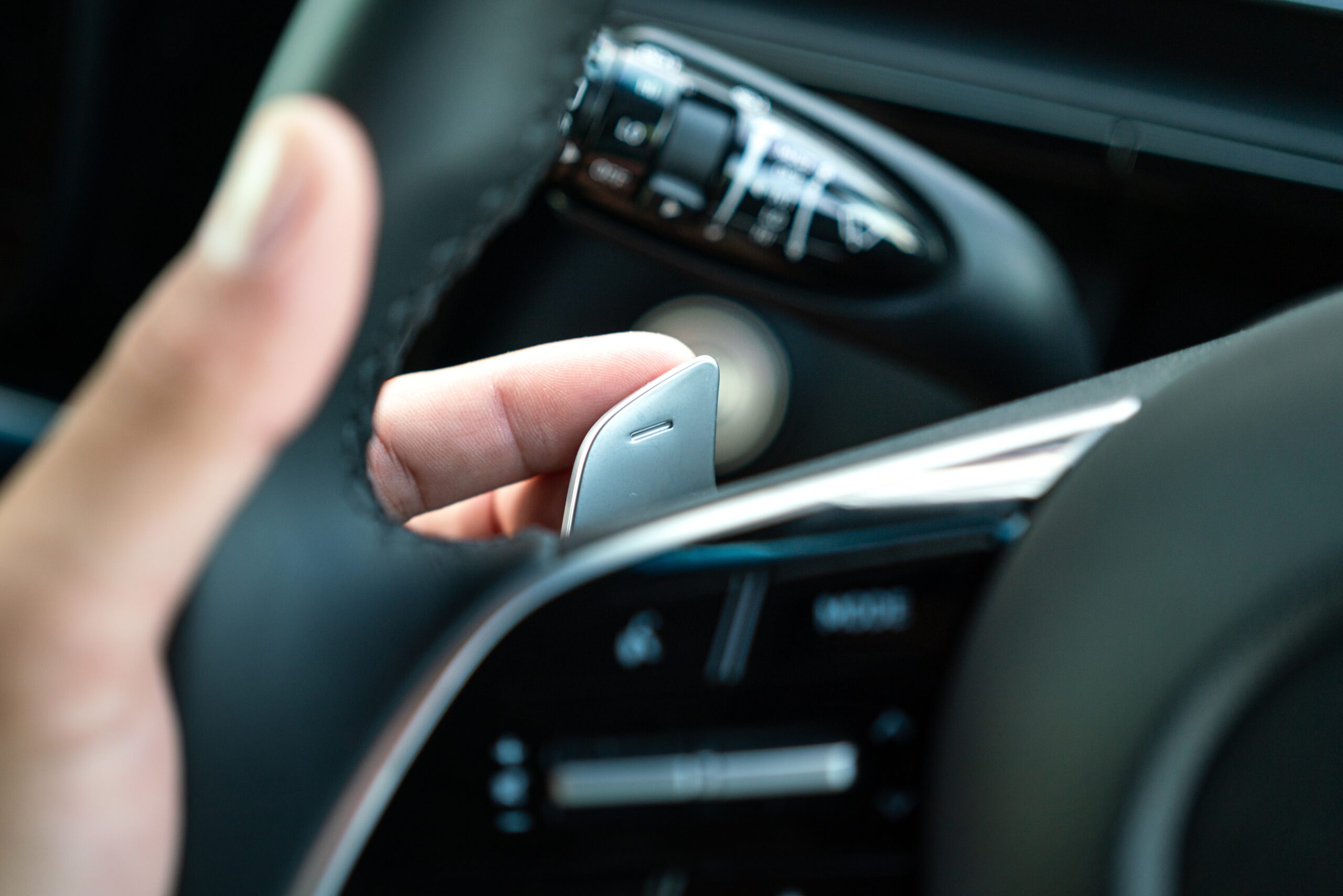
Those paddle shifters behind your steering wheel? They’re gathering dust faster than your gym membership.
Most drivers with automatic transmissions that offer “manual mode” (which is of course, semi-automatic mode, because of the automatic clutch) never touch the feature, despite manufacturers prominently placing the controls within thumb’s reach. The technology allows you to take control of gear selection without dealing with a clutch pedal, giving you more engine braking on descents or keeping you in the powerband during spirited driving. Many drivers with this mode rarely use it except for hills, towing, or spirited driving.
Before dismissing this as unnecessary complexity, remember that semi-automatic mode can actually improve your driving experience, it’s particularly useful for maintaining control on winding mountain roads or when you need precise speed management while towing. Yes, modern automatics are incredibly smart, but sometimes you want to be the one making the calls.
Cooled Seats
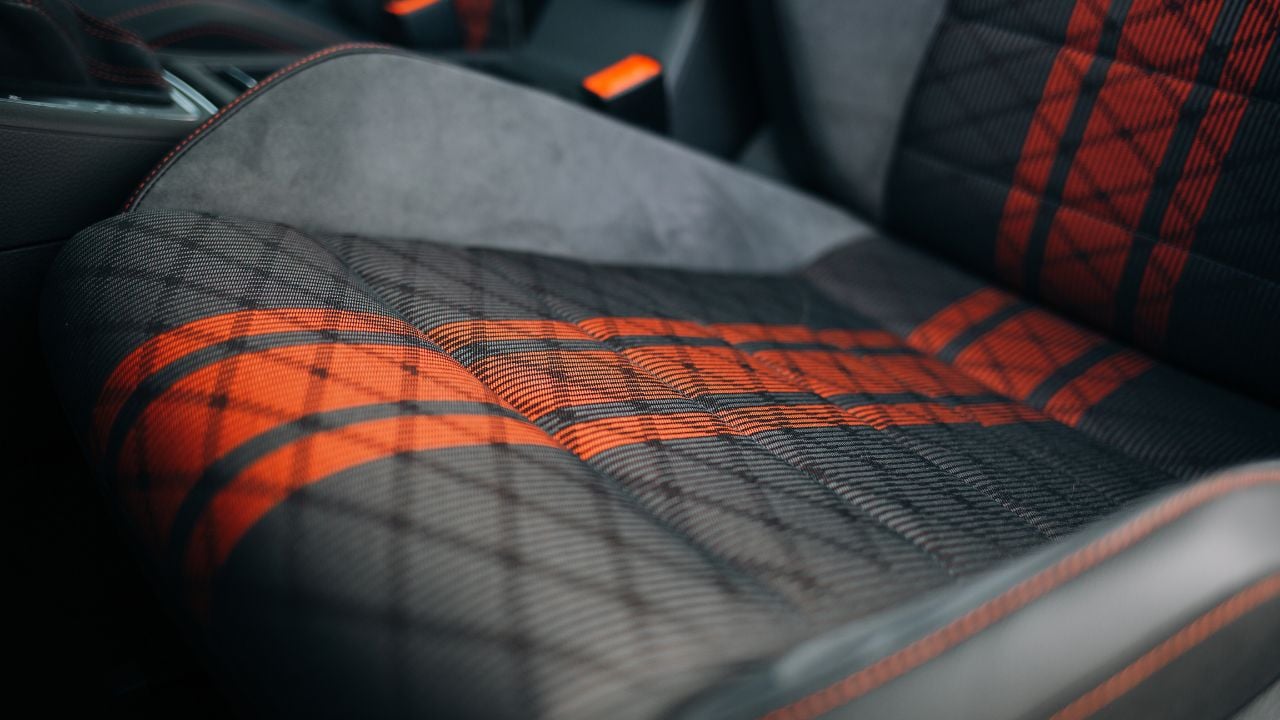
Air-conditioned seats represent a luxury feature that owners consistently forget they have, even during sweltering summer months.
The technology uses perforated leather and small fans to circulate air through the seat surface, preventing that uncomfortable sweaty-back feeling during hot weather commutes. Studies show that while heated seats get activated regularly in cold climates, cooled seats see dramatically lower usage rates despite being equally beneficial. Many drivers simply don’t realize their vehicle has the feature because the button blends in with other controls, or they tried it once, found the sensation unusual, and never gave it another chance.
This isn’t about older generations being resistant to change, it’s about a feature that quietly improves comfort without announcing itself. The next time you’re stuck in traffic on a 95-degree day, take a second look at your climate controls.
Voice Commands
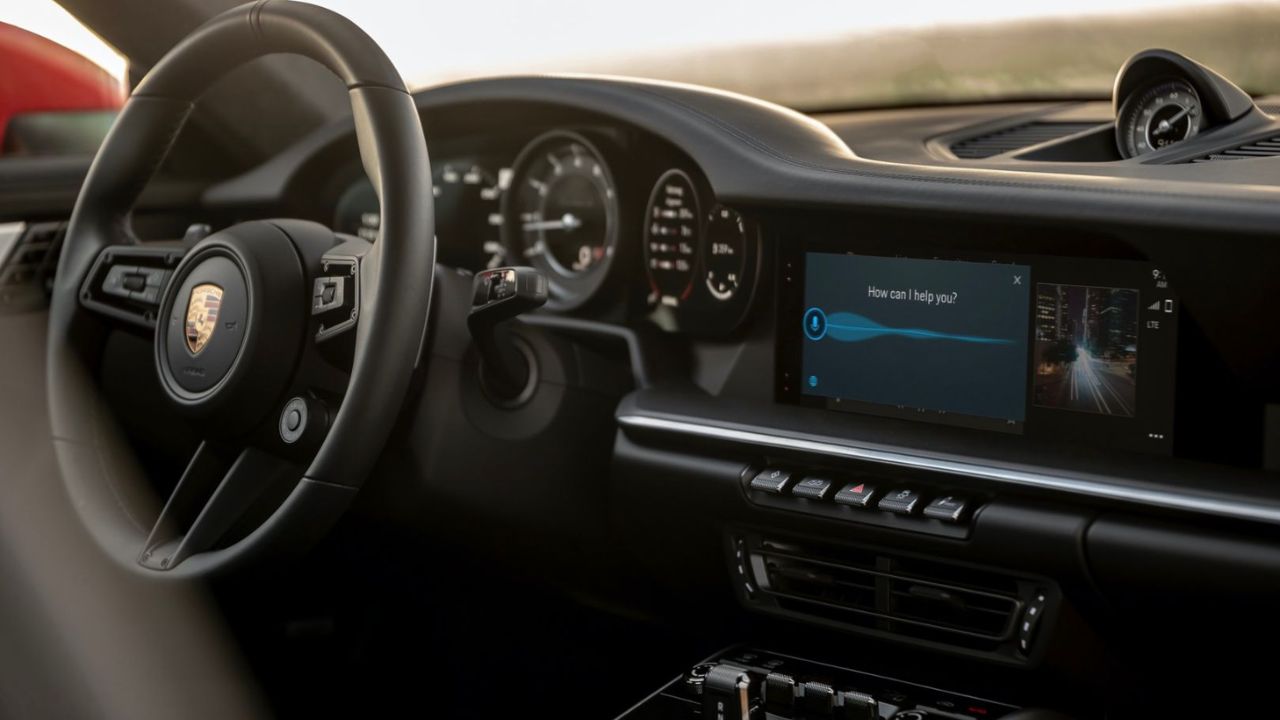
Your car is listening, but you’re not talking.
Voice command systems have become remarkably sophisticated, allowing drivers to control navigation, music, phone calls, and climate settings without taking their hands off the wheel. Despite this hands-free convenience being a genuine safety improvement, research indicates that rmost drivers with voice command capability rarely or never use it.
The hesitation often stems from early voice recognition systems that were frustratingly inaccurate, leaving drivers with a bad first impression that they never bothered to update. Modern systems have improved dramatically compared with early voice recognition, but performance still varies by vehicle, ambient noise, accents, and connectivity, making them genuinely practical tools rather than novelties. This isn’t about being uncomfortable with new technology—it’s about giving improved systems a second chance after those admittedly rough early versions.
Your passenger might give you a strange look the first time you say “Navigate to nearest coffee shop,” but you’ll arrive with both hands still on the wheel.
Auto Start-Stop Systems
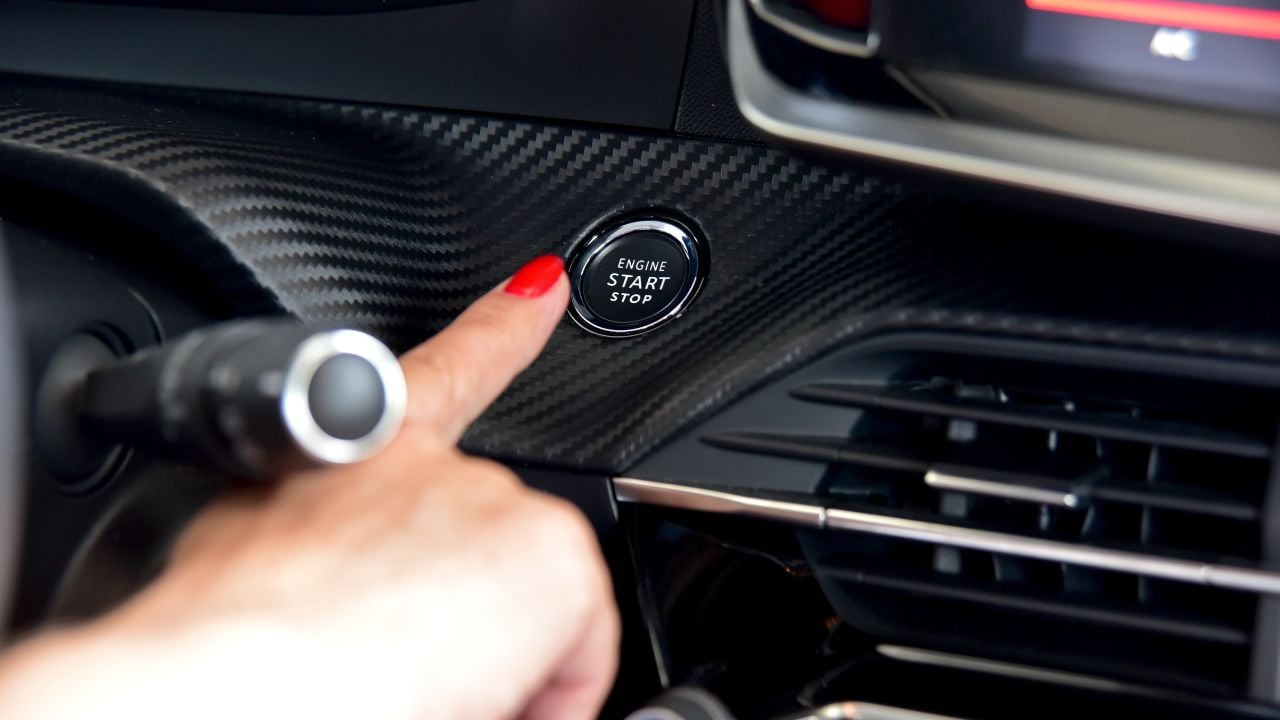
The feature that turns off your engine at red lights has become automotive controversy incarnate, with many drivers immediately disabling it every time they start their car.
Auto start-stop technology can improve fuel economy in city driving, often around 5–7%, and sometimes more depending on conditions, potentially saving some drivers around $100 per year, depending on mileage and fuel prices while reducing emissions. The system has been refined over decades in Europe before arriving in American vehicles, yet many U.S. drivers find the momentary silence unsettling or worry about engine wear. Engineers specifically designed these systems with reinforced starters and additional battery capacity to handle the increased cycling without durability concerns. This isn’t about dismissing legitimate preferences, some drivers genuinely prefer the feel of a continuously running engine, and that’s fine.
But the resistance often comes from misunderstanding the technology rather than actual drawbacks, and manufacturers wouldn’t install systems that compromised their powertrain warranties.
Adaptive Cruise Control
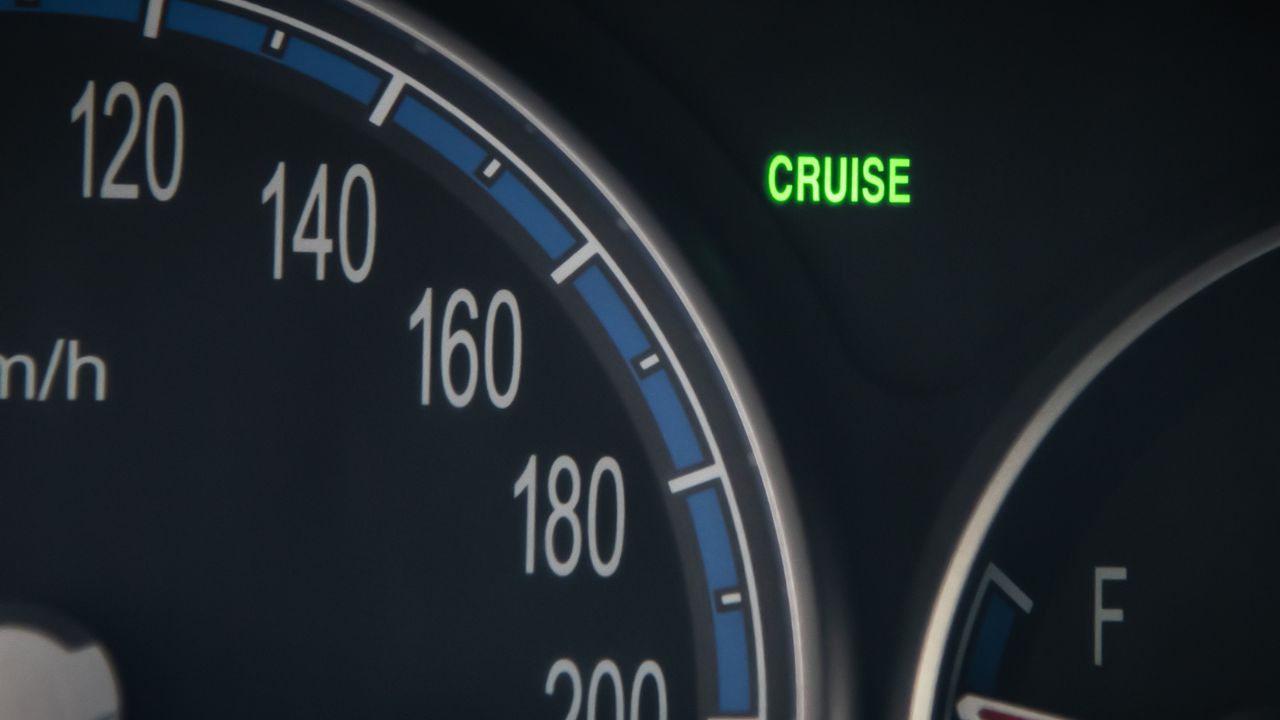
Adaptive cruise control takes traditional cruise control and adds radar to automatically maintain a safe following distance, yet many drivers stick with the old-school version or avoid cruise control altogether. The technology has been has been available since the late 1990s/early 2000s on some vehicles and is is now common: one industry estimate found 56.8% of 2021 U.S. model-year vehicles were sold with ACC, and another analysis shows ACC availability climbing into the 60%+ range by the 2023 model year, making it hardly cutting-edge anymore. Despite this widespread availability, usage varies widely: some owners rely on it for highway commuting, while others avoid it because they don’t like how it manages following distance.
The system reduces driver fatigue on long trips, helps maintain consistent speeds for better fuel economy, and can even prevent rear-end collisions by automatically braking when traffic slows. Some drivers worry about ceding control to the car or find the gap to the vehicle ahead uncomfortably large for their driving style.
The older generation pioneered the original cruise control in the late 1950s, so this resistance isn’t about age, it’s about trusting the next evolution of a feature that’s been around for decades.
Lane Keeping Assist

Lane keeping assist gently nudges your steering when you drift toward lane markers, functioning as a helpful co-pilot rather than an autonomous takeover.
Modern systems use cameras to detect lane markings and provide subtle corrections, or at minimum, warnings when you’re wandering without signaling. Data from insurance companies shows that lane-departure and road-departure crashes are a major safety problem, which is why lane-departure warning and lane-keeping features have been widely promoted in the U.S., making this a feature with genuine safety value. Many drivers disable the system after finding early versions too aggressive or intrusive, offering harsh corrections that felt like the car was fighting them.
Current generation systems have been calibrated for much gentler interventions that work with your steering inputs rather than against them, but the negative first impression persists. This isn’t about resisting helpful technology; it’s about manufacturers learning to implement assistance in ways that feel natural rather than jarring.
Wireless Charging Pads

That rubberized pad in your center console isn’t just a phone holder, it’s a wireless charging station that most drivers never activate.
Wireless charging eliminates the daily plug-in routine, keeping your phone topped off during your commute without fumbling with cables. However, many drivers report low usage, often because they don’t realize it’s there, cases interfere, or charging feels slow compared with a cable from their owners, often because drivers don’t realize the feature exists or their phone case blocks the charging capability. The technology also charges slower than wired connections, leading some people to try it once, notice their phone didn’t charge much during a short trip, and abandon it entirely.
For drivers making regular commutes or running errands around town, the cumulative charging throughout the day actually keeps phones well-maintained without any conscious effort. Carmakers are attempting to keep up with the way we use technology, but it may not be exactly what drivers want.
Head-Up Display
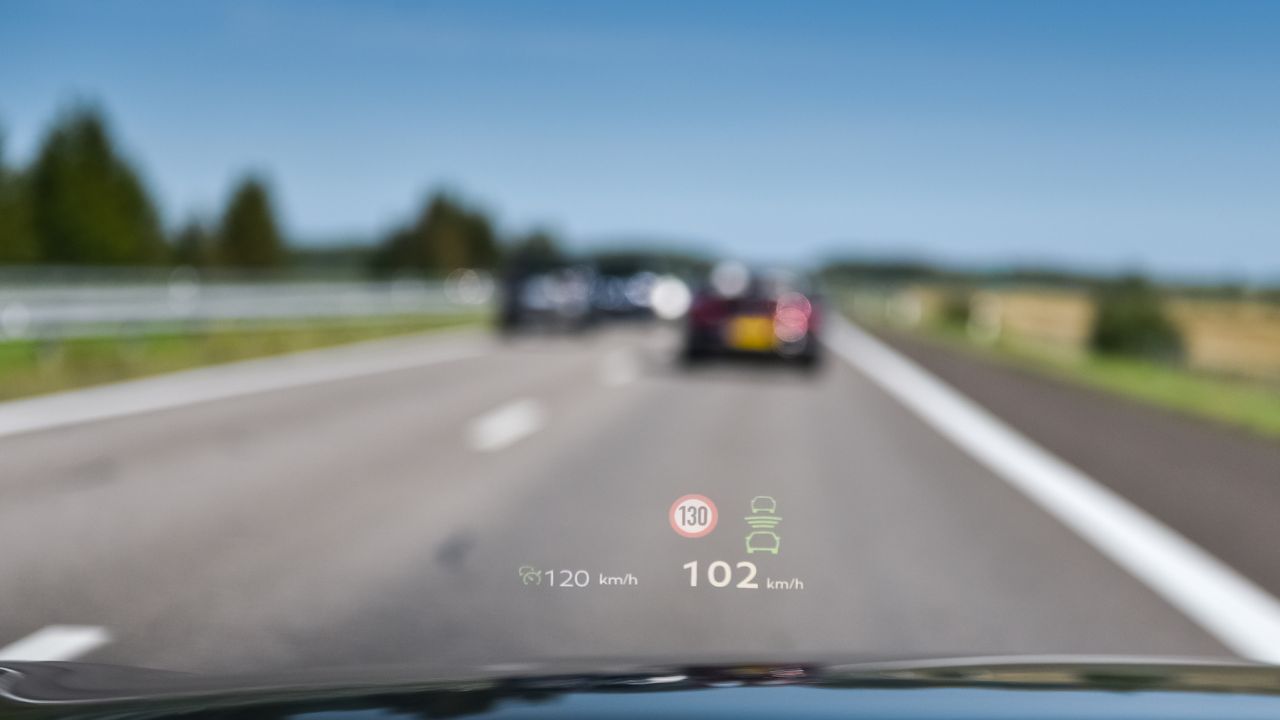
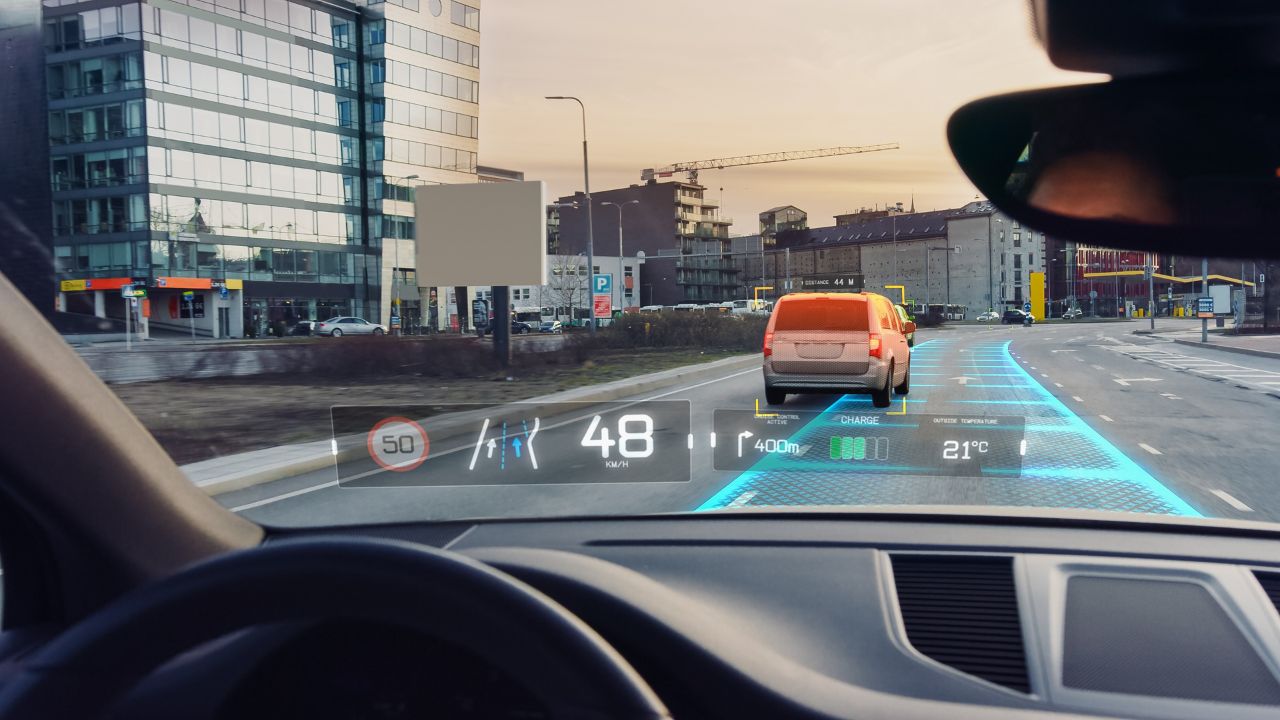
Head-up displays project crucial driving information onto your windshield, letting you see your speed and navigation directions without looking down at the dashboard.
The technology originated in military fighter jets and has been available in luxury cars since the late 1980s, gradually trickling down to mainstream vehicles over the past decade. Despite this impressive pedigree, many drivers with head-up displays turn them off within weeks of buying their car, finding the floating information distracting rather than helpful. The benefit becomes apparent on longer drives where keeping your eyes on the road ahead reduces fatigue and improves reaction time to unexpected situations. In the U.S., GM introduced one of the first production automotive HUDs on the 1988 Oldsmobile Cutlass Supreme Indy Pace Car.
Some people find any windshield projection inherently bothersome, similar to those who immediately remove the small mirror convex spot mirrors their parents generation loved. The key is adjusting the brightness and information density to your preferences rather than accepting the default settings that manufacturers configured for generic users.
Automatic High Beams
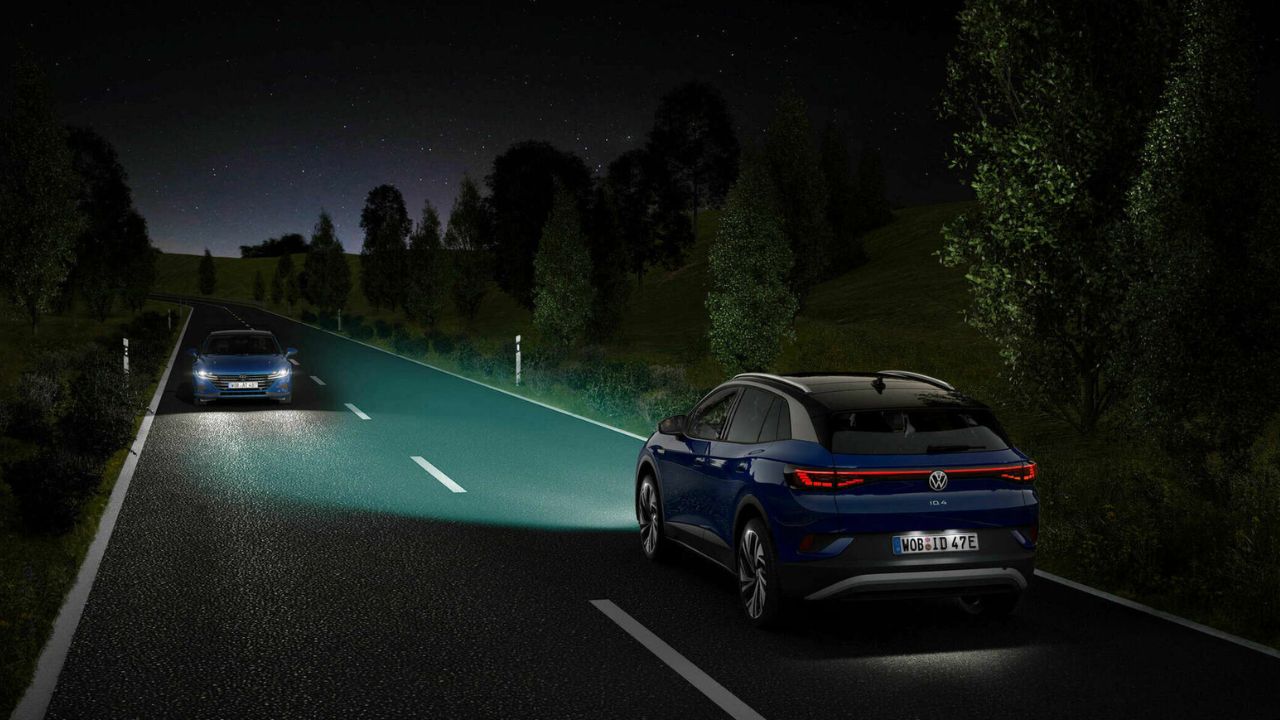
Automatic high beam systems detect oncoming traffic and switch between high and low beams without requiring you to touch the stalk, yet many drivers leave the feature off permanently.
The technology uses cameras to identify headlights and taillights, toggling your high beams to maximize visibility while avoiding blinding other drivers. Research shows that drivers use high beams far less frequently than recommended, despite how much better they help us see in the dark. Automatic systems can increase appropriate high-beam use by taking the decision off the driver, though performance depends on calibration and conditions, significantly improving nighttime visibility and reducing animal strike incidents.
Early systems sometimes reacted too slowly or too sensitively, creating awkward moments where you’re briefly blinding oncoming drivers, and those experiences made people skeptical. Modern implementations have improved dramatically in response time and detection accuracy, making them genuinely useful rather than embarrassing dinner party stories about your car’s quirks.
Multi-Zone Climate Control

Dual or tri-zone climate control lets passengers set different temperatures for various areas of the cabin, ending the eternal thermostat wars that plague family road trips. The feature has become increasingly common, now common in many SUVs and higher trims, though availability varies widely by segment and price, yet many families never venture beyond the basic temperature controls.
The resistance often comes from the complexity of the interface, pressing through multiple screens or button combinations feels unnecessary when everyone could just compromise on 72 degrees. Parents who grew up fighting over the single climate dial in their childhood station wagons sometimes dismiss this as excessive luxury rather than practical harmony. The reality is that body temperature comfort varies significantly between individuals, and what feels perfect to the driver might leave rear passengers shivering or sweating.
Taking five minutes to show every family member how to adjust their zone transforms the car from a mobile negotiation chamber into a space where everyone arrives comfortable.
Remote Start via Smartphone App
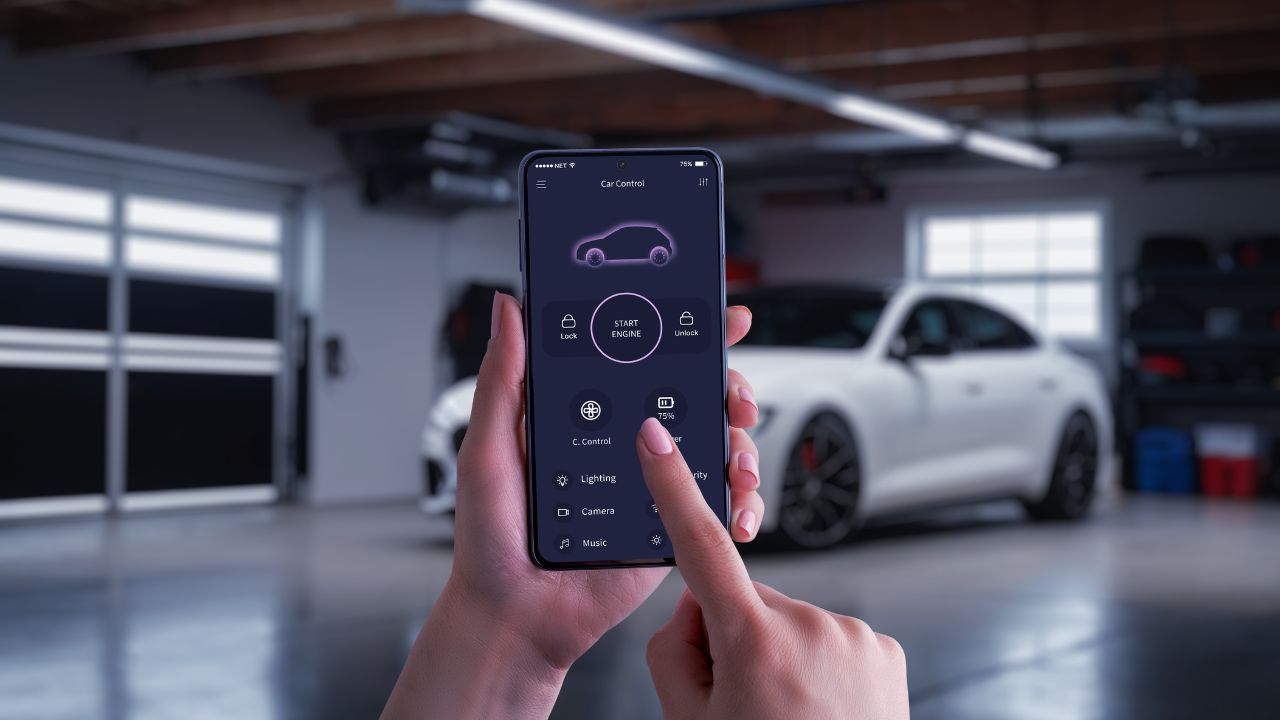
Remote start has evolved from aftermarket key fobs to sophisticated smartphone apps that can start your car from anywhere, yet many owners stick with the physical key fob or skip remote start entirely.
Modern apps let you start your vehicle from inside your home, office, or even another state, ensuring your car is warmed up or cooled down before you step inside. This feature is often abandoned because drivers forget about the capability or find the app interface confusing. The subscription-based model some manufacturers use has also created resistance, paying annually for features built into your car feels unreasonable to many drivers.
This isn’t about older generations being uncomfortable with apps, since smartphone adoption is nearly universal across age groups. The pushback comes from reasonable frustration with subscription fatigue and a preference for features that work without ongoing payments, which is perfectly understandable.
Adjustable Drive Modes
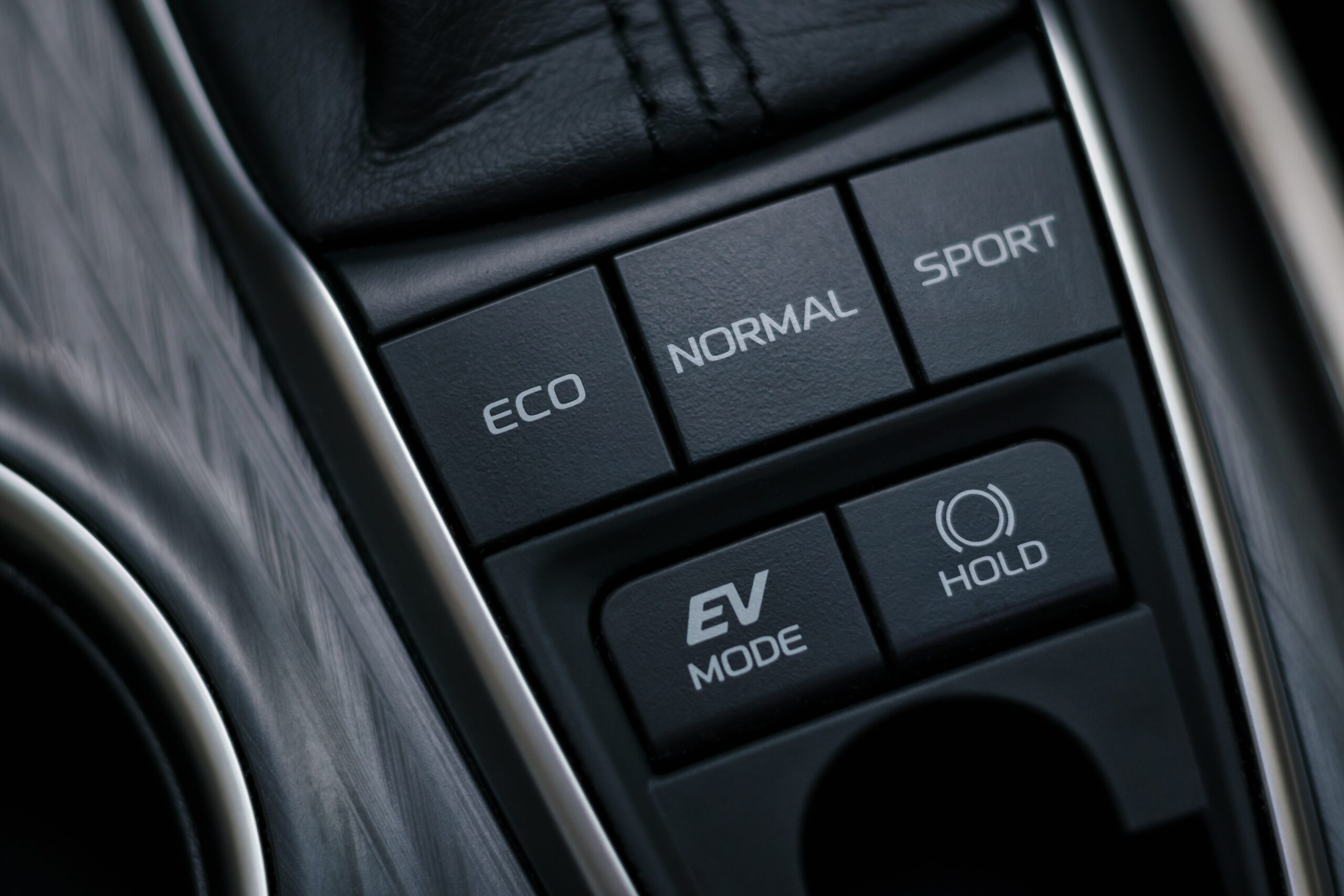
Sport mode, Eco mode, Comfort mode, your car probably has several personality settings that most drivers never explore beyond their initial test drive. These drive modes adjust throttle response, transmission shift points, steering weight, and sometimes even suspension settings to change your car’s character.
Manufacturers spent considerable engineering resources developing these modes, yet most of us drive in the car’s normal mode permanently. The various modes genuinely alter your driving experience, Sport mode sharpens responsiveness for spirited driving, while Eco mode optimizes for fuel efficiency on your daily commute. Drivers likely tried Sport mode once, found the aggressive throttle response annoying in traffic, and concluded all the modes were gimmicks rather than useful tools for specific situations. My friend once switched to Track mode (on the track no less) and still found his Mustang GT to be far too aggressive for even its designated use.
The older generation grew up when your car had one personality and you adapted to it, so questioning whether multiple modes are necessary isn’t about resisting progress, it’s about recognizing that sometimes simpler really is better.
Conclusion
The gap between installed features and actual usage reveals something interesting about automotive technology adoption in America. These unused features aren’t failures of engineering, most work exactly as designed and offer genuine benefits when given a fair chance. The pattern instead reflects how new technologies need time to integrate into driving habits, how first impressions matter tremendously, and how the complexity of modern vehicles can overwhelm even enthusiastic owners.
What’s particularly fascinating is that resistance to these features crosses generational lines; younger drivers ignore voice commands while older drivers skip wireless charging, suggesting this isn’t about age but about individual preferences and the learning curve every new technology faces. The next time you’re waiting at a red light, maybe poke around your car’s settings, you might discover a feature that’s been patiently waiting to make your drive a little bit better.