
In our little corner of gearhead world, few things command attention like a fighter jet configured for a mission that stretches the limits of range, precision, and firepower.
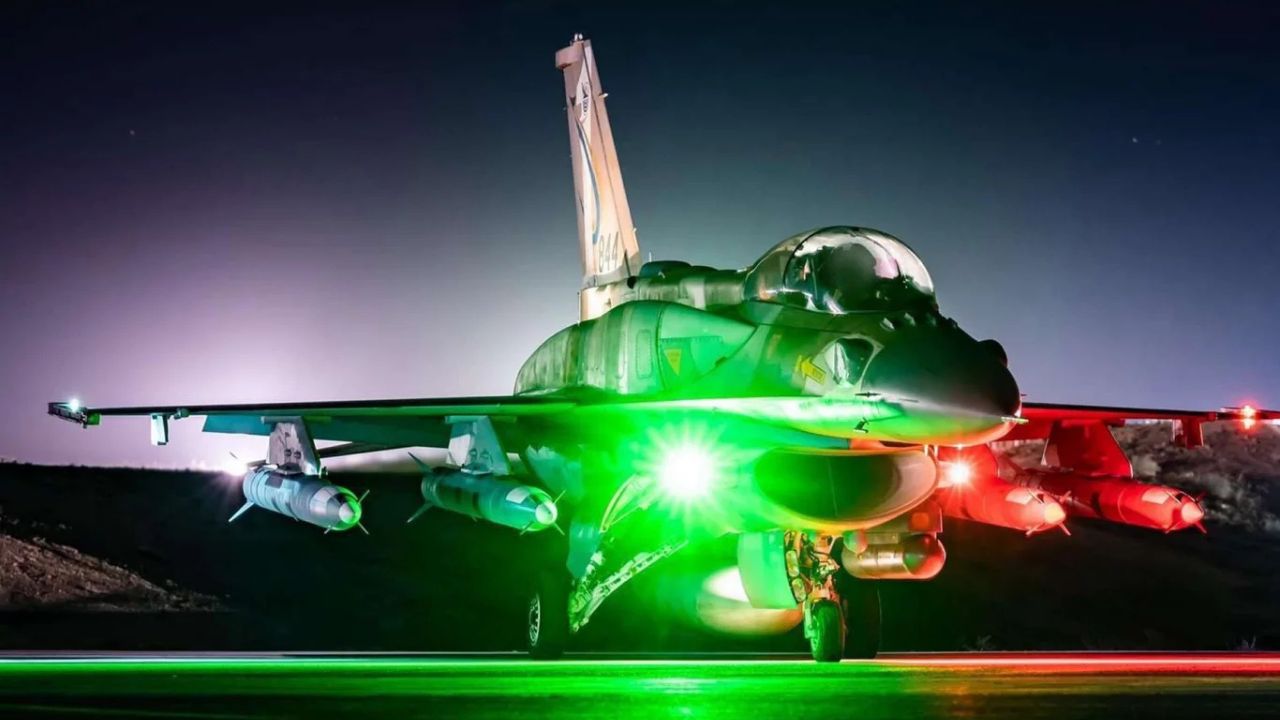
That is exactly what happened when Israel recently revealed a striking image of one of its most capable combat aircraft, the F-16I Soufa, carrying a heavy payload of four long-range strike missiles in a configuration designed for deep attacks far from home.
The image, released by the Israeli Air Force in early March 2026, shows the two-seat fighter jet sitting on the tarmac under night lighting with an unusually potent weapons load. Mounted beneath its wings are four RAMPAGE missile stand-off strike weapons, a setup that immediately caught the attention of military analysts and aviation watchers around the world.
The F-16I Sufa: A High-Performance Machine
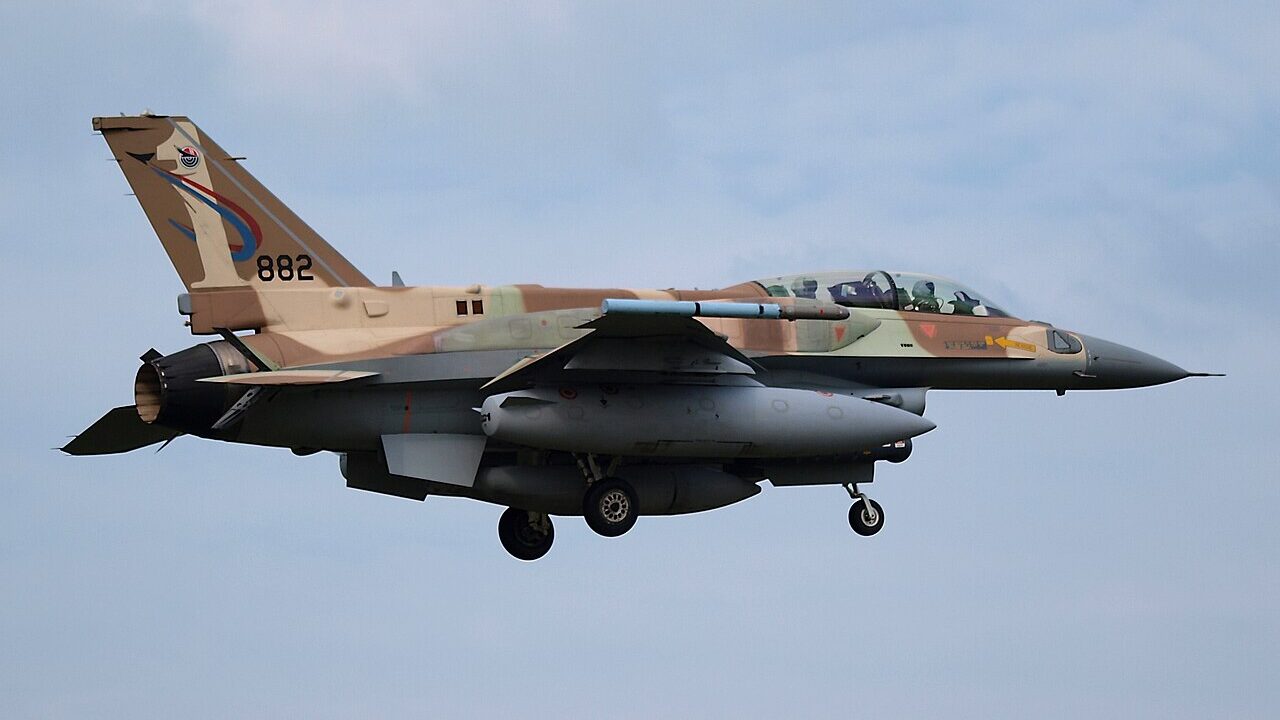
Using the language of gearheads under the spell of powerful machines, the F-16I is essentially the high-performance tuned version of the legendary F-16 Fighting Falcon. Built specifically for Israel, the Soufa variant includes major modifications that transform it into a long-range strike platform capable of operating deep inside hostile territory.
The jet is powered by a powerful turbofan engine and features advanced Israeli-developed avionics, electronic warfare systems, and conformal fuel tanks mounted along the upper fuselage. Those extra fuel tanks extend the aircraft’s operational range without taking up hardpoints that could otherwise carry weapons.
In practical terms, that means the aircraft can fly farther while still carrying a significant strike load.
In the newly revealed configuration, the four RAMPAGE missiles sit beneath the wings in a symmetrical layout that maximizes the aircraft’s ability to strike multiple targets in a single mission. Each missile is designed to destroy hardened or high-value ground targets such as radar installations, command bunkers, air defense batteries, and missile launch sites.
Stand-Off Strike Capability
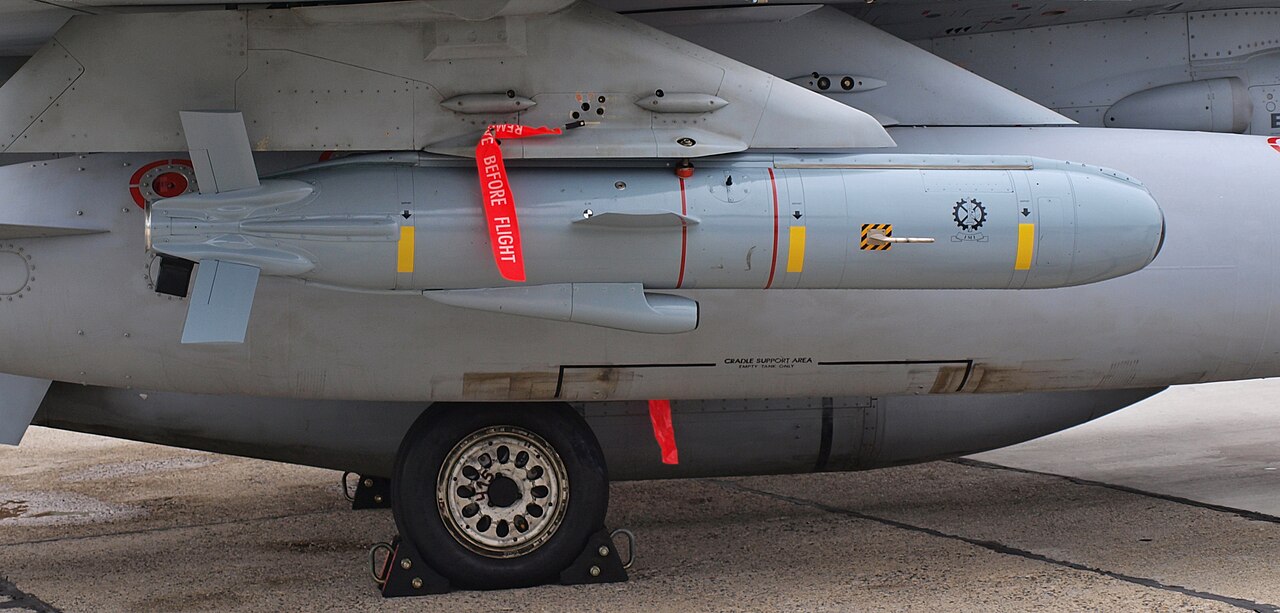
Unlike traditional bombs that require aircraft to fly close to the target, the RAMPAGE is a stand-off weapon. That means the jet can launch the missile from a considerable distance while remaining outside the reach of many air defense systems.
The weapon navigates toward its target using a combination of inertial guidance and satellite navigation, allowing it to strike with high accuracy.
The ability to carry four of these missiles on a single aircraft significantly increases the F-16I’s strike capacity. One jet can now potentially hit several separate targets during a single sortie. In a real combat scenario, that could allow a small group of aircraft to disable an entire network of enemy radar or missile infrastructure.
For those of us with a nose for such things, it’s rather interesting to note that the photo that revealed the configuration was taken at night. That certainly adds another layer of meaning. Night operations are a core part of modern air warfare, allowing aircraft to approach targets with reduced visibility and improved survivability.
The image suggests the aircraft was prepared for or returning from a mission that required stealth, coordination, and long-distance reach.
A Proven Workhorse that Keeps Evolving
The F-16I itself has long been a backbone of Israel’s strike capability. While newer aircraft such as the F-35I Adir provide stealth capabilities, the Sufa remains a proven workhorse that can carry a large payload and operate across vast distances.
Its two-seat cockpit also allows one crew member to focus on flying while the other manages sensors, weapons, and electronic warfare systems.
For aviation enthusiasts, the reveal is also a reminder that the F-16 platform continues to evolve decades after its first flight. Much like a legendary sports car that keeps receiving performance upgrades, the aircraft remains relevant through constant modernization.
חיל-האוויר החל בגל תקיפות נרחב לעבר תשתיות של משטר הטרור האיראני בטהרן. pic.twitter.com/duM6dEcgrU
— Israeli Air Force (@IAFsite) March 6, 2026
Why post a photo of the F-16I armed with four RAMPAGE missiles? Let’s just say that the Israeli Air Force offered a rare glimpse into how it is expanding its long-range strike toolkit. The configuration highlights a strategy focused on precision, distance, and the ability to neutralize critical targets while keeping pilots and aircraft as far away from danger as possible.
Indeed, engineering and innovation never stand still. Sometimes the most impressive upgrades happen far above the ground at nearly the speed of sound.
Sources: Army Recognition