

Diana Bahadori was better known online as Baby Rider, a 19-year-old Iranian motorbike influencer whose high-octane Instagram videos drew tens of thousands of followers. Her videos captured her precise cornering and fearless control of superbikes in a country where women riding motorcycles without a headscarf is illegal and often viewed as an act of defiance.
As of late January, global media reports and activist sources say Bahadori was killed by security forces during ongoing anti-government protests in northern Iran.
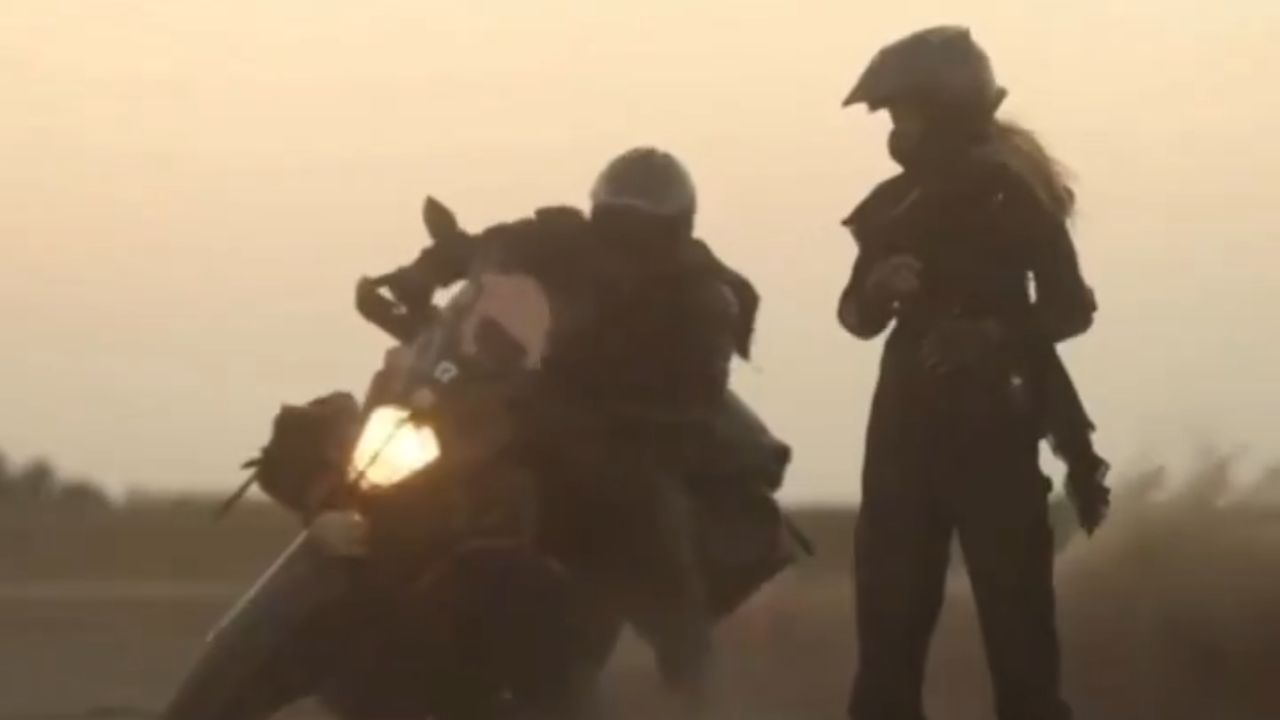
According to independent Iranian news outlets such as IranWire, Bahadori was shot twice with live ammunition by Iranian security forces in the city of Gorgan around midnight on January 9. After her disappearance, her family searched for her for two days and only received her body on January 11.
The circumstances of her death have sparked outrage in Iran and among human rights advocates abroad.
State Narratives and Family Pressure

The Iranian government and state media have offered conflicting explanations for what happened to Bahadori. Official statements circulated on her Instagram account claimed she died in a motorbike accident and urged followers not to spread rumors about her death.
Independent sources, however, say that her family was pressured by intelligence and security agencies to publicly deny responsibility by government forces as a condition of getting her body back. Reports allege that her burial was carried out quietly and without public acknowledgement because of those pressures.
What has made this case especially compelling for international audiences is the way it encapsulates the intersecting forces at play in Iran’s current turmoil. The protests first began in late December, triggered by a rapid collapse of the Iranian rial and deepening economic distress.

They quickly expanded into a simmering revolt against the policies and leadership of Iran’s Supreme Leader and the country’s clerical establishment. Women’s rights, personal freedoms, strict moral codes, and broader political repression have all turned into rallying points for demonstrators across the nation.
Bahadori represented a generation of young Iranians pushing up against the boundaries of what is socially and legally acceptable in their society. She had amassed more than 100,000 followers on Instagram by showcasing her riding skills and a kind of vibrant modern lifestyle that many young Iranians find inspiring.
In a society with strict codes on dress, movement, and gender, a woman confidently riding a powerful motorbike was inherently symbolic.
Echoes of Past Upheavals

Social media activists and diaspora Iranian journalists have invoked Bahadori’s story in the same tradition as earlier cases of young Iranians killed during uprisings. In 2009, the killing of Neda Agha-Soltan by militia forces during protests became a defining moment widely shared on the internet and broadcast abroad.
Look at this beautiful girl. She was full of love and joy for life.
Even with all the restrictions and bans in Iran, she broke the rules and followed her passion. A strong, fearless young woman who went against the Islamic Republic’s laws that say women can’t ride motorcycles,… pic.twitter.com/fLsGPr0PeF— Masih Alinejad 🏳️ (@AlinejadMasih) January 26, 2026
Her death galvanized international attention and helped shape the narrative of the Green Movement. Other protest deaths in recent years have similarly sparked anger over state violence and information control.
Iranian activist Masih Alinejad took to social media to condemn the treatment of Bahadori, saying the young woman’s only crime was being born under a regime that cannot tolerate the very image of youthful independence.
Look at this beautiful girl, Alinejad wrote. She was full of love and joy for life. Even with all the restrictions and bans in Iran, she broke the rules and followed her passion.
The Challenge of Verification
View this post on Instagram
It remains difficult to independently verify precise details from inside Iran because of restricted press access and government censorship. Independent journalists and human rights groups rely on family accounts, activist networks, and digital communication channels to piece together events that may otherwise go unreported.
Nonetheless, international coverage and reporting from outlets like IranWire and multiple global news services have repeatedly cited the core elements of Bahadori’s death.
For many observers, the loss of Baby Rider is tragic, and a stark reminder of the costs borne by young people in societies marked by political repression and generational conflict. It raises urgent questions about how authoritarian governments respond when a youthful challenge to cultural norms meets fierce political dissent.