Japan did not become great at sports cars by copying anyone else for very long. It got there by building machines that were sharper, lighter, smarter, more durable, and often more approachable than the world expected. That is why the best Japanese sports cars still feel so important now.
They did not just win comparison tests or decorate bedroom walls. They changed what enthusiasts believed a sports car could be, whether that meant exotic engineering, everyday usability, incredible value, or a level of driving purity that still feels hard to match. If you grew up loving cars, there is a good chance at least one of these machines shaped your taste without you even realizing it.
And if you had to choose only one to keep forever, would you go with the elegant pioneer, the turbo legend, the featherweight roadster, or the car that made supercars rethink themselves?
How Do You Measure Greatness When Japan Changed The Rules?

This list is not about auction prices or online hype alone. I chose cars that changed how Japanese performance was seen, whether through design, engineering, motorsport credibility, driver feel, or lasting cultural weight. Some were halo machines built to impress the whole world, while others earned greatness by giving ordinary drivers something extraordinary within reach.
I also favored models whose influence lived on long after production ended, because real greatness should outlast its own era. That is why this ranking blends exotic icons, tuning heroes, lightweight driver’s cars, and a few machines that quietly rewrote the sports car rulebook. The real test was simple: if the badges disappeared, would this car still matter in any serious conversation about the best Japanese sports cars ever built?
Toyota 2000GT

The Toyota 2000GT belongs here because it was the moment Japan proved it could build a sports car the world had to respect. Toyota’s own history still frames it as a grand tourer that set three world records and 13 international records in 1966 before going on sale in 1967, and later company material points to its high revving DOHC 2.0 liter inline six and its role as a bold technological statement. That matters because the 2000GT was not just pretty.
It was ambitious. Its proportions were elegant, its cabin felt special, and its whole presence told the world that Japanese cars did not have to be viewed only as practical tools. This was a proper dream machine. In hindsight, the 2000GT feels even more important than its tiny production total suggests, because it opened a psychological door for everything that followed. Without it, Japan’s sports car story would still exist. It just would not have begun with such confidence.
Datsun 240Z

The 240Z is where Japanese sports cars stopped being a fascinating surprise and became a genuine force in the real market. Nissan’s heritage material notes that the first generation Fairlady Z launched in 1969 and, in North American 240Z form, used a 2.4 liter inline six. Over its nine-year production run, the broader first-generation Z family sold more than 520,000 units, an extraordinary figure for a sports car of its era. That success did not happen by accident.
The 240Z looked long hood handsome, drove with the classic front engine rear drive balance enthusiasts wanted, and delivered real performance without making ownership feel intimidating or exclusive. It also built its credibility in competition, including strong rally results that helped prove its toughness.
What makes the 240Z so essential is that it democratized the Japanese sports car idea. It gave buyers beauty, pace, and usability in one clean package, and the whole industry felt that impact.
Mazda MX-5 Miata
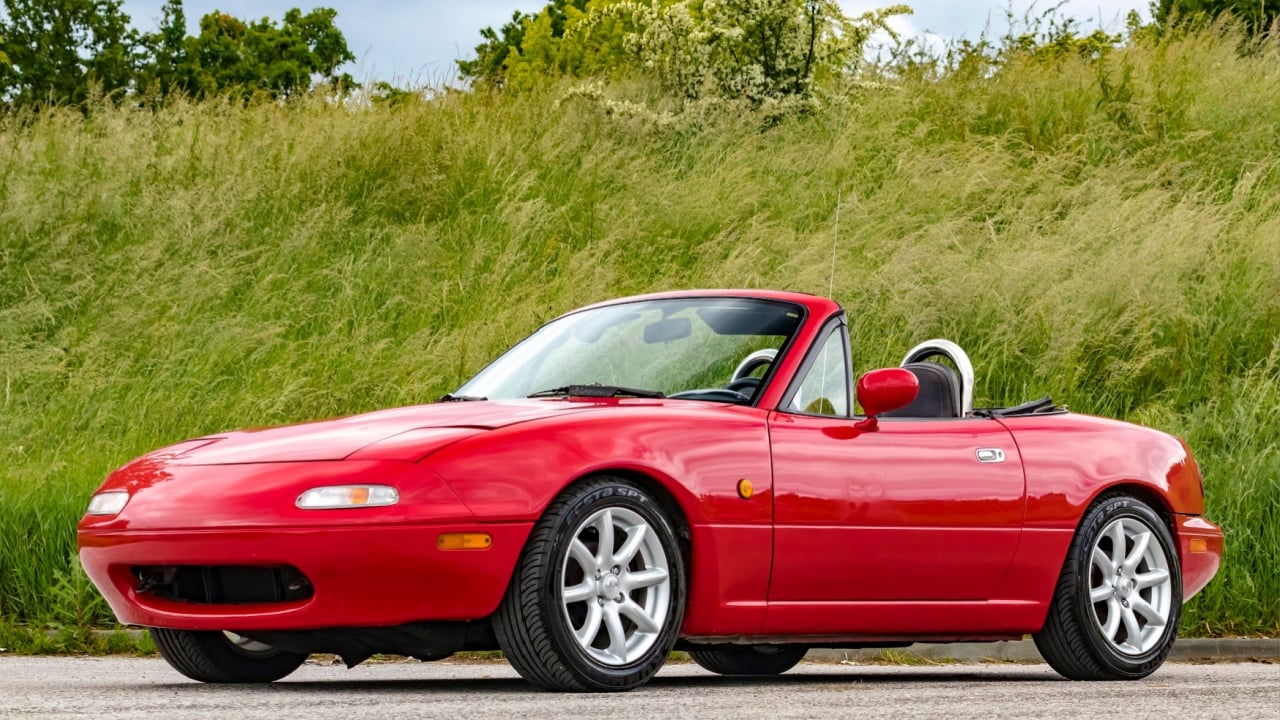
Few cars deserve the word joyful as completely as the Mazda MX-5 Miata. Mazda’s own history says the company pursued the idea of a lightweight rear wheel drive roadster when that kind of car had nearly vanished, and the engineers built the first generation around the now famous Jinba Ittai concept, the sense of horse and rider moving as one.
That idea explains almost everything about the Miata’s legacy. The MX-5 never needed huge power or dramatic numbers to matter. It won people over with balance, clarity, and the feeling that driving could still be playful at sane speeds. Mazda later built more than one million of them and repeatedly pointed to its Guinness recognition as the best selling open top two seater sports car. That is not just success. That is proof of a philosophy.
The Miata belongs among the greatest because it reminded the world that a sports car could be small, simple, affordable, and still feel completely special.
Honda NSX

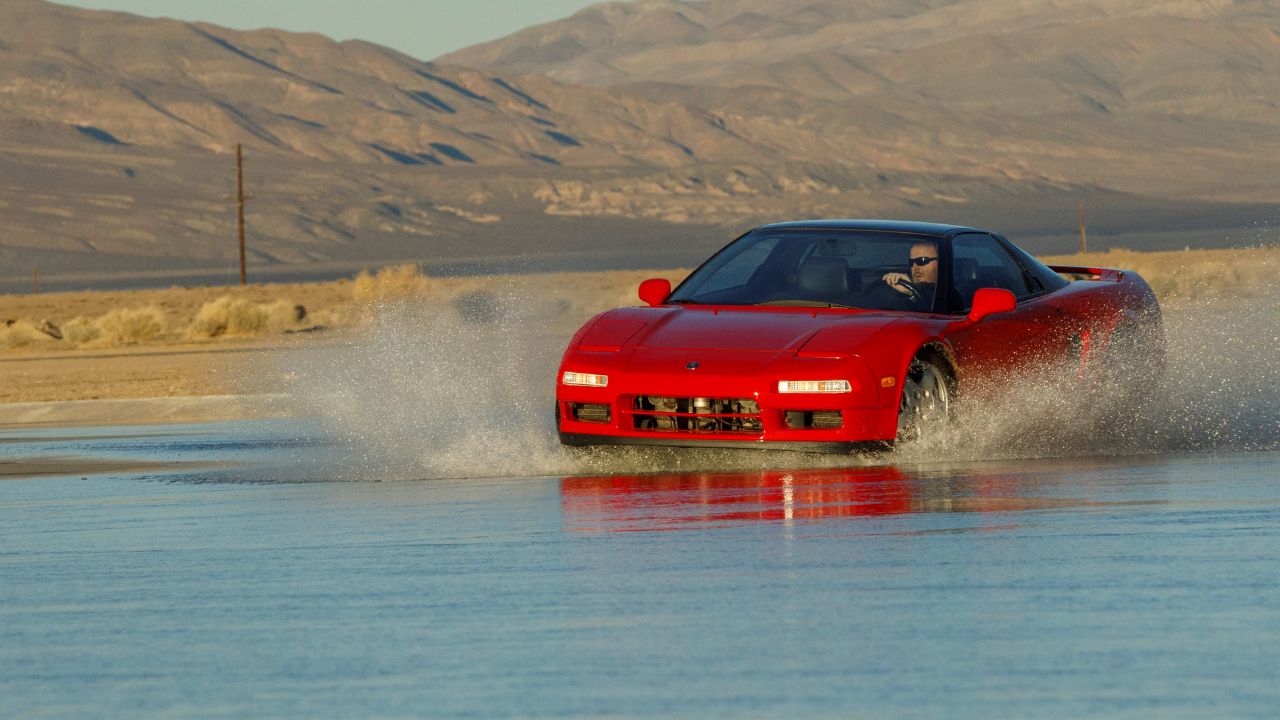
The original NSX changed the global sports car conversation because it refused to accept the usual compromises. Acura’s official history still describes the 1989 debut as a shock to the supercar world, highlighting its all aluminum construction, 270 hp VTEC V6, and the way it paired exotic layout and engineering with ergonomic comfort and gentle road manners. That was the revolution.
Before the NSX, most exotic cars still carried an assumption of difficulty, awkwardness, or everyday sacrifice. Honda attacked that idea directly and made a mid engine performance car that felt both thrilling and sane. The first production car with an all aluminum chassis and body, it also helped raise the engineering standard for everyone else.
That is why the NSX remains so powerful in memory. It was not merely fast and beautiful. It was intelligent. It proved that a supercar could be precise, usable, and beautifully made all at once, and that lesson never really stopped mattering.
Mazda RX-7 FD

The third generation RX-7 feels like Mazda at its bravest. According to Mazda’s own history, the FD series launched in 1991 with a mission to return to the origin of the sports car, while engineers cut more than 100 kilograms from the body, improved power, and targeted a weight to power ratio of less than five kilograms per PS. You can feel that ambition just by looking at it.
The FD has one of the most graceful shapes ever worn by a Japanese sports car, but the real magic sits underneath. Rotary power, low weight, and a chassis built around delicacy gave it a character that feels completely different from the heavier turbo heroes that came later.
Mazda also notes that the RX-7 earned 100 IMSA wins across its life, which underlines how deep the performance credibility ran. The FD matters because it captured the beauty, fragility, and obsession of Japanese sports car culture in one unforgettable form.
Toyota Supra Mk IV
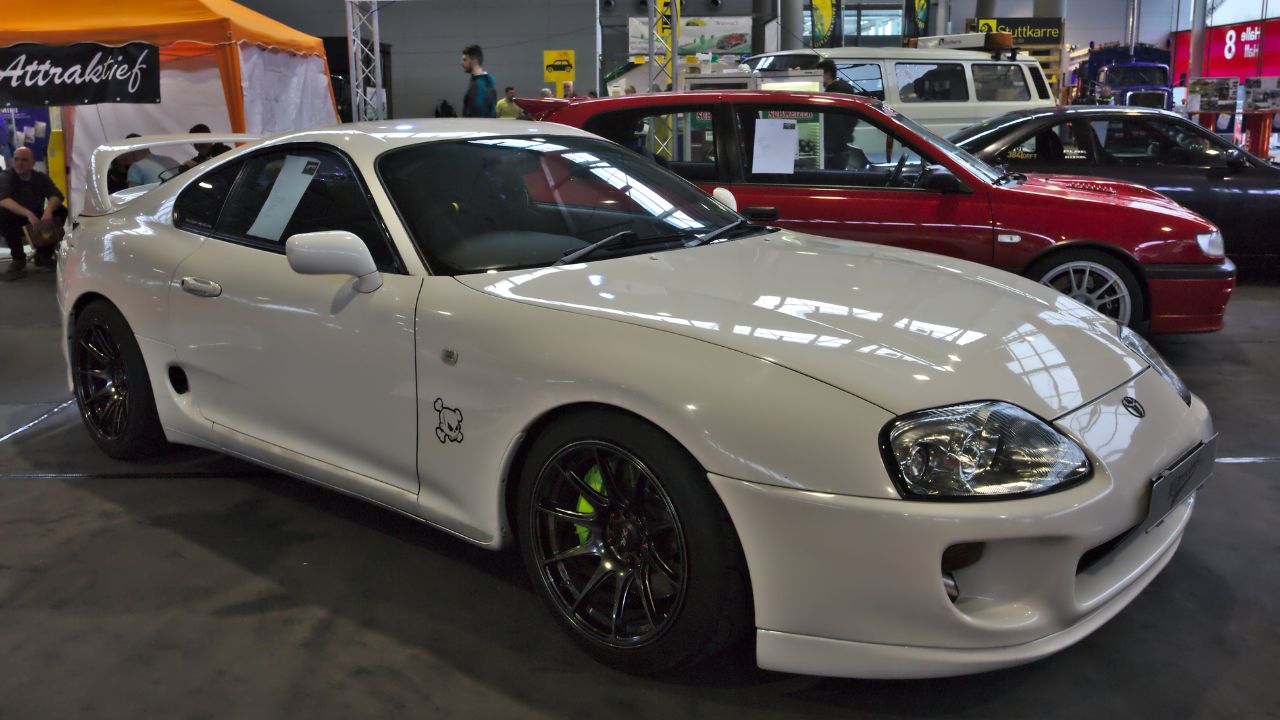
The fourth generation Supra became a legend because it blended brute strength with real polish. Toyota’s own heritage writing calls the A80 the design and performance touchstone that inspired the modern GR Supra, and it goes even further by describing the car as a benchmark sports and GT machine with supercar level performance. That sounds dramatic, but the reputation is earned.
The Mk IV arrived with a shape that looked muscular without being clumsy, and in turbocharged form it gave enthusiasts one of the most durable and tunable performance platforms of the era.
Yet the Supra was never only about modification potential. In factory form it already felt serious, with long legged speed, a driver focused cockpit, and the kind of visual presence that made it instantly aspirational. It also became a pop culture star, which only widened its reach. The reason it belongs here is simple. Very few cars balanced engineering muscle and global mythmaking as effectively as this one.
Nissan Skyline GT-R R32
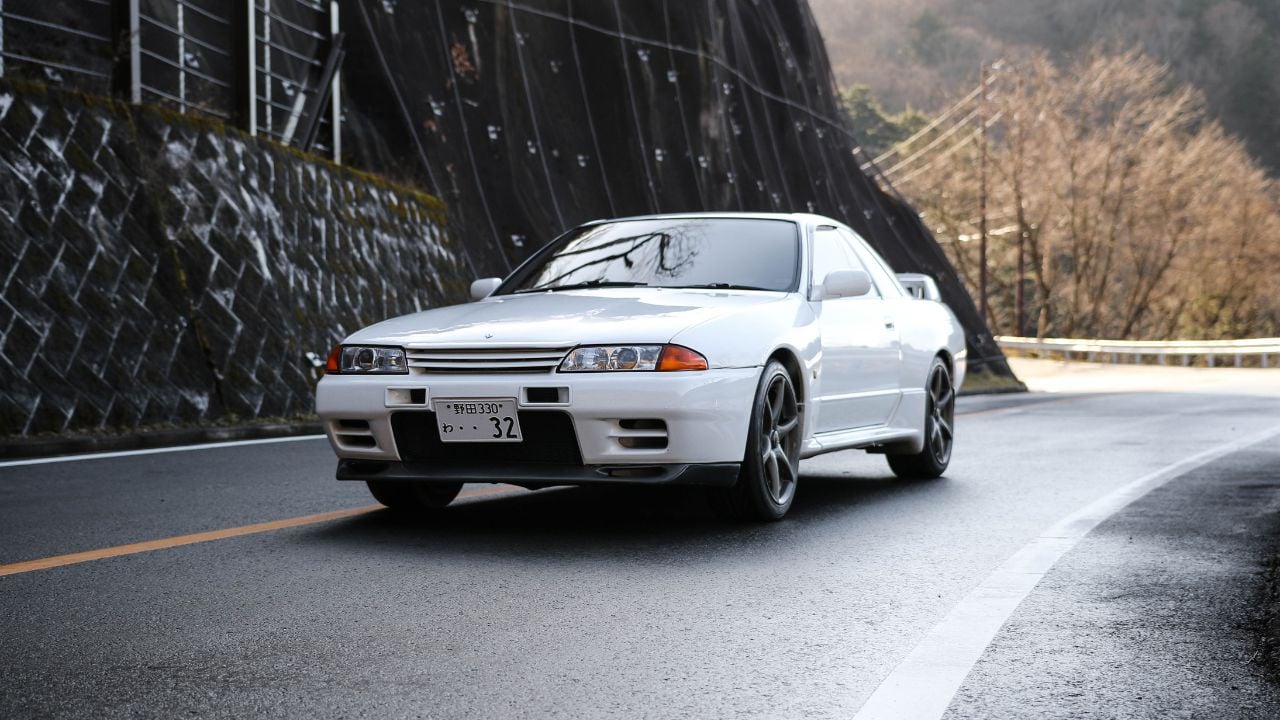
If the Supra became a legend partly through street culture, the R32 GT-R built its reputation like a hammer. Nissan’s heritage material states that the revived GT-R returned in 1989 and went on to record an astonishing 29 victories without defeat across four Japan Touring Car Championship seasons, powered by the RB26DETT and the ATTESA E-TS all wheel drive system.
That level of superiority explains why the car still feels so important. The R32 was not just quick. It was devastatingly effective, a coupe engineered with the seriousness of a racing program and then handed to the public. It also gave Japan a performance flagship that felt technologically advanced in a way few rivals could match at the time.
The nickname Godzilla did not stick because the car looked dramatic. It stuck because the car kept crushing expectations. The R32 belongs on this list because it turned Japanese performance from admired to feared, and that is a very different kind of greatness.
Acura Integra Type R

The Integra Type R is one of the purest driver’s cars Japan ever produced, which is why it earns its place even beside bigger and more expensive machines. Acura and Honda history still describe the DC2 as the only Type R sold in the United States under the Acura brand, and period technical material highlighted its hand built 1.8 liter VTEC engine making 195 hp, along with a chassis engineered for precision rather than comfort first compromise.
On paper, that may not sound dramatic beside turbo sixes and V10s. On the road, it is magic. The Type R felt light, eager, tactile, and alive in a way that made ordinary stretches of pavement feel worth hunting down. Its racing record only strengthened the myth.
What makes it so important is that it showed how greatness could come from discipline instead of excess. This was not Japanese performance as flex. It was Japanese performance as refinement, obsession, and absolute focus.
Honda S2000

The S2000 feels like one of the last truly uncompromised roadsters from a major manufacturer. Honda’s official material traces it back to the SSM concept and highlights the original car’s 240 hp 2.0 liter four cylinder, while later Honda history points to the F20C’s 9,000 rpm redline as one of the defining facts of the model. That tells you exactly why the S2000 still matters.
It was a machine built around revs, response, and discipline, not lazy torque or easy theatrics. The steering, shifter, and seating position all worked together to make the driver feel completely locked in. This was not a car that flattered you with softness. It rewarded rhythm and intention. Yet it was never a miserable thing to own. It looked clean, felt compact, and aged with unusual grace.
The S2000 belongs among the best because it captured the joy of a roadster in the most focused, high revving, and unmistakably Honda way possible.
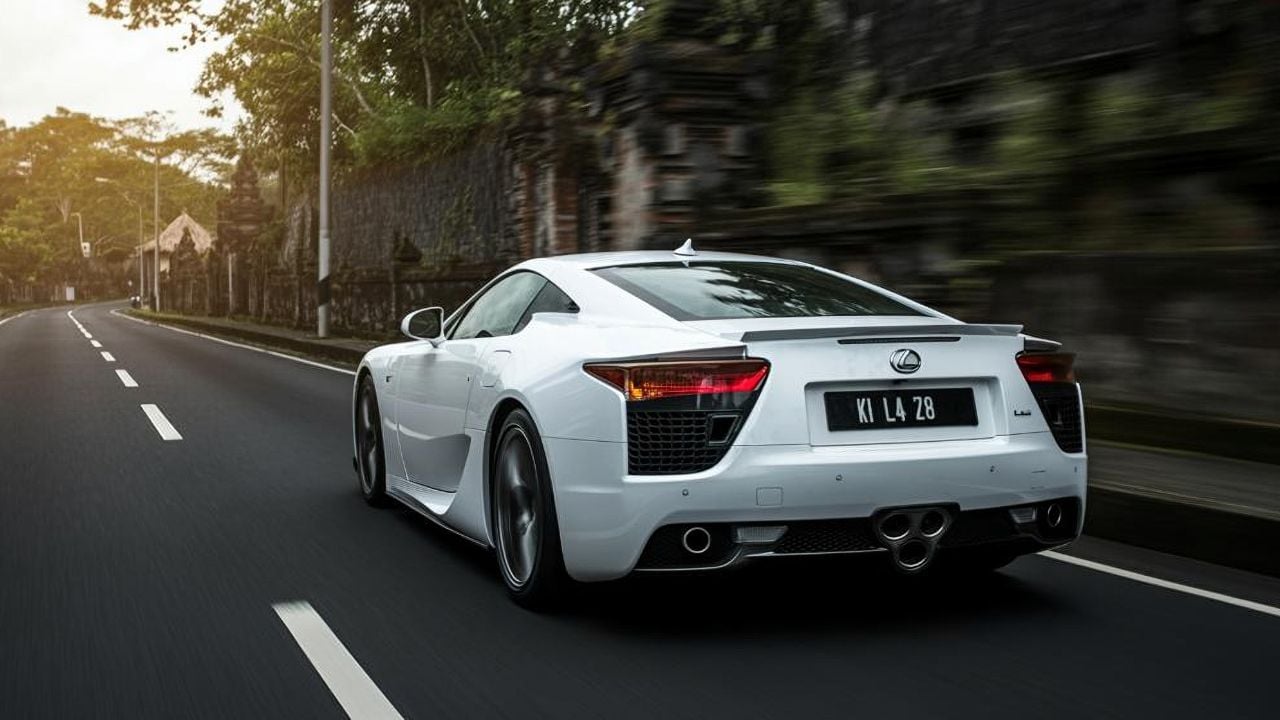
Lexus LFA

The LFA had almost impossible expectations and somehow still feels worthy of them. Lexus’ official launch material says only 500 were built, each one centered around a 552 hp 4.8 liter V10, 0 to 60 mph in 3.6 seconds, a 202 mph top speed, and Carbon Fiber Reinforced Plastic construction for the chassis and bodywork. Those numbers explain part of the story.
The deeper reason the LFA matters is emotional. It was not a cynical halo car. It was a company deciding to build something beautiful, technically obsessive, and totally unnecessary in the noblest possible way. The engine note alone has become part of performance car folklore, but the rest of the car backs it up with real engineering depth and a shape that still feels sharp without being gaudy.
The LFA belongs here because it showed that Japanese sports cars could reach the absolute summit without losing their own identity. It was not an imitation of greatness. It was greatness done differently.
Which One Still Feels Like The Purest Expression Of Japan?
That is the real beauty of this category. Japan did not give the world just one kind of sports car. It gave us the elegant statement piece, the affordable hero, the featherweight roadster, the tuning icon, the engineering masterpiece, and the race bred monster, sometimes all within the same decade. That variety is exactly why the best Japanese sports cars still matter so much. They were not built from one formula.
They were built from conviction. And if a car can still inspire that much argument, affection, and admiration years later, it probably belongs on a list like this. So which one would you choose, the one that changed history, the one that taught you to drive better, or the one you still hear in your head long after the garage door closes?