As the global automotive map continues to shift, the arrival of Chinese automakers in the United States increasingly looks like a question of when rather than if.
Their expansion has already reshaped markets in Mexico and much of South America, while Canada has signaled openness to certain models from Chinese manufacturers. North America is now emerging as the next major stage in a geopolitical and technological competition within the automotive industry.
In that context, Ford is reportedly exploring the possibility of a framework agreement with the administration of President Donald Trump that could allow Chinese manufacturers to produce vehicles on American soil through joint ventures.
According to U.S. media reports, such arrangements would involve sharing profits and technology while ensuring that an American partner retains majority ownership. The goal would be to prevent Chinese brands from overwhelming the domestic market while still allowing U.S. companies to benefit from collaboration.
China’s Value And Technology Formula

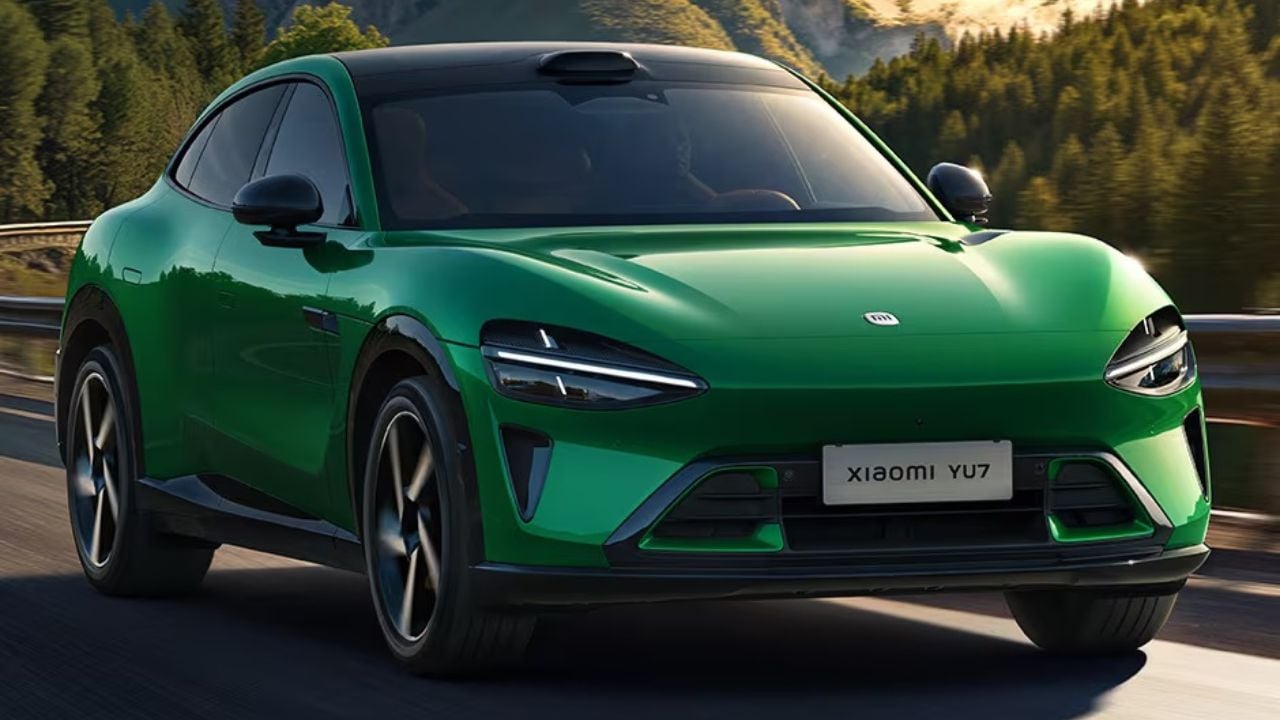
Chinese automakers have developed a recognizable strategy built around advanced technology offered at highly competitive prices. A strong example is the Xiaomi SU7 Max, a performance-oriented electric sedan producing roughly 600 horsepower and delivering performance comparable to the Tesla Model 3 Performance, but with a price just above $40,000.
If vehicles with similar specifications and pricing were introduced to the U.S. market, the resulting pricing pressure could be substantial. Established automakers would likely need to accelerate adjustments across manufacturing costs, supply chains, and EV platform development in order to remain competitive.
General Motors has already expressed concern about this possibility, warning that the arrival of Chinese brands could have a “devastating effect” on North American suppliers. Consumers, however, would likely benefit from broader choice and more competitive pricing. For manufacturers, the stakes are far higher.
Ford executives have openly acknowledged that losing the technological and market competition with China would represent more than a business setback. It would raise long-term questions about the company’s future position in the global industry.
Partnerships As A Strategic Option

Although Ford has not officially pushed for joint ventures with Chinese automakers, the concept is increasingly viewed as a practical response to China’s growing influence in electric vehicles. Future developments may depend in part on high-level political discussions between Washington and Beijing, where the automotive sector is becoming intertwined with broader trade and technology negotiations.
Ford has also publicly recognized China’s rapid progress in EV development. One company drawing particular attention is BYD, now the world’s largest electric vehicle manufacturer by sales volume after surpassing Tesla in global EV deliveries last year. That milestone has intensified pressure on American automakers to accelerate the development of affordable EV platforms.
This challenge has become even more significant following the expiration of federal EV tax incentives at the end of 2025. In today’s U.S. market, some of the most affordable electric vehicles include the Nissan Leaf and the returning Chevrolet Bolt EV, both priced at roughly $30,000. That price point could become an important psychological threshold for buyers as competition intensifies.
Ford has denied speculation about potential negotiations with Xiaomi regarding vehicle production in the United States. Still, one reality is clear. As Chinese automakers continue expanding globally, the American auto industry is approaching a pivotal moment. The coming years will determine whether the response involves defensive market protection or a redefinition of competition through partnerships that could reshape the future of the automotive landscape.
This article originally appeared on Autorepublika.com and has been republished with permission by Guessing Headlights. AI-assisted translation was used, followed by human editing and review.