

You are sitting in traffic, minding your business, and someone plows into the back of your car. It’s every driver’s nightmare. Your bumper is wrecked, your neck hurts, and suddenly you are navigating insurance companies, repair shops, and doctors.
For one American driver, though, that exact scenario played out into a much longer road that eventually led to disability benefits and a new worry about the future of the safety net that supports millions of American people.
The story surfaced in a reader question published by MarketWatch, where the driver summed up the ordeal bluntly. “I didn’t ask a man to rear end my car,” the reader wrote, describing how a crash caused lasting health issues that forced them out of work.
Rear-Ended into the Disability System
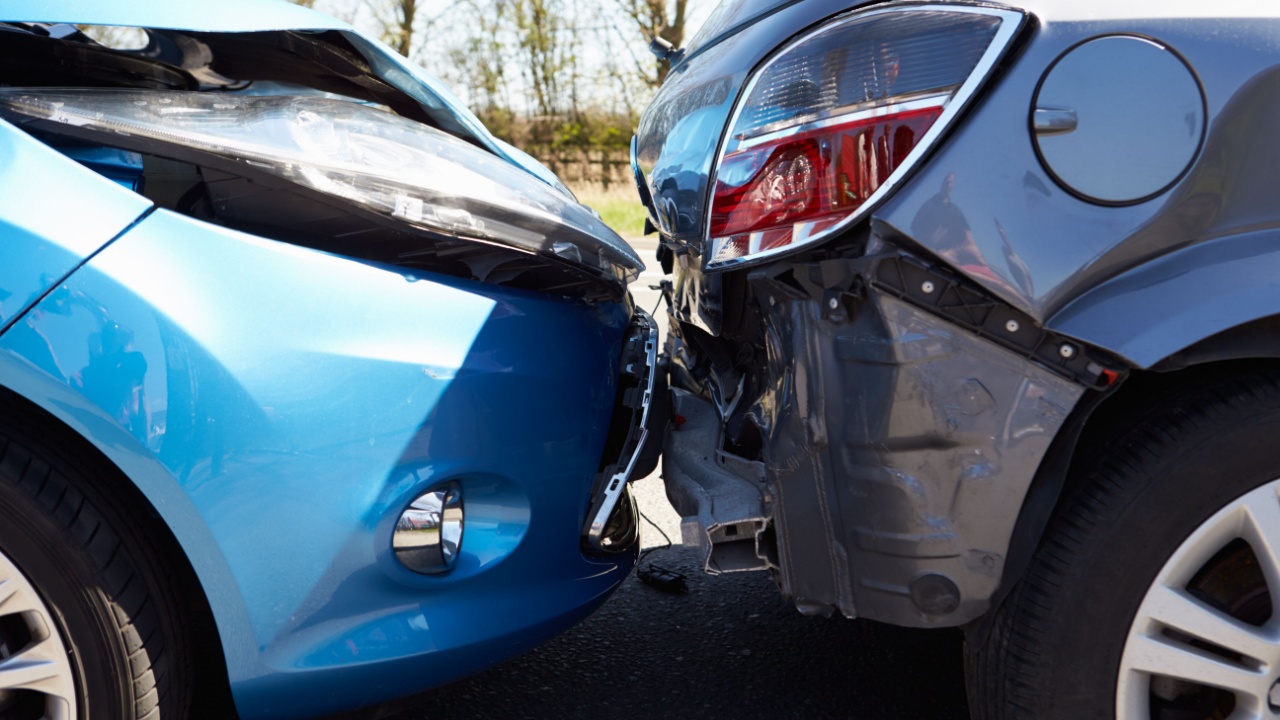
For anyone who spends time behind the wheel, the setup feels familiar. Rear end collisions are among the most common accidents on American roads. They happen in stop and go traffic, at red lights, or when someone glances down at a phone for a split second too long.
In this case, the consequences went far beyond body shop repairs. The crash left the driver disabled, pushing them into the complex world of government benefits.
After the accident, the reader began receiving disability support through the U.S. Social Security system. Over time, those benefits were scheduled to transition within the system, which triggered a new fear. If the Social Security funds run out of money someday, what happens to people who rely on those payments to survive?
Many share that concern.
How Social Security Disability Actually Works

Millions of Americans rely on disability benefits administered by the Social Security Administration. These payments are designed to support people who cannot continue working because of serious injuries or medical conditions.
According to financial experts cited in the column, the program is not on the verge of suddenly shutting down. Social Security is funded largely through payroll taxes collected from workers and employers across the country. Those taxes flow into trust funds that pay retirement and disability benefits.
The anxiety comes from projections about the future of those trust funds. Analysts have warned that if Congress does nothing to strengthen the system, the combined Social Security trust funds could face shortfalls in the 2030s.
That does not mean payments disappear entirely. Even in that scenario, payroll taxes would continue flowing into the system and could still cover a large portion of scheduled benefits.
What Reforms Could Look Like

For disability recipients like the driver who wrote to the advice column, the key reassurance is that benefits are unlikely to simply vanish overnight. Instead, experts say the bigger question is whether lawmakers will step in with reforms before the projected funding gap becomes a reality.
Possible solutions have been debated for years. Some policymakers have suggested raising the payroll tax rate. Others propose increasing the cap on income subject to Social Security taxes. Another idea is gradually raising the retirement age or adjusting benefit formulas.
None of these changes have been finalized, which is why the debate keeps resurfacing in financial news and advice columns.
For car owners reading the story, the takeaway feels especially close to home. A single crash can start a chain reaction that stretches far beyond a bent bumper or insurance claim. Medical bills pile up, work becomes impossible, and suddenly programs like Social Security become essential.
It also serves as a reminder that driving risks extend beyond what happens on the road. A moment of distraction from another driver can leave someone dealing with the consequences for decades.
A Cautionary Tale for Every Driver
The driver who wrote the letter did not ask to be rear ended. Yet that split second on the road changed everything, turning a routine commute into a long journey through disability benefits, financial uncertainty, and questions about the future of one of America’s most important safety nets.
The advice column, published by MarketWatch, ultimately delivered a cautious message. Social Security faces financial challenges, but the system is not expected to disappear. For millions of people whose lives changed after accidents on the road, that reassurance matters almost as much as safe driving itself.