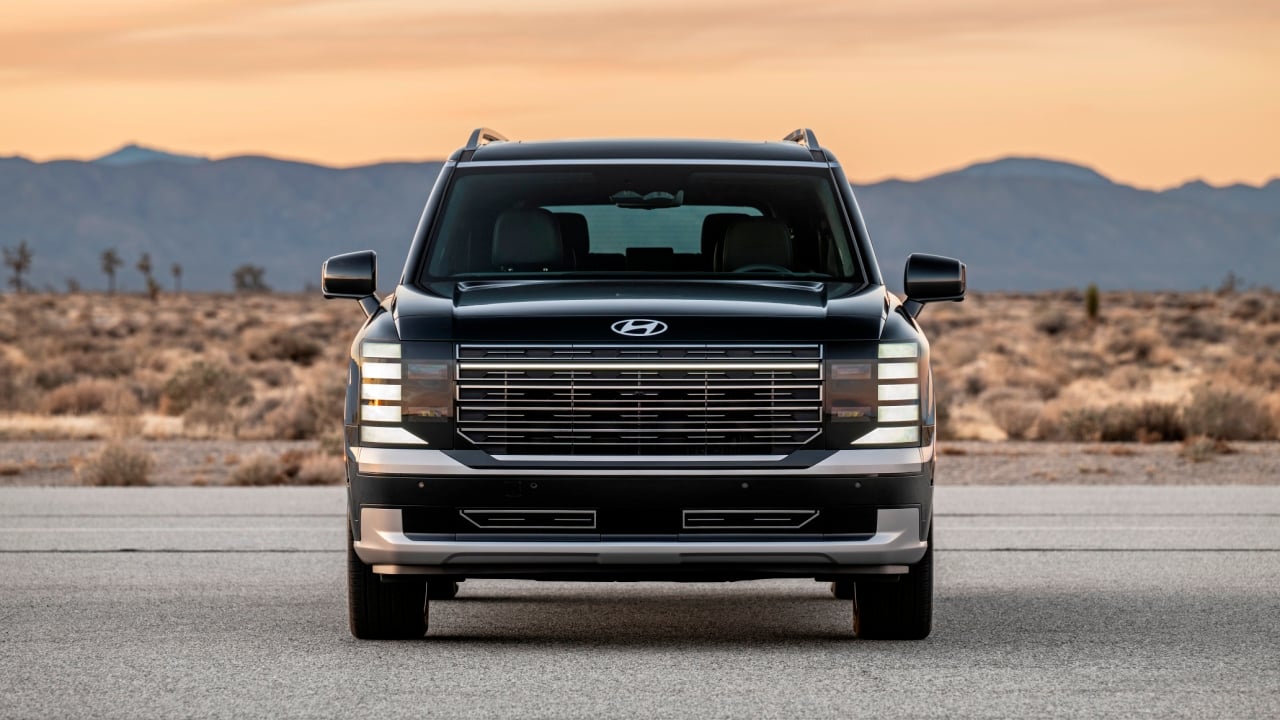
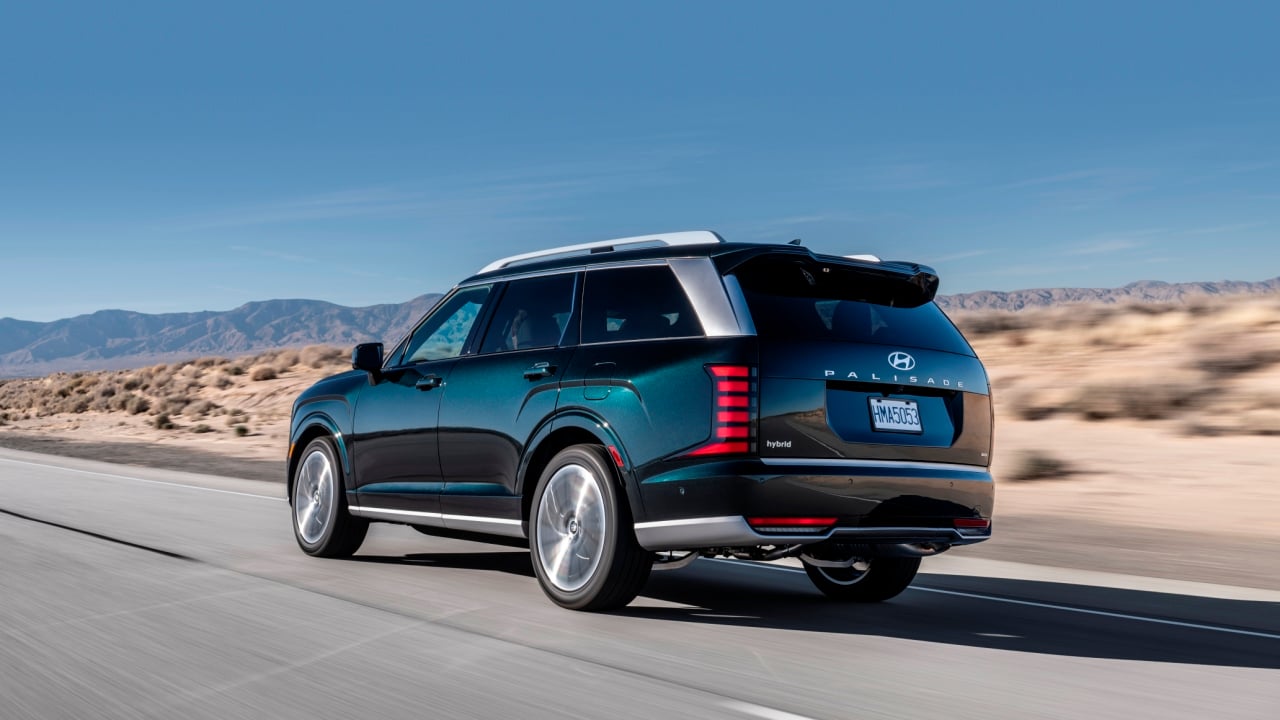
What initially appeared to be a concerning safety issue in North America has now grown into something larger. Hyundai has expanded its Palisade seat problem to South Korea, recalling about 58,000 SUVs there after already recalling roughly 68,500 Palisades in the U.S. and Canada and halting sales of some high-end trims. That change matters because once a problem stops appearing local and begins crossing markets, it tends to feel less like an isolated glitch and more like a genuine product issue.
And this isn’t one of those hidden defects buried deep in a technical bulletin that owners will never notice. It involves powered second- and third-row seat functions that might fail to respond properly if they come into contact with a person or object. In simple terms, that means a feature designed for convenience can turn into a safety hazard if it keeps moving when it should stop. In a three-row family SUV, that’s the kind of issue people understand immediately.
That’s also why the story continues to attract attention. The Palisade is meant to be one of those modern family vehicles that make life easier: spacious, upscale, and full of comfort features that help justify the price. But when one of those comfort features becomes the focus of a recall spanning multiple countries, the tone shifts quickly. Suddenly, what once seemed like premium convenience begins to feel like just another thing owners have to worry about.
The Problem Is Bigger Than One Market
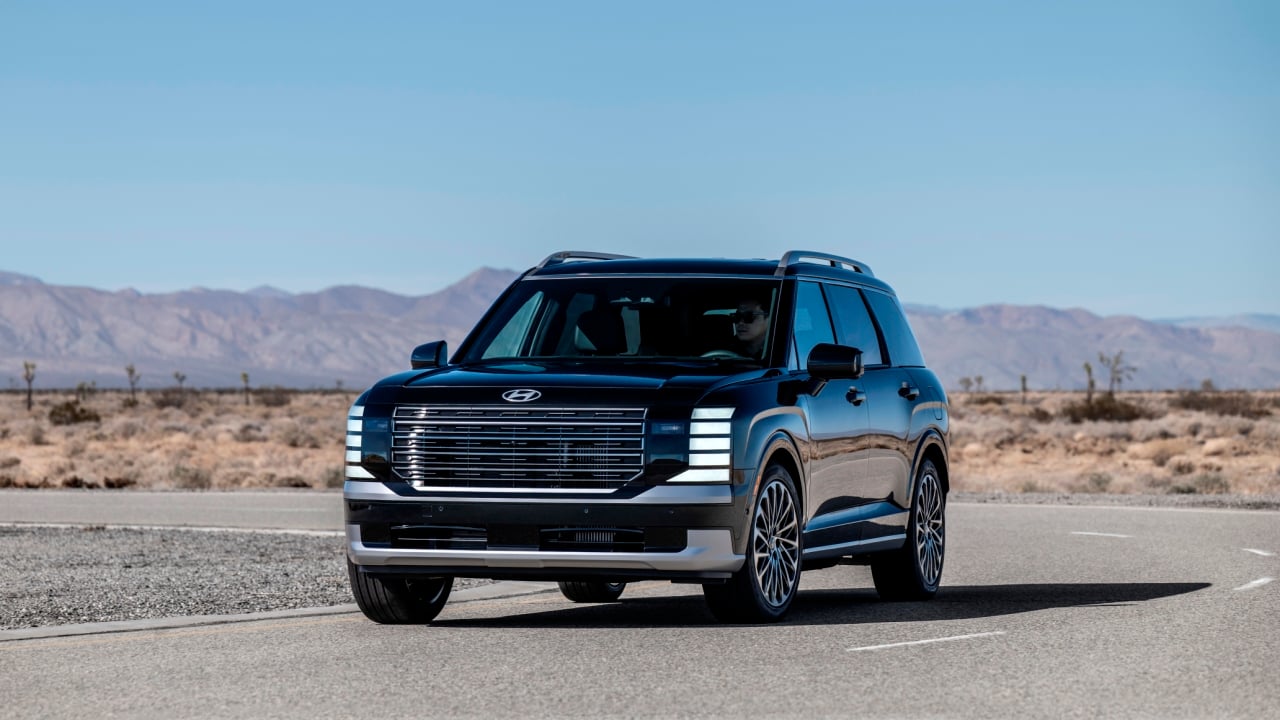
The South Korean recall did not come out of nowhere. Hyundai had already taken action in North America following a fatal incident in Ohio and additional reported injuries related to the rear power-seat issue. In the U.S. recall filing, Hyundai stated that the affected 2026 Palisade vehicles, equipped with Limited and Calligraphy trims, may have second- and third-row power seats that do not respond to contact with an occupant or object as intended during certain powered functions, including automatic folding and the one-touch walk-in feature. Hyundai reported receiving one fatality, four minor injury reports related to second-row operation, and claims from 17 vehicles across both rows as of its March 12 decision.
South Korea’s transport ministry described the issue as inadequate seat-controller software that may fail to detect occupants or objects properly, raising safety concerns. This suggests Hyundai is facing the same fundamental problem across markets, not just isolated incidents that look similar. It also explains why the company’s response is expanding rather than shrinking.
Why This Hits Family-Suv Buyers Differently
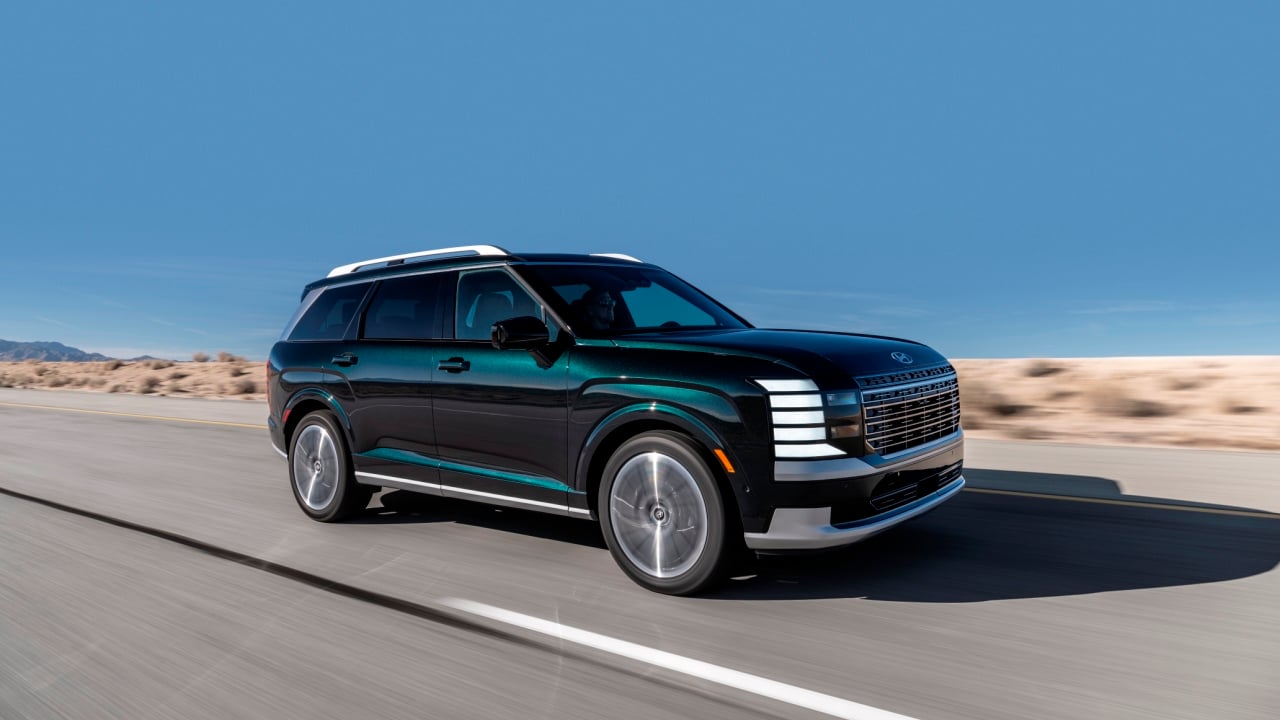
Seat recalls don’t usually make headlines, but this one stands out because it affects a part of the vehicle that families rely on constantly and trust without much thought. These are not specialized racing seats or obscure third-party accessories. They are the powered seat systems in a popular three-row SUV, a feature buyers expect to operate quietly in the background. When something so ordinary becomes the reason for a recall, it affects people more quickly than a defect hidden behind the dashboard ever could.
It also doesn’t help that the affected trims are at the higher end of the Palisade lineup. Buyers choosing Limited and Calligraphy models aren’t just looking for space; they’re expecting a refined experience. A stop-sale and a caution-heavy recall notice are about as far from refined as it gets.
Hyundai Has an Interim Answer, but Not the Final One Yet
To Hyundai’s credit, this isn’t a case of the company pretending the issue will resolve itself. In North America, Hyundai announced it was developing an interim over-the-air software update to improve the system’s response to contact with occupants or objects and to add extra safeguards. The recall report states that owners should be cautious when using the second- and third-row power-folding functions, avoid accidental activation of the one-touch walk-in feature, and wait for additional remedy information. Hyundai also assured that all repairs would be provided at no cost, and Reuters reported the company was offering rental vehicles to affected customers.
But an interim step remains just that—an interim step. That’s the tricky part. Hyundai’s own recall filing indicated that the root cause was still being evaluated and a full solution was still in development at the time of submission. So while software updates might lower the risk, the larger question is whether that’s the final answer or just the start of a more costly process. Reuters reported that analysts at Meritz Securities estimated that if hardware replacements become necessary, the cost could reach around 100 billion won, or roughly $66 million.
This Is How a Feature Turns Into a Reputation Issue
That is the real challenge for Hyundai now. The Palisade issue is no longer just about seat logic or software behavior. It is becoming a test of the brand’s reputation for family trust and upscale usability. Recalls happen. Buyers understand that. What they pay more attention to is how quickly the company responds, how clearly it explains the risk, and whether the final solution feels firm rather than makeshift.
For now, Hyundai’s seat issue has done something no automaker wants: it has transformed a convenience feature into a worldwide safety concern. And once that happens, implementing the technical fix is only part of the work. The other part is convincing owners that the family SUV they bought for peace of mind still provides it.