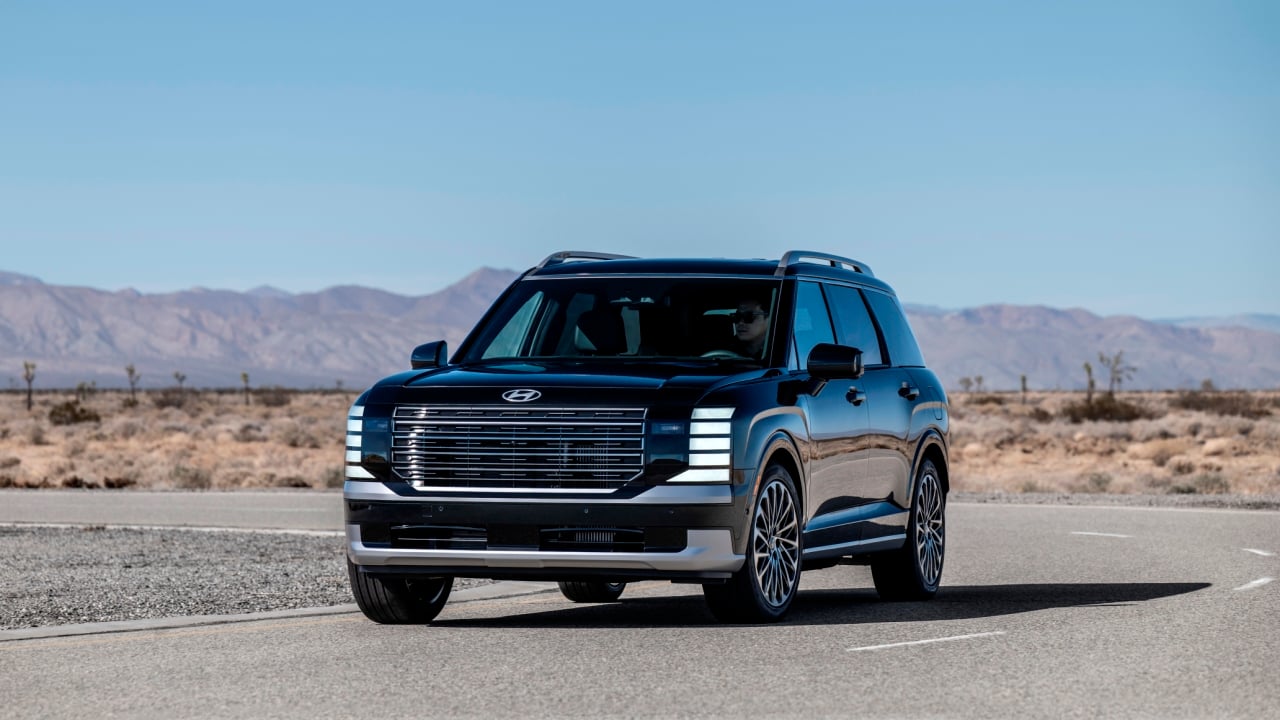
Chinese automakers have rapidly expanded far beyond their home market, bringing increasingly sophisticated cars at prices established manufacturers struggle to match. One major automaker thinks the United States should pay close attention to what’s happening across the Atlantic.
Hyundai Motor CEO José Muñoz has firsthand experience with the Chinese automotive industry, having previously run Nissan’s operations there. He isn’t dismissive of the competition, either, describing the pace of China’s technological development and innovation as remarkable.
His concern is what happens if those increasingly competitive vehicles gain relatively unrestricted access to American buyers. Chinese-built EVs are currently effectively kept out of the U.S. market by steep tariffs and other restrictions.
Speaking to Reuters, Muñoz warned that removing those protections could eventually produce something resembling the disruption already underway in European markets. His argument is that Washington needs conditions governing market access if it wants to limit the impact on existing manufacturers.
Hyundai Points To Europe
Muñoz said Chinese vehicles can be 30% to 40% cheaper than competing models in markets including Italy, Spain, and France. Chinese brands have continued expanding in Europe even after the European Union imposed additional duties on Chinese-built EVs following an investigation into state subsidies.
The Hyundai boss highlighted the UK as a particularly relevant example because it hasn’t imposed comparable EV tariffs. Chinese-made cars already represented 14% of UK sales in 2025, according to the European Automobile Manufacturers’ Association.
Muñoz argued that the U.S. could experience similar pressure at varying levels without safeguards. He said Washington should impose conditions on Chinese companies to minimize the effect on domestic manufacturers, while acknowledging that some impact would still be inevitable.
Chinese EVs Face Huge U.S. Barriers
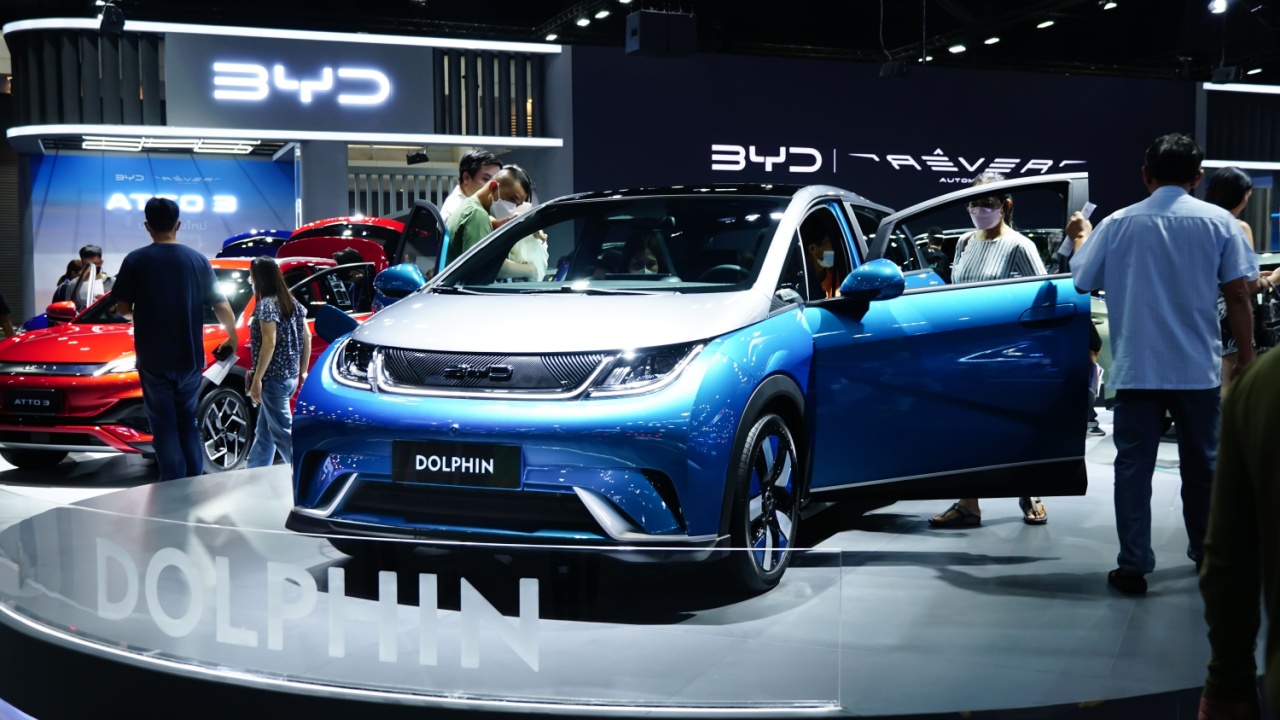
Chinese EVs currently face U.S. tariffs of roughly 100%, effectively preventing them from competing directly on price with vehicles already sold in America. The broader U.S.-China tariff picture has continued evolving during 2026, making future market access far from settled.
President Donald Trump recently said he would welcome Chinese automakers if they manufacture vehicles in the United States and hire American workers. Ford CEO Jim Farley has separately told employees that his company is preparing for the possibility of Chinese automakers entering the American market within the next five to 10 years.
Hyundai Isn’t Underestimating China
Muñoz’s warning isn’t based on the idea that Chinese vehicles are cheaply built. Quite the opposite: he praised the speed at which China’s automotive industry has improved, calling its advances in technology and innovation “unbelievable.”
That helps explain why established automakers are watching the situation so closely. Chinese brands have demonstrated that they can compete aggressively on technology and price in markets where they’re allowed meaningful access.
The lesson from Europe is that if Chinese automakers eventually enter the U.S. in force, the rules governing how they get there could matter almost as much as the cars themselves.