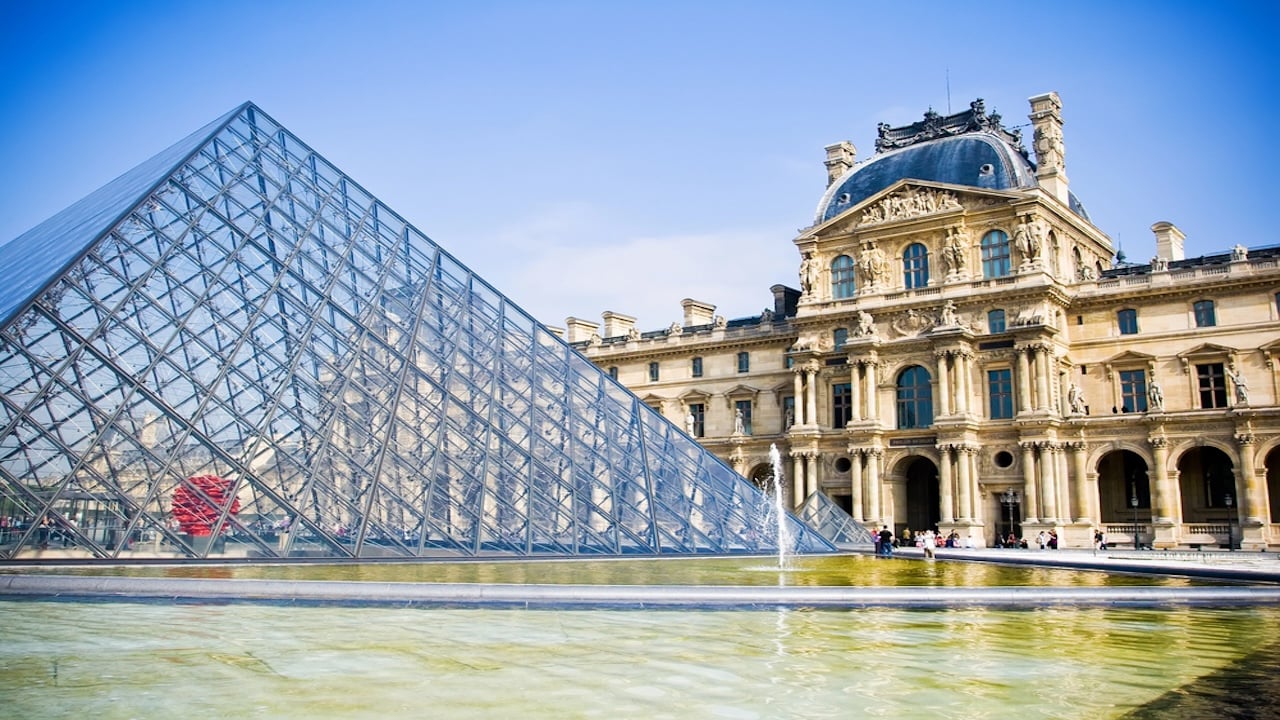
The Louvre Museum in Paris revealed Sunday that hundreds of valuable works were damaged in a water leak last month, marking the latest incident to highlight deteriorating infrastructure at the world’s most-visited art museum, just weeks after a brazen jewelry heist exposed additional security vulnerabilities.
Scale of the Damage
“Between 300 and 400 works” were affected by the leak discovered on November 26, said the museum’s deputy administrator Francis Steinbock, describing them as “Egyptology journals” and “scientific documentation” used by researchers.
Wednesday, 27 November, shortly before 9 p.m., a significant leak of dirty water occurred in the library of the department of Egyptian antiquities, causing a flood. Around 400 volumes were damaged, notably their old bindings, some of which are now beyond repair.
What Was Affected
The damaged items date from the late 19th and early 20th centuries and are “extremely useful” but are “by no means unique”, Steinbock added. Importantly, “No heritage artefacts have been affected by this damage,” he said, adding that “at this stage, we have no irreparable and definitive losses in these collections”.
Steinbock described some of the works as books — some several hundred years old and dating to the late 19th century. He said that some of the books were wet and that work is underway to dry them, including dehumidifying them page by page with the help of Buffard paper and modifying plants.
Cause of the Incident
The Louvre said there would be an internal investigation into the November leak, which was caused by the accidental opening of a valve in the heating and ventilation system that led to water seeping through the ceiling of the Mollien wing where the books were stored.
The incident highlights the museum’s aging infrastructure problems. The “completely obsolete” system has been shut down for months and is due to be replaced from September 2026, the museum administrator added.
Recovery Efforts
As for the works, they will “be dried, sent to a bookbinder to be restored, and then returned to the shelves,” he added. The flooding led to a burst pipe and affected one of the three rooms of the library in the Egyptian antiquities department, he said. A complete count of affected works is underway, he said.
Part of a Troubling Pattern
The water damage comes at a particularly challenging time for the Louvre. The incident follows an October heist in which a four-person gang raided the world’s most-visited art museum in broad daylight, stealing jewellery worth an estimated $102 million in just seven minutes before fleeing on scooters, sparking debate over the museum’s ageing infrastructure.
The theft of the Crown Jewels, the closure of the Campana gallery and the offices above it, the flooding of the library of the department of Egyptian antiquities… all this again demonstrates that the museum should focus on the restoration and maintenance of the palace.
Infrastructure Crisis
The incident underscores broader concerns about the museum’s infrastructure. Specialist website La Tribune de l’Art reported that around 400 rare books were affected, blaming poor pipe conditions. It said the department had long sought funds to protect the collection from such risks without success.
A report published in October by France’s public audit body, known as the Cour des Comptes, said the museum’s inability to update its infrastructure was exacerbated by excessive spending on artwork.
Renovation Plans in Context
He noted that the area of the pipe break is part of museum spaces that will undergo a major renovation of the ventilation and heating system starting in September. However, this timeline has been extended to 2026 according to the latest reports.
Safety, which Laurence des Cars claims to have made a priority, evidently does not extend this far. Faced with the “investment wall” looming, according to the words of the Court of Auditors, for the “Louvre Colonnade” project, there are no small savings on the essentials for the life of a museum.
Impact on Operations
The Louvre is the world’s most-visited museum, welcoming 8.7 million visitors in 2024, 69 percent of them from abroad. Despite these challenges, the museum continues operations, though it recently announced price increases.
In late November, the Louvre said it would raise ticket prices for most non-EU visitors, meaning US, British and Chinese tourists among others will have to pay 32 euros ($37) to get in.
Multiple Recent Setbacks
It’s the latest setback for the most visited museum in the world, which was the site of a daring jewelry heist nearly two months ago. On Oct. 19, four thieves swept through the Louvre in less than eight minutes and stole eight of France’s crown jewels, valued at an estimated 88 million euros ($102 million).
The work to track down the stolen jewels continues, according to Paris’ prosecutor. Four men believed to be part of the robbery team have been arrested, one of them last month. All have preliminarily been charged with robbery by an organized gang and criminal conspiracy.
Looking Forward
The incidents raise questions about the museum’s ability to protect its collections while managing record visitor numbers. The combination of security breaches, infrastructure failures, and mounting maintenance costs presents significant challenges for the institution that houses some of the world’s most famous artworks, including the Mona Lisa.
While the damaged works in the Egyptian department library are described as replaceable research materials rather than unique artifacts, the incident highlights the vulnerability of cultural institutions to infrastructure decay. The planned 2026 renovation of the heating and ventilation system cannot come soon enough for a museum struggling to balance preservation needs with public access demands.
For visitors planning trips to Paris, the Louvre remains open and operational, but these recent incidents serve as a reminder of the ongoing challenges facing one of the world’s premier cultural destinations. The museum’s leadership faces the delicate task of addressing critical infrastructure needs while maintaining the accessibility that makes it a must-see destination for nearly 9 million annual visitors.