The political drama on Capitol Hill is heating up once again. Senate Democrats, joined by a handful of Republicans, voted down a crucial government funding package on Thursday — 45 to 55 — with the clock ticking toward a Friday midnight deadline. If President Trump and Senate Democrats can’t bridge their differences soon, we could be looking at another government shutdown.
Now, whether you’re a federal employee nervously checking your bank account or just someone who likes to be prepared, a shutdown can squeeze your wallet in unexpected ways. Your car, that beautiful money pit we all love, doesn’t care about Washington gridlock: it still needs gas, insurance, and the occasional repair.
The good news? There are some smart, practical ways to keep your ride running without draining your emergency fund. Let’s talk about how to keep your wheels turning while the government potentially grinds to a halt.
Slash Your Gas Budget by Rethinking Your Driving Habits
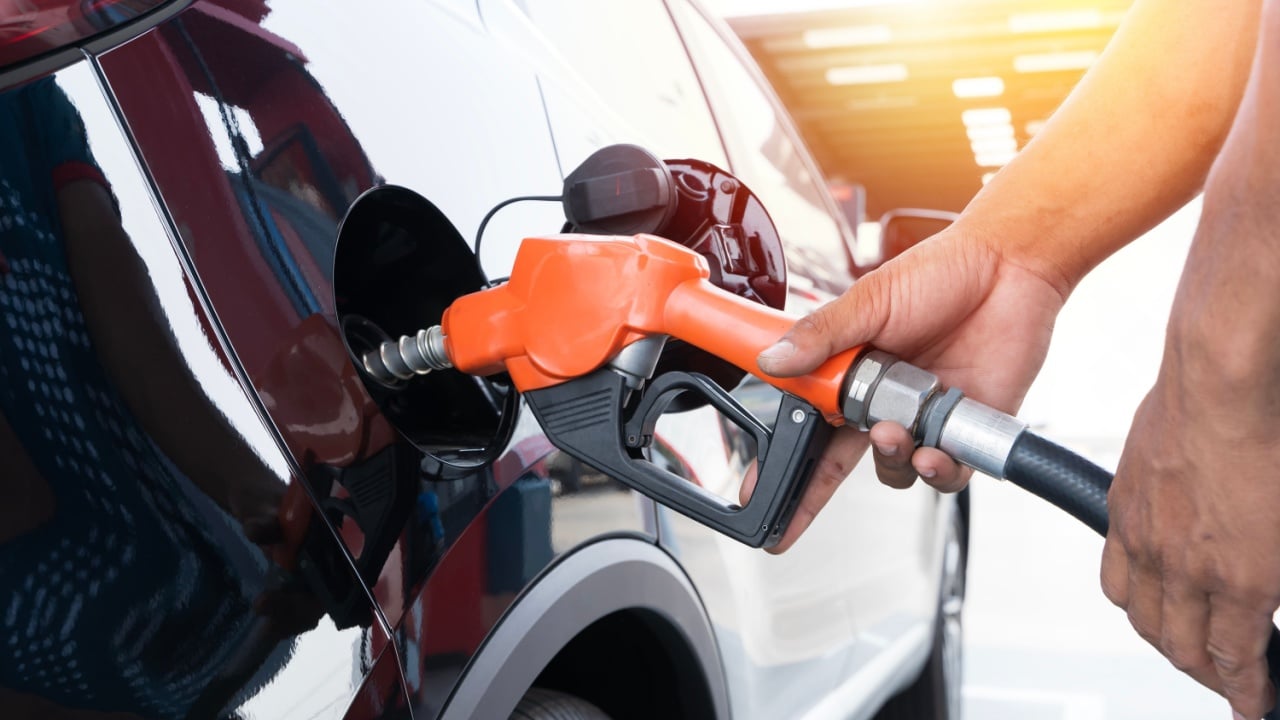
Here’s a secret that mechanics won’t tell you: the biggest savings on your car come from simply driving it less.
During uncertain financial times, carpooling transforms from an eco-friendly suggestion into a legitimate money-saving strategy. Organize rides with coworkers who live nearby, or finally try that public transit option you’ve been ignoring for years. If you’re working remotely (or can negotiate to do so during a shutdown), you’re already winning — the average American spends about $2,000 annually on gas, and cutting your commute even a few days a week can save hundreds.
When you do drive, channel your inner hypermiler: gentle acceleration, maintaining steady speeds, and keeping your tires properly inflated can boost fuel efficiency by up to 25%. Yes, it means driving like your grandpa, but your bank account will thank you.
Plus, less driving means less wear on your brakes, tires, and engine — it’s the automotive equivalent of hitting pause on your expenses.
Hunt Down Assistance Programs Before You Need Them

The beauty of preparation is that it feels boring until it saves your bacon. Many states and nonprofit organizations offer emergency assistance programs specifically designed for car-related expenses during financial hardships.
Organizations like Modest Needs and local community action agencies sometimes provide grants for urgent auto repairs, preventing your transportation from becoming a crisis. Some areas have programs that help with insurance payments or offer reduced-rate vehicle inspections and emissions tests. Religious organizations and mutual aid networks often maintain funds for exactly these situations — people who need help keeping their vehicles roadworthy during tough times.
The catch is that these programs often have waiting lists or limited funding, so research and apply early, even before a shutdown becomes official. Think of it as insurance for your insurance. Most require proof of hardship, but an impending government shutdown affecting your employment or benefits typically qualifies.
A few hours of research now could mean the difference between keeping your car and losing your ability to get to work.
Have an Honest Conversation with Your Auto Lender

This might feel awkward, but here’s the thing: your lender would much rather work with you than repossess your car.
If you’re facing reduced income due to a government shutdown, contact your auto loan servicer immediately — and I mean before you miss a payment, not after. Many lenders offer hardship programs that can temporarily reduce your payment, defer a month or two, or restructure your loan to make it more manageable.
Credit unions, in particular, tend to be more flexible than traditional banks because they’re member-focused rather than profit-driven. Come prepared with documentation: proof of your employment situation, your budget, and a realistic plan for getting back on track. Some lenders will refinance your loan at a lower interest rate if your credit has improved since you first financed the vehicle, which could save you significant money over the loan’s life.
The worst they can say is no, but in most cases, they’ll find a solution that keeps you in your car and them receiving payments. Remember, you’re not the first person to call them with money troubles, and lenders have seen every scenario imaginable, including government shutdowns.
Master the Art of DIY Maintenance (Within Reason)
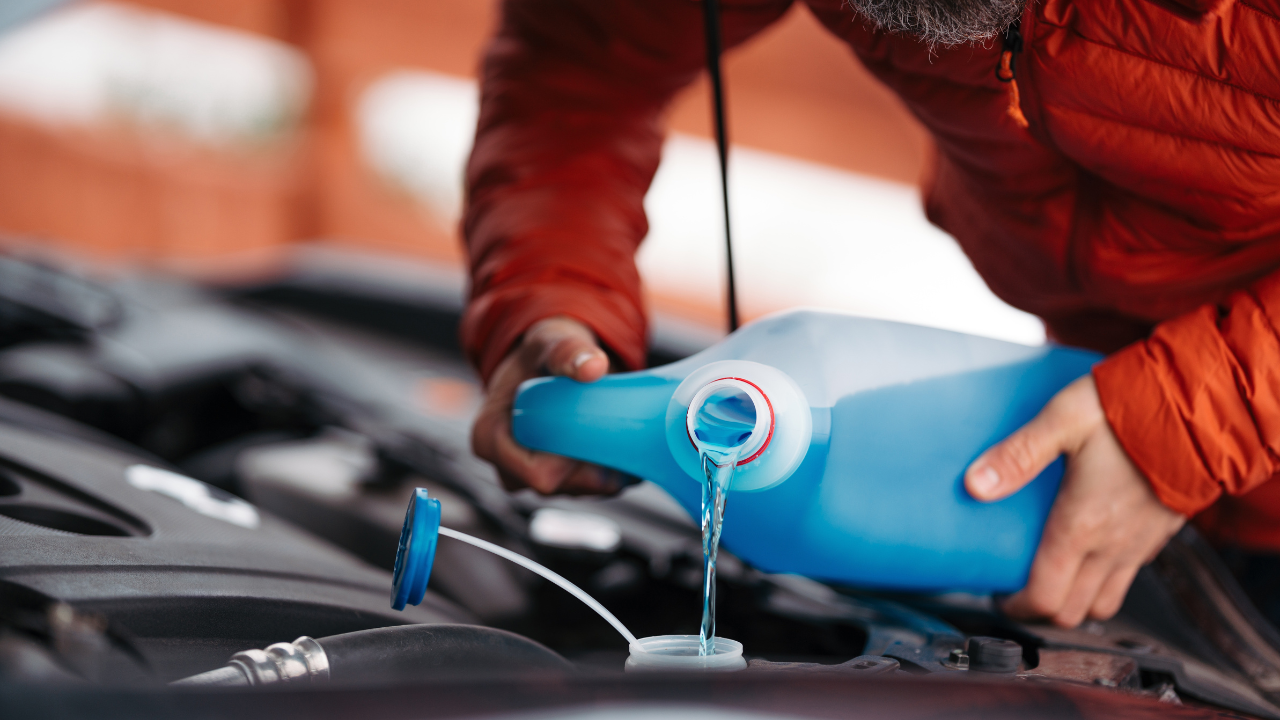
You don’t need to be a master mechanic to handle basic car maintenance that saves serious cash.
Oil changes, air filter replacements, and windshield wiper installations are genuinely easy tasks that shops charge $50-$100 for but cost you maybe $20-$30 in parts. YouTube has transformed amateur car care into something accessible — just search your car’s make, model, and year plus the maintenance task, and you’ll find detailed tutorials. Rotating your tires yourself requires a jack, a lug wrench, and about 30 minutes; shops charge $50-$80 for the same service. Replacing cabin air filters, checking and topping off fluids, and cleaning battery terminals are all Saturday morning projects that extend your car’s life and delay expensive repairs.
However — and this is crucial — know your limits. Anything involving the brake system, suspension work, or engine internals should go to a professional unless you genuinely know what you’re doing. A botched DIY brake job isn’t just expensive; it’s dangerous. The sweet spot is handling routine maintenance yourself while building a relationship with a trustworthy mechanic for the complicated stuff.
Think of it as being handy enough to save money but smart enough to know when you’re out of your depth.
Temporarily Downgrade Your Insurance (Carefully)
Your car insurance is one of those bills that feels fixed in stone, but it’s actually pretty flexible if you know what you’re doing.
If money gets tight during a shutdown, call your insurance company and explore options; you’d be surprised what’s negotiable. Increasing your deductible from $500 to $1,000 can lower your premium by 15-30%, which helps if you’re a safe driver with an emergency fund.
If you’re driving significantly less, ask about low-mileage discounts; some insurers offer usage-based programs that track your actual driving and adjust rates accordingly. Temporarily removing comprehensive or collision coverage on an older, paid-off car that’s worth less than $3,000 can save hundreds annually — though only do this if you could afford to replace the vehicle out of pocket.
Some insurers offer payment plans or will let you pause coverage for a month if your car will genuinely be parked and unused. The key word here is “carefully” — never drop liability coverage, which is both legally required and financially essential. And document everything: if you reduce coverage temporarily, set calendar reminders to restore it once your financial situation stabilizes.
Your insurance company wants to keep you as a customer, so they’re often willing to work with you through short-term financial squeezes.
Conclusion

Government shutdowns are frustrating political theater that unfortunately has real-world consequences for regular people trying to keep their lives running smoothly. Your car is probably one of your biggest monthly expenses after housing, which makes it a prime target for strategic cost-cutting when money gets tight. The strategies we’ve covered — from driving less and hunting down assistance programs to negotiating with lenders and handling basic maintenance yourself — aren’t about deprivation; they’re about being smart with resources during uncertain times.
The best part about these approaches is that most of them will save you money even after the shutdown ends and normalcy returns to Washington. Whether you’re a federal employee directly affected or just someone who believes in being prepared, taking control of your automotive expenses now means you’ll weather whatever political storms come our way.
Your car will keep running, your budget will thank you, and you’ll have the satisfaction of knowing you outsmarted the chaos on Capitol Hill.