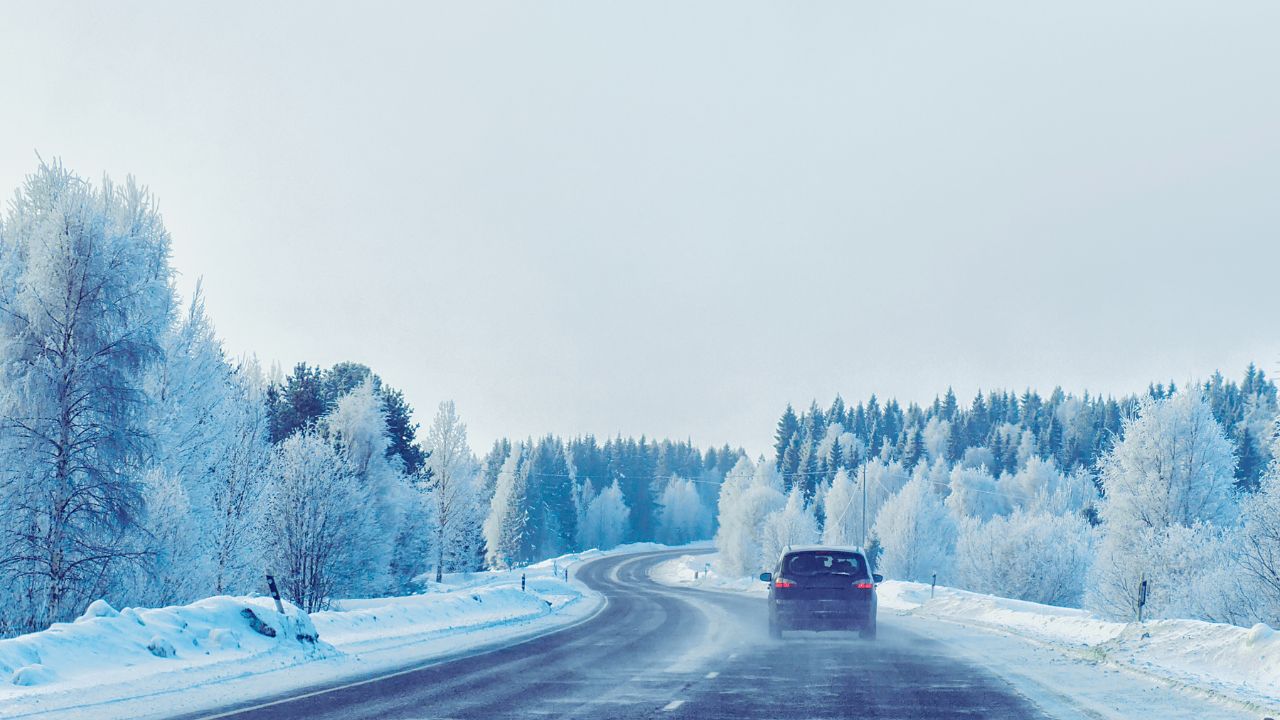
Winter is here whether we like it or not, and your trusty ride needs some TLC before Mother Nature decides to test everything you thought you knew about driving. Sure, you might be the type who can rebuild a carburetor blindfolded, but even the most mechanically gifted among us can get caught off guard when Old Man Winter shows up fashionably late with a vengeance.
There’s nothing quite like the sinking feeling of turning the key on a frigid Tuesday morning and hearing that dreaded “click-click-click” instead of your engine purring to life. Or worse, discovering your summer tires have about as much grip as a greased penguin on an ice rink. Don’t be that person. Let’s get your wheels ready for battle.
Why Careful Preparation Matters Before the Cold Arrives

Summer driving spoils us. Everything works, the car starts every time, and the biggest concern is whether to run the A/C or roll the windows down. Then winter shows up like an uninvited relative at Thanksgiving dinner, and suddenly your reliable daily driver starts acting like a temperamental teenager.
Here’s the thing: winter doesn’t just make driving harder; it fundamentally changes how every system in your car operates. Battery available power can drop to around 65% at 32°F (0°C), and can fall much further in extreme cold. Your engine oil turns into something resembling maple syrup. And those all-season tires? Well, they’re about as effective in snow as a chocolate teapot.
The goal here isn’t to turn you into a doomsday prepper, but rather to make sure you and your family can get where you need to go without any unplanned detours through ditches or emergency rooms. Plus, there’s something deeply satisfying about being the prepared one when everyone else is sliding around like they’re auditioning for a hockey team.
Check and Replace Tires

Your tires have exactly four contact patches with the road; each about the size of your palm. That’s it. That’s what’s keeping your two-ton metal box from becoming a very expensive toboggan.
Summer tires turn into hockey pucks once temperatures drop below 45°F. The rubber compound hardens, losing flexibility and grip even on dry pavement. All-seasons are better, but let’s be honest: they’re the Swiss Army knife of tires. They do everything adequately and nothing exceptionally well.
If you live anywhere that sees real winter, dedicated winter tires aren’t a luxury; they’re basically mandatory equipment. The difference is genuinely shocking. Winter tires use softer rubber compounds that stay flexible in cold weather, plus they have thousands of tiny slits called sipes that bite into snow and ice like miniature ice picks.
Research shows winter tires can cut stopping distances versus all-seasons by roughly 10–40% depending on conditions, with larger gains often reported on packed snow. Forty percent! That’s the difference between stopping safely and explaining to your insurance company why you rear-ended someone at a red light.
Don’t just slap on winter tires and call it good. Check your tire pressure weekly once temperatures drop. For every ~10°F temperature drop, tire pressure can drop about 1 psi. Under-inflated tires are like wearing oversized shoes: you’ll never have proper control.
Carry and Practice Using Tire Chains
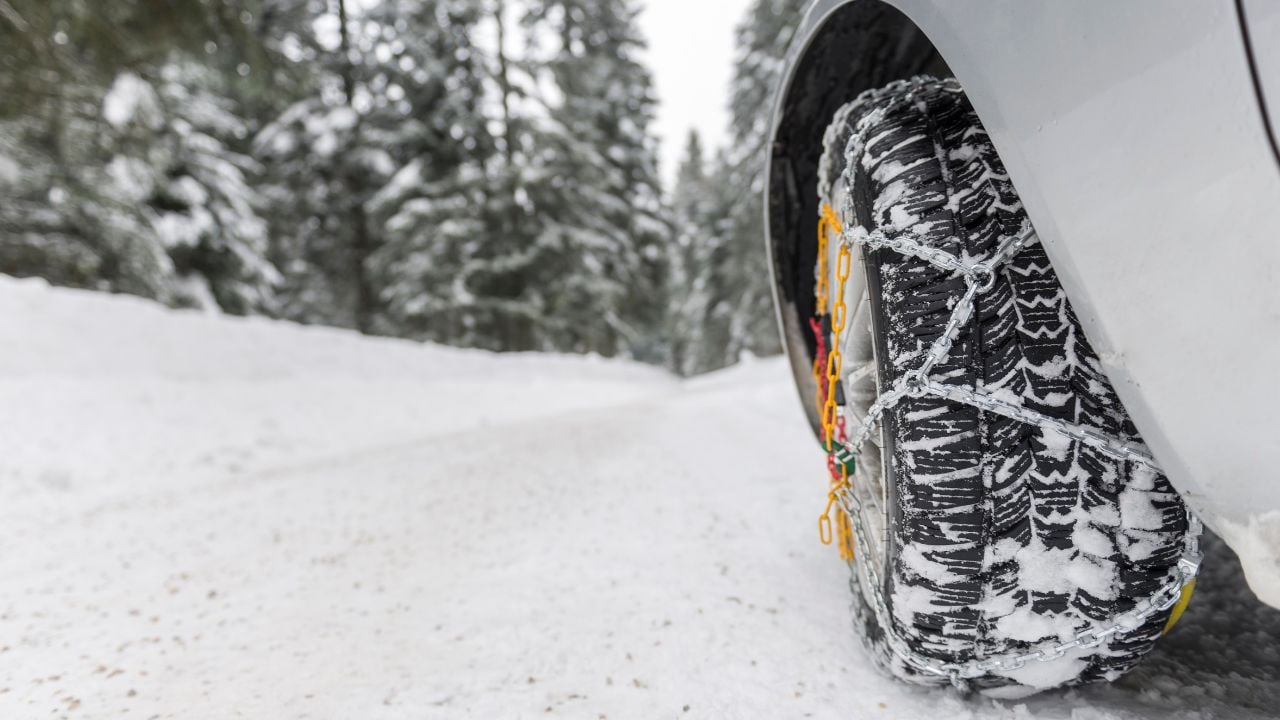
Tire chains aren’t needed very often, so some of us may forget. But when you do need them, you will be so grateful you thought ahead. As the Girl Scouts used to say: “Always be prepared.” Well, I’m sure they still say that, but those days are long gone.
Chains work by creating physical bite points that penetrate snow and ice. In many mountain passes, they’re not just recommended, they’re legally required. California’s chain laws, for example, kick in when conditions deteriorate, and getting caught without them means In many mountain passes, they’re not just recommended, they’re legally required. In California, for example, chain controls can be enforced by CHP, and you can be cited and fined if you ignore them and potentially being turned around.
Here’s the thing nobody tells you: installing chains in your driveway on a sunny Saturday afternoon takes about 10 minutes. Installing them on the side of I-80 during a blizzard with your hands going numb? That’s about 45 minutes of pure misery, assuming you don’t drop anything important in the snow.
Inspect the Battery
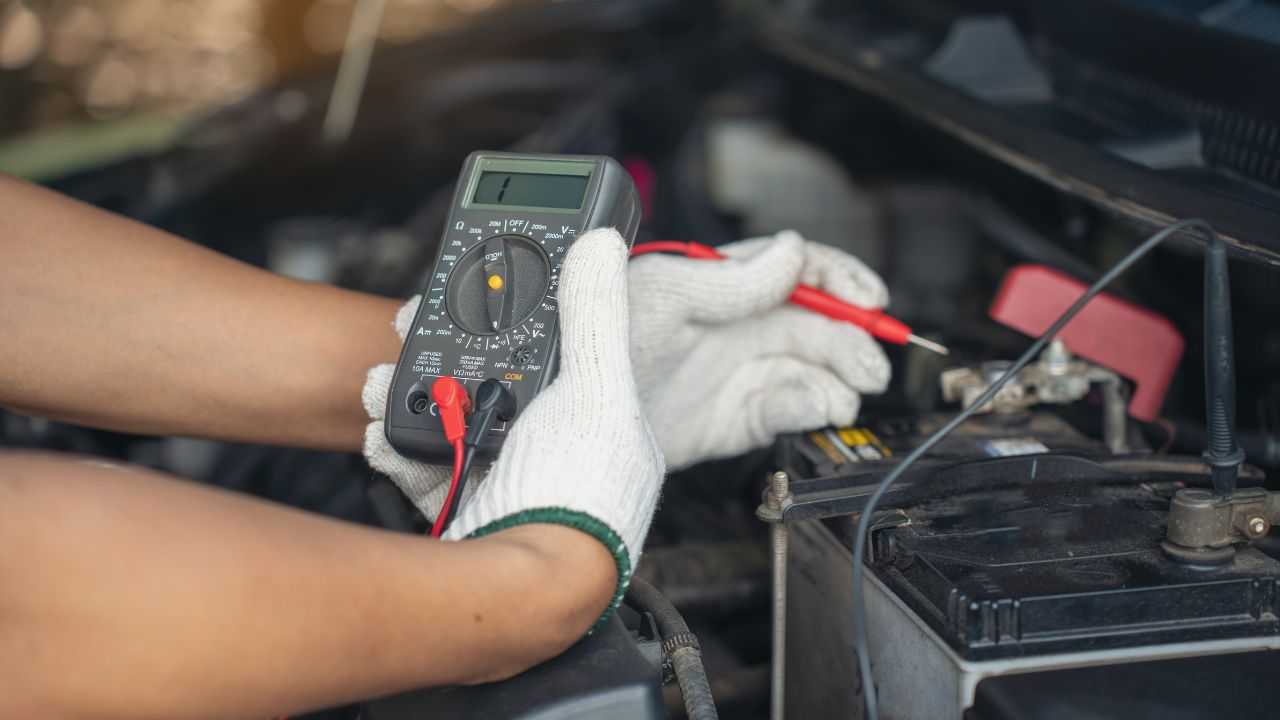
Your battery is basically a chemistry experiment, and like most chemistry, it really doesn’t enjoy freezing temperatures. At 32°F, a battery loses about 35% of its cranking power. At 0°F, it’s even more. Meanwhile, your engine needs up to twice as much power to turn over because everything’s thicker and stiffer.
A battery that was marginal in summer becomes completely useless in winter. The average car battery lasts 3-5 years, but most people only think about replacement after they’re already stranded somewhere unfortunate.
Most auto parts stores will test your battery for free. A load test simulates the demands of starting your car in cold weather. If your battery reads low at rest (around 12.4V or below) and it fails a proper load test, it’s time to replace it. Don’t wait for the first cold snap to discover this – Murphy’s Law says it’ll happen on the day you absolutely cannot be late.
Consider a battery with higher Cold Cranking Amps (CCA) than your car’s minimum requirement. It’s like having a bigger safety margin. AGM batteries handle cold better than traditional flooded batteries and last longer, though they cost more upfront.
A portable jump starter is worth its weight in gold. Modern lithium units are compact enough to keep in your glove box and powerful enough to start most cars. They’re also great for helping out fellow drivers, which somehow always happens at the worst possible moments.
Check Fluids and Antifreeze

Think of your car’s fluids as its coffee: everything runs better when they’re flowing properly. Winter puts extra stress on every fluid system, from the obvious (antifreeze) to the sneaky (brake fluid).
Despite the name, antifreeze also prevents overheating and lubricates your water pump. The ideal mix is 50/50 antifreeze to water, good for protection down to about -34°F. Too much antifreeze actually reduces protection, while too little leaves you vulnerable to freeze damage that can cost thousands to repair.
Test your coolant with an inexpensive hydrometer: it’ll tell you exactly what temperature your system can handle. If you’re running straight water or a weak mixture, you’re basically playing Russian roulette with your engine block.
Cold oil is thick oil, and thick oil doesn’t circulate well during those crucial first few seconds after startup. That’s when most engine wear occurs. Switching to a lower viscosity oil for winter (like from 10W-30 to 5W-30) helps your engine get lubrication faster.
Test the Brakes

Your brakes are literally the difference between arriving safely and starring in someone’s dashcam footage. Winter driving puts extra demands on your stopping system that can expose weaknesses you never knew existed.
Stopping distance on ice can be several times longer than on dry pavement, and in extreme conditions it can be dramatically worse. If your brakes are already marginal, winter will make that weakness impossible to ignore. Anti-lock braking systems (ABS) help prevent wheel lockup, but they can’t overcome the laws of physics.
Squealing usually means your pads are getting thin. Grinding means you’ve gone too far and are damaging rotors. A soft or spongy pedal suggests brake fluid issues or air in the lines. Any of these problems becomes exponentially more dangerous when roads turn slippery.
A proper brake inspection includes checking pad thickness, rotor condition, brake fluid level and color, and testing the pedal feel. Most shops will do a visual inspection for free, hoping to earn your business if work is needed.
Quality brake pads designed for your driving style make a real difference. Some street-performance pads have strong initial bite, but many track-focused pads need heat to work properly, but might be overkill for daily driving. Standard pads work fine for most drivers, but take longer to warm up. Choose based on your actual needs, not your racing fantasies.
Examine Lights and Visibility

Winter days are short, storms reduce visibility to near zero, and other drivers are dealing with fogged windows and poor road conditions. Being seen becomes just as important as seeing.
Headlight technology has come a long way from the sealed beam days. Halogen bulbs are adequate but generate a lot of heat and don’t last as long. LED and HID systems provide better light output and last much longer, though quality varies wildly among aftermarket options.
Clouded or yellowed headlight lenses can drastically reduce output, in severe cases, research has found they may produce only a fraction of the light of new lenses. A $20 restoration kit and an hour of your time can make a dramatic difference. Clean lenses also look better, which matters if you take pride in your ride.
Cheap wipers are a false economy. They streak, chatter, and fall apart just when you need them most. Quality wipers use better rubber compounds and more robust frames. Replace them annually or when they start leaving streaks. In snow country, consider beam-style wipers that don’t accumulate ice in the frame joints.
Keep extra washer fluid in your car. You’ll burn through it faster in winter as salt and road grime constantly coat your windshield. Also, clean your mirrors and windows inside and out, interior fog-up happens fast when cold air meets warm breath.
Pack an Emergency Kit

Here’s where we separate the prepared drivers from the optimists. An emergency kit isn’t about paranoia: it’s about being ready for the inevitable “what if” moment that winter loves to throw at unprepared drivers.
Start with the basics: blankets (real ones, not those crinkly space blankets), water, non-perishable snacks, a flashlight with extra batteries, a first aid kit, and a multi-tool. Add a small shovel, traction aids like sand or kitty litter, jumper cables, and a tire pressure gauge.
If you’re traveling with kids, pack extra clothing, entertainment items, and comfort foods. A tablet loaded with movies can turn a stressful breakdown into an adventure. Don’t forget medications if anyone in your family depends on them.
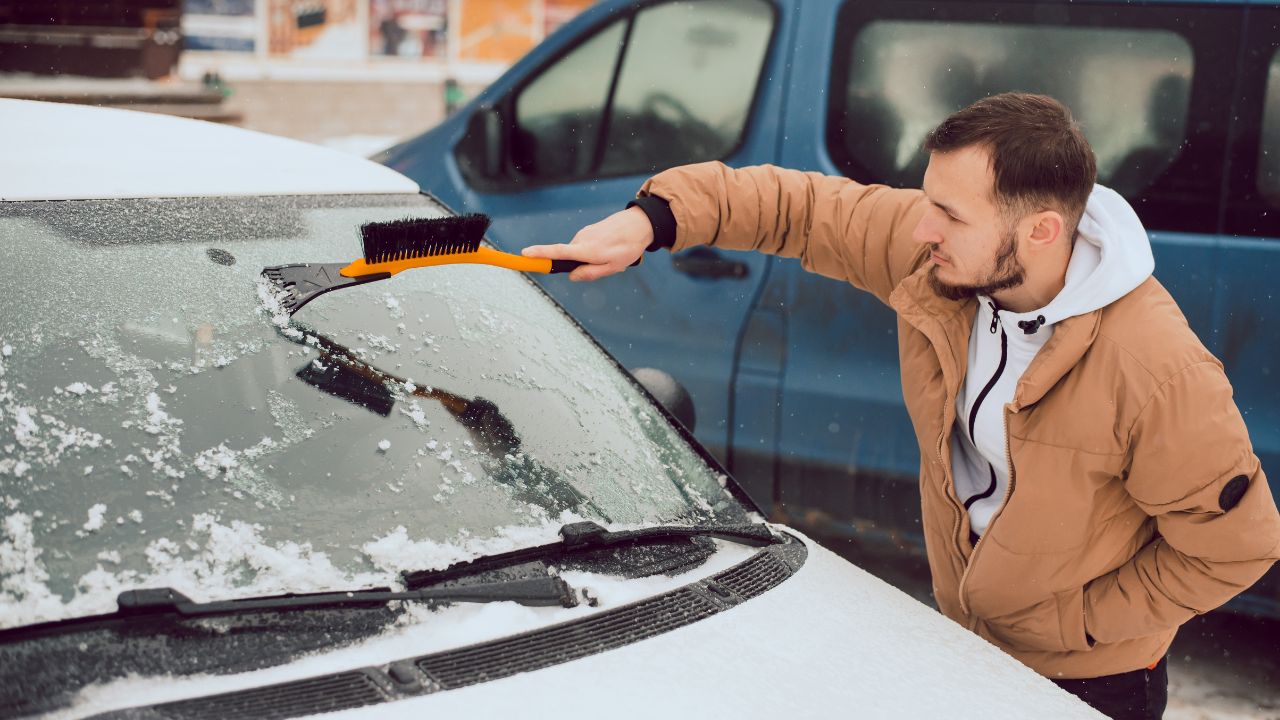
A portable air compressor can fix minor tire pressure issues. Duct tape fixes everything else (temporarily). A basic tool kit helps with minor adjustments. Road flares or LED warning triangles make you visible to other drivers. A windshield scraper is extra handy in the winter.
You’ll probably never need most of this stuff. But if you do need it, you’ll REALLY need it. It’s like insurance; you pay for peace of mind, hoping you’ll never have to cash in the policy.
Service the Heating System

Your car’s heating system does double duty in winter. Sure, it keeps everyone comfortable, but it also prevents dangerous fogging and provides critical defrosting capability. A failing heater isn’t just uncomfortable: it’s a safety hazard.
Your car’s heater uses waste heat from the engine, circulated through a small radiator (heater core) inside your dashboard. When this system fails, you lose both passenger heat and windshield defrosting ability.
Weak airflow might indicate a failing blower motor or clogged cabin air filter. Sweet smells could mean coolant is leaking from the heater core. No heat at all usually points to low coolant, a stuck thermostat, or air bubbles in the system.
Replace your cabin air filter annually. It’s usually behind your glove box and takes about 10 minutes to swap. A clogged filter restricts airflow and can cause the blower motor to work harder and fail sooner.
Test your defroster with the car cold. It should clear your windshield relatively quickly once the engine warms up. If it takes forever or doesn’t work well, get it checked before you really need it.
The Final Reminder For the Cold Season
Winter prep isn’t about becoming obsessed with every possible failure mode. It’s about taking a few reasonable steps that dramatically improve your odds of having a good winter driving experience.
Start with the big three: tires, battery, and fluids. These cause the majority of winter breakdowns. Then move to the comfort and safety items: lights, wipers, heating system, and emergency supplies. Finally, add the “just in case” items like chains and emergency gear.
Start preparing on time. Battery and tire shops get busy once people realize winter is here, and you don’t want to be waiting for parts when the first storm hits.
Quality winter preparation costs money upfront but saves much more in avoided breakdowns, accidents, and emergency service calls. Think of it as preventive maintenance for your peace of mind.
There’s genuine satisfaction in being prepared. When the weather turns nasty and other drivers are struggling, you’ll be cruising confidently, knowing your car is ready for whatever winter throws at it. Your passengers will appreciate the smooth ride, and you’ll sleep better knowing you’ve done everything reasonable to keep your family safe.
Winter driving will always have its challenges, but proper preparation turns those challenges from potential disasters into minor inconveniences. Your car might not love the cold, but with the right prep work, it’ll get you through until spring decides to show up again.
Remember: the best winter driving skill is good judgment, and good judgment includes being properly prepared before you need to be. Start your prep list now, because the first snowfall has a way of sneaking up when you’re least ready for it.