Forget expensive gadgets. This budget-friendly trick works better than most vacuums.
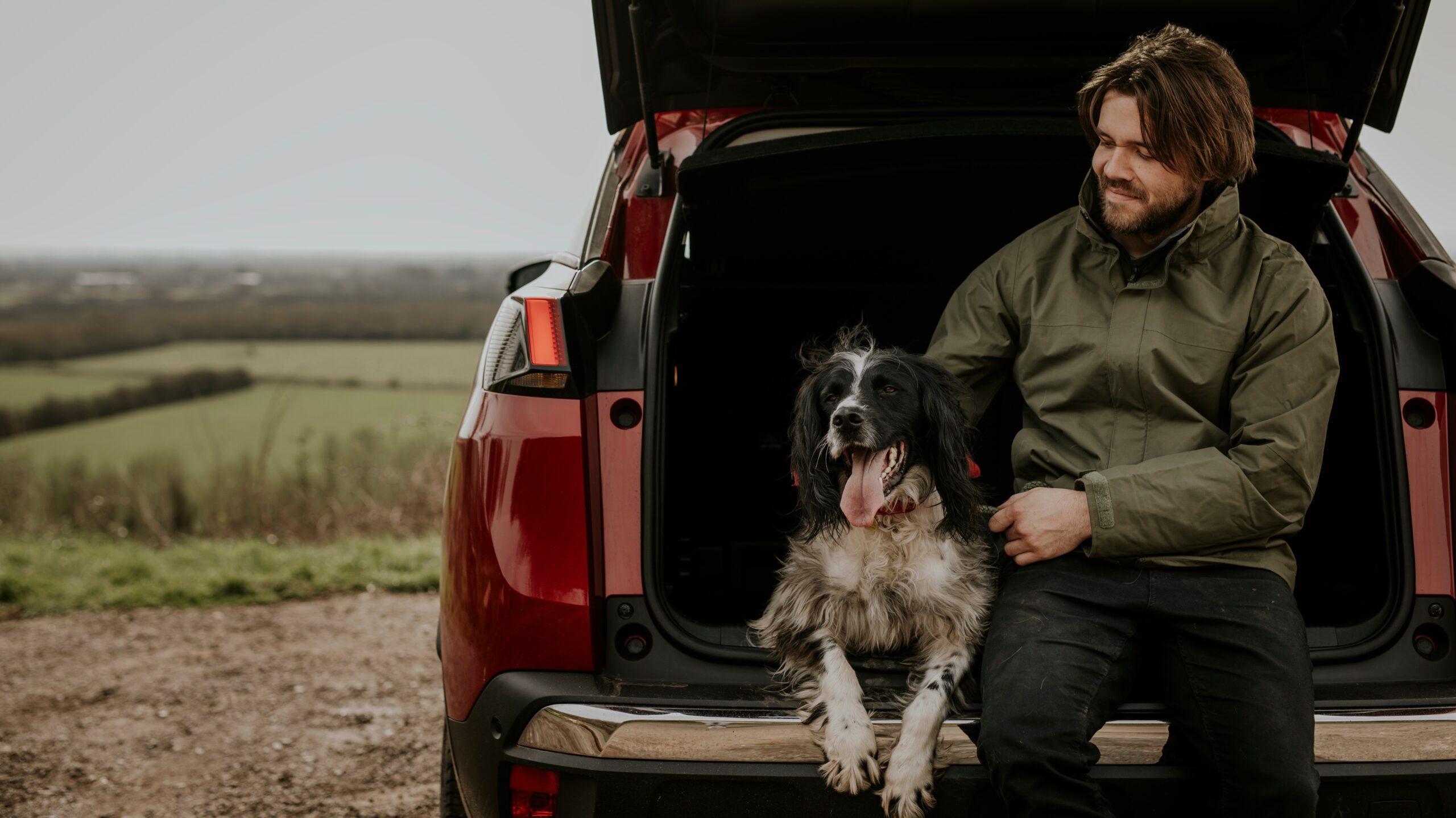
Every pet owner knows the struggle. You finish a great trip to the park with your dog, hop back in the driver’s seat, and suddenly, your interior looks like a mobile grooming salon exploded. Pet hair weaves itself into every fiber of your seats, especially carpeted floor mats, creating a mess that regular vacuuming can’t tackle.
While it’s common to reach for expensive pet hair removers or burn through lint rollers, one car expert says the solution is sitting in your kitchen.
“Pet hair in cars is one of the most common complaints I hear from vehicle owners,” says Kazimieras Urbonas, Supplier Excellence Manager at Ovoko, one of Europe’s largest online marketplaces for used car parts. “The good news is you don’t need fancy equipment or expensive products to solve this problem effectively.”
Urbonas is sharing a household hack that can transform car cleaning for pet owners everywhere.
Why Pet Hair Is So Hard To Remove
Before we get to the fix, it helps to understand the problem.
Pet hair clings to car interiors because of static electricity. Most automotive carpets and seat fabrics are made from synthetic fibers. When your pet’s fur rubs against those fibers, friction creates static. That static charge makes the hair stick to the fabric.
That is also why vacuuming alone often struggles. Instead of lifting the hair cleanly, the airflow can leave some of it stubbornly clinging to the fibers. Sticky lint rollers can work on surface hair, but they get expensive fast. If you go that route, a reusable sticky roller is the smarter long-term buy.
There is a simpler method that often works better.
The Rubber Glove Revolution
The secret weapon hiding in your cupboard is a simple pair of rubber dishwashing gloves.
“Most people don’t realize that rubber gloves create the perfect conditions for pet hair removal,” explains Urbonas. “The rubber material generates static electricity when rubbed against fabric, which literally pulls the hair out of the fibers and clumps it together for easy collection.”
Here’s how to do it:
Step 1: Put on a pair of clean rubber dishwashing gloves
Step 2: Lightly mist your gloved hands with water. Not soaking, just damp
Step 3: Rub the fabric surfaces in circular motions with gentle pressure
Step 4: Watch as the pet hair clumps together and lifts away
Step 5: Collect the hair clumps and dispose of them
This step is ideal for quickly removing the bulk of surface hair. As you rub the damp rubber against your upholstery, you create a charge that pulls the loose hair together so you can lift it off in clumps.
For Stubborn, Deep-Set Hair
@lexluxedetails #detailing #cardetailingtips #cardetailing #car #EntrepreneurJourney #swiftshinedetail #mobilecarwash #detailinghacks #professionaldetailer #protip #doghair ♬ Shibuya Street – Gakuen
If you are dealing with hair that feels embedded in the carpet, the process has two stages.
First, use the rubber glove method to remove as much surface hair as possible. Get the loose and lightly trapped fur out of the way.
Then make a simple mixture of fabric softener and water. Many cleaning experts recommend a ratio of one part fabric softener to four parts water. Lightly mist the carpet. Do not soak it. You only want it slightly damp.
The fabric softener helps neutralize static, which loosens the grip that synthetic fibers have on the remaining hair. Once the area is lightly misted, vacuum thoroughly. With the static reduced and the surface hair already cleared, the vacuum can now lift the stubborn hair much more effectively.
This two-step approach works particularly well on floor mats and trunk carpeting, where pet hair tends to build up over time.
Why This Beats Vacuums and Lint Rollers
Traditional methods often fall short when used alone.
Vacuum cleaners can struggle to remove deeply embedded fur from textured fabrics. Lint rollers work for surface hair, but become expensive and inefficient on larger areas.
“I’ve seen people spend $30 or more on specialized pet hair removal tools that don’t work half as well as a $2 pair of rubber gloves,” notes Urbonas. “The glove method is faster, cheaper, and more thorough than anything else I’ve tested.”
“You can clean an entire car interior in under 10 minutes using this method,” says Urbonas. “Compare that to 30 minutes with a vacuum and lint roller combination, and you can see why busy pet owners love this technique.”
The method works on different types of pet hair, from short-haired breeds to long-haired dogs and cats. Even stubborn embedded fur becomes manageable with the right approach.
He also emphasizes prevention.
“Prevention is always better than cure when it comes to pet hair management. I recommend investing in quality seat covers specifically designed for pet owners. They create a barrier that protects your original upholstery and is much easier to clean.
“Regular grooming before car trips makes a huge difference, too. A quick brush-down removes loose hair before it can embed in your seats. Some pet owners keep a lint brush in their car for quick touch-ups after shorter journeys.
“The rubber glove method works so well because it addresses the root cause of why pet hair is difficult to remove: static cling. By using the same principle but reversing it, you’re working with physics instead of against it. It’s a perfect example of how understanding the problem leads to better solutions.”
This post originally appeared on Guessing Headlights.