

In 1969, while British sports car makers were busy perfecting the art of electrical gremlins and weekend garage sessions, a sleek intruder sailed across the Pacific with revenge on its mind. The Jaguar E Type had been strutting around showrooms like it owned the place, typically listed in the mid $5,000 range in 1969, depending on body style and equipment. MG and Triumph were doing their part too, selling dreams wrapped in unreliability and held together with optimism.
Then came the Datsun 240Z, which arrived in the United States in late 1969 as a 1970 model, priced at $3,526 in Car and Driver road test data. British executives probably choked on their Earl Grey when the sales figures started rolling in. Here was a car that looked like Enzo Ferrari’s fever dream but started every morning without requiring a prayer to the automotive gods.
But could it actually compete with Jaguar’s fleet?
How the Road Was Mapped
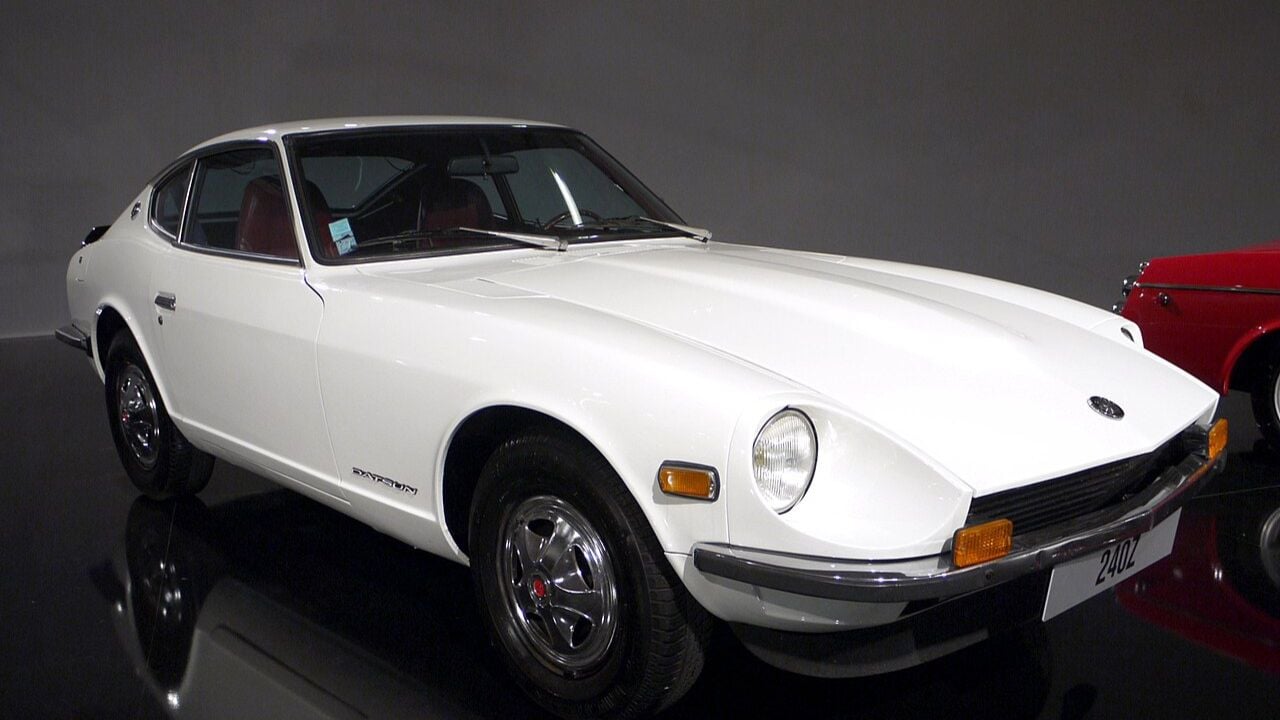
This story didn’t come from dusty Wikipedia pages or fever dreams. We checked out the archives from Car and Driver, Motor Trend, and anyone else that had hands-on experience with the Datsun 240Z. A real owner said on Reddit: “Yeah these cars make people smile like crazy. I take mine to shows all the time and have had so many great interactions with people.”
The British perspective came from period reports that captured the exact moment Jaguar realized their “refined British motoring experience” was about to get schooled by a country whose sports cars were still a relatively new idea to many American buyers. Insurance records, auction results, and SCCA race reports filled in the gaps. This isn’t another “I read it on a forum” automotive article, this is the real deal, backed by people who lived through the era when sports cars were supposed to leak oil and break your heart.
Price That Felt Within Reach and Shape That Belonged in a Frame
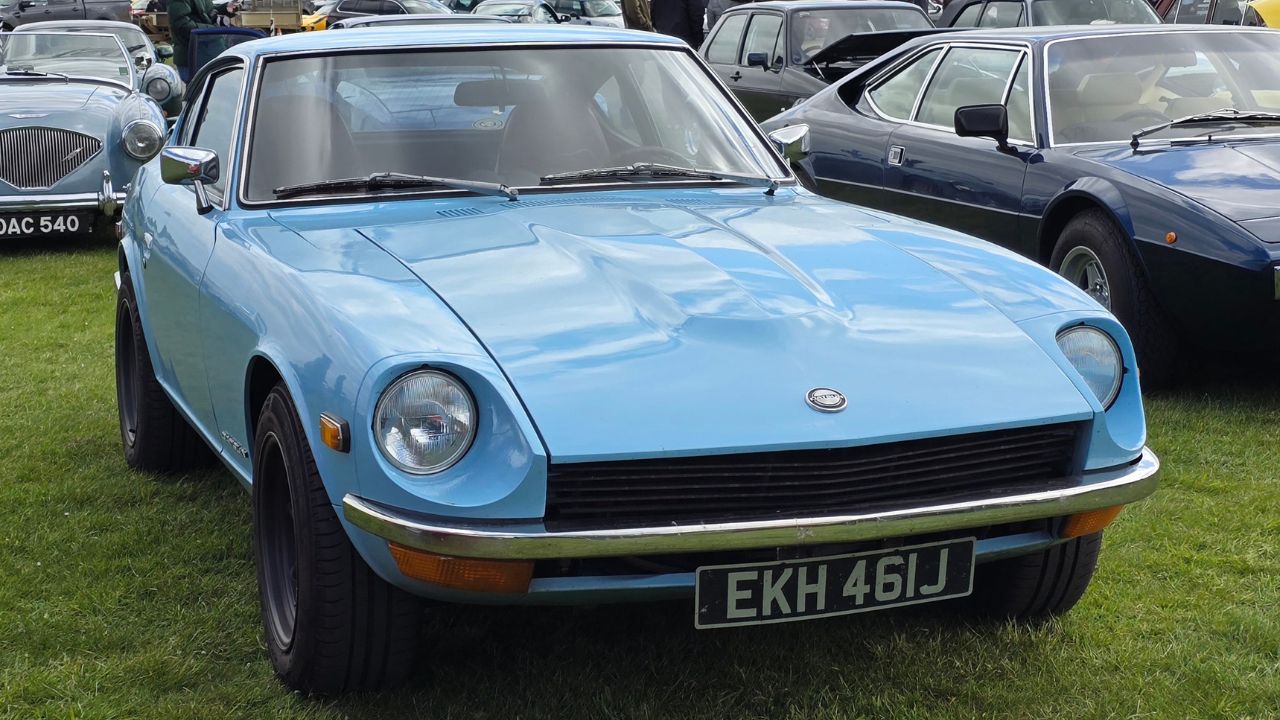
Base Price: $3,526
Jaguar E Type Series II roadster: $5,500 (1970 base price)
Porsche 911T: $6,430 (original MSRP for a 1970 911T coupe)
The numbers told the whole story. For the price of a base E-Type in 1970, you could buy a 240Z and have enough left over for a vacation to celebrate your smart financial decision. The Z delivered 151 horsepower from its 2.4-liter inline-six, not earth-shattering by today’s standards, but enough to embarrass plenty of pricier European machinery at red lights.
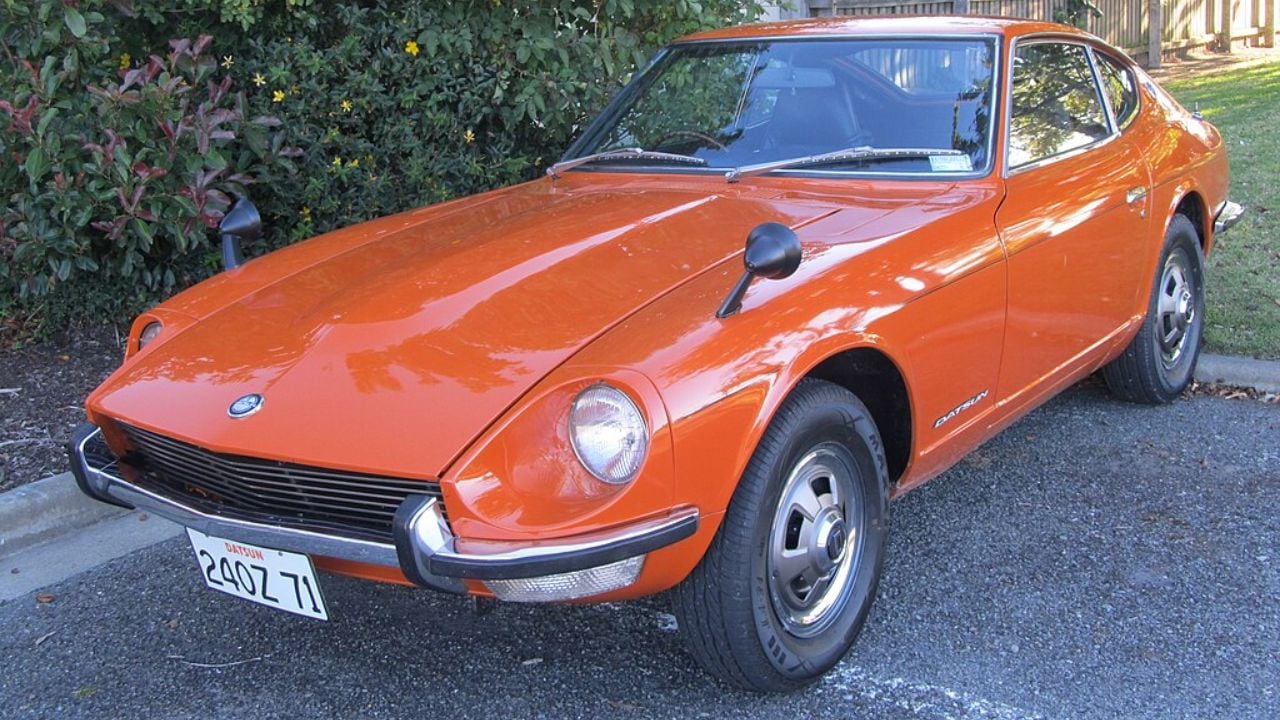
The 240Z design was led at Nissan by Yoshihiko Matsuo, the designer widely credited with shaping the original Z. Apparently, someone at Nissan had the brilliant idea to hire a designer who understood that curves should flow like water, not look like they were beaten into shape with a cricket bat. The result was a car that looked like it cost twice its price tag, parked next to Ferraris without shame, and somehow managed to age better than most of its contemporaries.
British sports car fans found themselves in an awkward position: their wallets were saying “Datsun” while their pride was whispering “but it’s not from Coventry.” Pride doesn’t fix electrical problems or pay for premium unleaded, though.
Performance That Lived on Real Roads
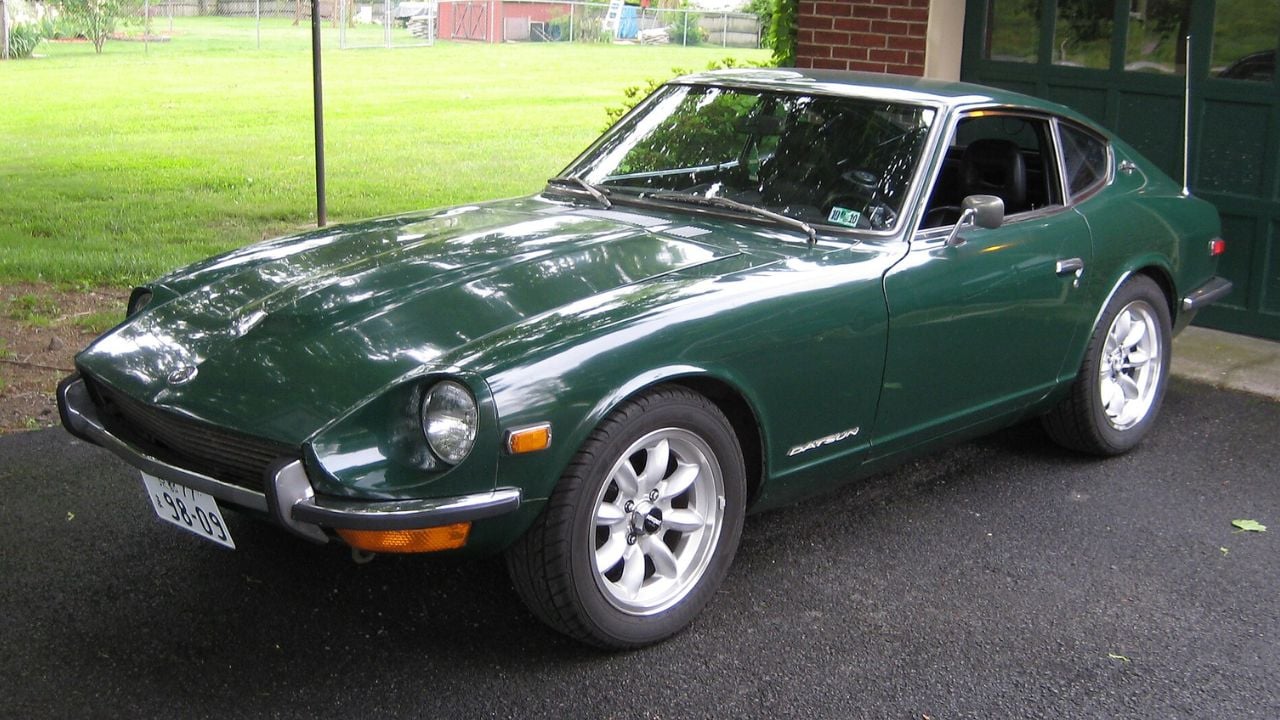
0 to 60 mph: about 7.8 to 9.4 seconds in period testing
Top speed: 109 mph in Car and Driver testing, with a factory claim around 120 mph
Quarter mile: about 16.1 to 16.5 seconds in period testing
Times it left you stranded: Surprisingly few
The L24 engine was simple and reliable. Two SU-style carburetors fed the inline-six, which breathed through a head design that actually made sense. No exotic Italian temperament, no British electrical mysteries, just a motor that fired up every morning and pulled cleanly to 6,000 rpm.
Independent suspension at all four corners meant the Z could actually handle corners without requiring a degree in automotive dynamics. MacPherson struts up front and independent rear struts in back, plus front disc and rear drum brakes, and Car and Driver noted the brakes could be sensitive to splashed up water.
In early US cars and in major US road tests, the Z used a four speed manual, and a five speed became available later depending on market and timing. Road testers consistently praised its balanced handling, which was code for “holy heck, this thing doesn’t try to kill you in corners.”
Weekend canyon runs became religious experiences. The Z encouraged enthusiastic driving without punishing mistakes, delivering performance that felt special without requiring a mechanical engineering degree to maintain.
Styling That Traveled Without Leaving Town
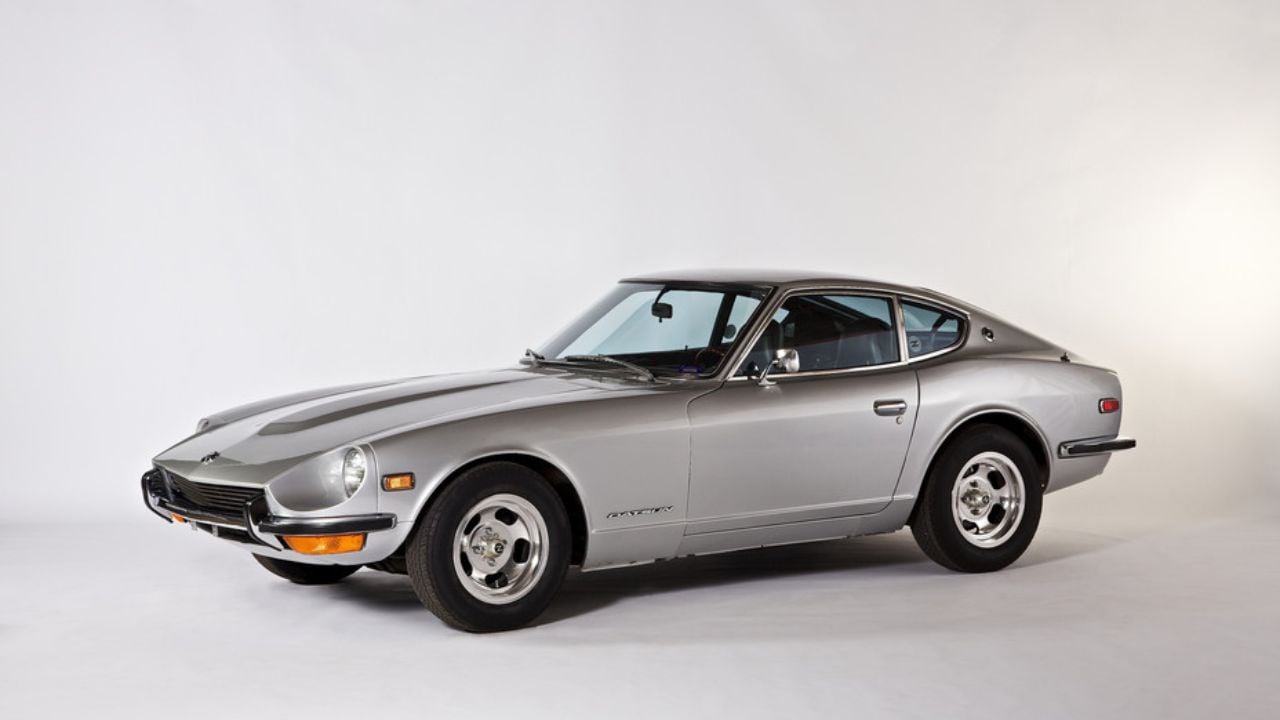
Some say the 240Z borrowed heavily from Ferrari’s design language. Others say it was “inspired by.” Ferrari probably said something in Italian that translates to “lawyers, assemble.” Regardless of the inspiration, the result was stunning.
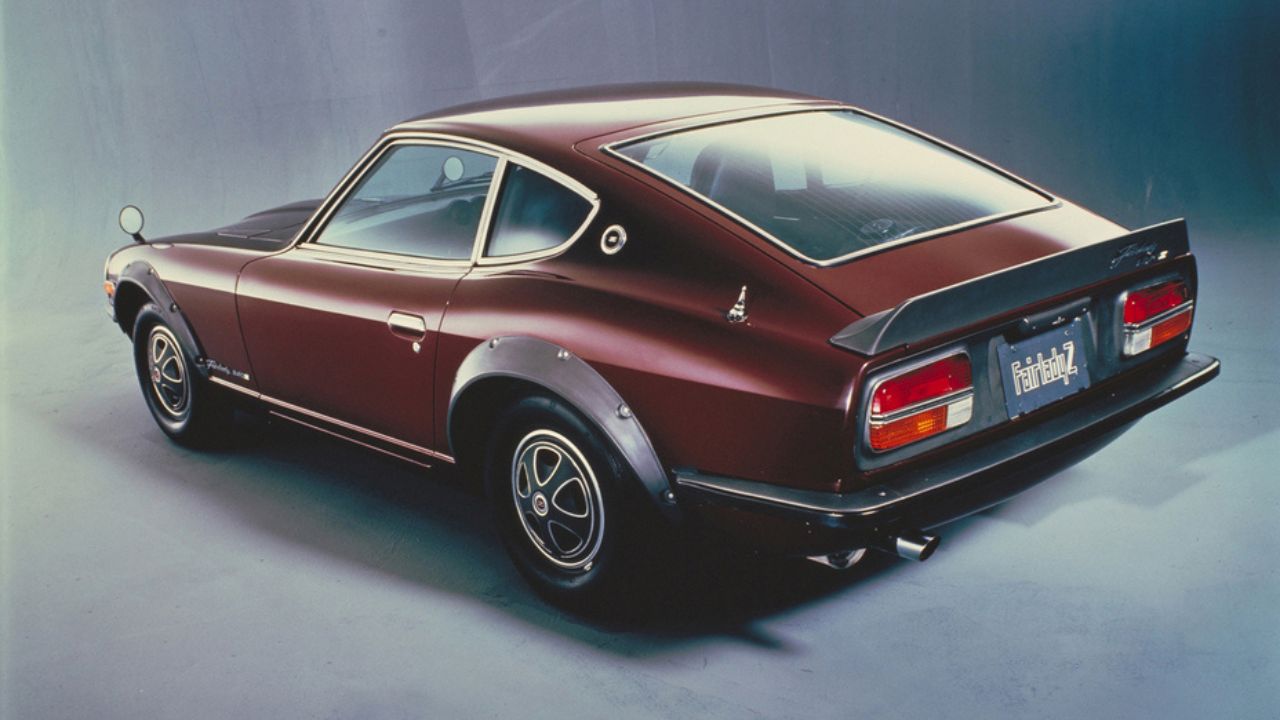
The long hood and short deck proportions were classic GT, executed with a precision that made European coachbuilders take notes. The Z kept fixed headlights, and Japan only variants such as the Fairlady 240ZG used acrylic headlight covers rather than a pop up mechanism.
Paint options included classic racing colors: Rally Yellow, Chrome Yellow, and various metallics that actually stayed metallic instead of fading to primer after five years. The chrome work was restrained and purposeful, not slapped on to hide design mistakes.
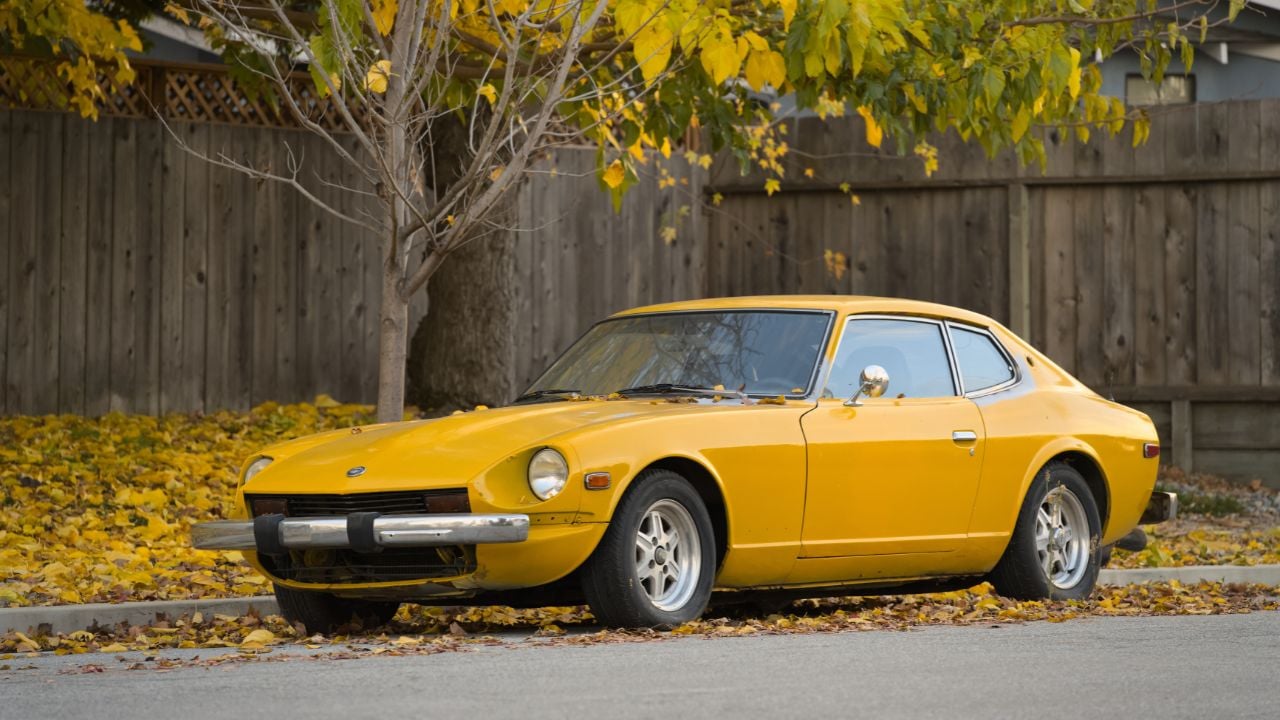
Parked alongside period European exotics, the Z held its own visually. Parked next to anything British, it looked like it came from the future: a future where cars were designed by professionals instead of committees.
Engineering That Invited Trust
Engine: 2.4L SOHC inline-six
Compression Ratio: 9.0:1
Carburetion: Twin SU-style Hitachi
Electrical System: 12V negative ground (revolutionary!)
The L24 engine was overbuilt in the best possible way. Cast-iron block, aluminum head, seven main bearings, and enough oil passages to make a Chevy small-block jealous. The bottom end was strong enough to handle significant power increases, which tuners discovered quickly.
Nissan’s engineers had clearly been paying attention to what worked elsewhere. The suspension geometry borrowed the best ideas from European designs while adding Japanese build quality. No weird British engineering quirks, no Italian temperament, just solid mechanical design executed properly.
The electrical system used conventional 12-volt negative ground wiring that actually worked. British car owners probably assumed this was some kind of sorcery. Fuses were labeled, connections were properly sealed, and the alternator actually generated electricity consistently.
Cooling was adequate, oil stayed where it belonged, and the transmission didn’t require weekly adjustments. These were apparently novel concepts in the sports car world of 1970.
Cabin That Balanced Function and Warmth
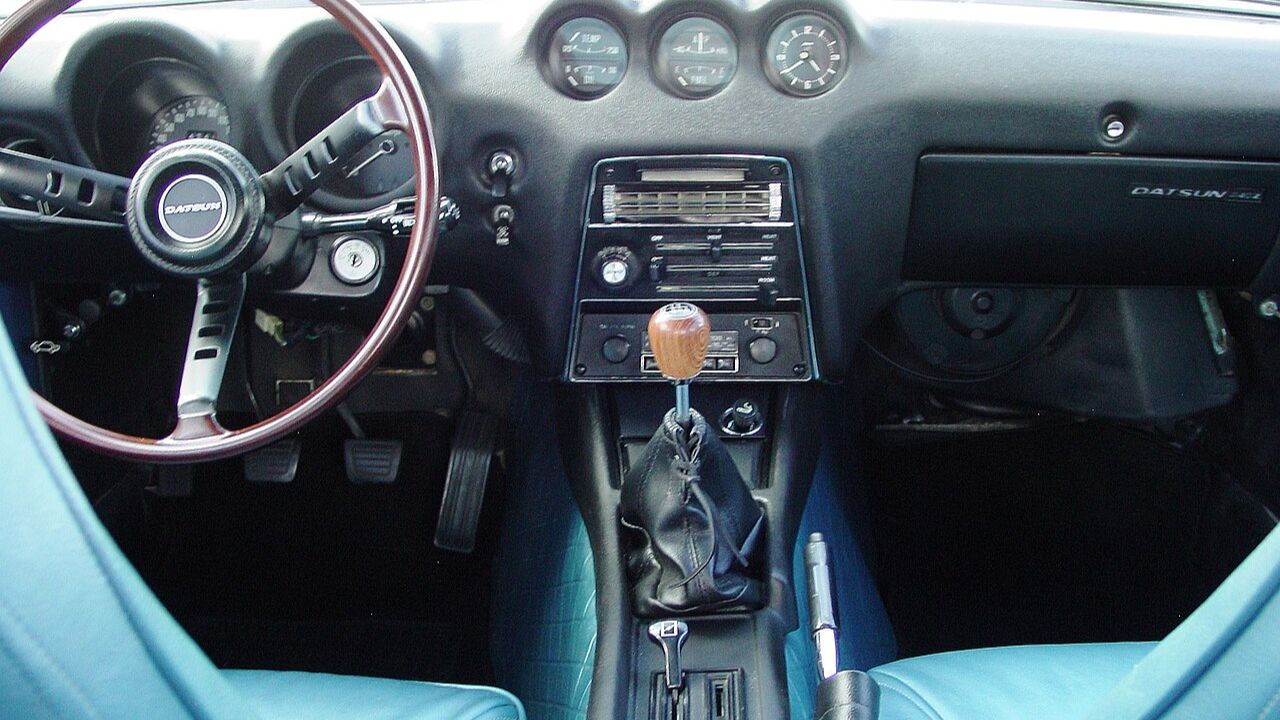
The cabin struck a balance between sporting intent and human comfort. Bucket seats provided actual support instead of just looking sporty. The dashboard was logically laid out with gauges you could actually read; another revolutionary concept.
Interior materials were honest: vinyl that felt like quality, metal trim that didn’t immediately oxidize, and carpeting that stayed attached to the floor. The heater worked in winter, the ventilation worked in summer, and nobody died from electrical fires.
Storage space existed, unlike certain British two-seaters that treated luggage capacity as a character flaw. The hatch design allowed weekend trips without requiring Tetris skills to pack properly.
Build quality was tight without squeaks, rattles, or the British car specialty of “character noises.” Everything fit properly and stayed that way, which was apparently asking too much from other manufacturers in 1970.
Reliability That Became Part of Daily Life
Maintenance Schedule: Follow it
Electrical Problems: Minimal
Oil Leaks: What’s an oil leak?
Starting Reliability: Yes
The 240Z introduced American sports car buyers to a radical concept: daily reliability. No more keeping jumper cables in the trunk, no more calling in sick because the car wouldn’t start, no more explaining to non-car people why your “sports car” spent more time in the garage than on the road.
Regular maintenance consisted of normal items: oil changes, tune-ups, and occasional adjustments. Not weekly electrical troubleshooting sessions or monthly fluid top-offs. The manual was written in comprehensible English instead of British understatement or Italian poetry.
Cold weather starting was consistent, hot weather running was stable, and long trips didn’t require backup transportation arrangements. These features were so unusual in the sports car market that early reviews mentioned them specifically.
Mechanics appreciated working on the Z because problems were logical and parts were available. No special tools required, no ritualistic procedures, just straightforward automotive repair.
Racing Presence That Matched the Streets
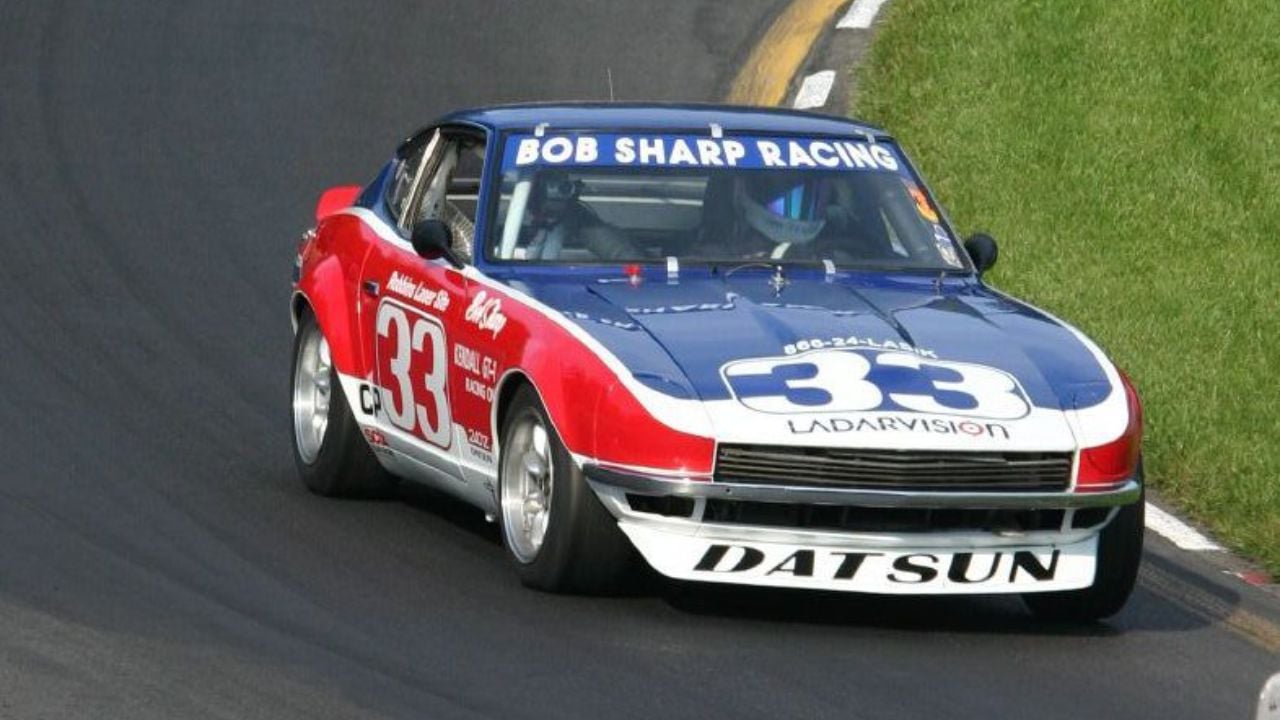
SCCA C Production national championships: 1970 and 1971 with BRE and John Morton, and 1972 and 1973 with Bob Sharp Racing
Trans Am 2.5 championships: 1971 and 1972 were won by BRE with the Datsun 510, not the 240Z
IMSA: later Z racing included major successes, including a 240Z winning the 1976 IMSA Camel GTU championship
British racing success: still waiting
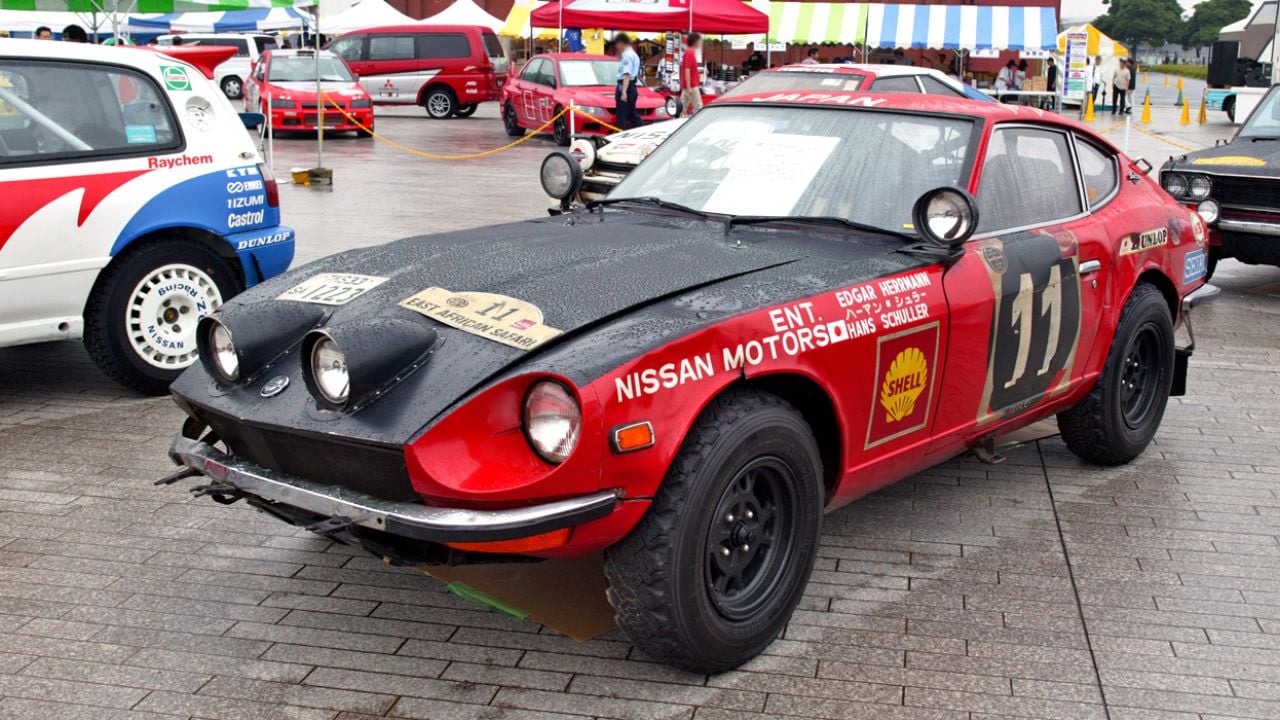
Bob Sharp Racing proved the Z’s competition potential almost immediately. The chassis responded well to modifications, the engine could handle significant power increases, and the whole package was affordable enough for privateer racers.
SCCA C Production became virtually a Datsun benefit series. The combination of competitive pricing, good parts availability, and actual reliability made the Z the weapon of choice for weekend warriors. British sports cars were still trying to figure out why their electrics failed in the rain.
Professional racing efforts by BRE (Brock Racing Enterprises) elevated the Z’s competition profile. When you’re beating Porsches and Corvettes with a Japanese car that costs half as much, people notice.
The racing success translated directly to showroom credibility. Nothing sells sports cars like winning races, and the Z was collecting trophies faster than British Leyland was collecting warranty claims.
Timing That Met the Spirit of the Era
Nixon was President
Gas was 36 cents per gallon
Insurance companies hadn’t discovered young men
Japanese cars were still considered “economy”
The Z arrived just as American buyers were discovering that “sports car” didn’t have to mean “weekend hobby project.” The muscle car era was winding down, emissions regulations were tightening, and insurance companies were getting serious about performance car premiums.
Here was a car that delivered genuine sports car performance with reasonable running costs and actual reliability. It looked exotic enough to turn heads but didn’t bankrupt owners with maintenance costs or strand them with electrical problems.
The Japanese origin was initially met with skepticism, this was before Toyota and Honda had established their reputation for quality. Early buyers were taking a chance on an unknown quantity from a country better known for cameras and electronics than sports cars.
Magazine coverage was consistently positive, with testers praising the Z’s combination of performance, style, and value. Road & Track, Car and Driver, and Motor Trend all recommended it, which was rare for any sports car, let alone a Japanese one.
Community That Formed Through Shared Experience
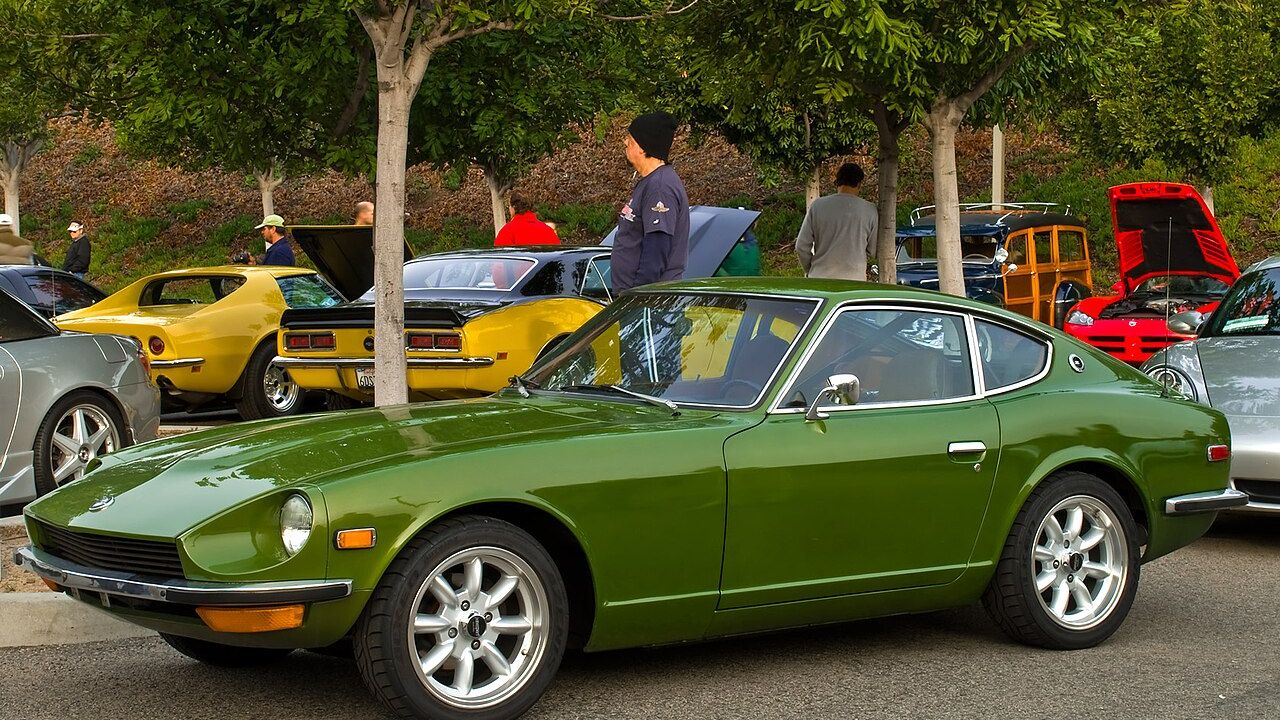
The Z-car community formed naturally around shared enthusiasm rather than shared misery. Unlike British car clubs, which often resembled support groups for the mechanically abused, Z clubs focused on driving, racing, and modification rather than troubleshooting electrical problems.
Regional clubs organized driving events, autocrosses, and tech sessions. Parts availability was good enough that modifications were practical, not desperate attempts to fix chronic problems. Performance aftermarket support developed quickly as the car’s potential became apparent.
The community attracted enthusiasts who wanted to drive their cars rather than restore them constantly. This fundamental difference from traditional sports car ownership created a more positive, less masochistic car culture.
Swap meets featured performance parts and modification ideas instead of just replacement components for failed systems. The conversation centered on “how to make it better” rather than “how to make it work.”
A Legacy That Continues To Draw Admiration
US sales through 1973: roughly 150,000 to 160,000 units
British Sports Car Production 1970-1973: Still counting electrical problems
Cars that started a revolution: This one
The 240Z proved that sports cars could be reliable, affordable, and desirable simultaneously. This radical concept forced European manufacturers to reconsider their “character building through mechanical adversity” business model.
Modern sports cars owe their fundamental assumptions to the Z: that performance and reliability aren’t mutually exclusive, that exotic looks don’t require exotic maintenance, and that sports car ownership can be about driving enjoyment rather than mechanical masochism.
The Z established Japanese credibility in the performance market decades before the NSX or GT-R. It showed American buyers that “Made in Japan” could mean quality and performance, not just economy and reliability.
Today’s sports car market, where even entry-level performance cars are reliable, well-built, and reasonably priced, exists because the 240Z proved it was possible. The British sports car industry never quite recovered from the lesson.
Keys Still on the Hook

While Jaguar was explaining why electrical fires built character and MG was perfecting the art of roadside repairs, Nissan built a car that actually worked.
Fifty-plus years later, clean 240Zs command serious money not because they’re rare, but because they were right. They offered everything sports car buyers actually wanted instead of everything manufacturers thought they should accept. The Z proved that sports cars could be beautiful, fast, reliable, and affordable without requiring a degree in British electrical theory or Italian temperament management.
Every time someone fires up a well-maintained Z and it starts immediately, runs smoothly, and doesn’t leave fluid stains in the driveway, it’s still winning the argument it started in 1969. Some battles echo through the decades, and the sound of that L24 engine is still the sweetest form of automotive revenge ever served.