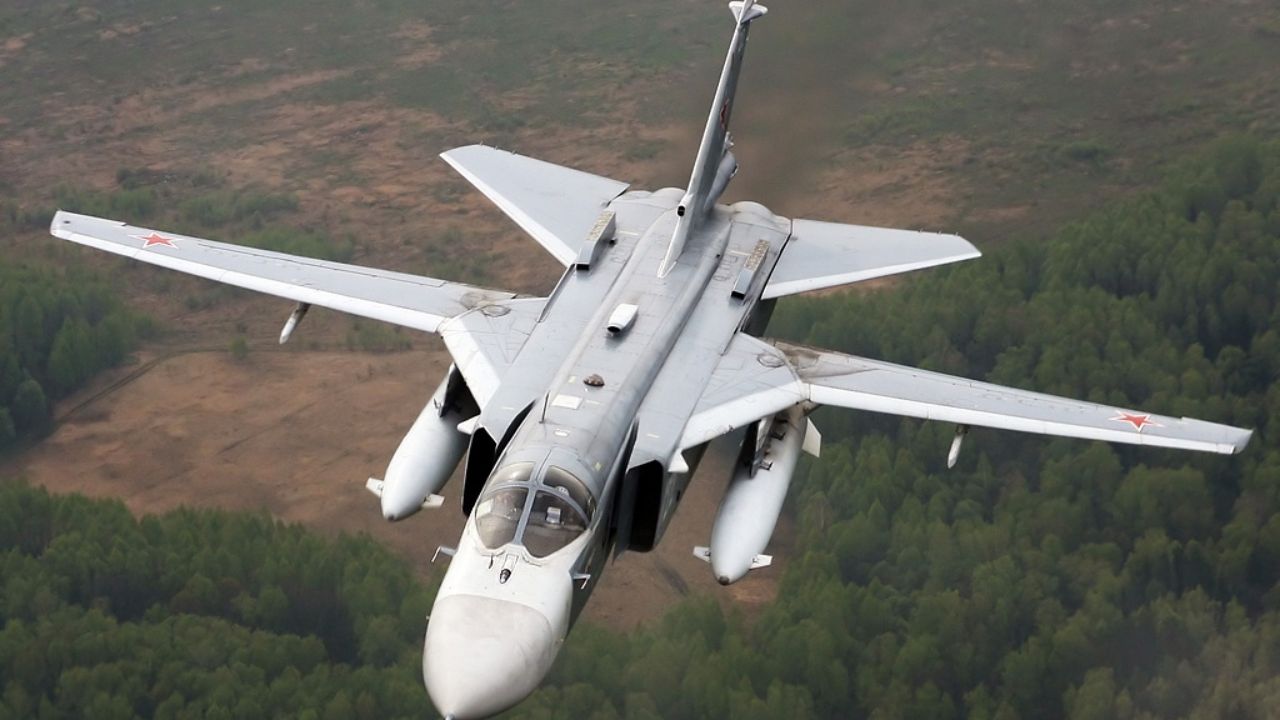

Tensions in the Gulf briefly reached a dangerous new level after fighter jets from Qatar intercepted and shot down two Iranian bombers that were reportedly minutes away from striking a major American military installation in the region.
The dramatic encounter unfolded in the skies near Al Udeid Air Base, the largest United States military base in the Middle East and a strategic hub for regional operations.
According to officials familiar with the incident, two Iranian Sukhoi Su‑24 aircraft were detected flying at extremely low altitude as they approached Qatari airspace.
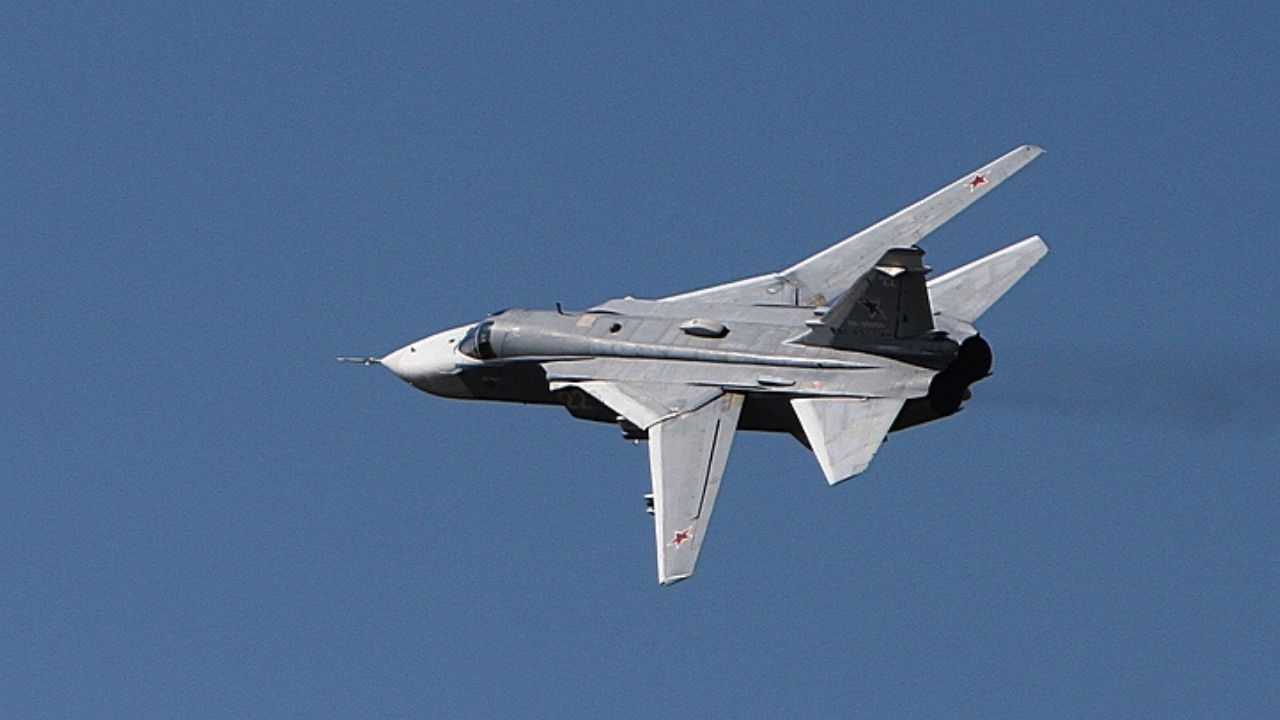
The bombers were believed to be headed toward targets that included Al Udeid Air Base and energy infrastructure near Ras Laffan Industrial City, one of the most important natural gas processing centers in the world.
Terrain Masking and a Two-Minute Window
Radar operators reportedly identified the aircraft only after they had already moved close to the Qatari coastline. By that point the bombers were flying at roughly 80 to 100 feet above ground level.
This type of terrain masking flight profile is designed to evade radar detection and shorten reaction time for defenders.
Qatar’s air defense network responded quickly.
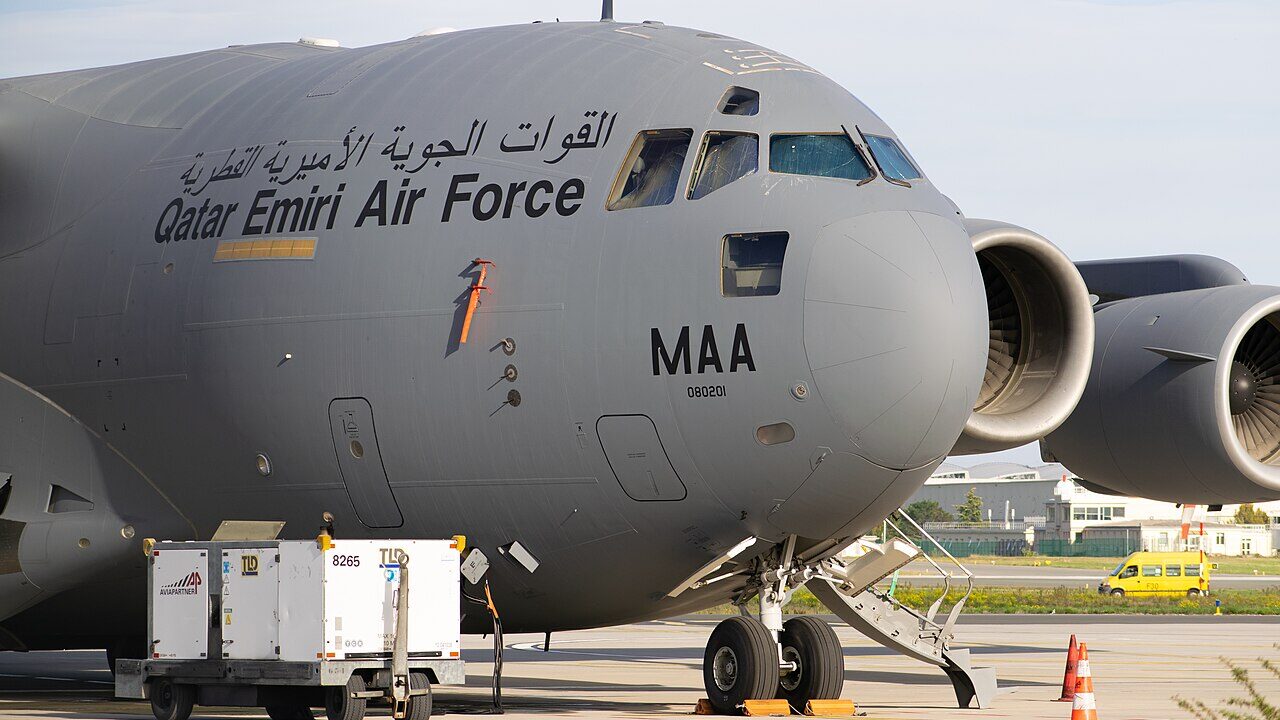
Fighter aircraft from the Qatar Emiri Air Force were scrambled to intercept the incoming threat. Within minutes, a Qatari Boeing F‑15QA moved into position to engage the bombers before they could reach their targets.
Military sources later indicated that the Iranian aircraft were only about two minutes away from striking range when the Qatari fighter locked onto them.
Air to air missiles were launched during the brief encounter, destroying both bombers over waters near the Qatari coast. Debris from the aircraft reportedly fell into the sea, prompting search operations for the crews.
The Bombers
The aircraft at the center of the incident represent two very different generations of military aviation.
The Sukhoi Su-24, developed in the Soviet Union during the late Cold War, is a twin engine, variable sweep wing strike bomber built for deep penetration missions.
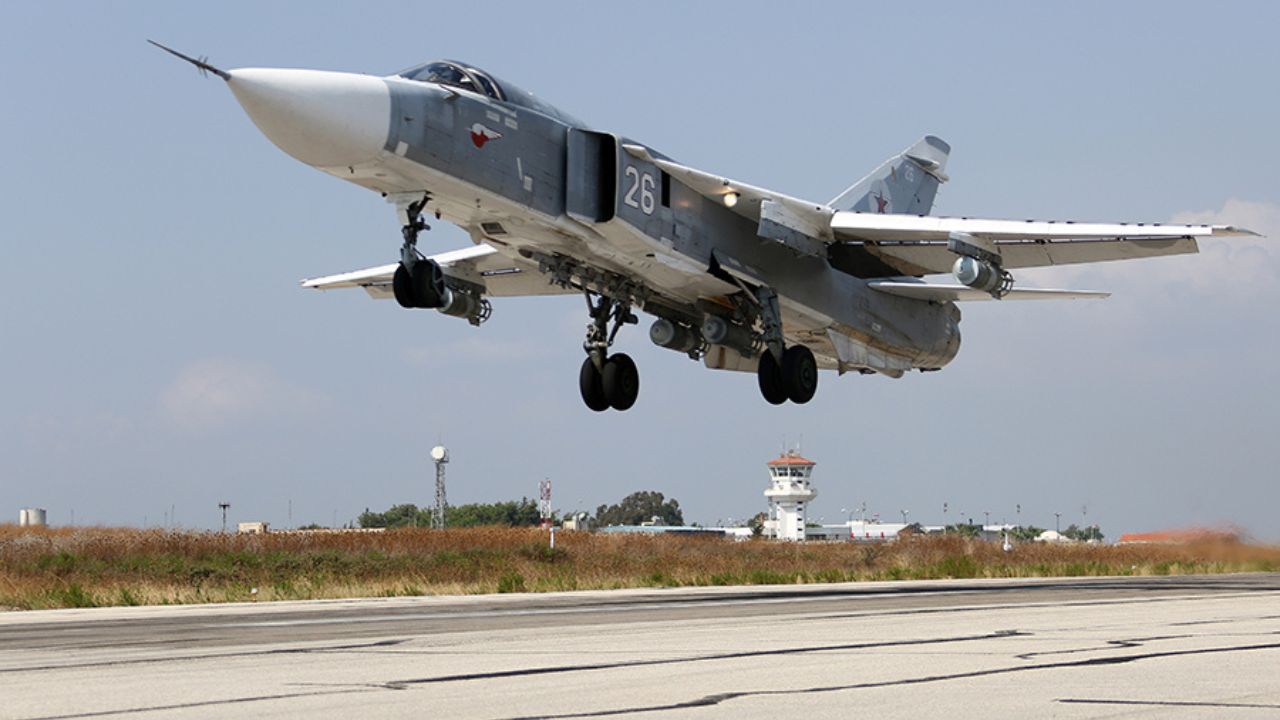
Designed primarily for tactical bombing, the aircraft can fly at supersonic speeds and carry a wide array of munitions including guided bombs, anti-ship missiles, and precision strike weapons.
One of the Su-24’s defining characteristics is its swing-wing design, which allows pilots to adjust wing angles for high-speed flight or improved stability at low altitude.
That low altitude capability makes the aircraft particularly effective in surprise strike missions. By flying close to terrain and beneath radar coverage, the Su-24 can approach targets with minimal warning. Over decades of service, the bomber has been used by several countries in regional conflicts and precision strike operations.
The Interceptor
In contrast, the Boeing F-15QA represents one of the most advanced fighter aircraft currently in service with Gulf air forces.
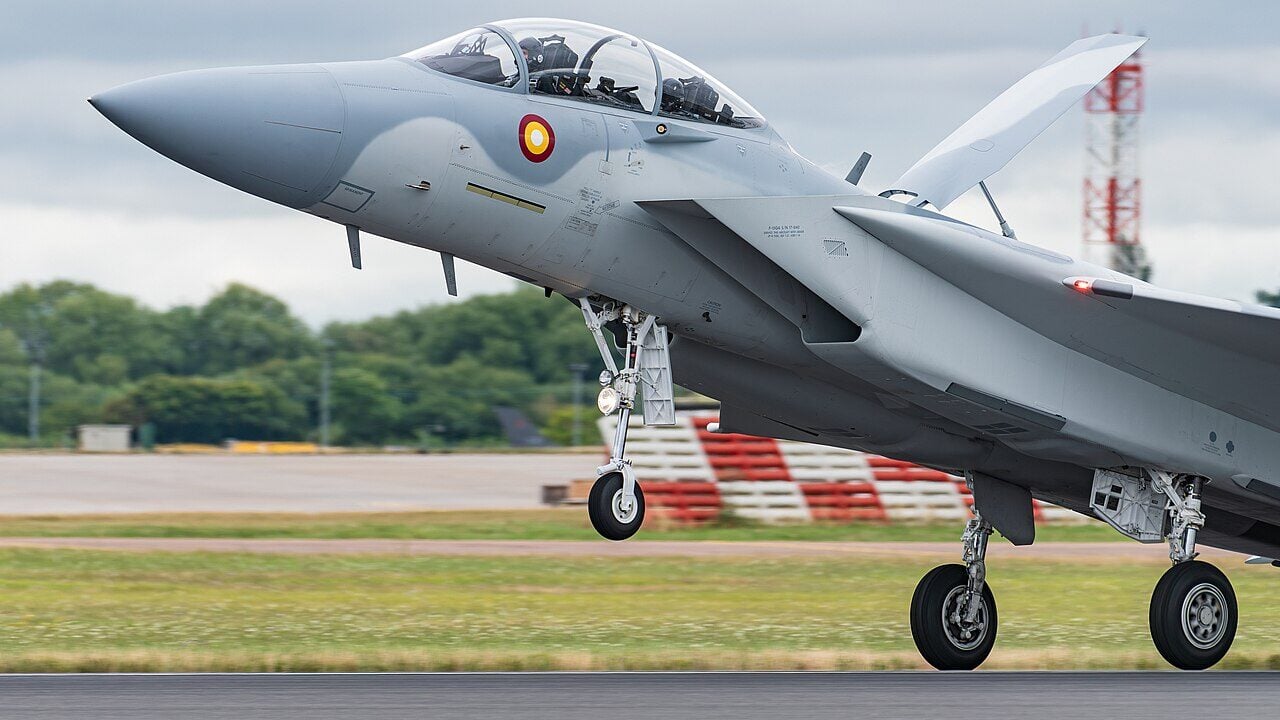
Based on the latest evolution of the F-15 platform, the Qatar Advanced Eagle is designed for air superiority as well as long range strike missions.
The aircraft features powerful twin engines, advanced radar systems, and a modern electronic warfare suite that allows pilots to detect and track threats from long distances. Its AN APG-82 active electronically scanned array radar can monitor multiple targets simultaneously, giving pilots a significant advantage during fast moving engagements.
The F-15QA is also capable of carrying a heavy weapons load, including air to air missiles such as the AIM-120 AMRAAM and AIM-9X Sidewinder. These weapons allow the fighter to intercept enemy aircraft well before they reach their intended targets.
The Al Udeid
The interception underscores the strategic importance of Al Udeid Air Base. Located southwest of Doha, the installation hosts thousands of American personnel and serves as the forward headquarters for US air operations across the Middle East.
Had the Iranian bombers reached their objectives, the consequences could have been severe. Instead, the swift response by Qatari pilots prevented what could have become a major escalation in regional tensions, while also demonstrating the effectiveness of modern air defense coordination between allied forces in the Gulf.
Sources: CNN