
Australia’s love affair with rugged, reliable utility vehicles has defined its roads and work sites for decades. From cattle stations in the outback to builders pounding bitumen from Sydney to Melbourne, the Toyota HiLux hasn’t just been a top seller. The HiLux has been a cultural touchstone in Australia.
In 2025, however, a new contender from a brand once unfamiliar to most Australians rose to challenge that long-standing dominance in a way few analysts could have predicted.
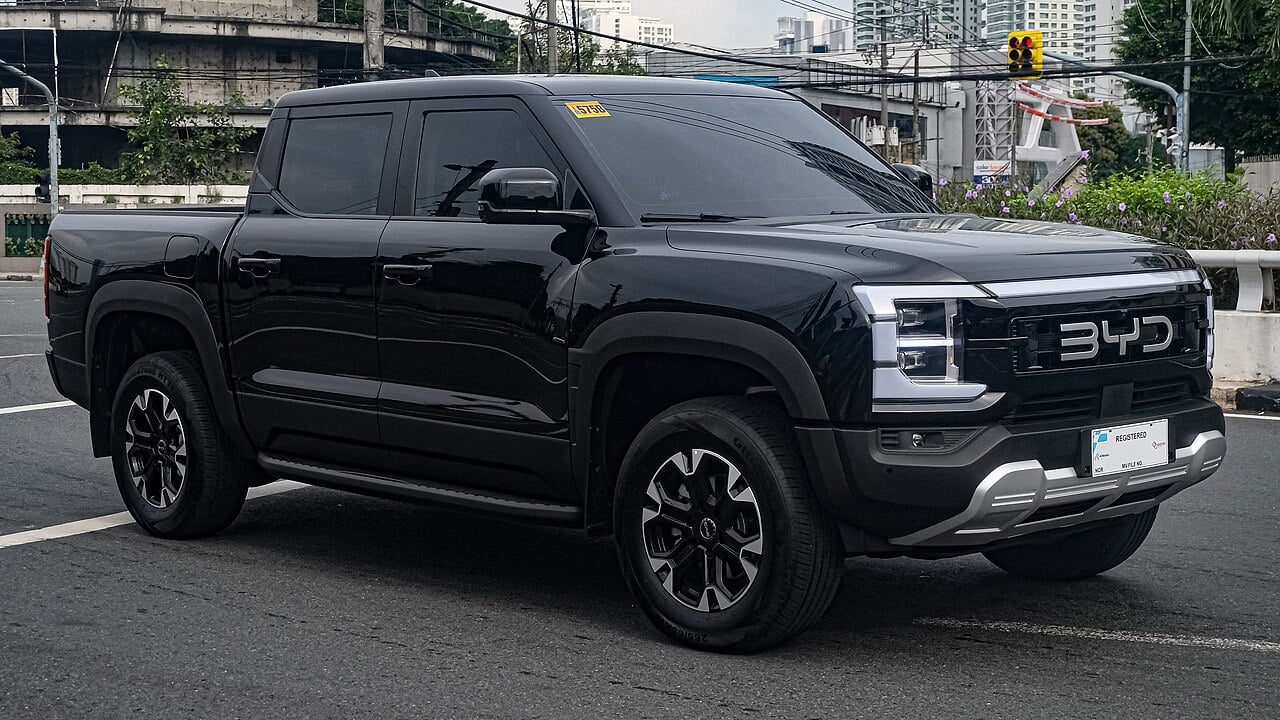
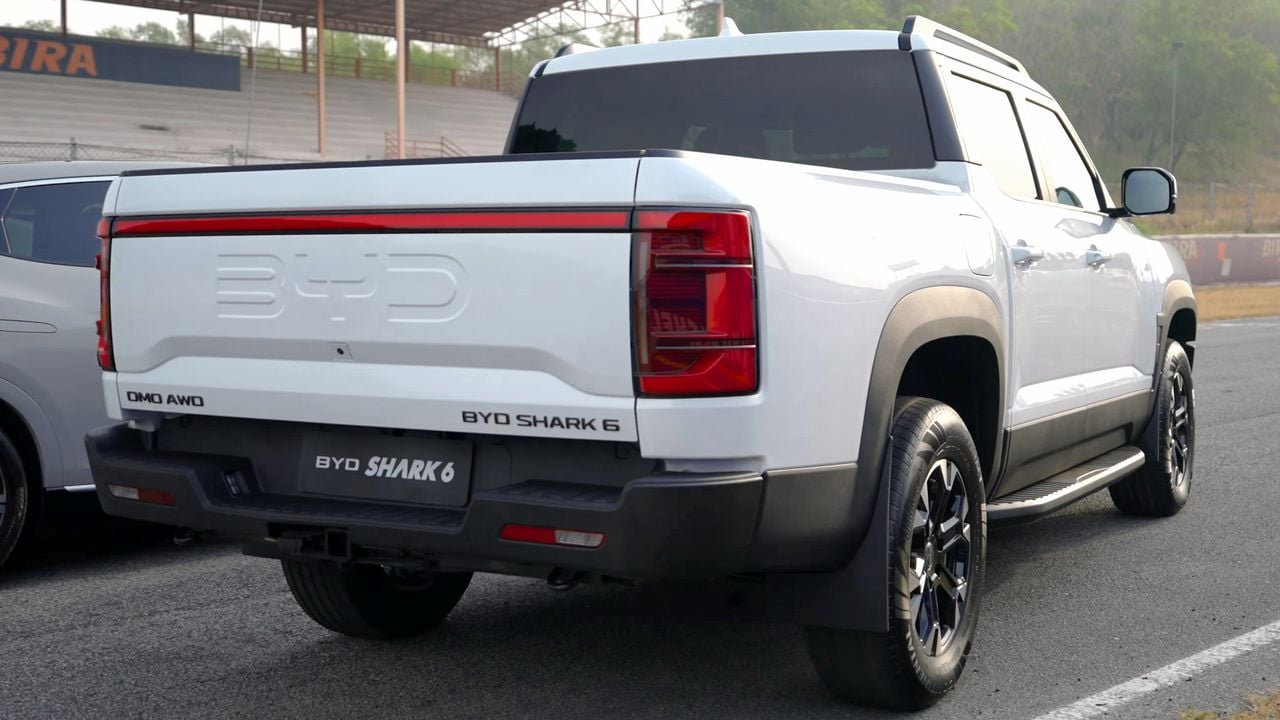
According to industry figures, the BYD Shark 6 plug-in hybrid utility vehicle actually outsold the Toyota HiLux among private buyers for the first time in Australian history.
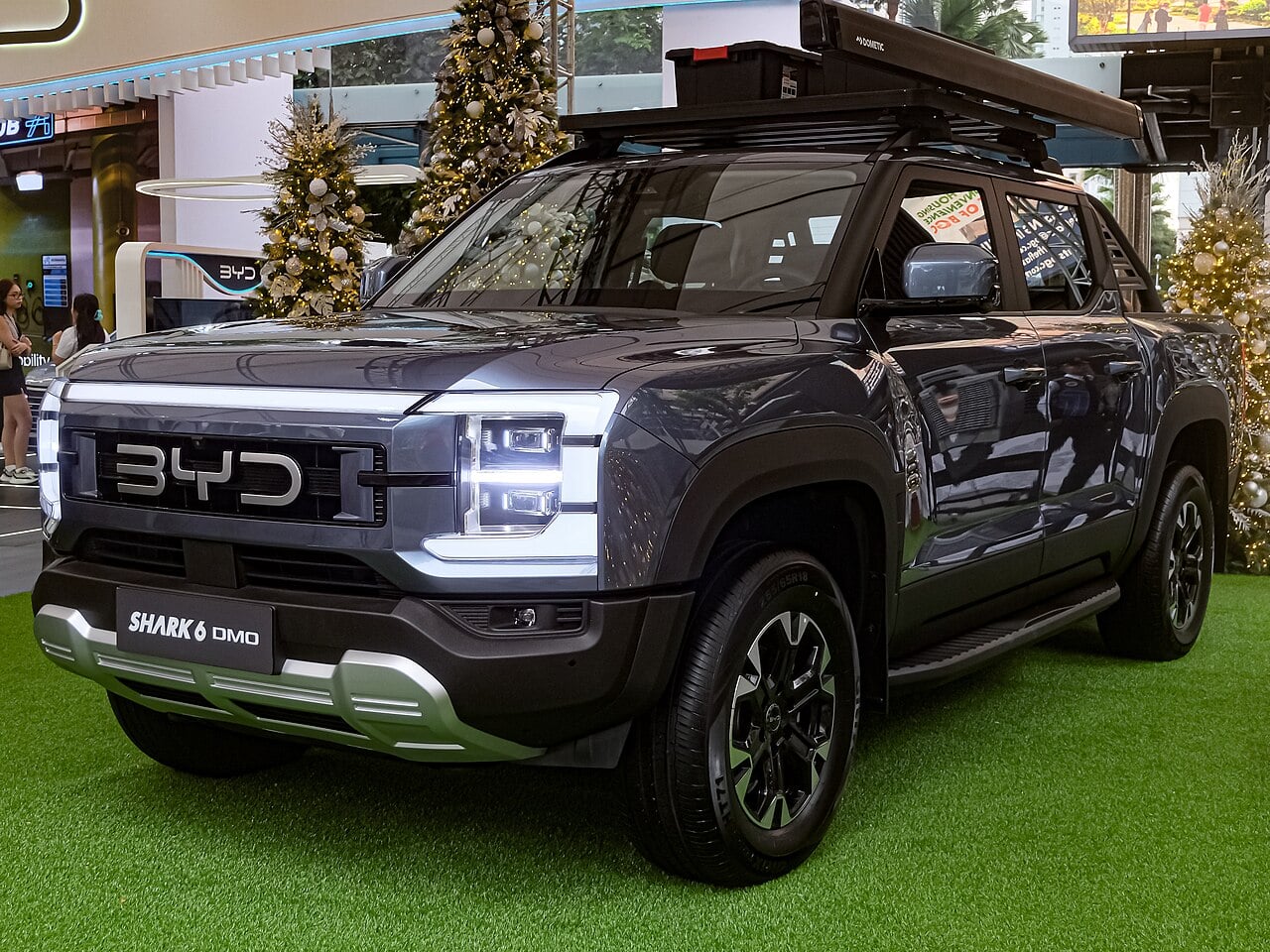
The Shark recorded more than 15,500 sales to private purchasers, while the HiLux reported roughly 12,500 in that group, marking a market dynamic that reflects deep changes in consumer priorities and market dynamics.
This result is remarkable on several fronts. The HiLux has been Australia’s most iconic ute and a perennial top seller in the broader vehicle market.
For a newcomer from a Chinese automaker to be preferred by private buyers, meaning regular car owners, suggests more than a curious anomaly. It hints at a fundamental realignment in what Australians expect from their vehicles and how they balance cost, technology, capability and environmental consciousness.
Why the BYD Shark Gained Traction
Arguably, the Shark’s rapid rise has been fueled by a combination of pricing, practicality and timing. BYD positioned the Shark competitively, with drive-away deals often landing in the mid-to-upper fifty-thousand-dollar (approximately 35,500 US dollars) bracket, a range that matched or at times undercut similarly equipped HiLux models.
Throw in the allure of a plug-in hybrid powertrain that delivers both petrol support and electric-only mode, and the Shark was able to hit homerun as a standout choice for truck shoppers.
The broader Australian market context has also played a significant role. Electrified vehicles, including plug-in hybrids and full electric models, have seen surging demand through 2025, helping to lift the profile of alternatives to traditional internal combustion vehicles.
In several months last year, BYD itself became the first Chinese brand to crack the top five in monthly sales share, largely propelled by its range of electrified models including the Shark.
At the same time, hybrid and PHEV technologies have appealed to buyers who value real world efficiency and flexibility.
The ability to drive moderate distances purely on electric power for daily commuting or errands, while still having long-range gasoline capability for weekend trips or remote work assignments, strikes many as an ideal balance in a country as vast as Australia.
Studies of vehicle sales through 2025 show plug-in hybrid vehicles expanding their presence in new car registrations in the country. It points to growing buyer confidence in the technology.
Beyond the Numbers
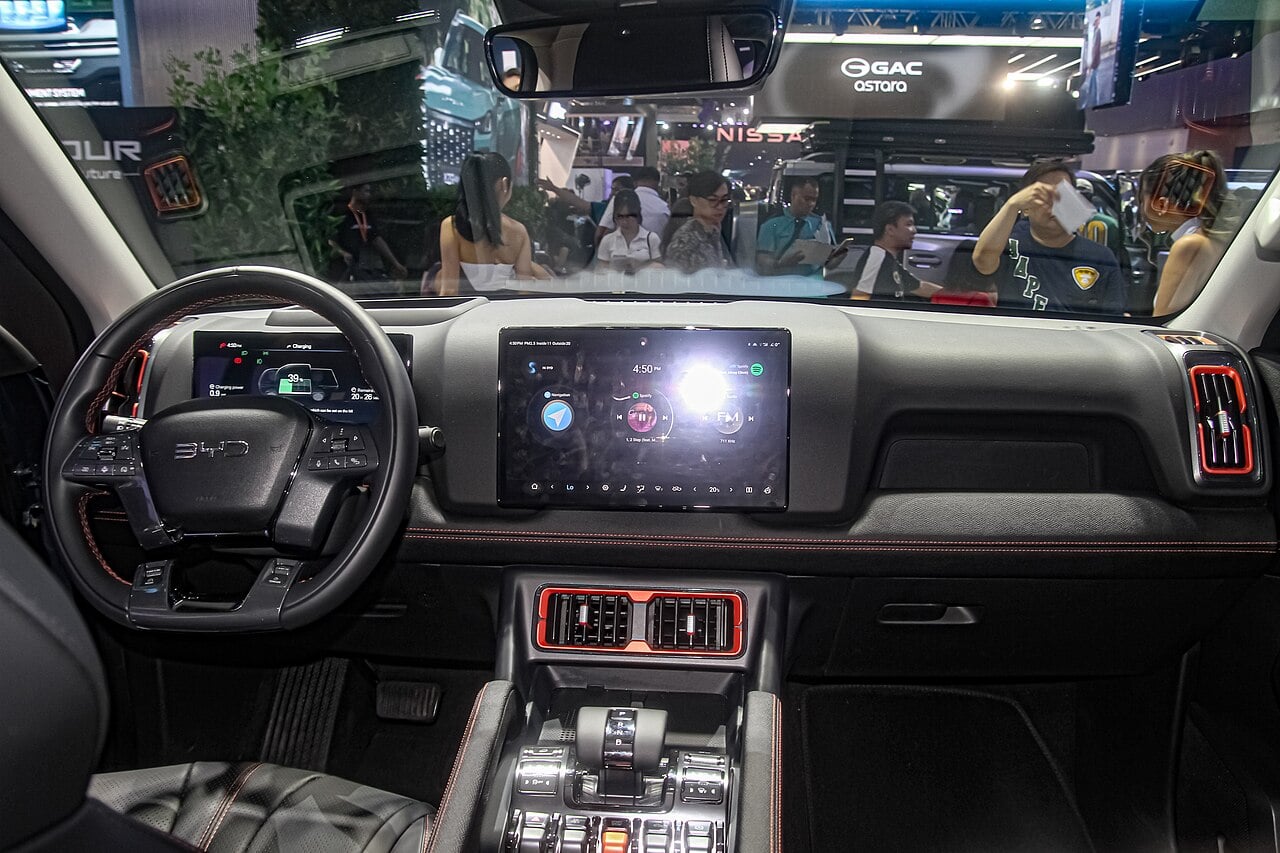
The Shark’s success goes beyond raw figures. It has contributed to BYD’s branding momentum in Australia, helping to fuel broader sales gains across its lineup of plug-in and battery electric models.
With record months in sales share and a rapidly expanding model roster, BYD was able to shift from fringe competitor to mainstream contender in a matter of months. That means challenging historical assumptions about market tastes and brand loyalty.
This disruption is occurring alongside major moves by established manufacturers. Toyota, for its part, is accelerating its electrification strategy, with battery electric and even hydrogen fuel cell versions of the HiLux on the roadmap for coming years.
That trajectory reflects the wider industry push to electrify, to meet both consumer expectations and impending regulatory changes around emissions.
Yet the Shark’s success demands straightforward answers to critical questions about reliability and long-term ownership. The HiLux’s reputation for dependability is measured in decades of hard use under extreme conditions.
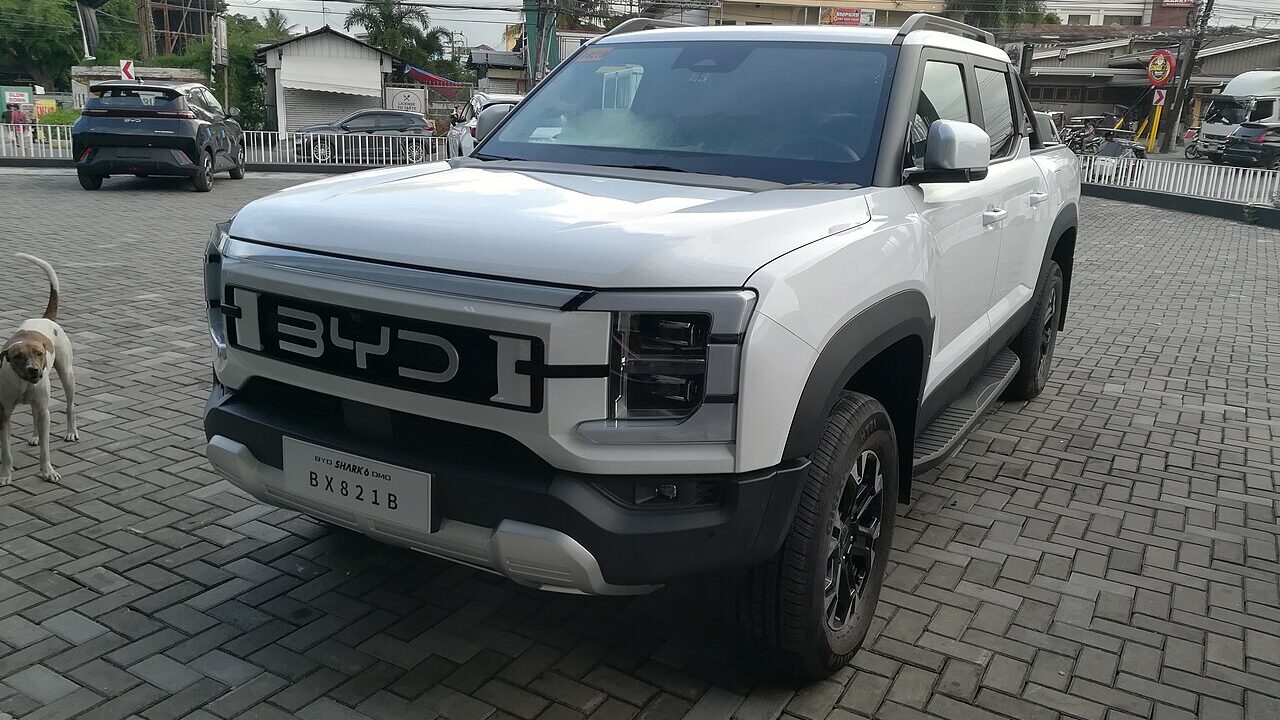
The Shark’s relative youth mean its long-term durability in rugged service remains to be fully proven. In other words, the Shark’s early buyers are taking a leap of faith on a model with a far shorter track record.
A New Era for Australia’s Ute Market
The narrative unfolding in Australia’s ute market is not simply about one model outselling another. The current market realities signal a broader cultural shift in automotive preferences, driven by changing priorities around efficiency, cost of operation and technological innovation.
For a country whose roads are intertwined with the rhythms of labor, leisure and long distances, this shift may have implications far into the future.
The Toyota HiLux will surely remain a formidable presence on driveways and job sites across Australia. The Shark may struggle to match the market performance of an electrified HiLux.
At the same time, the Shark’s ascent represents a turning point that automotive historians may look back on as the moment when electrified vehicles truly entered the mainstream in a segment once dominated by diesel power.
The battleground has changed. The rules of engagement are being rewritten. And the winners will be those who can best adapt to the evolving demands of Australian buyers.