
For most people, war feels distant until it arrives in headlines that sound almost unreal. One of those moments came with reports that U.S. B-2 Spirit stealth bombers carried out 18 round-trip missions from American soil to strike targets in Iran under the paused operation described as “Epic Fury.”
The detail that stands out first is not just the target, but the journey itself.
These were not forward-based strikes launched from nearby carriers or regional airbases. Instead, aircraft lifted off from the United States and flew across continents and oceans, hit their targets, and then returned home.
Each of those missions stretched for more than 30 hours in the air, demanding careful planning, mid-air refueling, and crews trained for extreme endurance.
The Bombers: B-2 Spirit, B-1 Lancer, and B-52 Stratofortress
According to U.S. military briefings, the strikes were part of a wider air campaign involving more than 60 bomber missions in total.

Eighteen of those were the long-haul type that originated from the U.S. mainland. The rest included operations carried out by other strategic bombers positioned closer to the region, including aircraft operating from allied bases.
The bombers involved were part of America’s three main heavy strike platforms: the B-2 Spirit, the B-1 Lancer, and the B-52 Stratofortress. Each plays a different role, but together they form a long-range strike system designed to hit heavily defended targets at great distances.
In this campaign, they were used to strike military infrastructure inside Iran, including air defense systems, missile facilities, drone storage sites, and weapons production centers.
What made the B-2 missions especially notable was their reach. The aircraft flew directly from the United States, supported by tanker aircraft that met them along the route to refuel them in the air.
That logistical chain stretched across vast distances and required precise coordination. Military officials pointed out that few air forces in the world can sustain operations at that scale and range without forward staging.
Thirty Hours of Flight Through Fatigue and Darkness

By the time the missions concluded, officials said the air campaign had struck thousands of targets overall across Iran, as part of a broader effort to degrade military capability during an escalating conflict.
The bomber strikes were described as part of a pressure strategy aimed at disabling command nodes and limiting Iran’s ability to launch coordinated responses.
Behind the technical language and mission counts, the human element is easy to miss.
Each of those 30-hour flights meant two-person crews rotating control of the aircraft, navigating fatigue, darkness, and long stretches over open ocean.
Tanker crews flying alongside them played a quiet but essential role, refueling bombers mid-air in tightly choreographed sequences that kept the mission alive.
The campaign itself unfolded over weeks, with escalating strikes and counterstrikes shaping a tense back-and-forth between regional powers. While officials later reported a ceasefire agreement, they also noted that tensions and isolated attacks continued in parts of the region.
But Why Take the Long, Arduous Route?
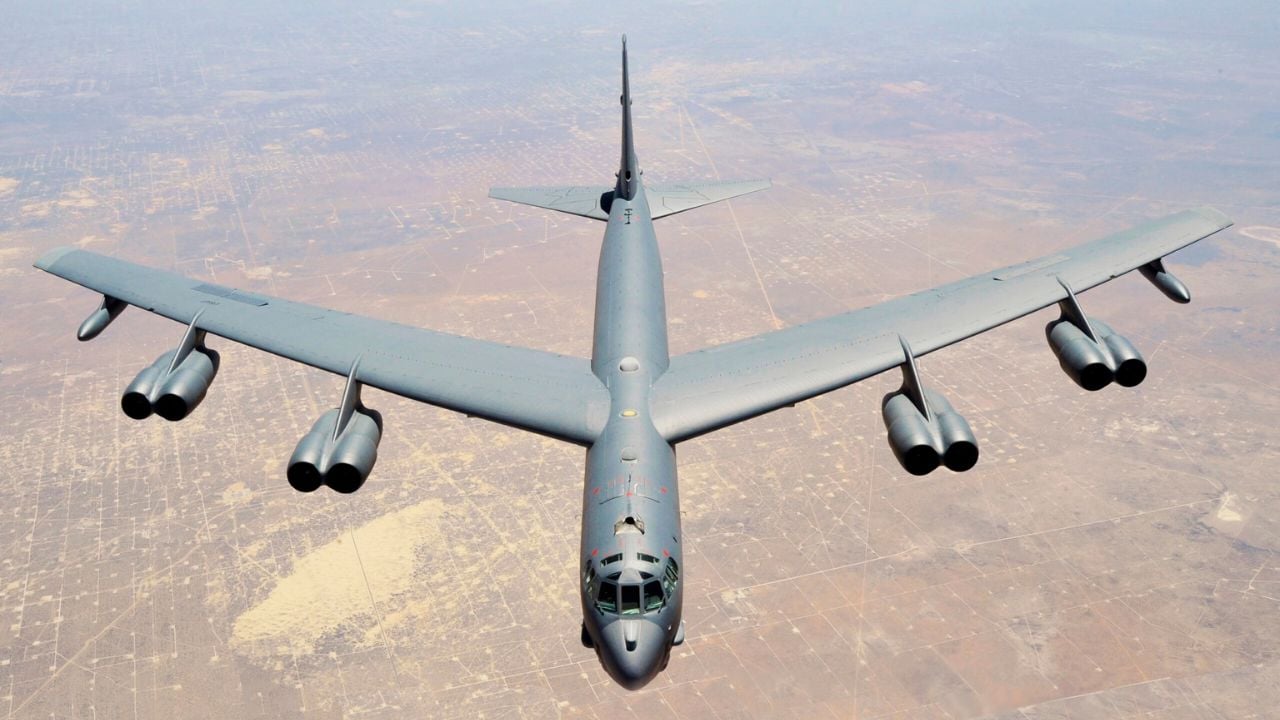
So, why did America choose to do play it long and far? From a military planning perspective, flying the B‑2 missions directly from the U.S. mainland reflects both strategy and signaling.
Forward staging in the region, that is, using Gulf bases or carriers, would have been more efficient, but it comes with risks: vulnerability to Iranian missile retaliation, political constraints from host nations, and the possibility of telegraphing intent too early.
By launching from home soil, the U.S. demonstrated global reach, underscored the survivability of its bomber force, and avoided dependence on regional basing rights that can be politically fragile.
Operationally, the B‑2’s stealth profile is most effective when routes are tightly controlled, and long-haul missions allow planners to minimize exposure to contested airspace.
Strategically, the endurance flights send a deterrent message: America can project power across hemispheres without permission slips or forward bases. In short, the choice was more about projecting independence, resilience, and the credibility of long-range strike capability.
Ultimately, these 18 missions exemplify reach and endurance as much as firepower. It shows how modern air power can operate across hemispheres in a single continuous chain of flight, turning geography into something that can be crossed, refueled through, and crossed again, all within a single mission window.
And for many watching from afar, the most striking detail remains this: bombs dropped in one part of the world, delivered by aircraft that took off from another entirely, then came home after a day and a half in the sky.