Hot hatchbacks are proof that you don’t need a supercar to have a blast behind the wheel. They mix everyday practicality with just the right amount of attitude—compact, agile, and often a lot quicker than they look.
In North America, names like the Golf GTI, Civic Type R, and Ford Focus ST tend to dominate the conversation. But they aren’t the whole story. Over the years, plenty of hot hatches—both sold here and abroad—have flown under the radar while quietly delivering standout performance and big smiles per gallon.
These are the underrated, often overlooked hot hatches that packed a serious punch, and deserve a second look.
Under the Hood of This List

To build this list, we scoured decades of automotive history for underrated, underloved, and often overlooked hot hatchbacks — both those that made it to North America and those that didn’t. These aren’t your typical headline-grabbers. They’re the cars that flew under the radar, but had the power, handling, and personality to rival their better-known peers.
Our research leaned heavily on enthusiast communities, owner testimonials, and respected auto publications. We compared real-world performance stats, drivetrain layouts, power-to-weight ratios, and historical context to separate the truly special from the merely average. Every hatch here has earned its place; not with hype, but with heart, speed, and a legacy that deserves a second look.
Dodge Neon SRT-4

This definitely came as a surprise from Dodge, which hadn’t done something like this since the Omni GLH from the 1980s. The Neon SRT-4 was a response to the booming tuner scene in the early 2000s, and it was a direct competitor to the Honda Civic Si.
Under the hood of the SRT-4 was a turbocharged 2.4-liter four-banger making 215 hp in the initial run, which later became a whopping 230 hp. That kind of power from a FWD car in the early 2000s was pretty major, and the engine was also surprisingly tunable, which led to the inevitable. It’s one of many discontinued Dodge models that we were sad to see go away.
Alfa Romeo 147 GTA

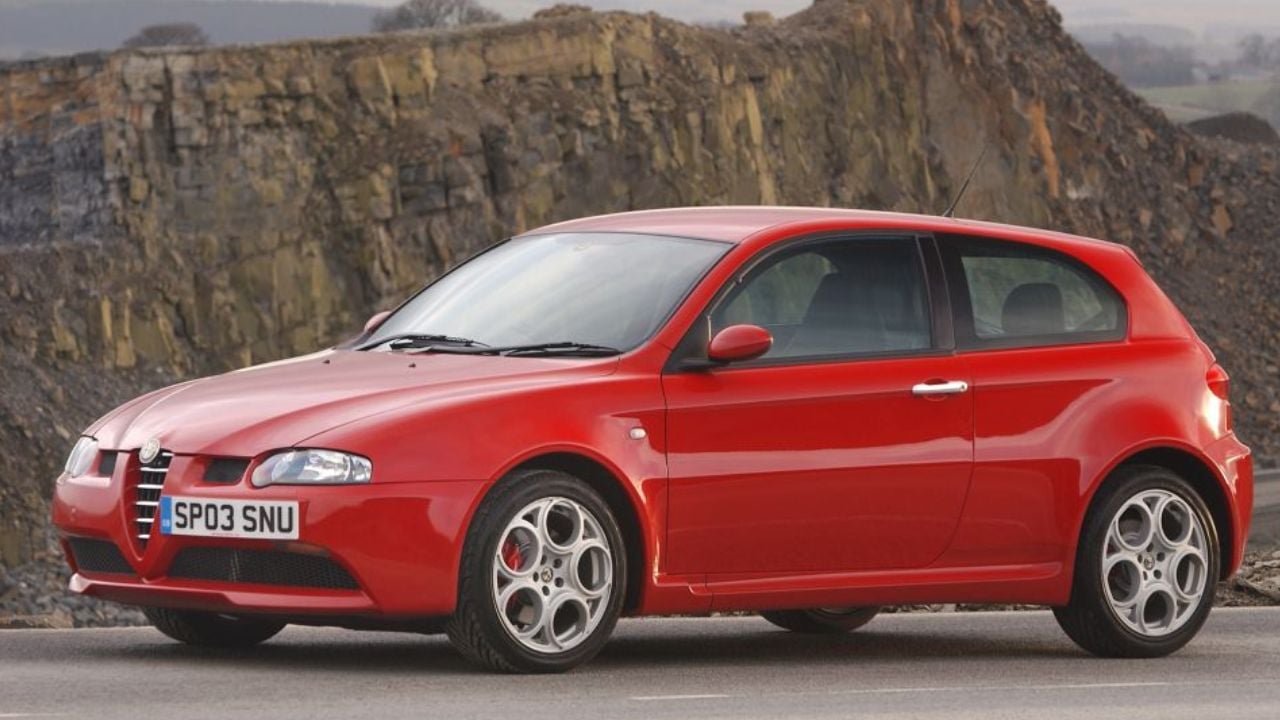
In response to Volkswagen creating a six-cylinder performance Golf with the Mk4 R32, Alfa Romeo released the 147 GTA. Based on the relatively humble 147 hatchback, the GTA was packing a punch under the hood.
The 3.2-liter Busso V6 and its chrome exhaust manifold awaited below the hood, and it dispatched a thumping 250 hp to… the front wheels. Alfa also forgot to bother with proper drivetrain upgrades, and it resulted in a great straight-line car, but a really scary one in the corners.
Volkswagen Golf 2.8 V6
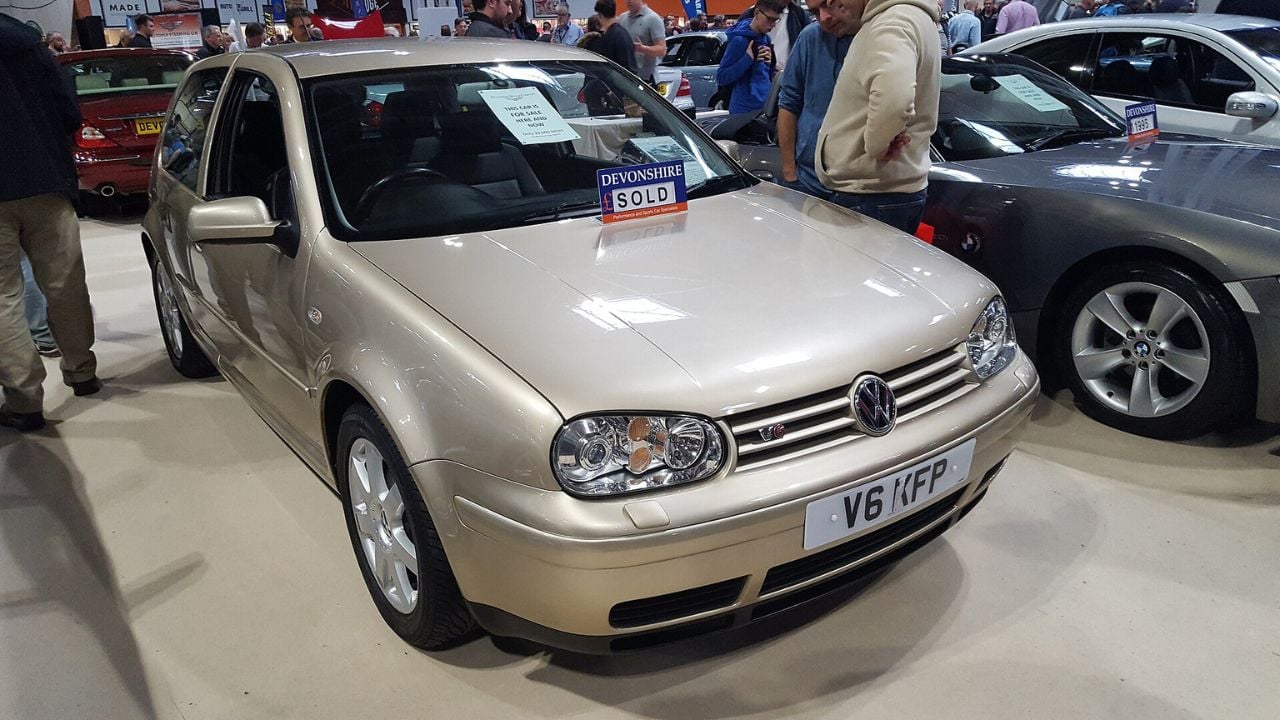
Everybody knows and loves the Golf R32, but Volkswagen also created a kind of reduced-fat version for the Mk4 generation. The top of the Golf lineup outside the R32 was the Golf 2.8 V6 4Motion. No prizes for guessing what each part of the name stands for.
Though called a V6, the VR6 is a narrow-angle engine with a single head, giving it a unique character. It may have been heavier at the nose, but to most onlookers, it was just a regular Golf. If they were in a base model Civic, they didn’t stand a chance.
Seat Leon Cupra VR6
volant.tv/YouTube.
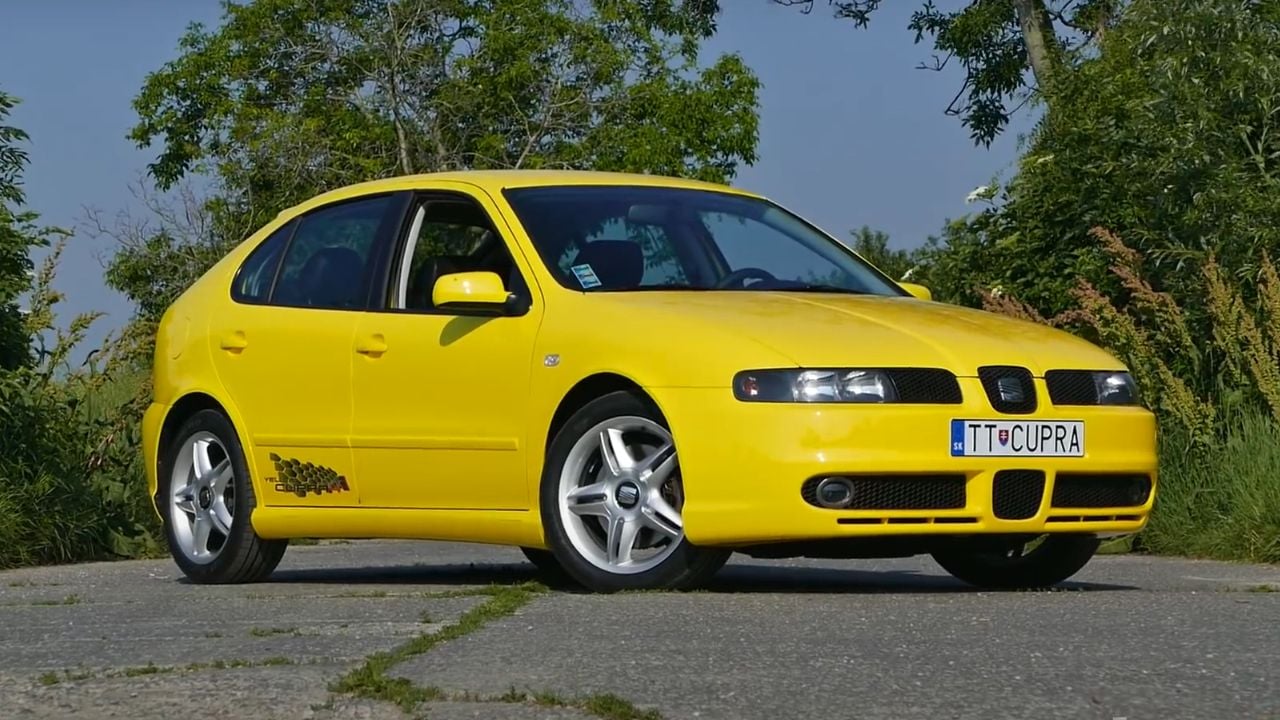
In the late 90s and early 2000s, Volkswagen wanted to give all of the brands under its roof a slice of the VR6 pie. This included budget-focused Seat, which offered, for a little while, a VR6 version of the hot Leon Cupra.
The Mk1 Seat Leon Cupra was a pretty good hot hatchback from the get-go, but with a VR6 engine, it became special. Again, it was heavier at the nose, but it was very fast and produced a wonderful noise, not to mention the extra grip thanks to the AWD system. This is by far the rarest version of the Mk1 Leon Cupra, and we’re sad that VW didn’t give this concept a second chance. A classic example of a boring car transformed by a new engine.
Chevrolet Cobalt SS
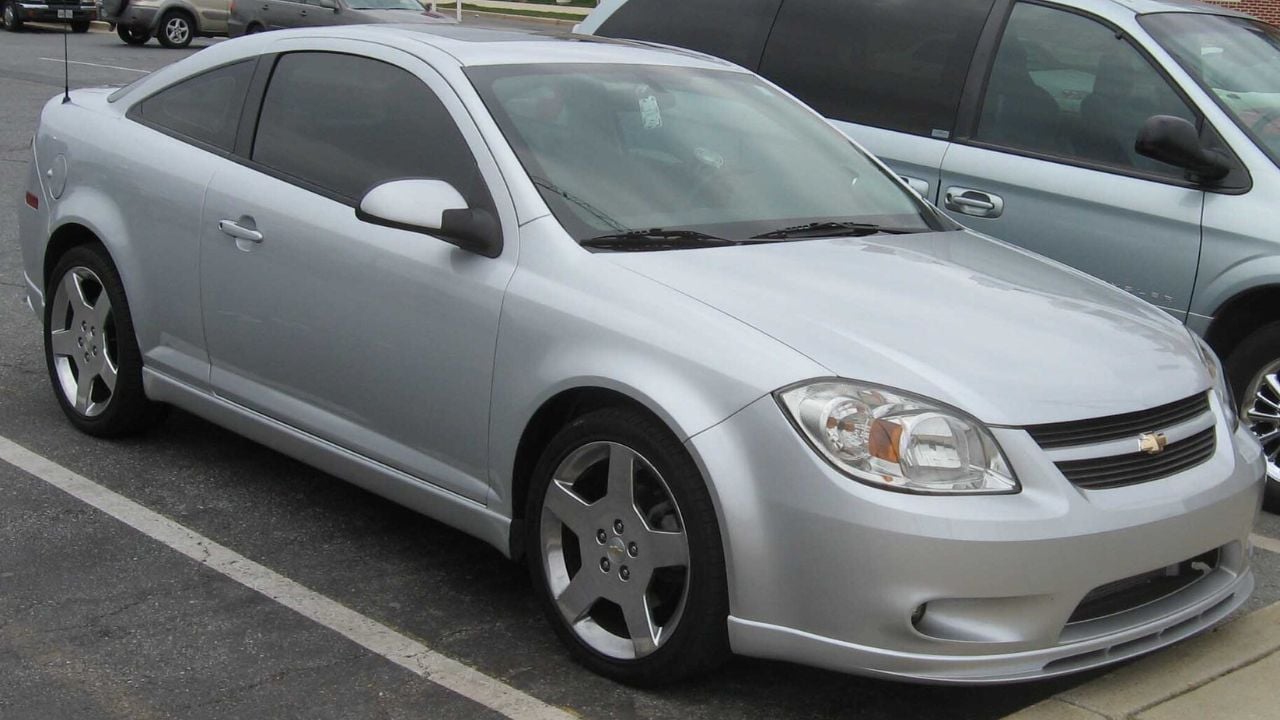
Not wanting to be outdone by Dodge, Chevy joined the fast compact car craze in the mid-2000s with an SS version of the humble Cobalt. The Cobalt wasn’t really anything to write home about, but the SS proved to be a serious contender in the hot hatch world.
The earlier Cobalt SS models had a supercharged four-cylinder, while the late models moved to turbocharging. Towards the end of the run, the Cobalt SS put out 260 hp, a figure that gave almost every hot hatch of the time nightmares. For those who grew up with Need for Speed: Most Wanted, this car has a special place in their hearts.
Mazdaspeed3
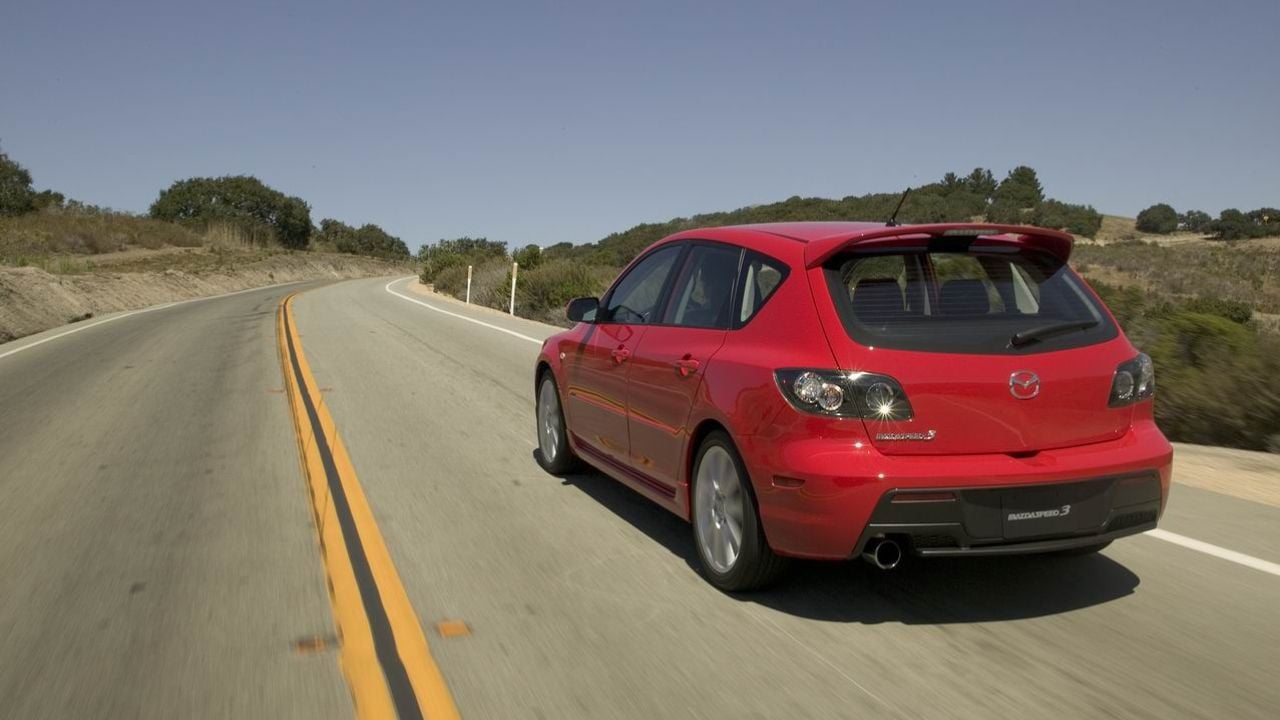
Also known as the Mazda 3 MPS in other markets, the Mazdaspeed3 is one of the most well-known cars from Mazda’s sadly defunct performance division. Mazdaspeed was to Mazda what AMG is to Mercedes, and the ‘Speed 3 did not mess around.
Under the hood was a comparatively massive 2.3-liter turbo four cylinder making an obscene 263 hp, which bested all of its competitors both in North America and in Europe. While all that went to the front wheels, Mazda was able to make it work with stellar chassis engineering. Everyone stopped talking about both generations of the Mazdaspeed3, and it’s finally time they got more love. It’s a perfect Japanese hot hatch for track days.
Opel Astra OPC

Speaking of defunct performance divisions, Opel’s OPC (and Vauxhall’s VXR) arm is now history, in favor of the less exciting and PHEV-focused GSe brand. The final generation of the Astra OPC was based on the Astra J GTC, so that’s the styling department more than sorted.
That was not all. The final Astra OPC pushed 276 hp from its turbocharged 2.0-liter four pot, making it one of the points after which the quest for 300 hp hot hatchbacks began. Dramatic styling, a mandatory manual transmission, and excellent engineering made the Astra OPC a cracking hot hatchback. Due to Opel’s so-and-so reputation, however, everyone seems to have forgotten about it.
Peugeot 308 GTI

One of the last Peugeot models to wear the GTI badge, the 308 GTI used the excellent second-generation 308 as a starting point. On the outside, it was pretty clear that this was a serious car, with various flashes of red along with more aggressive wheels and bodywork.
Boy, was it serious. Under the hood was a 1.6-liter turbo four, also used in stuff like the Mini Cooper S. In the 308 GTI, it made 270 hp, and even though that went to the front wheels, this was a great handling and speedy hot hatch. It has remained mostly forgotten nowadays, which is a shame. It was even available with a two-tone exterior initially!
Renault Megane RS R26.R

As part of the industry-wide hot hatch comeback in the 2000s, Renault decided to throw its hat in the ring with the second-generation Megane RS. Based on that, the RS packed 230 hp from its 2.0-liter turbo four, amusingly designated the F4RT. That went to the front wheels through a mandatory six-speed stick.
The R26.R was a extreme version that was all about track performance and weight savings, stripping out things like the rear seats and replacing the regular sheet metal hood with a carbon fiber item. This helped it to achieve the FWD production car Nurburgring record in 2008.
Volvo C30 T5 R-Design
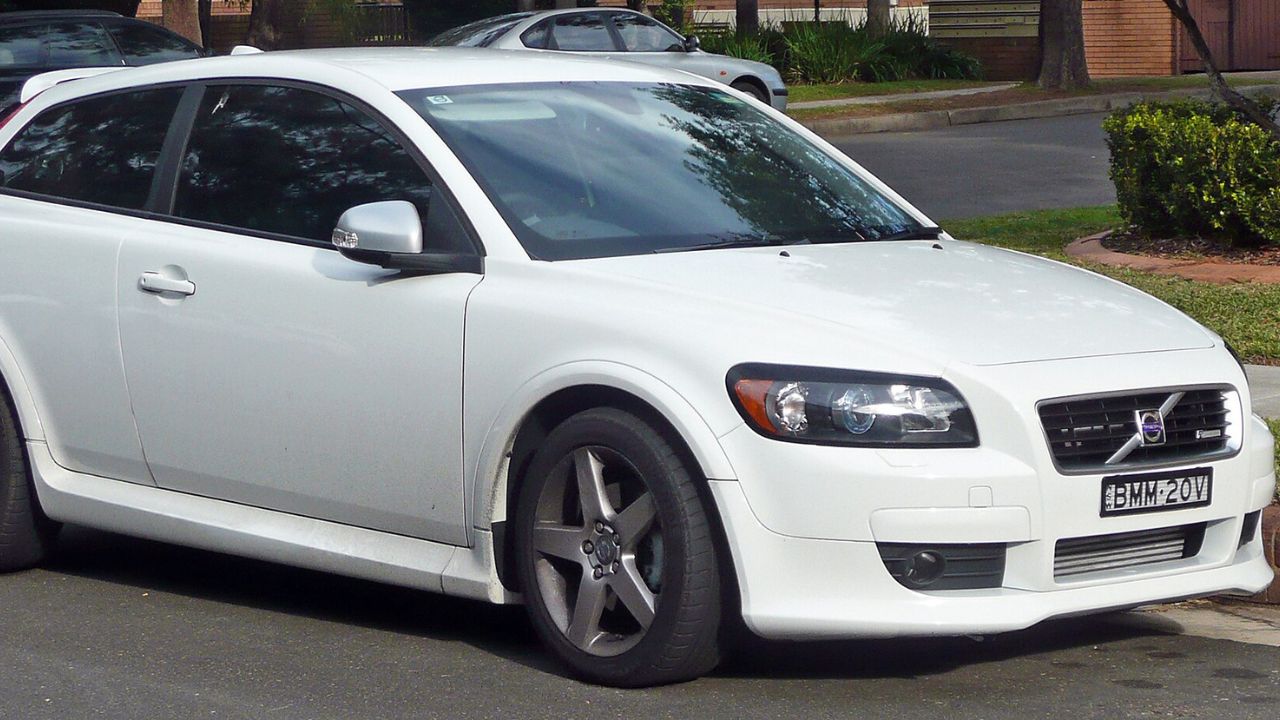
For those who appreciate more subtlety, but still want a fiery hot hatchback with performance that can embarrass a contemporary Golf GTI, the Volvo C30 T5 R-Design is here to save the day. This was the top of the line version of Volvo’s very pretty C30.
Despite the car retaining its Scandinavian sophistication, it also packed a punch. A 2.5-liter five-cylinder turbo engine dispatched 230 hp to the front wheels through a six-speed manual or a six-speed automatic transmission. This meant fantastic noises and a great drive, if just a little bit more grown-up.
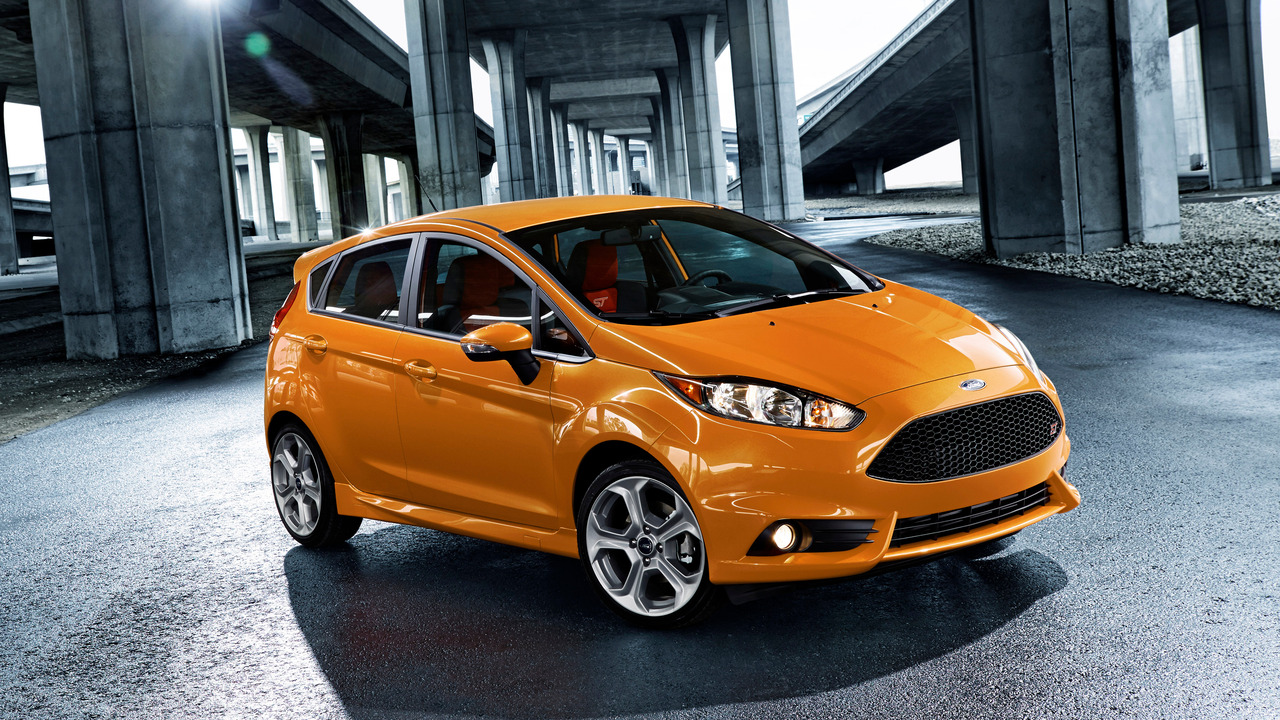
Ford Fiesta ST
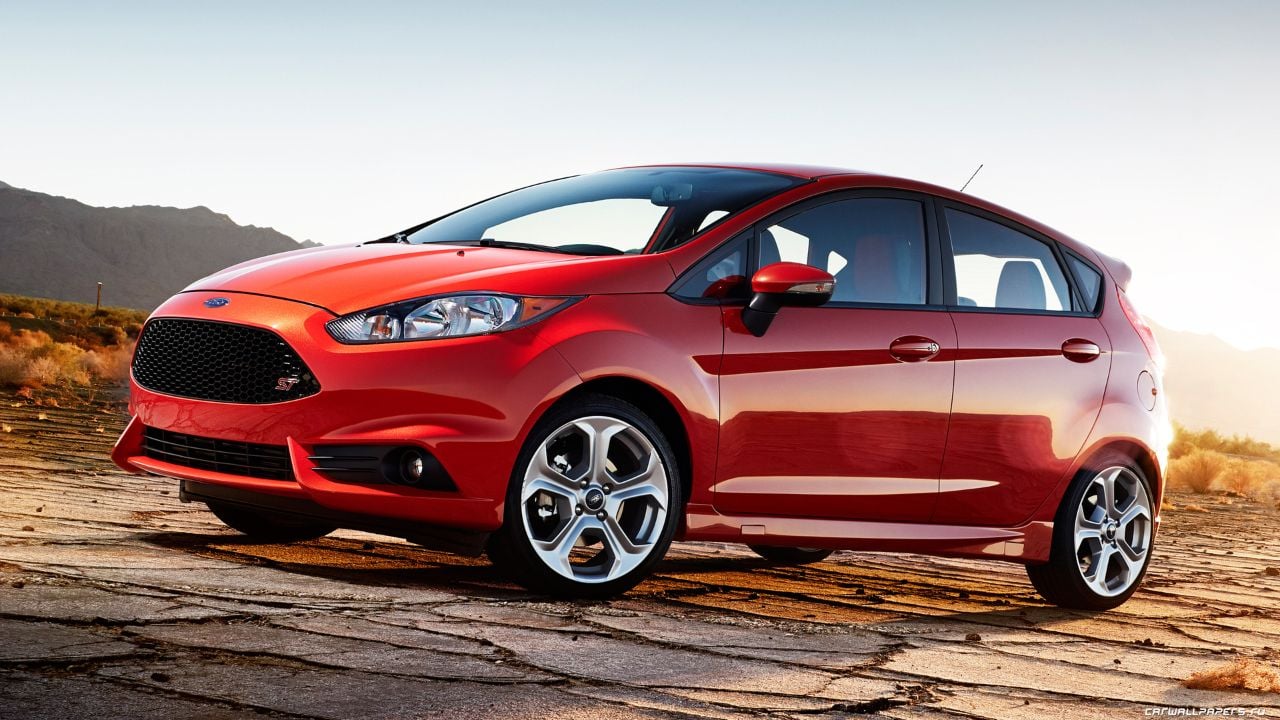
It’s hard to believe a car this small could deliver such a big grin, but that’s the magic of the Fiesta ST. This pocket rocket proved that you didn’t need big power or a luxury badge to have real fun on twisty roads.
With a 1.6-liter turbocharged engine pushing out 197 hp, a slick six-speed manual, and a chassis that begged to dance, the Fiesta ST became a darling of car magazines and driving enthusiasts alike. It was light, eager, and surprisingly refined for what was essentially an economy car turned track toy. These days, it’s an affordable entry into the world of true hot hatchback thrills.
Mini Cooper S (R53)
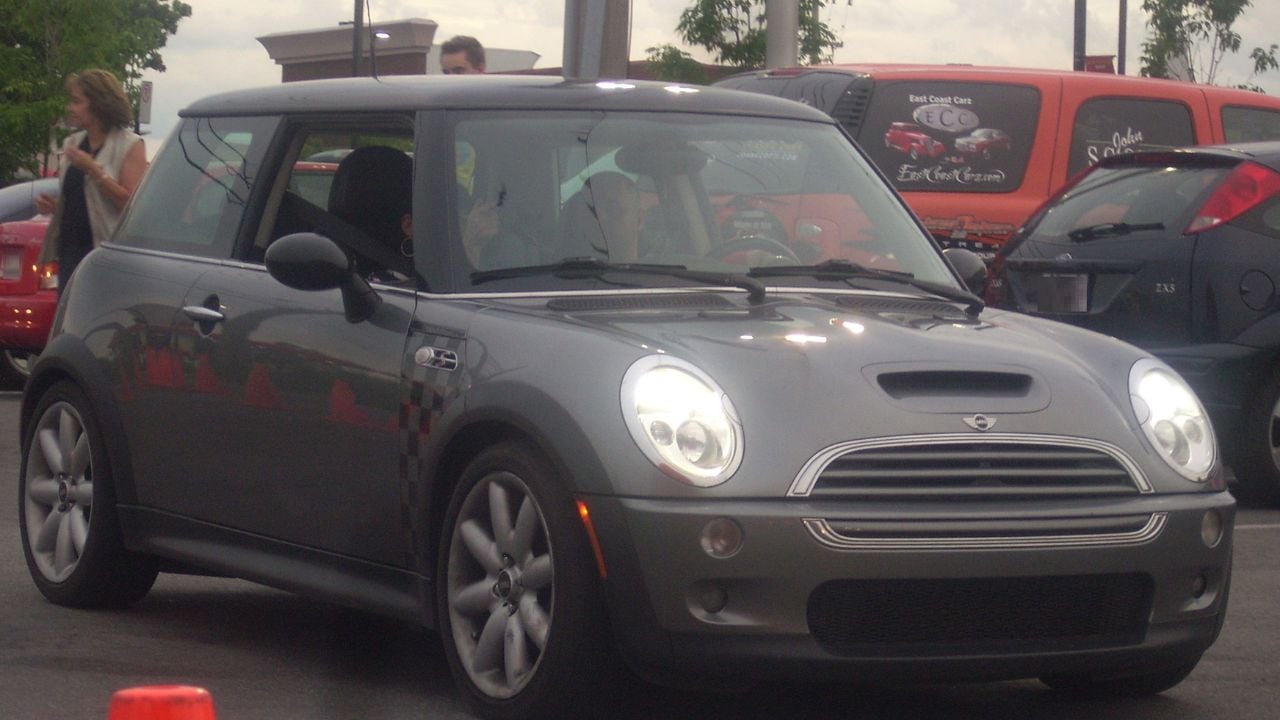
The early 2000s saw BMW revive the Mini brand, and the very first Mini Cooper S of this era (chassis code R53) did not disappoint. Sold from 2002 to 2006, this version is especially notable because it came supercharged, not turbocharged.
Its 1.6-liter four-cylinder with an Eaton blower made just 163 hp, but it weighed practically nothing, and the go-kart-like handling made every drive feel like an event. Pair that with a six-speed manual, cheeky styling, and a surprisingly upscale interior, and you’ve got a car that still holds its own today. If you’re looking for a hot hatch with a strong personality and a bit of Euro flair, this one’s worth rediscovering.
Ford Focus ST (Mk3)

Before the RS came back in a blaze of turbocharged glory, the Focus ST was already doing the heavy lifting in Ford’s performance lineup. The third-generation Focus ST, sold in North America from 2013 to 2018, was an aggressive alternative to the VW GTI—and often cheaper, too.
With a 2.0-liter EcoBoost engine pushing out 252 hp and 270 lb-ft of torque, this front-wheel-drive hot hatch had serious muscle. It was rawer than the GTI, rowdier in the corners, and came only with a manual gearbox—because that’s how a proper hot hatch should be. It’s still overlooked today, but for drivers who miss the analog experience, it’s a steal on the used market.
Don’t Just Drive: Discover
If you’re cruising into the twilight years of your driving journey—or sharing the road with the next generation—it’s worth knowing these hidden hot hatches. They’re not just cars; they’re chapters of automotive history with personality, pizzazz, and real-world thrill.
So next time you’re out shopping—or just daydreaming in the driveway—remember: the classics aren’t the only heroes. These under-the-radar hot hatches are waiting to surprise you. And who knows? One might just be the ticket to rediscovering the sheer joy of driving.