Sometimes I’m just baffled. If I put a swear word here, there’d be at least two editors who would catch it before this article was published. Yet these cars were discussed in boardrooms (somehow positively), little models were made of them, then life-size prototypes, designers and engineers worked on them, they were tested, and then they were allowed to be rolled off the assembly line with advertisements and all. Huh!?
Yeah, we’re talking about some of the worst automotive abominations in history. Real stinkers that looked terrible, performed terribly, and made me so, so curious what researchers and “experts” were saying in those board rooms to get millions invested in them. Because I feel like I need those people to convince a bank to give me $1 million.
These flops taught the auto industry lessons the hard way, often costing more than just sales figures. They pushed limits, but not always in the right direction. If you’ve ever wondered what happens when ambition overtakes execution, you’re about to find out.
When Bad Ideas Hit the Assembly Line
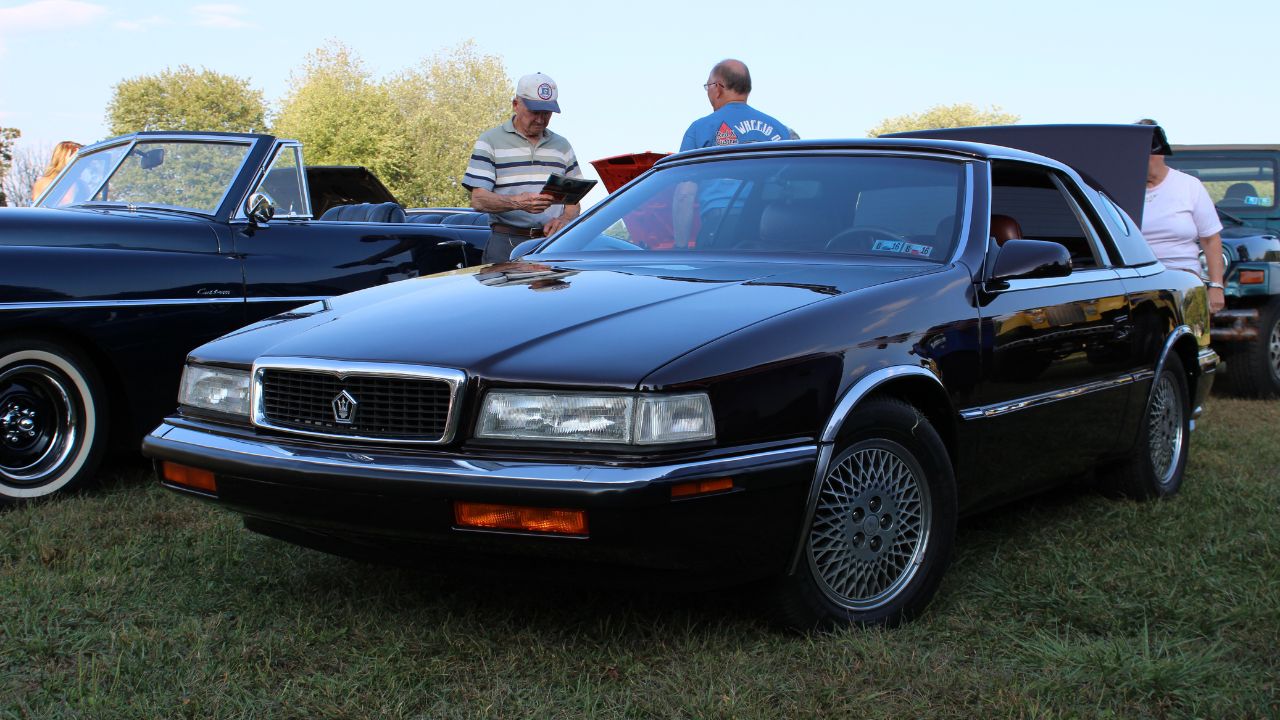
If you asked any of us at Guessing Headlights to name the car we felt was the ugliest or most disappointing, we’d all have an immediate answer ready to go. I’m paid to be a professional hater after all. But this isn’t really about my opinions (I’ve had plenty of time to share those) — this is about how the general public reacted to these car models.
Each car in this list earned its dubious place through a combination of poor design, mechanical faults, or misguided intent that left a lasting dent in the industry’s collective memory. We focused on vehicles that failed commercially and critically, struggling to deliver on basic expectations of quality, safety, or even logic. Styling missteps alone didn’t qualify a car (otherwise half the 80s would be on here), but when paired with reliability concerns that made a 1970s British sports car seem dependable, or construction so questionable it felt genuinely dangerous, the flaws became impossible to ignore.
Driver experience played a major role; cars that felt unfinished, unrefined, or utterly uninspired all stood out like a sore thumb at a car show. Reputation over time mattered just as much as initial reception, especially when a model became a warning sign for what not to build. Every car here crossed a clear line between boldness and bad judgment. This isn’t just a list of unpopular cars; it is a masterclass in how spectacularly things can go wrong when design, engineering, and purpose lose their connection. Prepare for some automotive schadenfreude.
Pontiac Aztek

Introduced in 2001, this crossover aimed to redefine versatility but ended up confusing nearly everyone with its puzzling proportions and lines that seemed to go in three different directions at once. From the multi-level nose (was it a sedan, an SUV, a minivan, or just ugly?) to the protruding rear, it looked more like a concept sketch that escaped the editing room before anyone could hit “delete.” The interior was surprisingly functional, with features like a camping-ready setup (tent and air mattress included, maybe to make up for the looks) that showed real imagination.
However, the execution felt clunky rather than clever. Buyers struggled to understand the visual language, and sales never reached GM’s ambitious targets (they wanted 75,000 annually, but only hit around 27,000 in its best year). Still, it dared to offer something different in a sea of safe, bland designs. The Aztek left a mark (usually on your eyeballs) and later found a second life through pop culture (thanks, Breaking Bad, for showing us what a mental breakdown car purchase looks like!). For better or worse, it always started a conversation. A very confused conversation.
Yugo GV
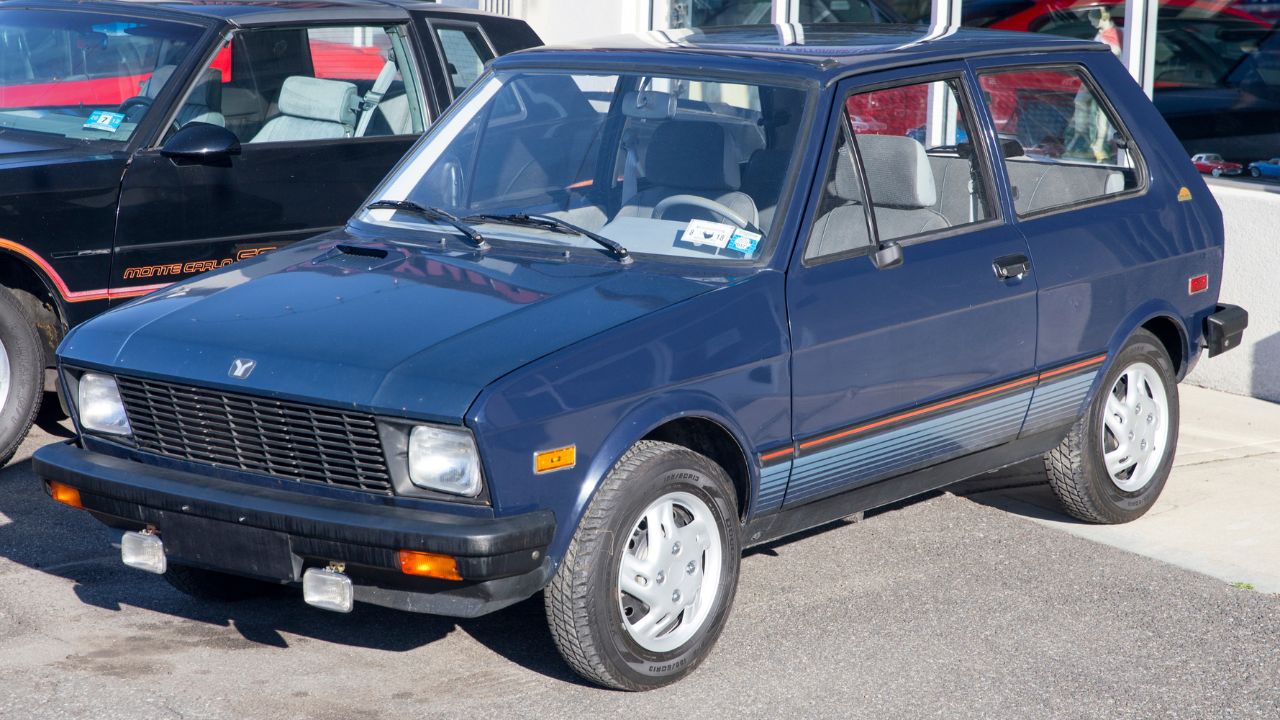
Imported to the U.S. in 1985 with hopes of offering extreme affordability, the Yugo GV quickly became the face of bargain-bin motoring. Priced at a laughable $3,990, it was cheaper than some performance bicycles (and you’d be better off with those, honestly). The styling resembled something from a decade earlier, and the fit and finish rarely inspired confidence, unless your confidence was in its ability to fall apart. Drivers often described it as more of a project than a product, a four-wheeled IKEA furniture kit that came without instructions.
Yet, for those who needed basic transportation at the lowest possible cost, it technically met the need… if “the need” was frequent roadside assistance. It inadvertently taught a generation how to keep a car running with creativity, duct tape, and a lot of patience. Maintenance might have been frequent, but parts were simple and accessible, mostly because you could usually just pull them off a non-running one down the street. In a way, the Yugo created its own subculture of survivors, proving that even the most humble vehicle can find its dedicated (and slightly unhinged) fans. It was the ultimate “you get what you pay for” lesson, delivered in 45 horsepower.
Ford Pinto
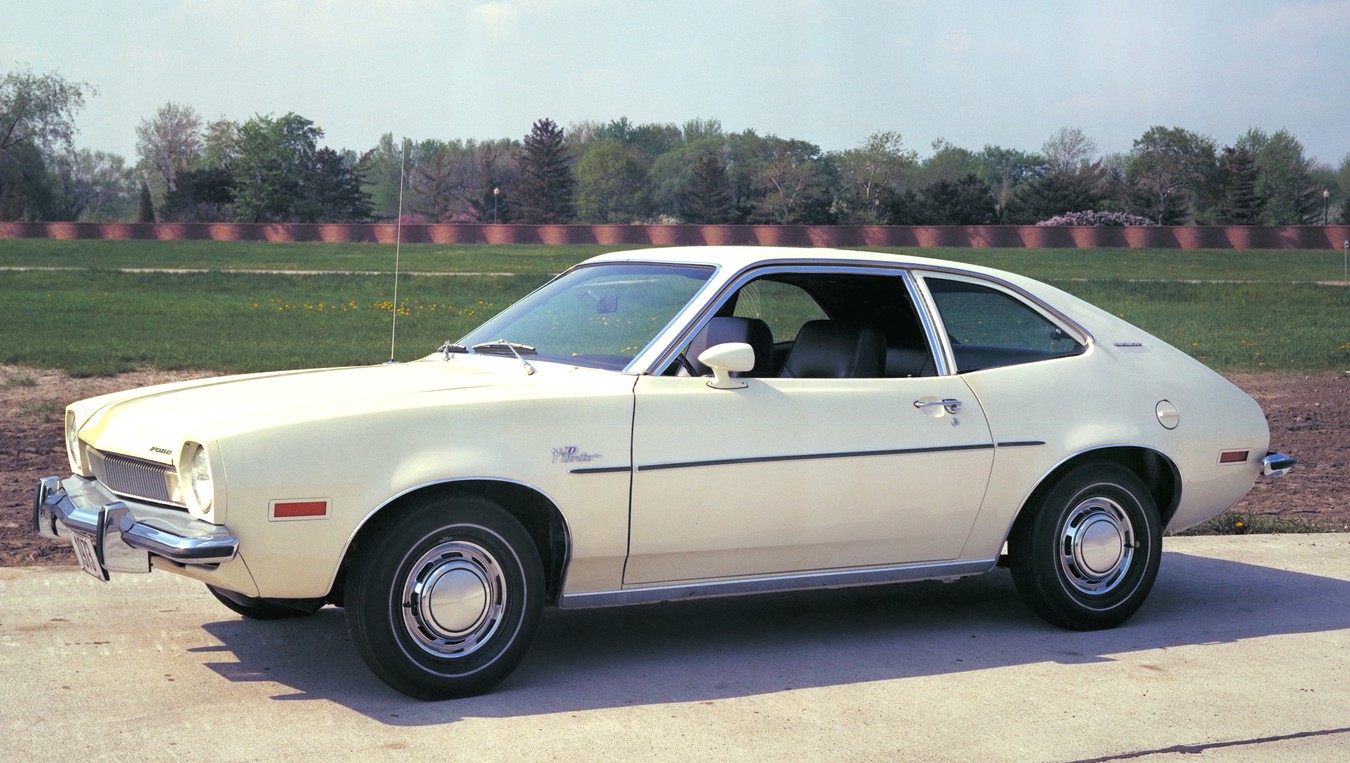
The Ford Pinto, launched in 1971, was built to compete in a changing market where small, fuel-efficient cars began gaining attention. Its shape followed the trends of its time, and its size made it practical for urban use. Unfortunately, concerns about rear-impact safety overwhelmed its reputation and turned it into a rolling punchline. Ford’s alleged prioritization of profits over safety (a now-infamous $11 vs. $209 million cost-benefit analysis for a fuel tank fix) became one of the most cited examples in automotive safety debates and business ethics.
Still, the Pinto showed Ford’s willingness to experiment with compact formats. Many owners (who somehow avoided becoming statistics) appreciated its affordability and agility in tight spaces. It started with good intentions, but history judged it for what came after the crash tests. It’s the car that taught us not to trust an accountant’s safety assessment. Even though Ford basically was willing to roast its drivers alive to save $11 per car, we still love Ford, a toxic relationship worthy of a Netflix mini-docuseries.
Chevrolet Vega

The Chevrolet Vega, introduced in 1970, rolled out with bold expectations and a sleek appearance that made it seem like a winner. It had presence, a confident stance, and a price that drew crowds as GM’s answer to Japanese imports. Over time, however, it struggled with quality and durability so profoundly that it became a cautionary tale for the ages.
Rust resistance was so poor that some cars showed signs of corrosion on the showroom floor. The innovative aluminum-block engine (developed with Reynolds Aluminum) was prone to overheating, oil consumption, and catastrophic failure due to cylinder bore issues. It was an engineering marvel, just not a durable one.
Yet, in its prime, the Vega was praised for its modern styling and accessible feel. It had the looks to succeed, even if the staying power faded faster than a politician’s promise. It proved that you can’t polish a turd, especially if that turd is already dissolving into iron oxide.
Triumph TR7

With a bold, wedge-shaped body and ambitious styling, the Triumph TR7 tried to bring British flair and a “shape of things to come” attitude to a broader market, particularly the U.S. The design made a distinct statement and looked like nothing else on the road, which wasn’t always a compliment. Like I’ve noted before, there was a war to save the United States from cars like this.
Unfortunately, the mechanical experience rarely matched the visual promise. Reliability concerns and inconsistent build quality, inherited from its British Leyland parentage, followed it throughout its run. Owners often joked that “the TR7 is a reliable car, it’s just reliable at breaking down.”
But the TR7 did something few cars dared: it challenged tradition with sharp lines and a futuristic attitude in an era of more curvaceous designs. For drivers craving something offbeat, it still offered moments of questionable joy. Even when it stumbled, it did so while reaching for something different. It was the brave, stylish attempt that unfortunately became a poster child for British Leyland’s industrial issues.
AMC Pacer

The AMC Pacer embraced the idea of openness and visibility, with unusually wide glass areas and a rounded, bubble-like shape that completely broke from the angular norms of its era. It looked playful and futuristic, a fishbowl among boxes, or as some called it, “the flying greenhouse.”
Though the intention was fresh — even groundbreaking, with its asymmetrical doors (the passenger door was longer for easier rear access) — the reality fell short when practicality and performance entered the picture. It was heavy for its size (over 3,000 lbs in a compact car), and the driving experience felt uneven, thanks to its antiquated straight-six engine trying to haul all that glass and steel.
However, it made people smile (or scratch their heads) and showed AMC’s creative spirit in full force. In a world of rectangles, the Pacer went with curves, and an astounding 37% glass-to-body ratio. That alone earns it a place in automotive memory. It was famously featured in Wayne’s World, proving that even automotive oddballs can achieve cult status. It was bold, it was weird, and it certainly wasn’t boring. But being weird doesn’t mean people are willing to pay — if that were the case, we’d all have tickets to the next furry convention.
Bricklin SV-1

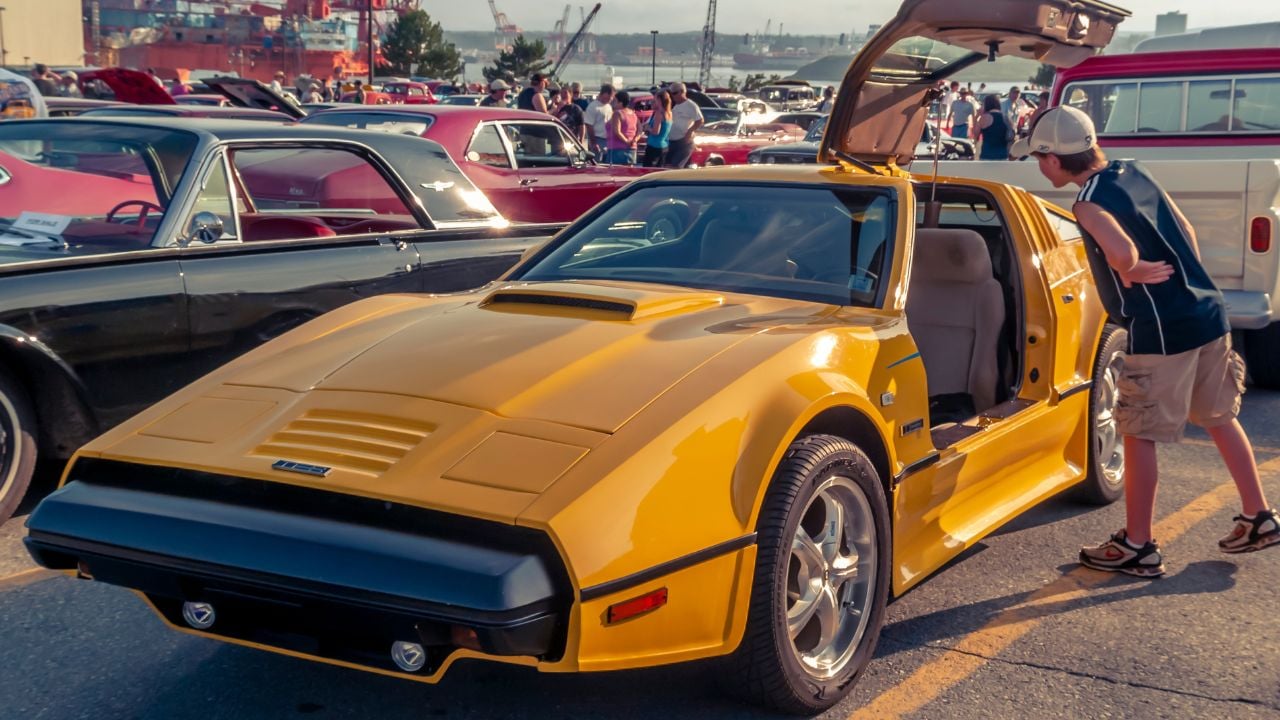
This Canadian-built sports car, the Bricklin SV-1 (Safety Vehicle-1), promised safety and style in a single, futuristic package when it debuted in 1974. With its striking gullwing doors, composite body panels, and built-in roll cage, it turned heads wherever it appeared. Its creator, Malcolm Bricklin, aimed to build a truly safe sports car. The reality, however, included massive production struggles, uneven quality, and hydraulics for those famously heavy gullwing doors that often failed, trapping occupants inside or outside. It literally failed at the only thing that would have been a selling point for this unappealing experiment.
Owners found charm in its uniqueness, though they often faced challenges with reliability and the sheer weight of those doors. Still, the SV-1 reflected a big dream, one that dared to rethink the performance car from a different angle, complete with its Ford 351 Windsor or AMC 360 V8 engine.
It brought imagination to life, and that kind of boldness deserves admiration. Even its flaws felt handcrafted, especially when you were trying to manually open a 100-pound door in the rain. Only around 2,854 were built over two years, showing that just because something looks sorta cool doesn’t mean it can escape all its flaws. We already have tons of rom-com films about this, I’m pretty sure, so we didn’t need a massive car failure to drive home this point. But alright.
Cadillac Cimarron

Designed to compete with imported luxury sedans from BMW and Mercedes-Benz, the Cadillac Cimarron missed its mark by offering a badge without the expected experience. Underneath, it shared nearly everything with the much more basic Chevrolet Cavalier (and Pontiac J2000, Oldsmobile Firenza, Buick Skyhawk), save for a slightly softer suspension and a few extra bits of chrome.
The luxury feel never fully arrived; it was sort of like that ill-fitting tuxedo you rented for junior prom. The interior aimed high with leather, but the ride and presentation remained closer to economy than elegance. It was essentially GM’s attempt to fool you into paying double for the same car.
Yet, the attempt showed Cadillac’s urgency to adapt to new market pressures, albeit poorly. It served as a stark lesson in brand identity and what happens when it becomes stretched so thin it snaps. Some collectors still value its rarity (for all the wrong reasons) and the story it tells — a cautionary tale of what happens when you try to sell a ham sandwich as haute cuisine. It didn’t just hurt Cadillac; it made people question what “luxury” even meant. Well, it was definitely not this thing.
Daewoo Lanos
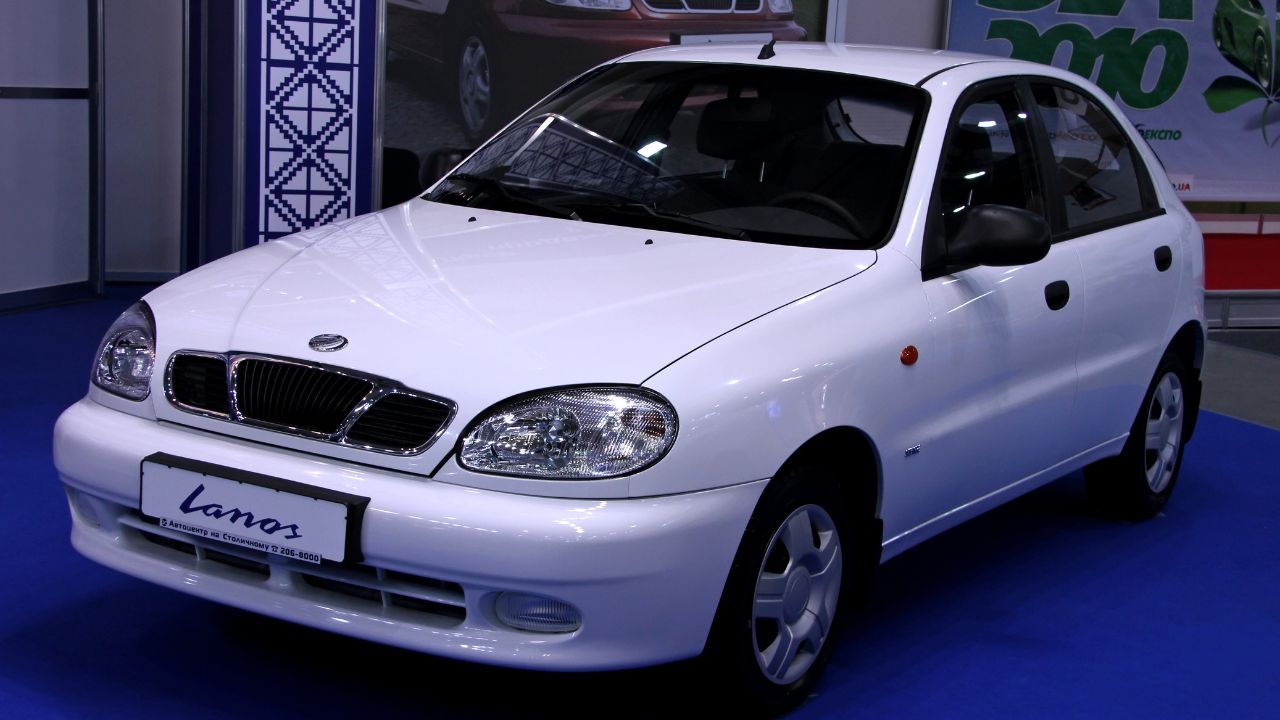
The Daewoo Lanos entered the U.S. market in 1999 with a promise of simple, affordable transportation, but it arrived in a sea of better-built competitors from Japan and even other budget brands. Its styling blended into the background without much identity, designed by Giorgetto Giugiaro, but somehow lost all flair in translation. The materials inside lacked the refinement even budget shoppers hoped for, feeling more like recycled milk jugs than automotive plastics. Handling felt vague, as if the car itself wasn’t sure where it wanted to go, and long-term reliability became a frequent concern.
Still, the Lanos offered an entry point for buyers who needed mobility above all else. It came with a price that invited first-time drivers and students, and for a while, it found its place in parking lots everywhere. The value proposition was real, even when quality took a back seat to cost-cutting. In its own modest way, the Lanos showed how far simplicity could stretch before it started to fray, usually around the transmission. Or maybe it showed how sad the economy is, with many families subjecting themselves to the Lanos out of desperation.
Chrysler TC by Maserati
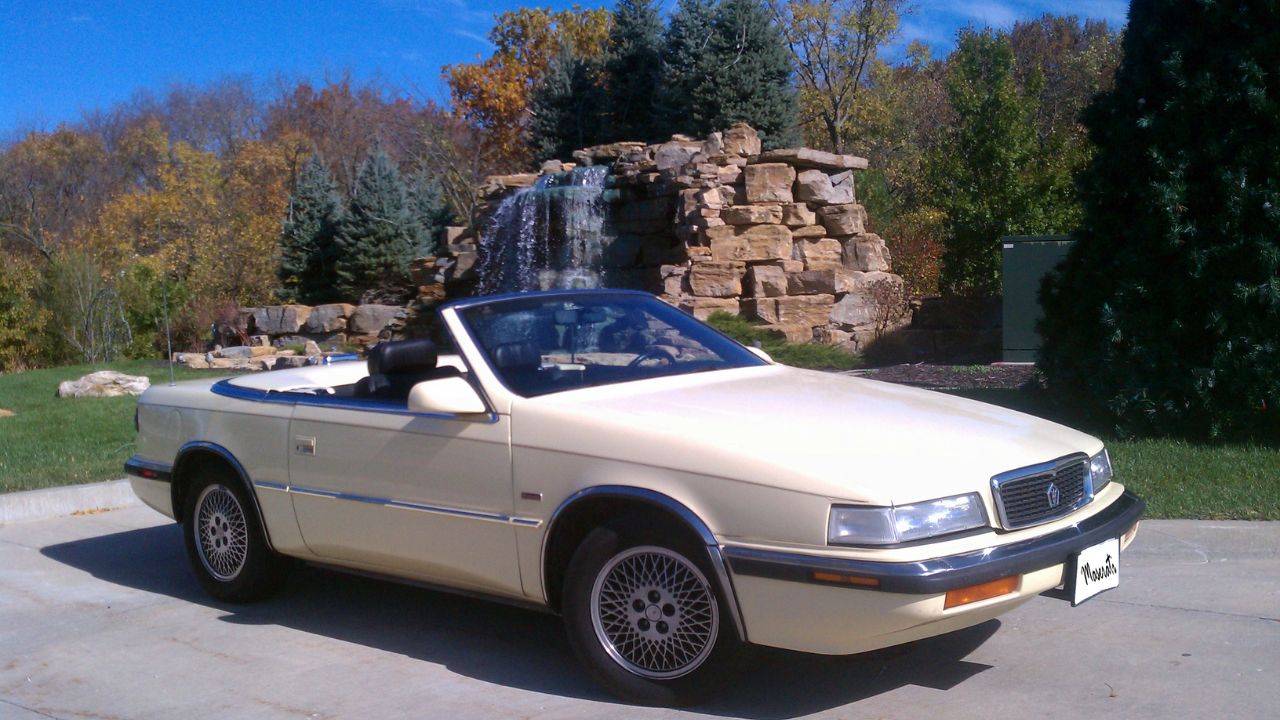
This transatlantic collaboration sounded like a dream on paper — a fusion of American comfort (or what Chrysler considered comfort) and Italian flair (or what Maserati used to be known for). The Chrysler TC by Maserati, unveiled in 1989, was the brainchild of Lee Iacocca and Alejandro de Tomaso, two automotive titans. What arrived, however, looked underwhelming, borrowing too much from the standard Chrysler lineup (LeBaron convertible) and offering too little of Maserati’s magic. The proportions felt unsure, and the luxury promised never fully appeared in the final product. It was essentially a fancy LeBaron at triple the price ($33,000, then later $37,000).
Still, the idea was daring, and some features, like its unique head (designed by Maserati) and Italian leather interior, carried real craftsmanship. It gave both brands a chance to explore new territory. The result may not have soared — or even left the ground (only 7,300 were sold over three years, instead of the projected 10,000 a year), but it left behind one of the more fascinating side notes in automotive storytelling. It proved that sometimes, even a great idea can get lost in translation, especially when that translation involves K-Car platform sharing.
Renault Alliance
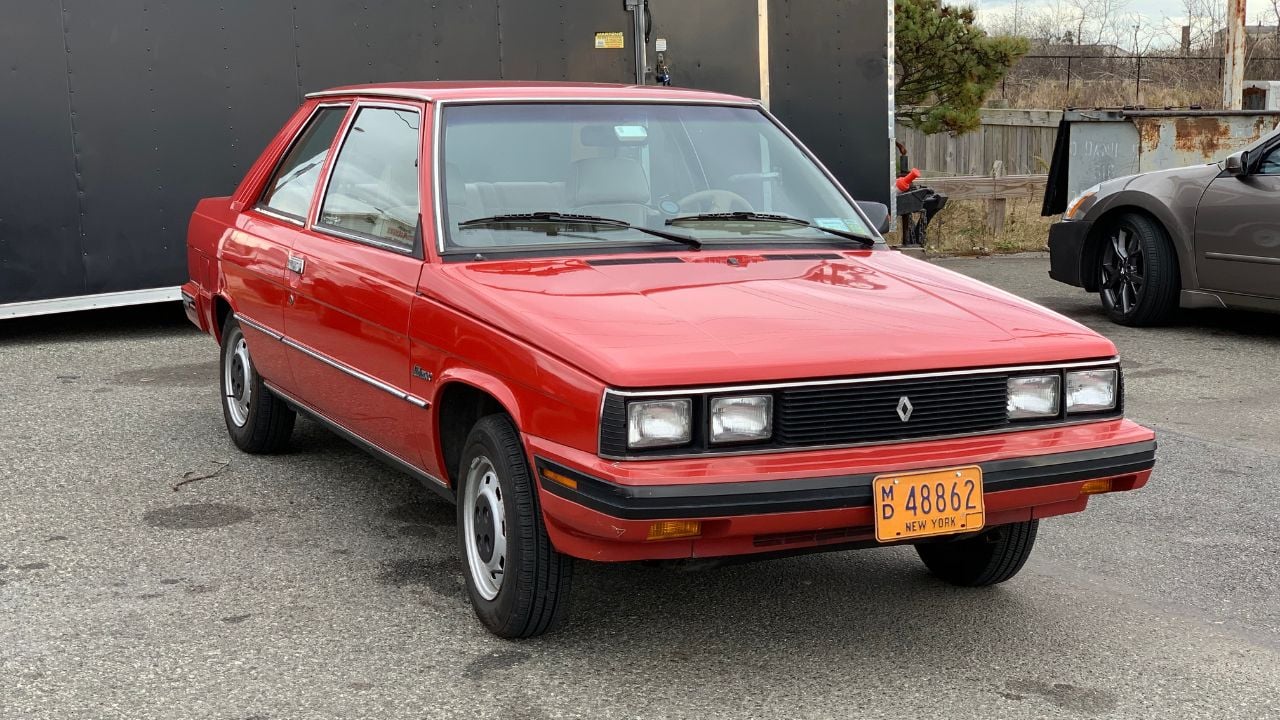
Built in partnership with American Motors Corporation (AMC), the Renault Alliance was meant to blend European efficiency with American sensibility. On paper, it offered compact comfort, clean styling (for the era), and strong fuel economy. In practice, drivers encountered uneven build quality that made a cheap plastic toy seem robust, sluggish driving dynamics (especially with the weak engines), and reliability that often tested the patience of a saint.
The interior felt more optimistic than refined, and the ride leaned toward soft without much feedback, making it feel like piloting a boat in a small pond. Still, the Alliance did bring a different flavor to U.S. showrooms and earned early attention for its approach to value, even winning Motor Trend’s Car of the Year in 1983 (proving that first impressions can sometimes mislead massively).
The ambition behind the project was clear — to save AMC and give Renault a foothold. The execution, sadly, just wandered off course, eventually contributing to AMC’s demise
Suzuki X-90
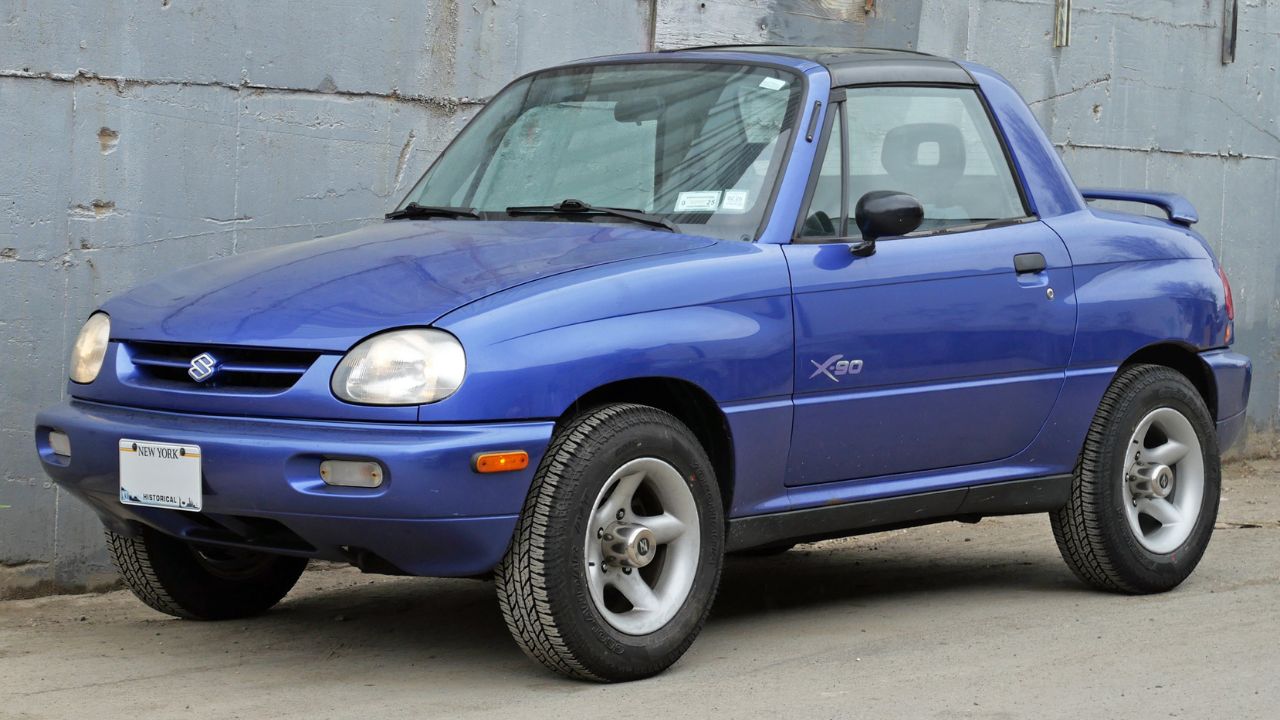
Part SUV, part coupe, part targa, all ugly, the Suzuki X-90 confused nearly everyone with its compact dimensions, bubble-like shape, and utterly baffling purpose when it launched in 1995. It had two seats, removable roof panels, and a stance that raised more questions than admiration. “Is it an off-roader? A convertible? A giant jelly bean on stilts?” were common queries. Based on the venerable Suzuki Sidekick/Vitara chassis, it surprisingly had legitimate 4×4 capabilities (with a low-range transfer case!).
Yet, the drive was nimble enough for city streets, and owners appreciated the quirky fun it delivered in short bursts. As a concept, it leaned into a niche nobody knew existed, or needed. While practicality and style did not always agree (it looked like a child’s drawing brought to life), the X-90 at least brought a sense of play and genuine oddity to the automotive landscape.
It made its mark through sheer weirdness, and sometimes that leaves the most lasting impression. It sold only 7,205 units in the U.S. over two years. It was the answer to a question nobody asked. When will car companies learn that American drivers are not keen on these Frankenstein-like vehicles? What’s next, a pickup-lowrider? Wait, that already failed in the U.S., too.
Where Mistakes Still Leave a Mark
History remembers victories, but it also must learn from missteps. These cars may not have topped sales charts or won beauty contests, yet they left behind stories filled with unwarranted ambition, odd choices, bold risks, and questionable decisions. It’s like your friend at the bar, except now we’re all subjected to it.
What makes a car truly bad — the design, the drive, or the profound disappointment it brings? Sometimes it is all of those, wrapped in a body that still manages to spark curiosity. Maybe you once drove one, or maybe you just watched it roll by and genuinely wondered what the designers were smoking.
Each of these machines tried to change something, even if the results fell flat. That courage still matters, even when the outcome becomes a cautionary tale for future product planners. Should we mock them or thank them for showing us what not to repeat? If you’re asking me, I’d say both, heavy on the mockery. But in the end, even failure can earn a distinguished, if slightly embarrassing, place in the rearview mirror of automotive greatness. And honestly, at least they tried to be different — can’t say the same for the 2025 market.