Fuel prices are putting pressure on American drivers, with diesel taking an especially dramatic turn upward. The national average for diesel reached a record $6.29 per gallon this week, according to federal data cited by Reuters.
Those prices don’t only affect people filling up trucks at the pump. Diesel powers much of the equipment and transportation network responsible for moving freight and agricultural products around the country, allowing a fuel-price spike to work its way through the entire economy.
The Trump administration is now trying to ease one potential pressure point in that system. Rather than focusing solely on increasing the amount of fuel available, the Department of Transportation is temporarily changing how long certain drivers can operate while delivering it.
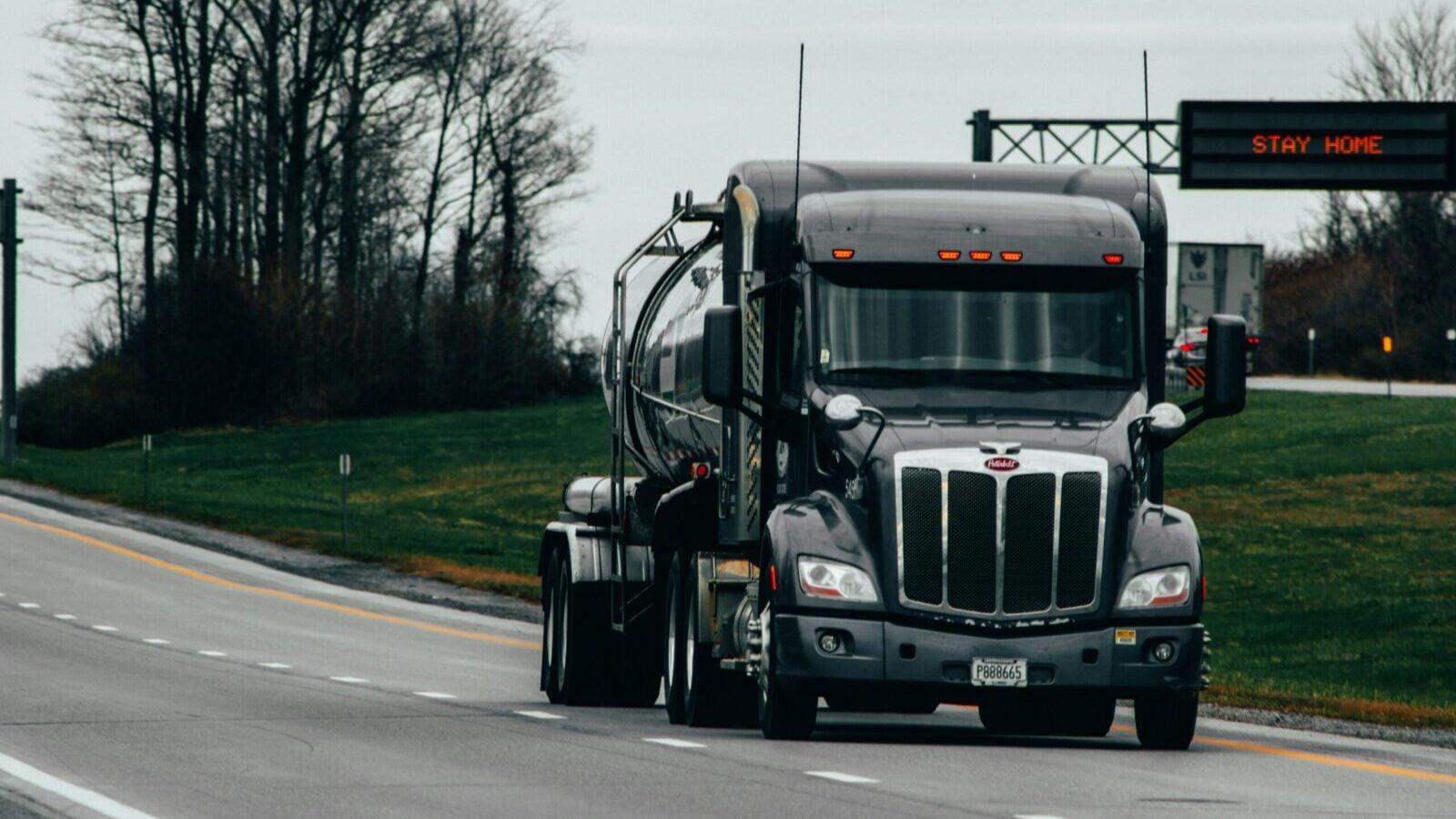
The Federal Motor Carrier Safety Administration has issued a 90-day waiver covering drivers transporting gasoline and diesel. It expands their permitted operating window from 14 hours to as much as 16 hours within a 24-hour period.
Fuel Truckers Can Operate Up To 16 Hours

The waiver took effect September 16 and is intended to prevent short-term supply-chain disruptions from delaying gasoline and diesel deliveries. Transportation Secretary Sean Duffy said the added flexibility could help protect against shortages and reduce pressure on fuel prices and agricultural producers.
It isn’t an unrestricted extension for every trucker. The temporary exemption applies specifically to qualifying gasoline and diesel transportation, while drivers remain subject to required rest provisions.
Carriers and drivers also have to be in good standing, excluding those with conditional safety ratings or active out-of-service orders. USDOT says drivers who become fatigued must stop somewhere safe to rest, while carriers must report incidents to FMCSA within two business days.
Diesel Has Hit A Record $6.29 Per Gallon

The move comes amid extraordinary pressure on global fuel supplies, and the U.S. average diesel price has jumped from $3.74 per gallon a year ago to a record $6.29 as disruptions connected with conflicts involving Iran and attacks on Russian refineries squeeze supplies.
Global diesel supplies are expected to remain tight amid limited spare refining capacity and approaching winter demand. FMCSA says it issued the waiver in anticipation of greater need for hours-of-service flexibility as the U.S. deals with supply disruptions and seasonal demand.
Similar exemptions aren’t unprecedented. Federal regulators have previously relaxed hours-of-service requirements during emergencies including hurricanes, wildfires, winter storms and the COVID-19 pandemic.
Longer Hours Raise A Safety Question
Allowing longer operating windows also brings driver fatigue into the conversation. The Insurance Institute for Highway Safety describes fatigue as a known large-truck crash risk and cites research finding that drivers who had been behind the wheel for more than eight hours had nearly twice the crash involvement risk of those who had driven fewer hours.
That research doesn’t mean the new 16-hour operating window translates directly into 16 hours behind the wheel, nor does it establish what effect this particular waiver will have. The administration’s safeguards are intended to preserve required rest while giving fuel carriers additional scheduling flexibility.
For the next 90 days, the government is betting that those extra hours of flexibility can help keep gasoline and diesel moving without compromising safety. Whether that translates into noticeable relief at the pump will depend on much bigger forces affecting global fuel supply as well.