

For a company that once defined American rebellion on two wheels, this is not the kind of earnings report that inspires confidence.
Harley-Davidson closed out 2025 with a respectable headline number: $339 million in annual profit. But that figure tells only part of the story. Zoom out — or worse, dig in — and the cracks are everywhere.
Profit for 2025 fell 26% year-over-year, a sharp reversal for a brand that already spent much of the past decade fighting shrinking ridership, aging demographics, and intensifying competition.
And the fourth quarter was particularly brutal: a $279 million loss, more than double the $117 million loss posted during the same period in 2024.
That’s a warning flare, not a blip.
Sales Are Soft — And Harley Knows It
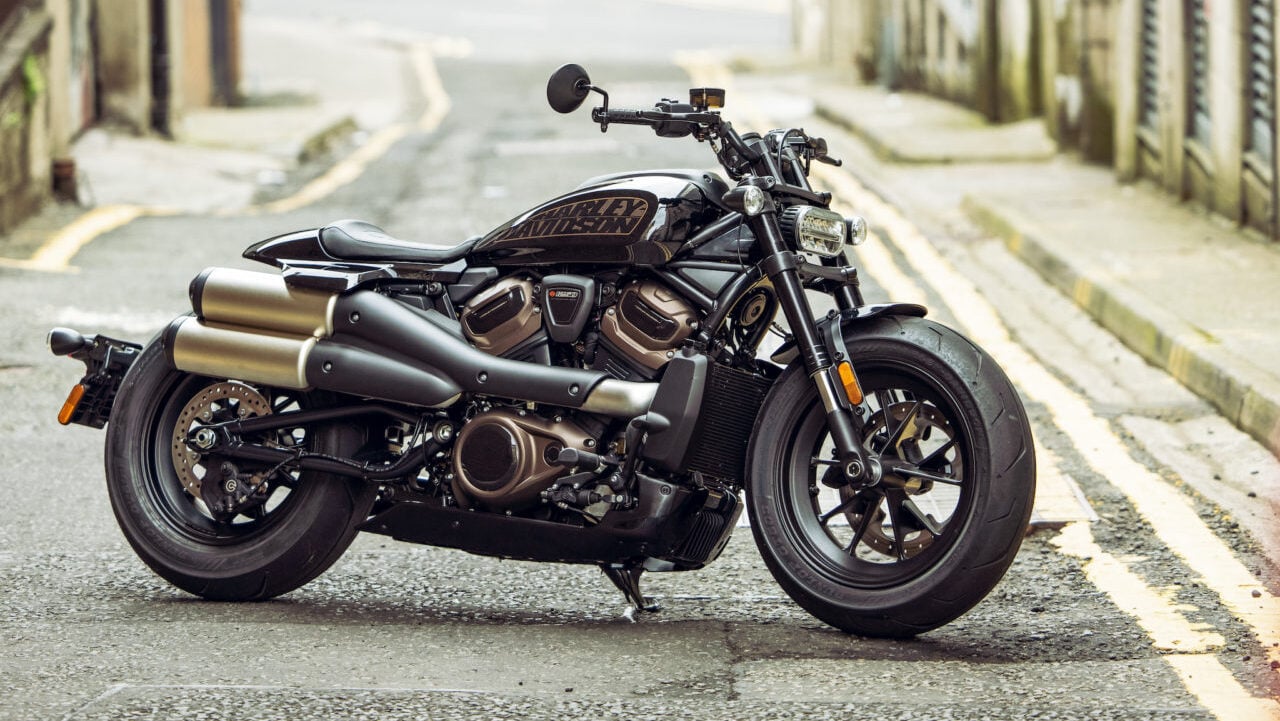
Globally, motorcycle shipments fell 4% in the fourth quarter. The company admitted it deliberately reduced wholesale shipments to dealers in an effort to balance bloated inventories. In plain English: too many bikes were sitting unsold on showroom floors.
CEO Artie Starrs called these “deliberate actions” to stabilize the business and restore dealer confidence. But deliberate or not, cutting shipments to manage excess inventory is rarely a sign of strength. It’s a defensive move.
North American retail sales rose 5% in the quarter — a rare bright spot — but the overall trajectory remains troubling. Even analysts watching the company closely are cautious.
Morningstar’s Jamie Katz noted that while Harley may see shipment growth in 2026, inventory problems persist and incentives will likely be required to move units, potentially pushing the company into an operating loss next year.
Discounting to clear bikes is not how premium brands stay premium.
Margins Under Pressure, Dealers Uneven
Starrs openly admitted margins will be “under pressure” in the near term as production runs below wholesale volumes. It’s a technical way of saying Harley is producing less while fixed costs remain high. That creates operating deleverage, squeezing profitability.
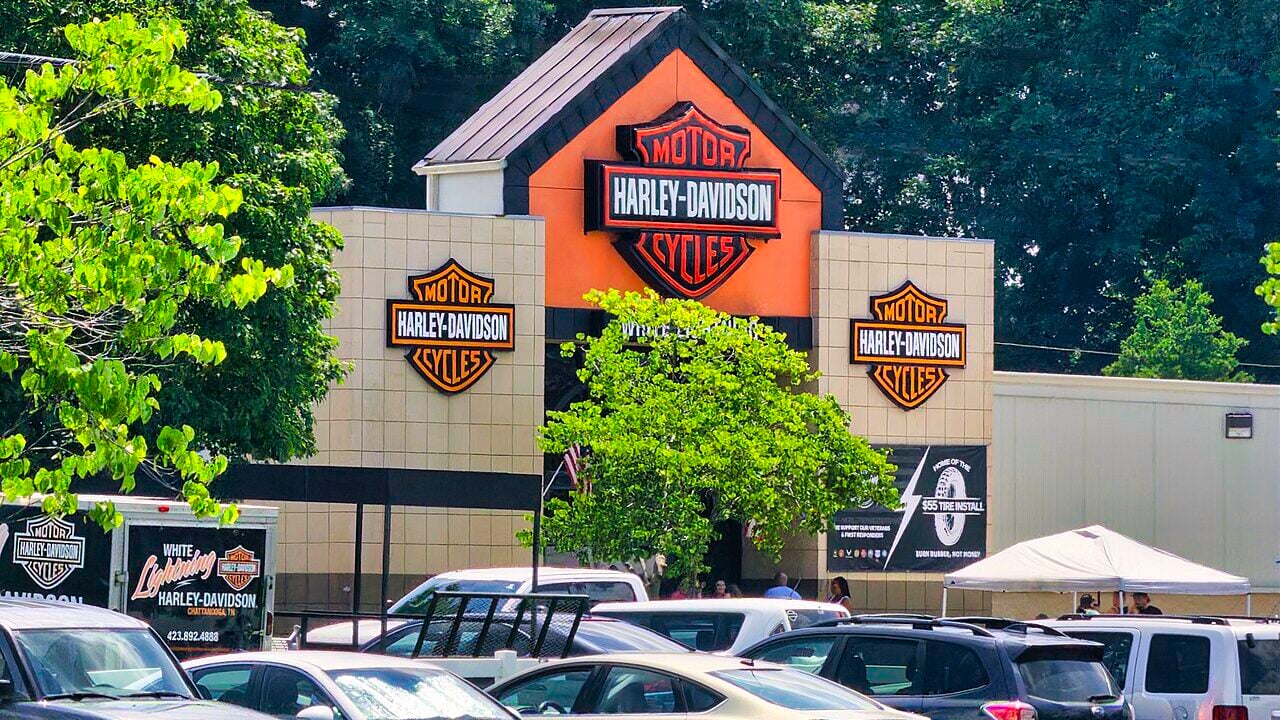
Meanwhile, dealer health is described as “uneven,” with some dealers facing challenges. We’ve reported that Harley dealerships across the country are increasing shuttering their doors. For a company that relies heavily on its dealership network not just for sales but for community culture and brand identity, uneven health an existential issue.
Harley has long marketed not just motorcycles, but a lifestyle. If dealers struggle, that lifestyle ecosystem weakens.
LiveWire Isn’t the Savior — Yet
There was modest growth in Harley’s electric division, LiveWire. Fourth-quarter sales rose 9%, and 653 electric motorcycles were sold in 2025 compared to 612 in 2024.
But context matters. Those volumes are tiny relative to Harley’s traditional business, and full-year LiveWire revenue actually fell 3%. Electric may represent the future, but at present, it’s nowhere near large enough to offset weakness in core heavyweight motorcycle sales.
Harley’s deeper struggle is structural, though often mistaken to be just cyclical.
Its core customers are aging. Younger riders are gravitating toward lighter, cheaper, more technologically integrated motorcycles — or skipping motorcycle ownership entirely. Financing costs remain elevated. Big-ticket discretionary purchases are harder to justify.
And international growth has not compensated for North American softness.
Yes, the stock climbed above $21 after the earnings release, up from an opening price of $19.80. But short-term market reactions don’t change the long-term math.
Harley made $339 million last year. On paper, it is still profitable. But profits are shrinking, shipments are down, inventory is sticky, margins are under pressure, and incentives loom.
Management calls 2026 a “transition year.” Investors hope it’s a reset.
The uncomfortable question hanging over Milwaukee is this: Can an iconic 122-year-old brand reinvent itself fast enough to matter again? According to Ford CEO Jim Farley, the answer to that question is a matter of life and death.
Because right now, Harley-Davidson isn’t roaring.
It’s coughing.
Sources: Milwaukee Journal Sentinel