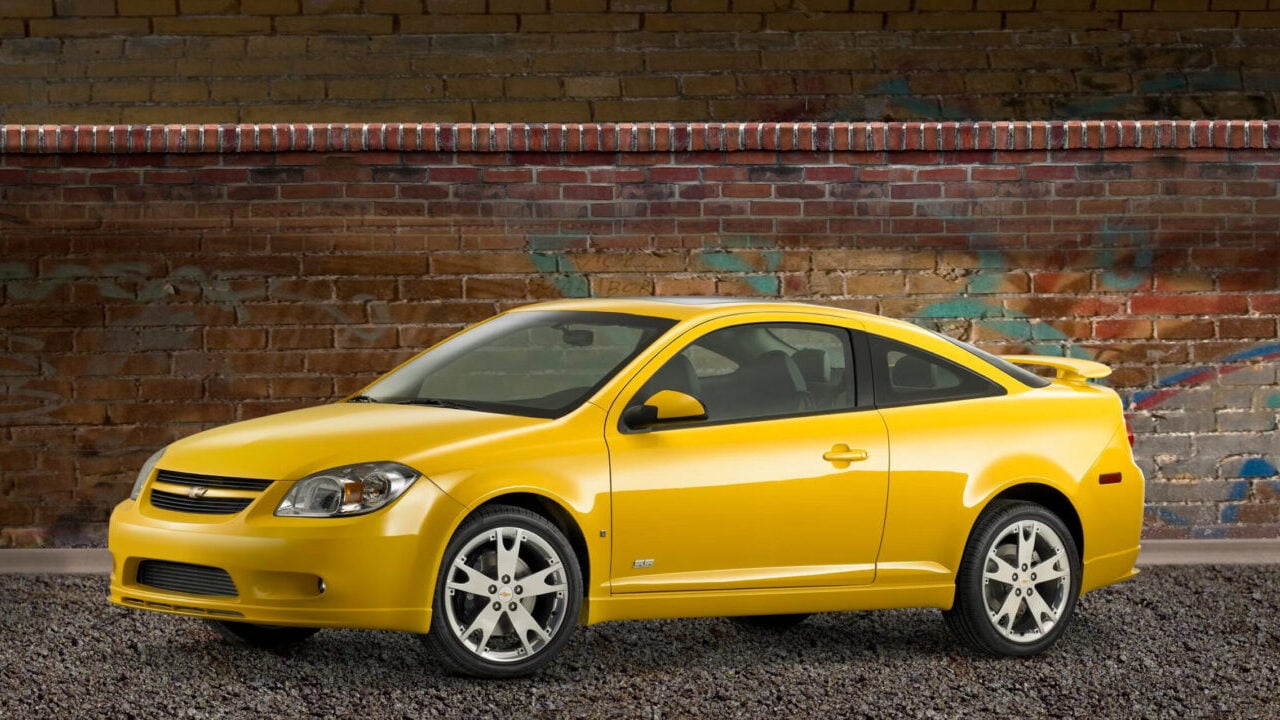
Hagerty’s latest insurance quote analysis suggests the next generation of car enthusiasts has little interest in following traditional collector trends. Instead of gravitating toward classic muscle cars or European exotics, Gen Z buyers are increasingly drawn to more affordable Japanese imports and overlooked performance cars from the early 2000s.
The classic car insurer examined quote activity among enthusiasts born between 1997 and 2012 to identify which vehicles are disproportionately popular with younger collectors. While Gen Z still represents a relatively small slice of the overall collector market at roughly 10 percent, the data offers an early look at where enthusiast demand could be headed in the coming years.
Japanese domestic market vehicles dominate the list, reinforcing how influential 1990s and early-2000s tuner culture remains with younger enthusiasts. Video games like Gran Turismo, internet car culture, and nostalgia for the import scene all appear to be shaping buying habits in a way that differs sharply from older generations.
One surprise stood out among the mostly Japanese lineup: the Chevrolet Cobalt SS. The turbocharged and supercharged compact has quietly developed a following among younger buyers searching for inexpensive performance, proving that affordability still plays a major role in the enthusiast market.
JDM Cars Continue To Define Younger Enthusiast Tastes

According to Hagerty’s findings, three of the five most Gen Z-favored vehicles were never officially sold in the United States when new. Instead, these models have entered the country through the 25-year import rule, which has dramatically expanded access to Japanese-market vehicles over the past decade.
The Honda Beat ranked among the most popular choices thanks to its tiny kei-car proportions, high-revving three-cylinder engine, and quirky personality. Lightweight, inexpensive, and unmistakably Japanese, the Beat offers a completely different driving experience than modern performance cars while remaining attainable for younger buyers.
Another unexpected favorite is the Toyota Celsior, better known globally as the Lexus LS. Unlike the sports cars commonly associated with JDM culture, the Celsior is a large luxury sedan, yet its combination of reliability, understated styling, and relatively low prices appears to resonate with younger enthusiasts looking for something different.
Rally Legends Still Carry Serious Appeal
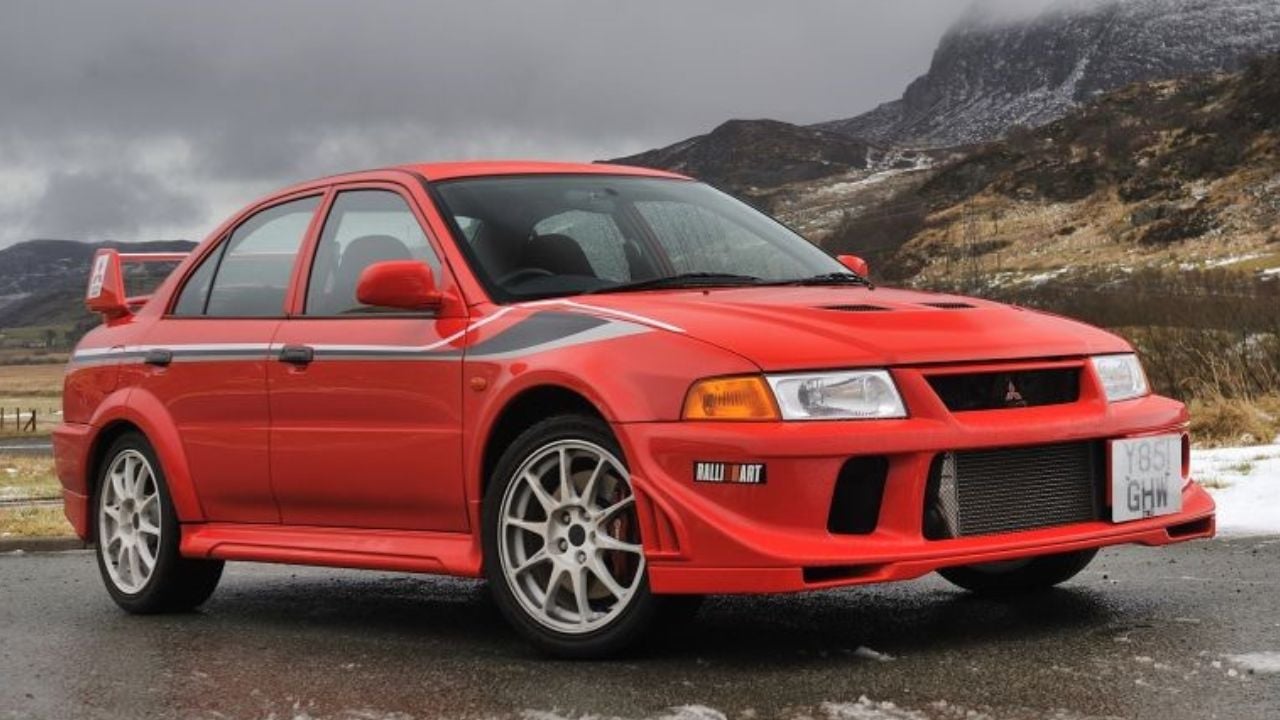
The Mitsubishi Lancer Evolution VI was the most performance-focused vehicle on Hagerty’s list and perhaps the least surprising. Long celebrated for its rally pedigree, turbocharged powertrain, and all-wheel-drive grip, the Evo VI has become one of the defining Japanese performance cars of its era.
Its popularity with Gen Z likely stems from the same factors that elevated cars like the Nissan Skyline GT-R and Subaru WRX STI into icons. Racing games, motorsports history, and online enthusiast culture continue to introduce younger buyers to Japanese homologation specials that many never experienced when new.
Unlike some of the other vehicles on the list, however, the Evo VI is no bargain anymore. Rising collector demand and limited availability have pushed values significantly higher, making it the most aspirational model among Hagerty’s Gen Z favorites.
The Acura RSX And Chevy Cobalt SS Are Finding New Fans
Two early-2000s sport compacts also made the list, highlighting how younger enthusiasts are increasingly embracing cars that were once overlooked.
The Acura RSX has steadily gained appreciation thanks to its sharp styling, lightweight chassis, and tunable K-series engine. For millennials, the RSX represents a high-school-era dream car, while Gen Z buyers often remember it from childhood or from the height of the import tuning scene online.
Perhaps the biggest surprise is the Chevrolet Cobalt SS. Overshadowed for years by Japanese rivals like the Honda Civic Si and Subaru WRX, the Cobalt SS has now become recognized as one of the best performance bargains from the era.
Supercharged early models and later turbocharged versions offered impressive performance for the money, and the car’s affordability continues to attract younger enthusiasts priced out of more desirable Japanese alternatives. Clean examples remain relatively inexpensive compared to many import rivals, which only adds to the appeal.
Affordability Is Still Shaping The Next Generation Of Collectors

Hagerty believes price remains one of the biggest factors influencing Gen Z buying habits. Many younger enthusiasts entered adulthood during a period of rising vehicle prices, expensive housing markets, and higher living costs, making affordable enthusiast cars especially attractive.
That reality may eventually change as Gen Z ages and gains more disposable income. Hagerty notes that older generations still dominate the collector-car market today, with millennials accounting for roughly 20 percent of enthusiasts while Gen X and baby boomers make up nearly two-thirds combined.
For now, though, younger buyers appear far more interested in compact Japanese imports, analog driving experiences, and forgotten performance bargains than traditional collector staples. The rise of cars like the Honda Beat and Chevrolet Cobalt SS suggests the future enthusiast landscape could look very different from the one that defined previous generations.