
Getting a trailer ready for the road involves more than just hooking it up and heading out. Towing looks straightforward, but doing it safely takes preparation, a few smart habits, and the right equipment for the job.
You might be planning a camping trip, hauling gear, or helping someone move. In any case, making sure your vehicle and trailer are ready before the drive can help you avoid breakdowns, swaying, or other unexpected issues once you’re on the road.
Even experienced drivers can overlook a detail or two, especially if it’s been a while since the last tow. We’re here to help you double-check the essentials and feel confident behind the wheel.
Let’s get your trailer ready to roll.
How We Chose These Tips

This guide was created using information from some of the most respected names in road safety. I gathered tips from Trailer Safety Week, AAA, and the DMV, organizations that have helped drivers stay safe and informed for decades.
The goal was simple: to take expert-backed recommendations and break them down into clear, practical steps anyone can follow. These are the basics every driver should know before towing, written in a way that makes sense even if you’re not a gearhead. With the right preparation and a little know-how, towing can feel a whole lot less stressful and a lot more doable.
Check All the Tires

Check tire pressure on both your vehicle and your trailer before every trip. Trailer tires are often overlooked, especially if the trailer hasn’t been used in a while. Low pressure, cracks, or dry rot can lead to dangerous blowouts on the road.
Make sure tires are inflated to the recommended level, and inspect for any signs of aging or damage. A quick tire check is one of the easiest ways to prevent trouble.
Check Your Fluid Levels

Before hitting the road, especially for a long haul or weekend trip, make sure your vehicle is ready for the extra heat and strain that towing adds. Check the fluids you can safely access, and look for leaks or warning messages for the ones you cannot. Here are the most important things to confirm:
- Engine oil
- Engine coolant
- Brake fluid
- Power steering fluid (if your vehicle has it)
- Transmission fluid (only if your vehicle has a dipstick or a simple manufacturer-approved check procedure)
If your vehicle has a sealed transmission with no dipstick, do not guess or try to top it off. Instead, check for leaks and follow the owner’s manual service guidance. Towing adds strain to your vehicle, so it pays to double-check everything before the trip.
Inspect Your Brakes

Brakes should be checked at least twice a year, but it’s even more important when towing. The extra weight puts more pressure on your braking system, which can cause overheating and wear.
According to AAA, there are signs that indicate whether you need new brakes, such as squealing, grinding, vibration, or a longer stopping distance. If anything seems off, have them looked at before you tow.
Check Trailer Lights

Before hitting the road, make sure your trailer’s brake lights, turn signals, and hazard lights are working. This requires checking the wiring between your vehicle and trailer.
Ask someone to stand behind the trailer while you test each signal. Make sure wires are secure and not dragging or stretched too tight.
Double-Check Your Towing Capacity

Every vehicle has its own max towing capacity, so you’ll want to have the right truck and trailer combination (we recommend these work-ready pickups for your next towing adventure).
If your trailer weighs more than your vehicle’s limit, this can lead to reduced control and instability while driving. Two big issues include the trailer swaying behind you and an inability to stop your vehicle in time, which can ultimately end in an accident.
Load Everything Properly
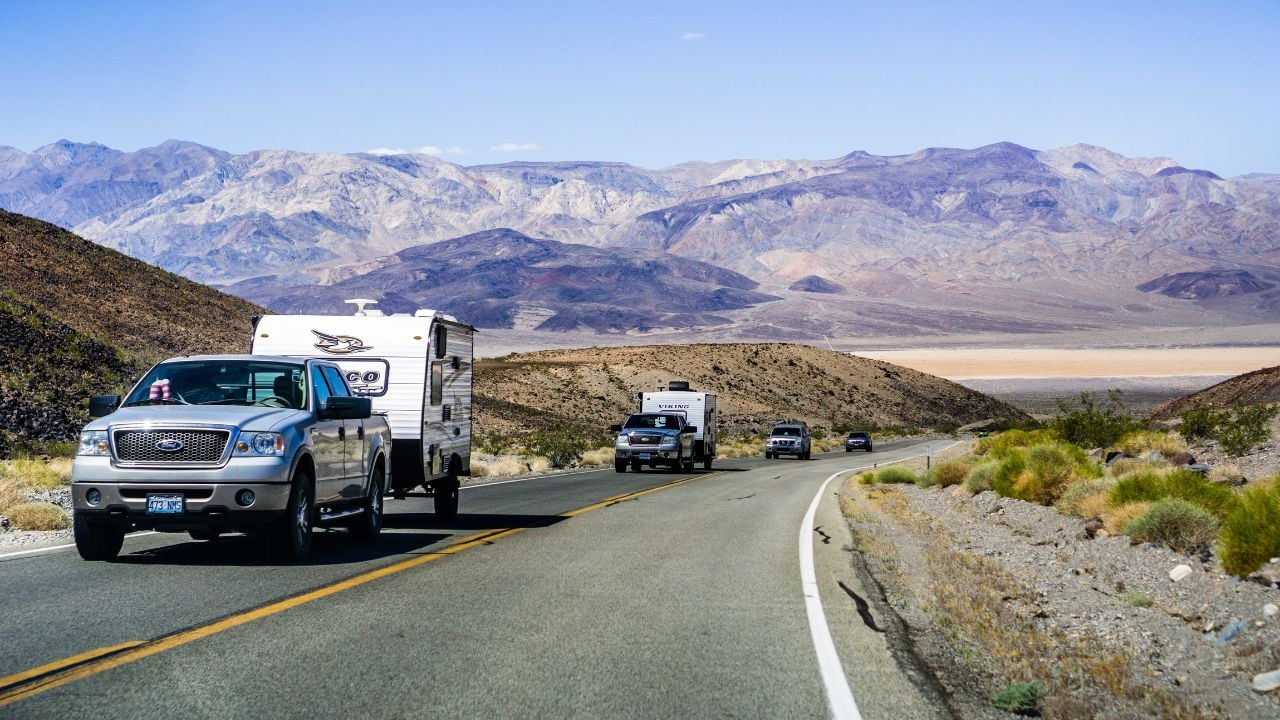
It’s not just the weight that’s important; it’s also the way you load stuff onto the trailer. Make sure that the weight is evenly distributed throughout the trailer, front to back and on the sides. If the weight distribution is off, it’s a lot easier for you to lose control of the trailer.
According to CURT, a common rule is 60% of the load in front of the trailer axle and 40% behind it to help deter trailer sway. Load the heaviest stuff first, and make sure large items are tied down with straps.
Weigh Your Trailer

A quick stop at a public scale or truck stop can give you valuable peace of mind. It helps confirm that your trailer isn’t too heavy for your vehicle.
Start by weighing your vehicle on its own. Then weigh it again with the trailer fully loaded. Subtract the first number from the second to find out how much weight you’re actually towing.
If you’re towing often, it’s also worth learning about tongue weight. That’s the pressure your trailer puts on the hitch, and it plays a big role in how stable your setup feels on the road. A good target is around 10 to 15 percent of the trailer’s total weight.
Checking your numbers now can help you avoid problems later and keep your trip smooth from start to finish.
Make Sure the Hitch Ball is the Right Size

A hitch ball is the ball-shaped piece that connects your trailer to the hitch, allowing the trailer to pivot and turn when it’s behind your vehicle. Make sure the ball on the tow hitch is the same size as the coupler on your trailer to avoid accidents.
Do not use a hitch that clamps onto the bumper. Use a properly rated receiver hitch installed the way the vehicle manufacturer specifies.
Use Trailer Safety Chains

Safety chains should always be used. Cross the safety chains underneath the coupler so they can help support the trailer tongue if it disconnects. If your trailer gets disconnected from the tow vehicle, the crossed chains can form a “cradle” of sorts for the trailer to fall into in an emergency scenario.
Another tip? The chains shouldn’t be pulled tight. Make sure there’s enough slack to take sharp turns, but never let them drag on the road.
Bring a spare tire.
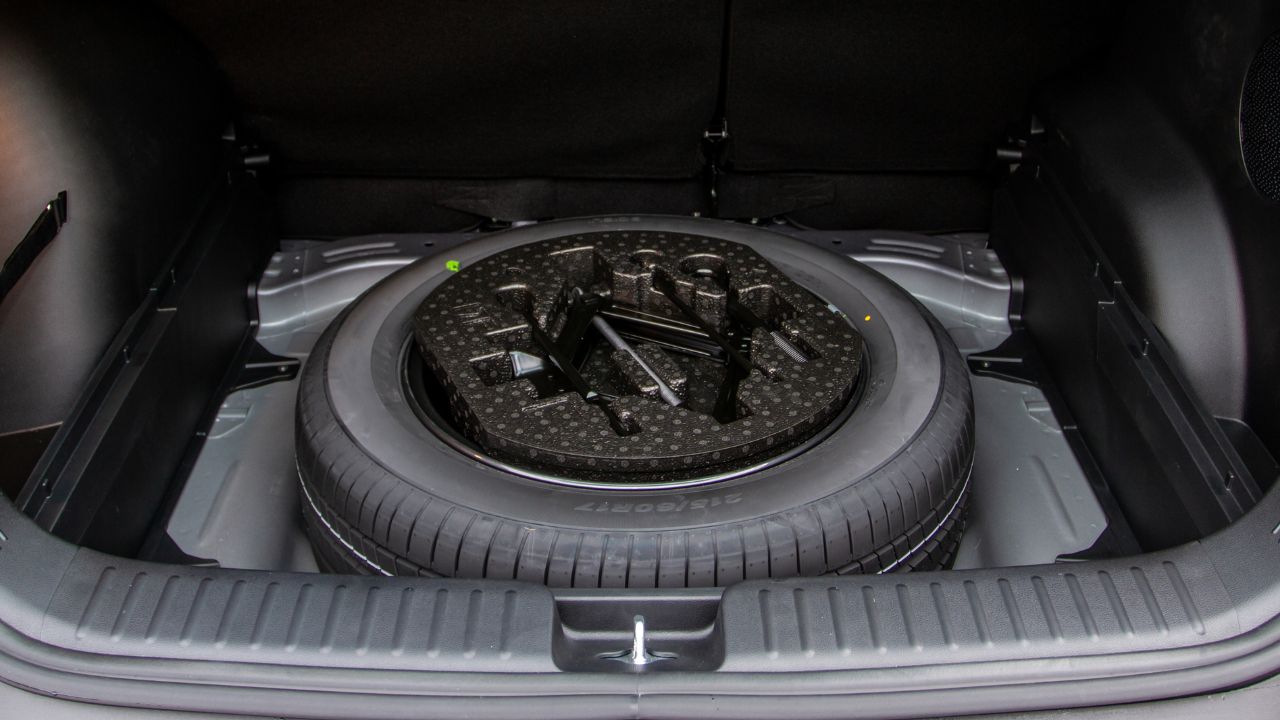
With so many tires to keep track of between your vehicle and the trailer, it can’t hurt to have a spare tire or two to take along with you for the ride.
If you ever find yourself in need of changing a tire, you should first pull over into a safe spot (away from traffic, if possible). Wear a reflective vest or use road flares to ensure incoming traffic has time to spot you from afar. Have the following tools handy:
- Car jack to lift your vehicle up
- A spare tire or “donut tire”
- Lug wrench
- Wheel wedges
- Portable tire inflator
- Tire gauge
Invest in Two Mirrors

Towing creates blind spots, especially with wide or long trailers. Two mirrors give you a better view of traffic around your trailer and help you reverse with confidence.
If your vehicle does not have them already, you can find clip-on tow mirrors at most auto parts stores. A backup camera is another great upgrade for extra safety and visibility.
Final Walkaround Before You Go

Before pulling out of the driveway, do one last walkaround of your entire setup. Check the hitch, safety chains, lights, tires, mirrors, and load security. Taking five extra minutes now could save you hours of frustration later.
Happy Trails

Once the trailer is packed, the fluids are topped off, the lights are working, and your load is secure, take a moment to walk around your setup. Look at everything one more time to make sure it’s all in place.
Towing doesn’t have to be stressful; a little preparation and attention to detail will go a long way. With the right setup and a careful start, you’ll feel more confident each time you drive. Now it’s time to enjoy the trip and know that you’re ready for the road ahead.