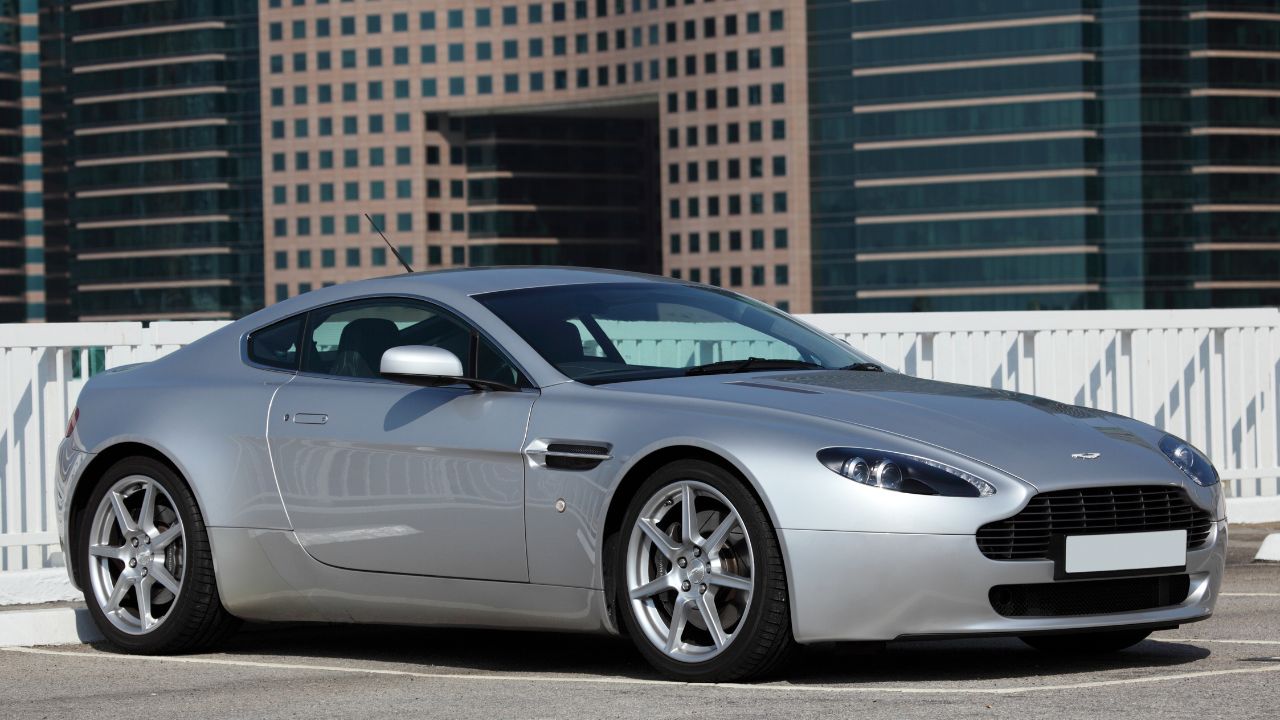
Some cars just look “right.” Balanced, elegant, and timeless. That visual harmony is often discussed in terms of proportion systems; one popular reference point is the golden ratio (approximately 1.618:1), a mathematical proportion used for centuries in art, architecture, and design. In automotive styling, designers may use proportional guidelines to balance elements like the cabin, hood, and stance, which can make a shape feel instinctively “right.
Designers sometimes lean on proportional guidelines (including, in some cases, the golden ratio) when balancing height, width, and visual elements like beltlines, wheel arches, and cabin placement. Whether consciously applied or naturally achieved through experience, this ratio helps explain why certain cars captivate us at first glance. Here are six standout examples where math meets emotion.
Ferrari 250 GTO

Ferrari’s 1962–64 250 GTO is widely regarded as one of the most beautiful cars ever built, and enthusiasts often point to its long-hood/short-deck profile as a big part of that appeal. The long hood, short rear deck, and flowing roofline create a visual rhythm that feels both aggressive and graceful. Bodied by Sergio Scaglietti, the car was shaped for performance first, but it also ended up with an iconic, cohesive silhouette.
Lamborghini Miura

The Miura broke design conventions with its mid-engine layout and low-slung profile, and its stance became a template for what a modern exotic looks like. The cabin placement, roof curvature, and front-end detailing create a balanced, planted look that many people find instantly appealing. Marcello Gandini’s design for Bertone created a car that looked fast even when parked.
Porsche 911 (Classic Models)

The original Porsche 911, especially the 1964–1973 models, has an instantly recognizable silhouette with a roof arc, rear fender sweep, and window layout that have aged remarkably well. The balance between the cabin and engine bay creates a visual equilibrium that’s endured for decades. Porsche’s design philosophy has always emphasized form following function, and the golden ratio helped deliver both.
Aston Martin DB9

The DB9’s side profile is widely praised for its balance. The hood-to-cabin relationship, greenhouse placement, and rear haunches create a timeless grand-tourer look. The design was started under Ian Callum and finished under Henrik Fisker.
BMW 328 Hommage

This concept car, inspired by the 1930s BMW 328, modernizes classic proportions with a low, tapered stance and minimalist surfacing. The relationship between the wheelbase, cabin, and rear taper creates a sleek silhouette that feels both futuristic and familiar.
Bugatti Chiron

The Chiron’s horseshoe grille and signature C-line side profile are deliberate design signatures that create a strong sense of symmetry and flow. The curvature of the body and the placement of the cabin are carefully tuned for both aerodynamics and presence, blending engineering and aesthetics into one cohesive shape.
Timeless Proportions, Lasting Impact

The golden ratio is a language of visual harmony that transcends trends. When applied to car design, it creates vehicles that feel balanced, purposeful, and emotionally resonant. These examples show how math and artistry combine to produce automotive icons.
Whether you’re admiring a vintage Ferrari or a modern Bugatti, you’re reacting to proportion and visual balance; sometimes that lines up with the golden ratio, and sometimes it doesn’t. Either way, once you start noticing how designers place the cabin, wheels, and major lines, car styling gets a lot more interesting.